TURKEY: Things to Know Before Traveling!
Türkiye: Essential Travel Tips and Information

Bery Istanbul Tips
Cappadocia, Turkey


Whether you're a first-time visitor or a seasoned traveler, this guide provides valuable insights and tips to ensure a memorable journey. Discover essential information about currency, local customs, transportation, and more.
VISA REQUIREMENTS
Before traveling to Turkey, check if you need a visa. Many nationalities can get an e-Visa online, while others may require a visa on arrival or in advance through a Turkish embassy or consulate.
✅ Remember, there is only one official website to check visa requirements and apply for an online visa: evisa.gov.tr
⚠️ Avoid non-official websites! They are third-party services that charge double or even triple the price, and many are scams.
TRAVEL INSURANCE
While travel insurance is not mandatory for visiting Türkiye, it is highly recommended. Healthcare for non-Turkish citizens can be expensive!
ISTANBUL AIRPORTS AND TRANSPORTATION TO THE CENTER
Istanbul has two airports:
Istanbul Airport (IST)
Located on the European side, 45 km from the city center. There are different options to go to the city center:
Havaist airport buses is the most budget-friendly option. (Click here for the official website for fees, routes and timetables). If you purchase a roundtrip ticket, you can have 40% discount!
Metro: Keep in mind that there is no direct line to the city center, you’ll need to transfer several times, which can be inconvenient, especially with heavy luggage. In addition, the metro station is not directly connected to the terminal; there’s a 10-minute walk between them.
Taxis/Uber (moderate cost)
Private transfers are the most convenient, especially if you are traveling with your family or friends. Click here to book a private transfer.
Sabiha Gökçen Airport (SAW)
Situated on the Asian side and the options to go to the city center are as follow:
Havabus shuttle: Direct bus to Taksim and Kadıköy and the most affordable option. This is found outside the terminal. (Click here for the official website for fees, routes and timetables)
Taxis: Keep in mind that this can be the most expensive option.
Private transfers: Much more convenient when traveling in family or with friends. Click here to book a private transfer.
Metro: This airport has a metro line that connects directly to the terminal. However, if you’re heading to Sultanahmet or other areas on the European side, you’ll need to transfer several times.
Depending on your budget and comfort level, you can choose between public transport, shared airport shuttle buses, taxis, or private transfers.
WHERE TO EXCHANGE MONEY IN ISTANBUL
The official currency is the Turkish Lira (TRY). Ensure you have some local currency for small purchases, as not all places accept credit cards.
If you want to have cash with you, the best options are ATM's and the exchange offices located INSIDE the Grand Bazaar.
LOCAL TIP!
⚠️ AVOID exchange offices at the airports, along the tram line in Sultanahmet and on Istiklal Street. They offer the worst exchange rates! Trust me, your wallet will thank you!
🏧 ATMs are widely available in major cities and tourist areas. Notify your bank about your travel plans to avoid any issues with using your cards abroad.
PAYMENT METHODS IN TÜRKİYE
While digital payments are becoming more common, it's advisable to carry your actual credit card. In some places, payment with a phone or Apple Pay may not be accepted. Having a physical card ensures smooth transactions.
Know the PIN for your credit cards, as it is often required for transactions with international cards.
In comparison to Visa and Mastercard, American Express cards might have limited acceptance, particularly in smaller establishments and local businesses. We suggest you to bring a Visa or Mastercard.
For small purchases and bargaining, cash is useful.
HOW TO HAVE INTERNET IN TÜRKİYE
They are a great choice for those who will be traveling through different countries or regions and don't want to waste time finding local companies in the countries they visit. You buy your eSIM online, and as soon as your flight lands at your new destination, you can have internet!
My two favorite eSIM's covering over 200 countries, with regional plans available are:
Nomad eSIM
Just download the app, pick a plan, and activate it for instant internet upon arrival. Use my promo code 'EDIT82KL' for $5 off your first purchase over $10 and explore stress-free!
Airalo:
To get a 10% discount on your next Airalo eSIM, click on the following link and enter the discount code 'BIT' before completing your transaction.
https://airalo.pxf.io/c/4673026/1268485/15608
IMPORTANT: Make sure your phone is unblocked and supports eSIM’s!
PLEASE NOTE: These are affiliate links, meaning I may earn a commission if you purchase your eSIM by clicking through my links (at no extra cost to you).
If your phone doesn’t support eSIM's, your only option is to purchase a SIM card from a local provider. I recommend Turkcell, Türk Telekom, and Vodafone. You can find them at airports, shopping malls, tourist areas, and practically everywhere in the city.
LOCAL TIP!
As of July 2025, eSIMs can’t be purchased in Turkey, but don’t worry! If you buy and activate your eSIM before you arrive, it will work perfectly. For the smoothest experience, make sure to set it up at least a day before your trip so you’re connected as soon as you land.
ISTANBUL'S POPULATION AND TRAFFIC
Istanbul is a massive city with nearly 20 million people, making it one of the most crowded cities in the world. Traffic is horrific, especially during rush hours, so walking and using public transport is often the best way to get around.
LOCAL TIP! Bring comfortable clothing and walking shoes because you’ll walk a lot, especially in areas like Sultanahmet, Galata, and Taksim, these areas can also be quite hilly!
❌ Ladies, ditch the heels and similar shoes! They’ll be your worst enemy onIstanbul’s streets.
LANGUAGE
In Türkiye, the official language is Turkish. While many locals in tourist areas and larger cities may speak some English, it's beneficial to have a translation app in your mobile to be able to communicate with locals.
ELECTRICAL OUTLETS IN TÜRKİYE
Türkiye uses the type F plugs.
Also keep in mind that in Türkiye we use a voltage of 220V, for women, make sure that your hair straighteners and such items cover this voltage, otherwise, they will malfunction. For laptops, mobile phones, iPads, tablets, is a universal voltage.
WEATHER IN TÜRKİYE
Winter
December:
Winter begins, with temperatures dropping. Coastal areas may still experience milder weather.
January:
Winter peaks, especially in central and eastern regions. Snowfall is common in higher elevations.
February:
Winter continues, temperatures may slightly rise, but it remains chilly. Ski resorts thrive with snow enthusiasts.
Spring
March:
Spring starts, bringing milder temperatures. Blooms start, creating picturesque landscapes.
April:
Spring fully takes hold, with pleasantly warm weather. Ideal for exploring nature and historical sites.
May:
Late spring sees warm temperatures. Coastal areas become inviting for beachgoers.
Summer
June:Exported from www.thatch.co Mar 2025 Page 12
Summer officially starts with warm temperatures. Coastal areas are pleasant, and beach tourism begins.
July:
The peak of summer, with hot temperatures across the country. Ideal for coastal vacations and outdoor activities.
August
Summer persists, with high temperatures. Coastal regions remain popular for sun-seekers.
Autumn:
September:
Early autumn brings a gradual cool-down. Coastal regions continue to attract visitors.
October:
Autumn colors emerge, creating scenic landscapes. Cooler temperatures, especially in the evenings.
November:
Late autumn sees cooler temperatures, preparing for winter. A great time for cultural and historical exploration.
Climate variations exist, so be sure to monitor specific weather forecasts for your travel destinations within Türkiye.
BEST TIME TO VISIT ISTANBUL
Hottest months: July and August – Temperatures can exceed 35°C (95°F) with high humidity.
Coldest months: January and February – Expect temperatures around 5-10°C (41-50°F), sometimes dropping to freezing with occasional snow.
Most crowded season: April to October, especially during spring (April-May) and autumn (September-October) when the weather is mild.
Summer (June–August) is also a busy season, but the heat can be uncomfortable, making it exhausting to walk around PLUS cruise ships dock daily in Istanbul.
In conclusion, the best time to visit Istanbul in terms of less crowds and cheaper accommodation goes from mid November to March.
ESSENTIAL ITEMS TO PACK
Comfortable shoes and clothing – Istanbul involves a lot of walking, and many areas are quite hilly!
Scarf for women – Required for entering mosques. Women should also wear modest clothing (covering shoulders and knees) when visiting religious sites.
Power adapter – Turkey uses Type F plugs (two round pins, 220V, 50Hz). An adapter is recommended if your country has a different plug type.
Power bank – To keep your phone charged for navigation and taking plenty of photos.
Sunscreen and sunglasses – Essential items especially during the summer months!
HOW TO TRAVEL BETWEEN CITIES IN TÜRKİYE
Türkiye has great intercity travel options:
Flights
Turkish Airlines, Pegasus Airlines, Ajet, and SunExpress for quick domestic travel.
Buses
Reliable companies for long distance travel are Kamil Koç, Varan Turizm, Pamukkale Turizm, or Nevşehir Seyahat.
Trains
High-speed trains connect Istanbul to Ankara, Konya, Eskişehir, Yozgat, and Sivas. In the coming years, new high-speed train routes will be introduced for additional provinces. Regular train services also operate from Ankara to various provinces in Eastern Anatolia and the Southeast. One of the most famous and highly recommended routes is the Doğu Ekspresi, which runs from Ankara to Kars.
DOWNLOAD GOOGLE MAPS
Google Maps is essential for navigation, especially for public transport routes, offline maps and read restaurant reviews!
TIPPING
In Türkiye, tipping, while not mandatory, is a customary way to express gratitude for good service. The standard practice is to leave around 10% of the bill, although variations may occur depending on the service provided and your satisfaction level.
Some restaurants may include a service charge. If not, leaving 10% is considered polite. For exceptional service, feel free to leave a higher tip.
BARGAINING
Bargaining is deeply ingrained in Turkish culture and is a common practice, especially in markets and bazaars in touristy areas. However keep it in mind some of the shops might have fixed prices.
✅ Places to Bargain:
Grand Bazaar, Spice Bazaar, souvenir shops in tourist areas often allow room for bargaining.
While bargaining is a common practice in many places in Türkiye, there are situations and locations where it is not appropriate or expected. Here are instances where you generally shouldn't bargain:
❌ Places NOT to bargain:
High-End Retail Stores, restaurants and cafés, chain stores and supermarkets, hotels and accommodations.
FOOD AND RESTAURANTS IN ISTANBUL
Turkish cuisine is widely known for its delicious kebabs, but it also offers a rich variety of plant-based dishes, commonly referred to as 'zeytinyağlı' or olive oil dishes by locals. I highly recommend giving them a try! Some of my favorite olive oil dishes include stuffed peppers, stuffed vine leaves, artichokes, fresh broad beans, pinto beans, and green beans.
All meat in Türkiye is halal, making it a great destination for Muslim travelers.
Pork is difficult to find: As a predominantly Muslim country, most restaurants do not serve pork, though it can be found in a few specialty shops or international restaurants.
❌ Avoid eating at overpriced tourist restaurants in places like Sultanahmet and Istiklal Street, as they often charge much higher prices.
✅ Check online reviews (Google, TripAdvisor) before choosing a restaurant to avoid tourist traps.
WHAT TO WEAR IN TÜRKİYE
Türkiye has a diverse culture, and the appropriate clothing can vary depending on the region, the season, and the specific context. Here are some general guidelines on what to wear in Türkiye:
When visiting religious sites, wear clothing that covers your shoulders and knees, and for women only, we must cover our hair too.
Due to the Mediterranean climate, especially during the summer, lightweight and breathable fabrics like cotton and linen are recommended.
In regions with diverse climates, such as Istanbul, consider layering. Winters can be cold, while summers are hot.
PUBLIC TRANSPORTATION IN ISTANBUL
Approximately 20 million people live in Istanbul, making it a mega city with traffic issues. To save time, you can utilize public transportation in Istanbul, which is very convenient and offers various options such as metro, subway, tram, and ferries.
HOW TO USE PUBLIC TRANSPORTATION IN ISTANBUL (ISTANBULKART)
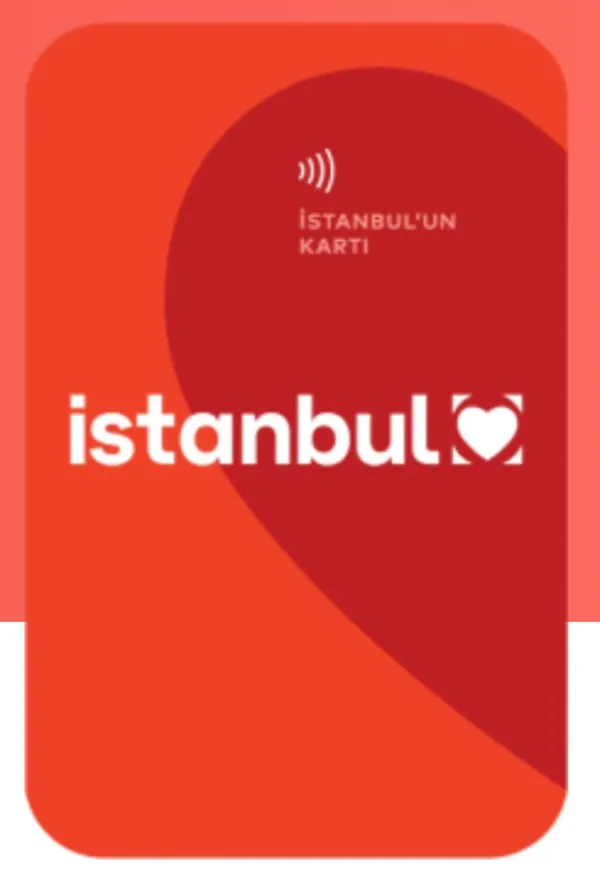
To use public transportation in Istanbul, you'll need to purchase an Istanbulkart, it works on buses, trams, metro, ferries, and funiculars. You can buy and reload it at any yellow machine located near tram or metro stations. Istanbulkart machines are also available at both airports.
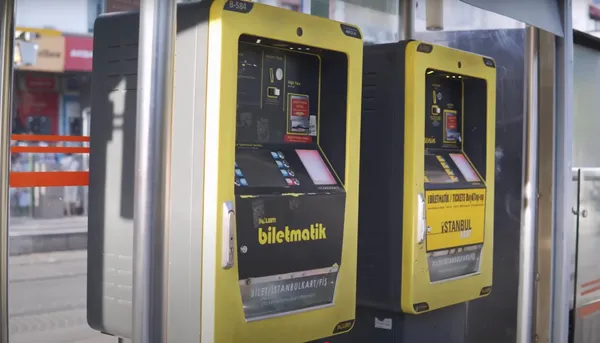
BONUS TIP! You can also use it for many public toilets, including those in Sultanahmet! Just make sure that the toilets have the machine to scan and read the Istanbulkart.
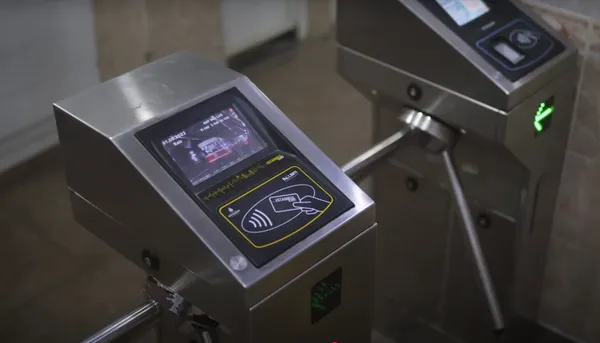
SCAM ALERT: When buying or loading your Istanbulkart at the yellow machines, DO NOT accept help from strangers, even if they seem friendly and helpful. These individuals are often scammers who distract you while secretly swapping your loaded Istanbulkart with their empty one. Stay alert and handle your transaction independently!
HOW TO USE TAXIS IN ISTANBUL
Taxis can be very problematic. Every taxi should use a taximeter. Before getting in a taxi, ask for an approximate price and insist on using the taximeter.
To lessen scams, use:
Uber (only works with yellow taxis)
BiTaksi (local taxi app)
Always pay through the apps or with credit card to easily track transactions. If you encounter issues with a driver requesting extra money, these apps allow you to request a refund and file a complaint against the driver.
NEVER accept fixed prices from taxis hailed on the street. If they offer one, walk away and find another taxi.
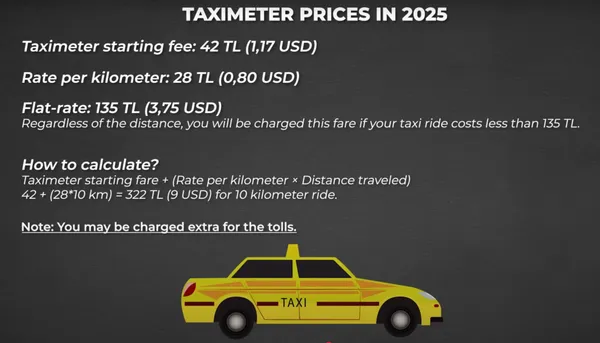
For 2025, the taxi fares officially announced by the authorities are as follow:
Uber also works in other cities like Izmir, Ankara or Antalya.
TAP WATER
Stay hydrated and avoid tap water; opt for bottled water. For cooking, tap water is totally fine.
HOW TO BUY MUSEUM TICKETS IN ADVANCE IN TÜRKİYE
Museums do not require online booking and very few offer online tickets through their official websites.
For those not offering tickets online officially like the palaces in Istanbul, I suggest buying tickets directly at the ticket office on the same day of your visit. Third-party websites may be selling tickets online, but keep in mind that online platforms often charge much higher prices, and some may be scams.
If you want to save time and avoid long queues, booking a private tour is a great option, as guides are often allowed to skip the line at many attractions.
👉 Book a private tour with us at ReminderTour.com
IS IT SAFE TO TRAVEL TO TÜRKİYE
Türkiye in general is a very safe country especially when it comes to major cities like Istanbul, Izmir, Antalya, Cappadocia region, however, is always advised to take the regular precautions just as we do anywhere else in the world.
Here are some general tips:
Keep a copy of your passport and important documents with you.
Be cautious in crowded areas and beware of pickpockets.
Never leave your belongings unattended when eating at a restaurant or shopping.
Emergency Numbers:
Emergency Services: 112
Police: 155
Medical Emergency (Ambulance): 112
Fire Department: 110
LUGGAGE STORAGE IN ISTANBUL
If you need to store luggage for a few hours or a day:
Hotels – Most hotels offer free luggage storage before check-in or after check-out. Always ask at reception.
Istanbul Airport (IST) – Luggage storage is available on the arrivals floor, with hourly and daily rates. (Click here to see the official site for rates)
Sirkeci Train Station – Convenient luggage storage in the city center, great for exploring Istanbul without carrying bags.
PUBLIC TOILETS IN TÜRKİYE
Public toilets are available in tourist areas, in museums, shops, restaurants. However, if you happen to be walking on the street and urgently need a toilet, just look for any nearby mosque *there’s practically one on every corner!* and look for the toilets, while some are free, others may charge a small fee.
TURKISH RELIGIOUS HOLIDAYS IN TÜRKİYE
Türkiye, with its rich cultural heritage, celebrates various religious holidays that hold significant importance in the local community. It's essential for travelers to be aware of these holidays, as they can impact travel plans due to increased local activities and crowds.
Eid al-Fitr (Ramazan Bayram): Celebrated at the end of the holy month of Ramadan, it's a time for joyous family reunions, gift-giving, and festive meals.
Eid al-Adha (Kurban Bayram): Known as the Feast of Sacrifice, it commemorates Ibrahim's willingness to sacrifice his son. Families share meat with relatives and the less fortunate.
INSIDER TIP: During these religious holidays, locals travel extensively to be with family. Consequently, transportation and popular destinations can be extremely crowded.
If your travel dates coincide with Turkish religious holidays, plan your itinerary accordingly. Consider avoiding major travel on these dates to ensure a more relaxed and enjoyable experience.
Before finalizing your travel dates, check the Turkish holiday calendar to be aware of any significant religious holidays that may impact your plans.
Enjoy your trip!
Want to see more?
I have created curated maps, itineraries and more for travellers that want to travel like me.

Looking for things to do?
Go check out my guide for the best free things to do as well as itineraries and travel tips to make your trip unforgettable.