Iceland FAQs
The essential answers to planning the perfect trip

Filippo Salvioni
Iceland
Planning your first trip to Iceland?
You're in for a treat! This otherworldly destination offers breathtaking scenery and unique experiences, but with so much to see and do, it's normal to have questions about planning, budgeting, and what to expect. This Iceland travel guide answers all your essential questions, from what to pack to how to get around, helping you create the perfect Icelandic adventure.
Get ready for a journey you'll remember for a lifetime!
Documents and Bureaucracy
Is a passport required? Yes, a valid passport is required to visit Iceland for most travelers. Here more details:
Schengen Area: While Iceland is not part of the European Union, it is a member of the Schengen Area. This means that most travelers from outside the EU and Schengen Area need a valid passport to enter Iceland.
EU and EEA Citizens: Citizens of the European Union (EU) and European Economic Area (EEA) countries can enter Iceland with a valid national identity card or passport.
Is a visa required? Some nationalities may require a visa to enter Iceland, depending on their country of origin and purpose of travel. It's best to check the Icelandic embassy or consulate website for the most up-to-date information on visa requirements for your specific situation.
Practical Aspects
Can I pay with a card? Yes, credit and debit cards are accepted almost everywhere.
What currency is used in Iceland? The Icelandic króna (ISK).
How much should I tip in Iceland? Tipping is not customary in Iceland. Service charges are usually included in restaurant bills, and there's no need to tip taxi drivers or other service providers. If you feel you received exceptional service, you can round up the bill, but it's not expected.
How does the internet connection work? The internet connection is generally good in Iceland. You can use your own data plan or buy a local SIM card.
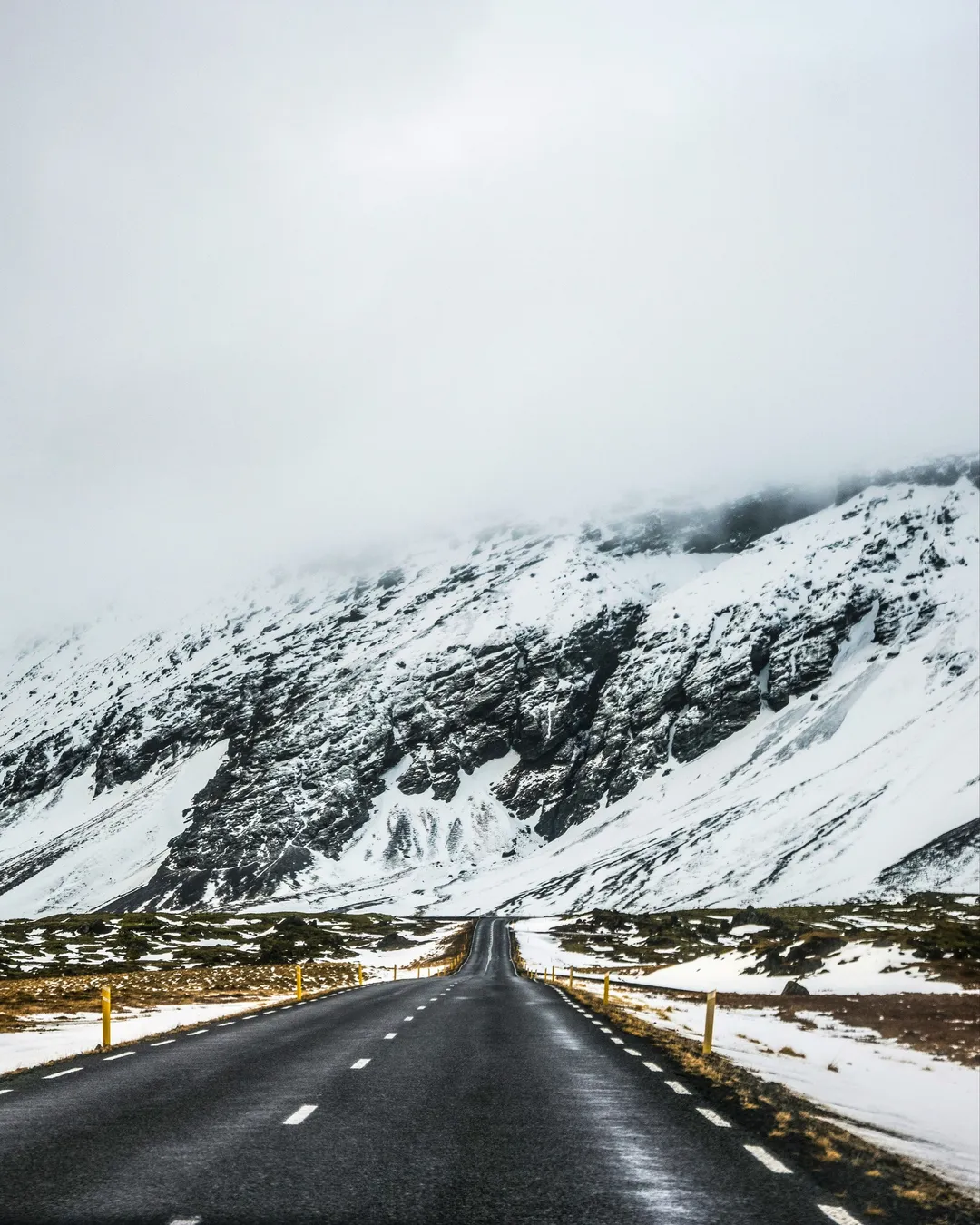
Is it dangerous to drive in Iceland? Icelandic roads can be challenging, especially in winter due to snow and ice. It is important to drive carefully and check road conditions.
What are the electrical outlets like in Iceland? Iceland uses European-style plugs (Type C and Type F) with a voltage of 230V and a frequency of 50Hz. You'll likely need a plug adapter and possibly a voltage converter for your US electronics.
What is the cell phone coverage like? Cell phone coverage is generally good in populated areas and along the Ring Road (Route 1). However, coverage can be spotty or nonexistent in remote areas and the Highlands.
Is the tap water safe to drink? Yes, Icelandic tap water is some of the purest in the world and is perfectly safe to drink.
What about emergency services? The emergency number in Iceland is 112 for police, fire, and ambulance.
Are there any health concerns I should be aware of? There are no specific health concerns unique to Iceland. However, it's always a good idea to have travel insurance that covers medical emergencies.
Trip Planning
When is the best time to visit Iceland? Iceland's beauty unfolds throughout the year, each season offering its unique charm. Summer (June-August) brings warm temperatures, ideal for hiking and exploring. Autumn (September-October) paints the landscapes with vibrant hues, while winter (November-February) transforms Iceland into a winter wonderland, perfect for chasing the Northern Lights. Spring (March-May) offers milder temperatures and fewer crowds.
How do I get to Iceland? Keflavík International Airport (KEF) is the main gateway to Iceland. Direct flights are available from major cities worldwide. Once you arrive, you can rent a car, join a guided tour, or utilize Iceland's efficient public transportation system.
How much does a trip to Iceland cost? Iceland is an expensive destination. Prices vary depending on the time of year, type of accommodation, and chosen activities.
What language is spoken in Iceland? Icelandic is the official language, but English is widely spoken, especially in tourist areas. Learning a few basic Icelandic phrases will enhance your experience and connect you with the local culture.
What kind of accommodation is available in Iceland? Iceland offers a diverse range of accommodation options, from cozy guesthouses and eco-friendly cabins to luxurious hotels and unique glamping experiences. Choose the one that suits your style and budget.
What should I pack for a trip to Iceland? Iceland's weather can be unpredictable, so pack layers of waterproof and windproof clothing. Comfortable hiking shoes, a warm hat, gloves, and sunglasses are essential. Don't forget your swimsuit for a soak in one of Iceland's many geothermal pools.
How do I get around Iceland? Renting a car provides flexibility and freedom to explore at your own pace. Guided tours offer a hassle-free option with the added benefit of local insights.
What are the opening hours of stores and businesses? Opening hours can vary, but generally, stores in Reykjavik are open from 10:00 am to 6:00 pm on weekdays and shorter hours on weekends. In smaller towns, hours may be more limited.
Other Frequently Asked Questions
What are the must-see places in Iceland? The Golden Circle, a popular tourist route, showcases Iceland's natural wonders, including Þingvellir National Park, Gullfoss waterfall, and Geysir geothermal area. Another must-see region is the South Coast with its famous waterfalls and the impressive Vatnajökull: Jökulsárlón Glacier Lagoon and Skaftafell National Park are must-visits. Explore the charming capital, Reykjavík, for museums, galleries, and vibrant nightlife. For a taste of Iceland's remote beauty, venture to the Westfjords, known for its rugged coastline, charming villages, and abundant wildlife.
What are some of the activities I can do in Iceland? Hiking, glacier walking, whale watching, caving: Iceland is a paradise for outdoor enthusiasts. Explore ice caves, relax in geothermal pools, or embark on a horseback riding adventure through the Icelandic countryside.
What is the food like in Iceland? Icelandic cuisine is fresh and flavorful, with seafood taking center stage. Sample delicacies like skyr (a yogurt-like dairy product), lamb, and Plokkfiskur, or “plokkari” (fish stew). Don't forget to try hákarl, fermented shark meat, for a daring culinary experience.
How do I stay safe in Iceland? Iceland is a generally safe country, but it's essential to be mindful of natural hazards like unpredictable weather and volcanic activity. Respect the environment, follow local customs, and drive cautiously on the roads.
What are some tips for traveling responsibly in Iceland? Respect Iceland's fragile natural environment by staying on designated trails, disposing of waste properly, and avoiding disturbing wildlife. Support local businesses, try traditional Icelandic cuisine, and learn about the country's rich culture and history.
How to see the Northern Lights? The Northern Lights are visible in Iceland from September to April, under clear and dark sky conditions.
Does Google Maps work in Iceland? Google Maps works, but it is also advisable to use other navigation apps and check road conditions.

Looking for things to do?
Go check out my guide for the best free things to do as well as itineraries and travel tips to make your trip unforgettable.