💡Japan Crowd Hacks to Beat the Crowds
Local tips from a Japan native and former travel pro on how to escape the crowds and enjoy the real Japan

Maya Tanaka
Japan

"How do I avoid the crowds?"
This is the number one question I get from travelers planning a trip to Japan...
As a Japan native with years of experience crafting itineraries at one of Japan’s leading travel agencies, I’m sharing my local insider strategies.
Read on to learn how to outsmart the crowds, travel like a pro, and create unforgettable memories in Japan✨
🍵How to use this guide:
I know the golden rule for avoiding crowds is
"get there at dawn" or "skip the famous spots."
But honestly I’m a traveler too...
If I go to Paris, I want to see the Eiffel Tower even if it's crowded, and there is no way I’m waking up at 5:00 AM every single day🥲
So, don’t feel like you have to follow every tip here. Just pick and choose what works for your trip.
Sometimes, the best part of traveling is ditching the plans and just going with the flow✈
Keep it low-pressure, use these hacks to outsmart the crowds when you need to, and just enjoy the ride. I hope this helps you travel a little smarter without losing the fun of being a tourist!!
⚠️ Know the Peak Travel Seasons
Famous spots are busy, but the real chaos hits when international crowds collide with local national holidays.
Know the dates, and you’ll save your trip!
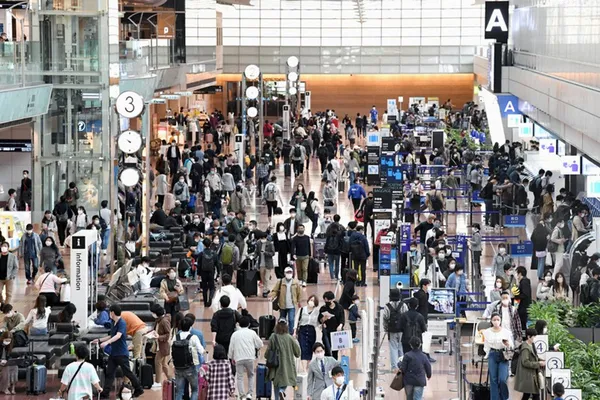
Unless you have a specific reason, avoid these peak periods:
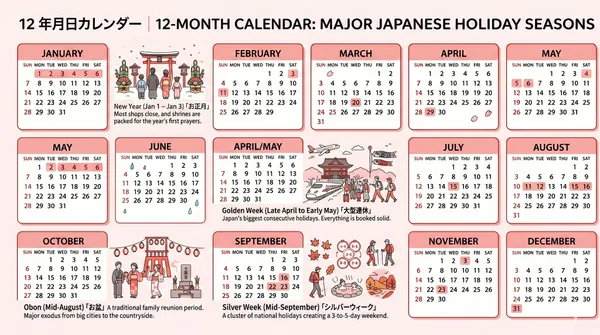
Golden Week (Late April to Early May): Japan’s biggest consecutive holidays.
Obon (Mid-August): A traditional family reunion period. Major exodus from big cities to the countryside.
Silver Week (Mid-September): A cluster of national holidays creating a 3-to-5-day weekend.
New Year (Dec 29 – Jan 3): Most shops close, and shrines are packed for the year's first prayers.
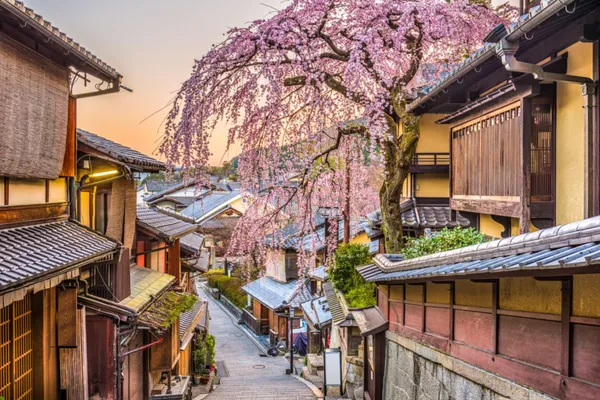
Cherry Blossom Season (Late March to Early April): The single busiest time of the year globally. Locals often do family travel during spring vacation around late March.
If you travel those seasons, early booking of transportations like Shinkansen and hotels are highly recommended.
💡 The Golden Rules of Crowd-Free Travel
1. Master the Weekly Cycle
Sat & Sun: Peak crowding (Local weekend).
Monday: Busy (Many museums close and it sometimes becomes a substitute holiday for weekend festivals).
Tue to Thu: The Best days to visit top attractions.
Friday: Crowds begin to build up
👉 Tip: Put your "must-see" spots on a Tuesday, Wednesday, or Thursday morning.
2. Shift Your Timeline
A slight shift in your daily routine makes a massive difference:
Sightseeing: Before 9:00 AM or after 5:00 PM.
Lunch: Before 11:00 AM or after 1:30 PM.
Cafes: Before 10:30 AM or after 4:30 PM.
Train Travel: Weekdays between 10:00 AM and 4:00 PM (completely avoids rush hour).
3. Use Google Maps
Check the "Popular Times" live graph on Google Maps before you walk out the door.
Also, type keywords like "wait time" or "crowd" into the review search bar to see what previous travelers experienced at that exact hour.
(I also often do this when I visit popular places!!)
4. Travel "Hands-Free" (Highly Recommended)
Dragging massive suitcases onto crowded subway lines or Kyoto city buses is a nightmare, and station lockers are sometimes full.
Use a Luggage Delivery Service (Takkyubin) to ship your bags directly from the airport to your hotel, or between hotels, for around $15–$20 per bag.
👉Locals often use Kuroneko Yamato
🗺️ Location-Specific Hacks
🗼 Tokyo
Senso-ji Temple (Asakusa): The main street (Nakamise)is getting crowded by noon. Go before 9:00AM and then, you can enjoy queit atmosphere and strolling with street food.
Shibuya Crossing : Instead of fighting the sea of people on the ground, get a bird's-eye view from SHIBUYA SKY or the lesser-known Magnet by SHIBUYA109.
For free night views, head to the Tokyo Metropolitan Government Building Observation Decks in Shinjuku, it’s much less crowded.✍Tip: Shibuya station is a massive maze, so give yourself an extra 15 minutes if you have a reservation!
Meiji Jingu Shrine & Harajuku: The standard route (Harajuku Station ➔ Shrine ➔ Takeshita Street) is a bottleneck. Instead, do the
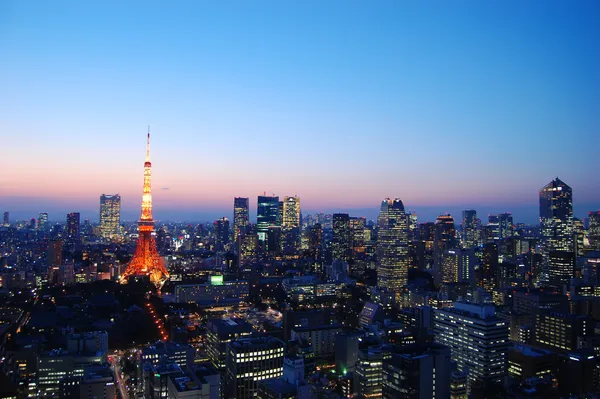
Reverse Route: Yoyogi Station ➔ Meiji Shrine ➔ Omotesando ➔ Harajuku. You’ll experience the peaceful forest first, then modern fashion, ending at the pop-culture hub.Tokyo Tower : Skip the long ticket lines to go up. The best view is actually from the grounds of the neighboring Zojoji Temple.
You get a beautiful contrast of a historic temple and the modern tower for free!🗼Gotokuji Temple (Lucky Cat Temple): On weekends, you might wait over an hour just to photograph the famous cat statues.
Go before 10:00 AM on a weekday for a completely peaceful experience.
⛩️ Kyoto
Fushimi Inari Shrine : Arrive between 6:30 AM and 8:00 AM to get the iconic orange torii gates all to yourself. Most tourists stop after the first few minutes and turn back, so if you hike up past the Okusha Shrine, the crowds will be vanish.
Kiyomizu-dera Temple & Sannen-zaka: Follow this exact morning schedule to survive:
7:30 AM: Kiyomizu-dera (beautiful morning air and empty balconies).
8:30 AM: Sannen-zaka & Ninen-zaka (shops are closed, but you get stunning, empty historic street photos).
10:00 AM: Leave the area just as the tour buses arrive.
Arashiyama Bamboo Grove : The main path is packed by 9:00 AM. Instead, pay a small entry fee for the adjacent Okochi Sanso Garden .
It is also beautiful and uncrowded. You can also head toward Giou-ji Temple for a peaceful moss-covered retreat.
🐙 Osaka
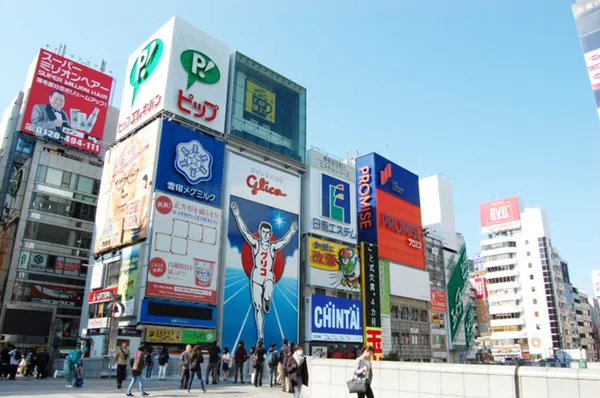
Dotonbori : If you want to get a solo photo with the famous Glico Running Man sign without anyone blocking your shot, visit there 7:30 AM and 9:00 AM.
Once you're done, walk over to Kuromon Market for an early seafood breakfast🍣Universal Studios Japan (USJ): If you visit USJ without Express Pass, my top3 advices are:
Arrive 60 to 120 minutes before the official opening time (they almost always open the gates early).
Sprint to the most popular rides in the first 2 hours.
After noon, relax and focus on shows, parades, and sit-down dining.
🌿 The Best "Crowd-Free" Alternative Destinations
If you want the classic Japanese aesthetic without the Tokyo/Kyoto crowds, swap a few days of your itinerary for these incredible hidden gems:
Kanazawa:
Known as "Little Kyoto," it's just 2.5 hours from Tokyo via bullet train. It offers beautifully preserved geisha districts, the stunning Kenrokuen Garden , and incredible fresh seafood at Omicho Market .✍Note: Many spots close on Mondays, so plan accordingly!
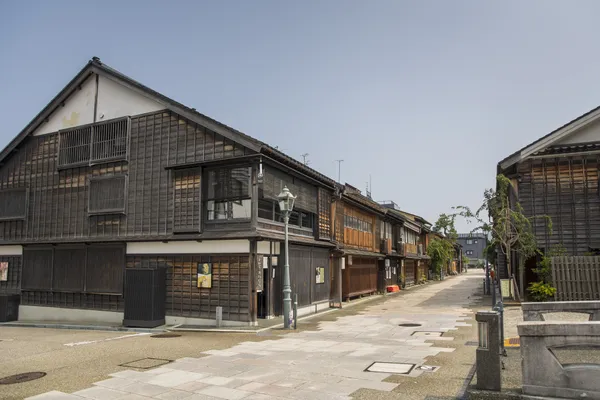
📍Sample Course: Kanazawa Sta. ➔ Omicho Market (Early Lunch) ➔ Kenrokuen Garden ➔ Higashi Chaya District (Teatime)
Takayama:
A gorgeous mountain town 2.5 hours from Nagoya.
It features Edo-period wooden streets, morning markets, and world-class Hida beef. It's also the perfect base for a day trip to the UNESCO village of Shirakawa-go Village .
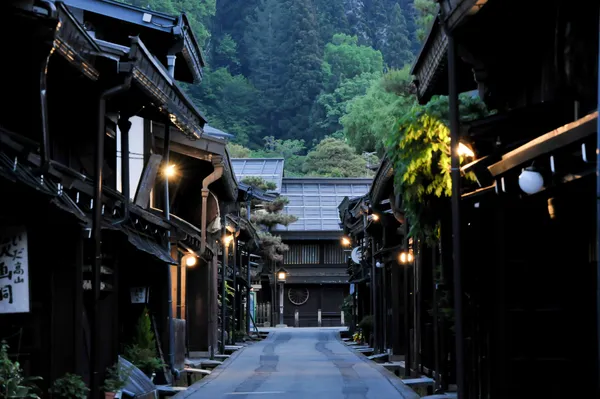
📍Sample Course: Takayama Sta. ➔ Miyagawa Morning Market ➔ Sanmachi Suji (Historic District) ➔ Hida Beef Lunch
Onomichi:
A nostalgic port town near Hiroshima.
Famous for its hillside temple walks, retro shopping arcades, and stunning views of the Seto Inland Sea. It’s also the starting point for the world-famous Shimanami Kaido cycling route🚲
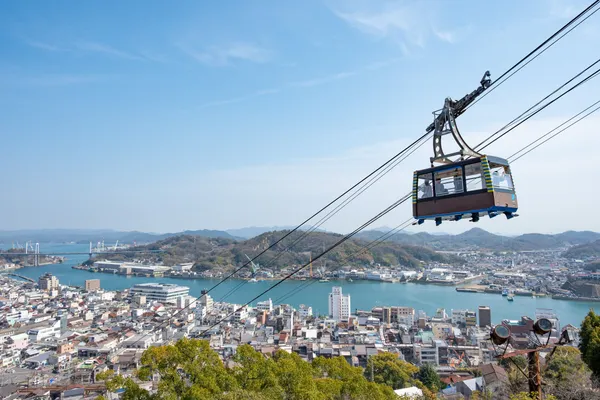
📍Sample Course: Onomichi Sta. ➔ Ropeway up to Senko-ji Temple ➔ Hillside Cat Alley Walk ➔ Retro Shopping Arcade
Kinosaki Onsen:
The traditional hot spring town, 2.5 hours from Kyoto.
Put on a yukata (cotton kimono) and stroll along a willow-lined river to visit 7 different public hot springs. It’s the perfect, relaxed alternative to Hakone or Mt. Fuji.
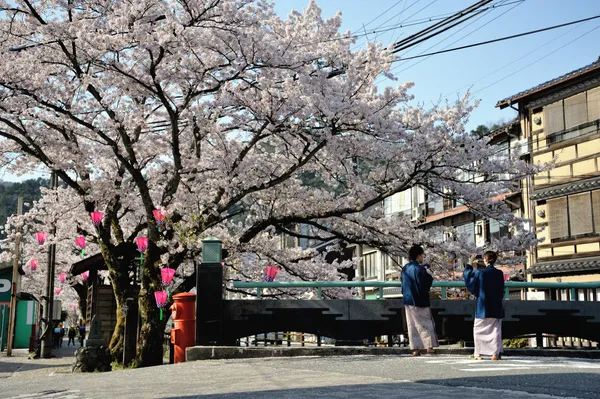
📍Sample Course: Kinosaki Onsen Sta. ➔ Ryokan Check-in (Get Yukata) ➔ Riverside Stroll ➔ Hot Spring Hopping (Soto-yu)
Kurashiki:
Located just outside Okayama, this town features a stunning historic canal district with white-walled storehouses.
At night, the area is beautifully illuminated, making it a romantic, crowd-free alternative to Kyoto.
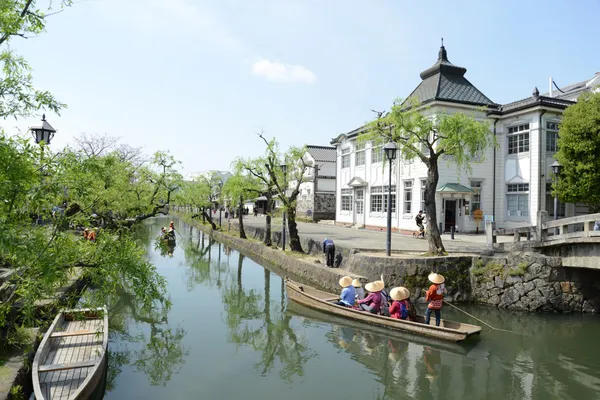
📍Sample Course: Kurashiki Sta. ➔ Kurashiki Bikan District ➔ Lunch & Cafe(fruit puffers are recommended) ➔ Canal Boat Ride or Night Illumination Stroll
Toyama :
Just 2 hours from Tokyo by bullet train.
Famous for the breathtaking Tateyama Kurobe Alpine Route (snow walls) and Toyama Bay's incredible seafood. It is highly modern, clean, and beautifully uncrowded.
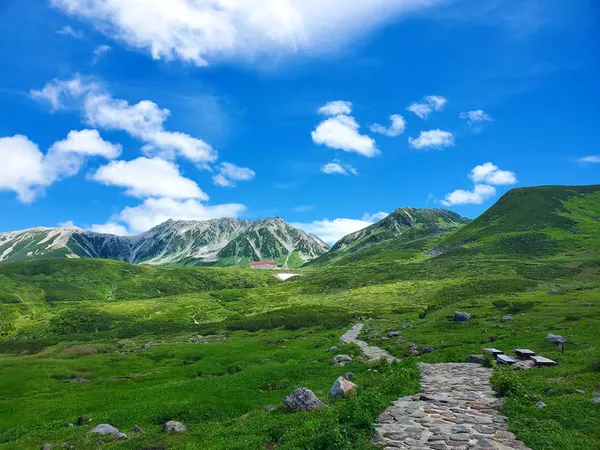
📍Sample Course: Toyama Sta. ➔ Fugan Canal Kansui Park (Stunning Starbucks) ➔ Toyama Glass Art Museum ➔ Iwase Historical District (Sake & Seafood)
Naoshima :
Japan’s famous "Art Island" in the Seto Inland Sea.
It’s a beautiful destination for contemporary art lovers, featuring world-famous museums designed by Tadao Ando and iconic pumpkin sculptures by Yayoi Kusama.
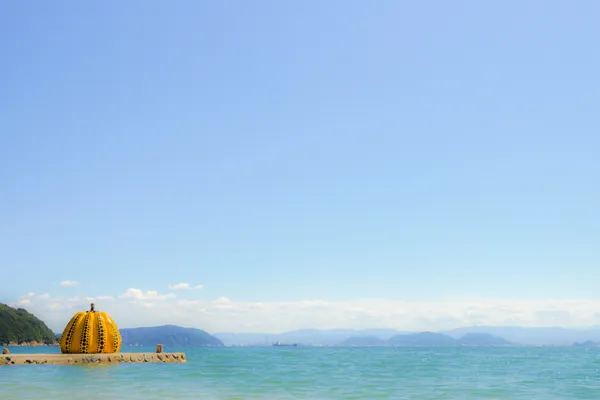
📍Sample Course: Uno Port or Takamatsu Port (Ferry) ➔ Miyanoura Port (Red Pumpkin) ➔ Chichu Art Museum ➔ Benesse House Museum
🏁 Summary
Start early (Beat the rush).
Get off one train station early and walk (Discover hidden local streets).
Do top-tier sightseeing on weekday mornings.
Combine one mega-city with one charming regional town.
Want to see more?
I have created curated maps, itineraries and more for travellers that want to travel like me.

Looking for things to do?
Go check out my guide for the best free things to do as well as itineraries and travel tips to make your trip unforgettable.