❌ 10 Mistakes First-Time Ireland Visitors Make
Review this list to avoid making common mistakes that could derail your trip to Ireland

Wesley Mergard
Ireland

🚗 Mistake 1: Underestimating how hard it is to drive on the left
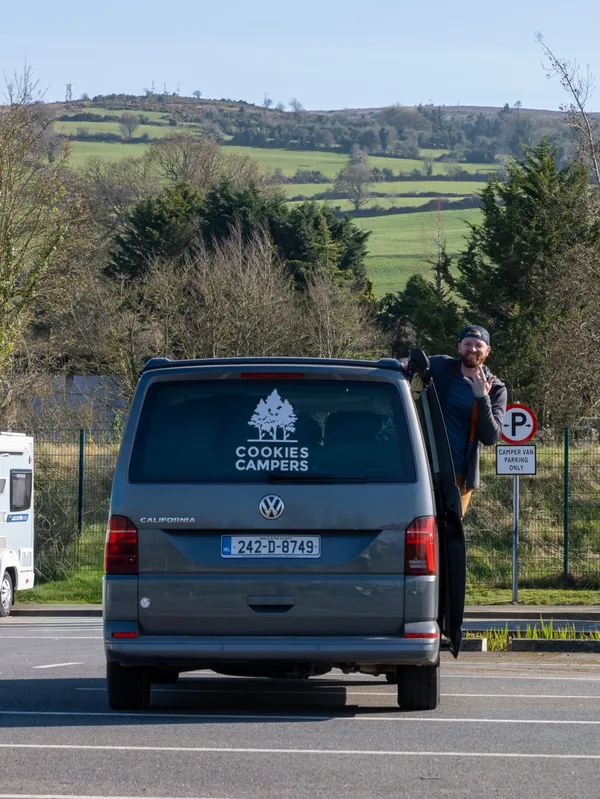
The problem: Ireland drives on the left with the steering wheel on the right. For American visitors, this reversal is disorienting in ways that go far beyond staying in the other lane. Rental companies report that scraped wing mirrors and curb-damaged tires are the most common tourist claims.
Key details:
The most dangerous moment is when the road is empty, not busy. Pulling out of a petrol station or hotel car park, muscle memory pulls you right.
Expect to hit the windshield wipers instead of the turn signal for the first day or two, as the controls are flipped.
Remember - the driver always sits closest to the center of the road.
"Tight left, wide right" - left turns stay in your lane, right turns cross traffic.
No turning on red, ever. Not left, not right. No exceptions.
It's best to spend a night or two in Dublin before hitting the road. Not only should you explore the Irish capital, but it allows you a chance to shake your jet lag and get some rest before focusing on completely new traffic patterns.
💰 Mistake 2: Getting blindsided by rental car insurance
The problem: Ireland's rental car insurance is a minefield that costs unprepared tourists hundreds or even thousands of euros. This is arguably the #1 financial trap for first-time visitors.
Key details:
CDW (Collision Damage Waiver) is included in base rates BUT comes with a €1,500-€3,000 excess (deductible). Standard CDW usually excludes tires, windshield/glass, underbody, and roof damage.
Critical for Americans: Many US credit cards (Visa, AmEx, Discover) specifically EXCLUDE Ireland from rental car insurance coverage. Only elite travel cards may cover Ireland. It's best to check with your card before traveling. Even then, you'll probably need a letter from them confirming the coverage to provide to your rental car agency.
If you decline Super CDW, a large credit card hold may be placed during your trip. Be sure to budget for this especially if your card doesn't have a high credit limit.
The M50 toll around Dublin is barrier-free. Overhead cameras photograph your plate. You must pay online by 8 PM the next day or face escalating penalties. Check with your rental agency for how they handle these charges.
If crossing into Northern Ireland, you must declare it when booking, as it may void insurance if undeclared.
Be sure to book an automatic transmission early as inventory for these is limited, manual is default. Choose the smallest car available since roads are narrow and don't forget to photograph the entire car before driving away!
🗺️ Mistake 3: Trying to see too much in too little time
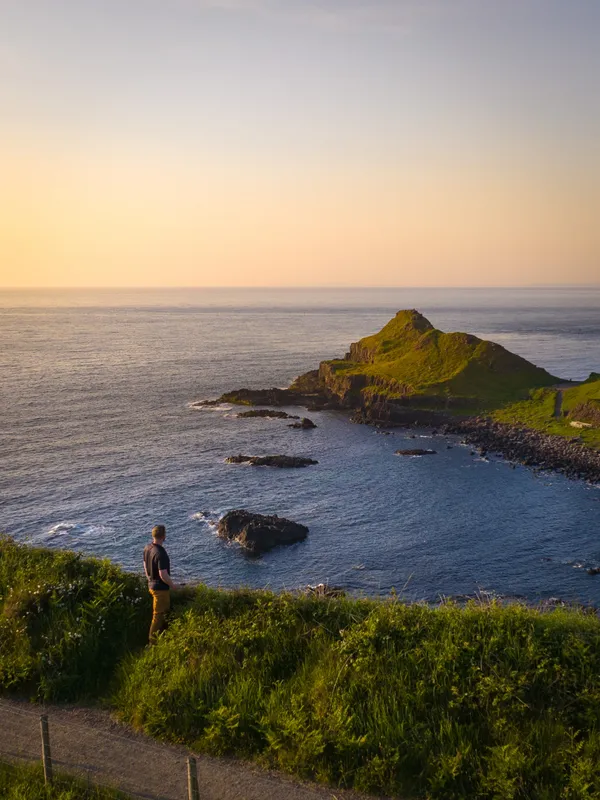
The problem: Ireland is deceptively small on a map (~300 miles north to south) but roads are slow. GPS consistently underestimates Irish driving times by 30-50%. Visitors try to cram Dublin, Galway, the Cliffs of Moher, Ring of Kerry, AND Belfast into 7 days and end up exhausted.
Key details:
Do not plan more than 3-4 hours of driving per day. The Wild Atlantic Way is not optimized for speed, it is meant for slowing down.
The Ring of Kerry's 179 km loop takes 6-8 hours with stops, not the 3.5 hours GPS suggests.
A 7-day trip works for one region only (e.g., just the southwest: Cork/Kerry/Clare). 10-12 days covers two regions. 14+ days covers three.
The hub strategy works best: stay 2-3 nights per base, take day trips. Avoid changing accommodations every night.
How to avoid it: Apply the 1.5x multiplier to any GPS estimate, particularly away from the highways you'll find near Dublin. Limit daily driving to 4 hours max. You could even try flying into one airport and out another (e.g., arrive Dublin, depart Shannon) to avoid backtracking.
🌦️ Mistake 4: Packing for the wrong weather
The problem: Ireland can see upwards of 200 rainy days per year, and "four seasons in one day" is literal. Yet tourists from sunnier climates arrive with cotton clothes, fashion sneakers, and umbrellas, all useless in horizontal Atlantic rain, wind and sometimes chilly 15°C (59°F) summer temperatures.
Key details:
It will rain and wind chill can make temperatures feel another 5-10 degrees colder.
Rain rarely lasts all day. Anticipate spotty showers on rainy days and do your best to budget time outdoors during the dry windows.
The #1 forgotten item: waterproof pants. Rain jackets get packed, rain pants don't. While we're on the subject, water resistant boots are also great for exploring.
Umbrellas are nearly useless as Irish rain is often horizontal. Cotton absorbs moisture and takes hours to dry. Jeans are the worst offender.
How to avoid it: Pack the three-layer system: moisture-wicking base layer (NOT cotton), fleece mid-layer, and a truly waterproof, windproof jacket with a hood. Waterproof shoes or boots are essential. Quick-dry pants instead of jeans. Ireland is casual, even Michelin restaurants are unlikely to require formal wear.
❌ Mistake 5: Falling for tourist traps (and missing what's better)
The problem: First-timers cluster at overcrowded, overpriced hotspots while better alternatives sit 10 minutes away, often free.
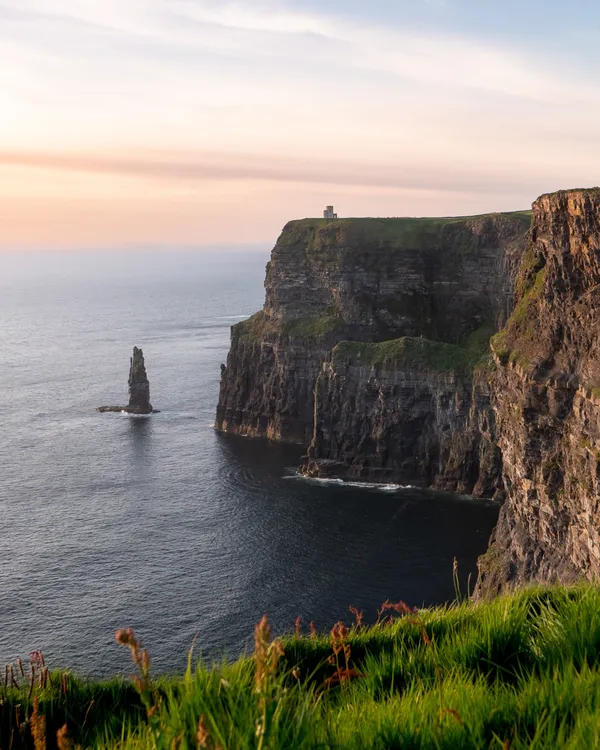
How to avoid it: Arrive at any major attraction (like the Cliffs of Moher) before 9:30 AM or after 4 PM. Tour buses create a 5-hour crush between 10 AM and 3 PM. Travel shoulder season (May or September), Tuesday-Thursday.
When targeting major tourist attractions, be sure to reference the map I've created to find tons of hidden gems in the surrounding area to fill out your day!
🍽️ Mistake 6: Not understanding how Irish dining works
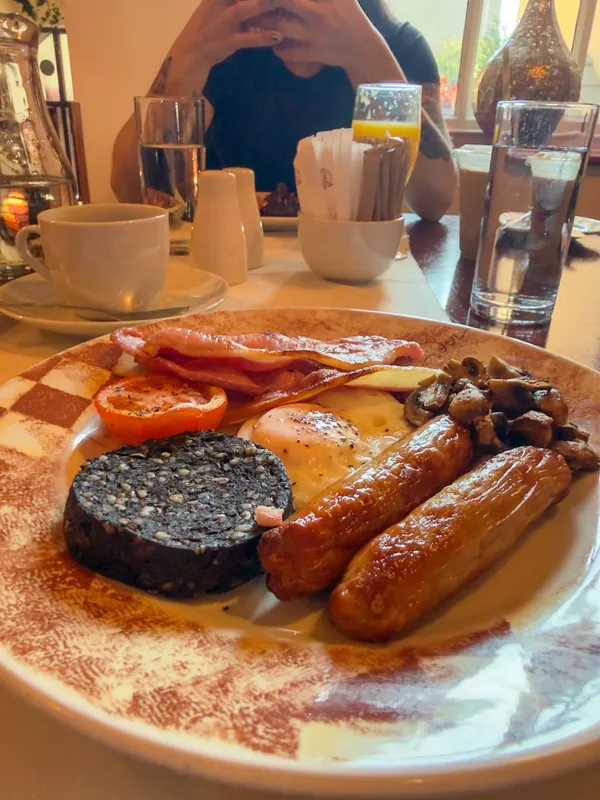
The problem: American visitors show up for dinner at 8:30 PM in a small town and find every kitchen closed. They over-tip at the bar and don't know what a carvery is.
Key details:
Pub kitchens in small towns stop serving by 8:30-9:00 PM, sometimes earlier. Even city restaurants take last orders by 9:45 PM.
Monday closures are extremely common. In a small town on a Monday evening, you may find zero options.
The carvery is Ireland's most underrated dining experience: freshly carved roast meat + self-service sides for a great price.
Water is not automatically served. If asked "still or sparkling?" they're selling you bottled. Say "tap water, please" or you might have surprise charges on your bill.
The bill never arrives unsolicited, be sure to ask for the check when you're ready to pay.
How to avoid it: Make dinner reservations, especially weekends if you know where you'll be staying that evening. Be sure to scout restaurant options before arriving in town and be wary about showing up past 7:00PM in small towns expecting to eat.
Even if a restaurant lists their hours beyond this time, the kitchen may close earlier.
💵 Mistake 7: Tipping like you're in America
The problem: Americans over-tip out of habit, creating awkward moments and wasting money. When preparing to tip on a credit card, you'll need to tell the server the total amount to charge your card before they run it. It's easy to miss your opportunity to tip!
Key details:
Irish hospitality workers earn full minimum wage. Tips are a bonus, not survival.
Restaurants: 10-15% if service was good and no service charge is already included. 10% is perfectly acceptable.
Taxis: Round up to the nearest euro or two for a short trip and up to the standard 10% for something longer.
Cash tips preferred, as card tips may be pooled. Tipping on a card is still perfectly acceptable.
How to avoid it: The most important thing to remember when tipping in a restaurant on a card here is that you'll need to tell the server you wish to tip. There won't be a line on the receipt to write your tip, be sure to indicate the tip amount before handing the server your card.
👋🏼 Mistake 8: Committing cultural faux pas that offend locals
The problem: Confusing Ireland with Britain, using Hollywood stereotypes, and ordering the wrong drink can stop conversations cold.
Key details:
Never call Ireland "British" or part of the UK. 26 of 32 counties have been an independent republic for over 100 years.
"Top o' the morning" is a Hollywood myth. No one in Ireland says this. Say "What's the craic?" instead.
"St. Patty's Day" is WRONG. The correct diminutive is "Paddy's Day" (Patrick to Paddy, not Patty). I learned this one the hard way while visiting Dublin over Paddy's Day.
Never order an "Irish Car Bomb" cocktail. It references real tragedies and will stop conversation immediately. The same goes for ordering a 'black and tan.'
Round-buying in pubs is sacred. If someone buys you a drink, you must return the favor when it's your turn.
How to avoid it: The Republic and Northern Ireland are two separate countries on one island with different currencies, governments, and measuring systems.
☀️ Mistake 9: Ignoring timing, seasons, and Ireland's extraordinary daylight
The problem: Visitors arrive in peak July without advance bookings, hit every attraction at the worst midday window, and never realize Ireland has 17+ hours of daylight in summer, or only 8 in winter.
Key details:
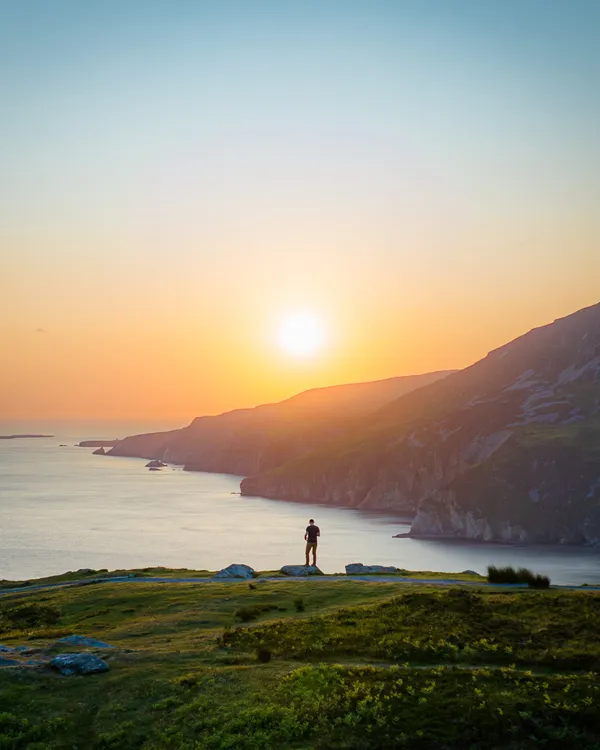
Summer solstice (June 21): up to 17-18 hours of daylight. Light from ~4:30 AM to ~10:30 PM.
Winter: only ~8 hours of daylight, compressing sightseeing into a tiny window.
Best overall months: May-June and September. Mild weather, long days, fewer crowds, lower prices.
Advance booking is essential for some sites: Newgrange (sells out 30 days ahead), Kilmainham Gaol (28 days ahead), Guinness Storehouse, Skellig Michael (180 visitors/day max).
Rainy/overcast days dramatically reduce crowds even in peak season. Embrace them.
Only trust 24-48 hour weather forecasts, conditions can change quickly.
How to avoid it: Travel May/June or September. Visit attractions at opening (before 9 AM) or in golden hour (after 4 PM). Book major attractions 30 days ahead. Use the extraordinary summer daylight to your advantage, as a 7 PM arrival at the Cliffs of Moher delivers stunning light and near-emptiness.
Pro tip: Since many restaurants stop serving food early, consider having dinner and then heading back out for one more sightseeing adventure before calling it a night. This strategy is especially useful for places like the Cliffs of Moher or The Giant's Causeway.
📲 Mistake 10: GPS and Connectivity Failures
The problem: Tourists burn through data, lose GPS signal on remote roads, pay the wrong currency, and miss the M50 toll.
Key details:
Mobile coverage is patchy in many rural areas: Connemara, west Kerry, Donegal, and mountain areas have dead zones.
Northern Ireland uses UK networks. An EU eSIM may NOT work there. Buy a plan that explicitly includes UK coverage if crossing the border.
Republic of Ireland uses Euro, Northern Ireland uses British Pounds. Cards work nearly everywhere, but carry some cash and be mindful of the currency switch if traveling near the border.
American Express is NOT widely accepted. Bring Visa or Mastercard with no foreign transaction fees.
GPS underestimates driving times and may route you down narrow country roads barely wide enough for your car.
Sometimes you'll pop in GPS directions to get you over to a remote part of Ireland to do some sightseeing. Only to realize you can't get enough service from this location to reach your next destination.
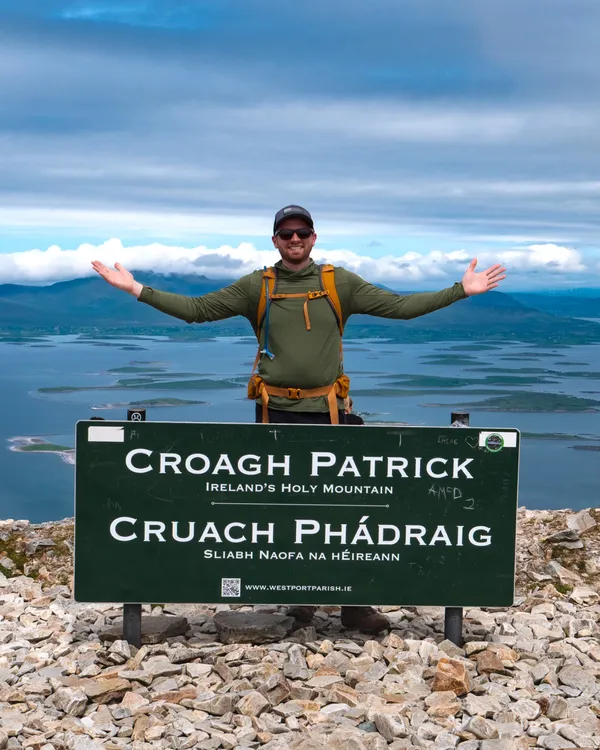
Downloading offline maps, and preemptively entering directions or studying the full route can help prevent unexpected GPS related problems.
Want to see more?
I have created curated maps, itineraries and more for travellers that want to travel like me.

Looking for things to do?
Go check out my guide for the best free things to do as well as itineraries and travel tips to make your trip unforgettable.