Driving in Iceland: What You Need to Know
Everything to know before getting behind the wheel

Under Northern Skies
Iceland

Driving in Iceland is one of the best ways to explore the country...but it can also be the most challenging!
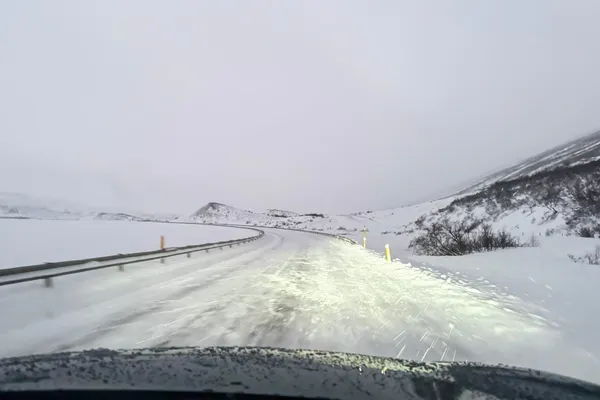
The weather can change in an instant, and roads can go from clear with great visibility to snowy and barely able to see 2 metres in front of you! And yes, we'll be honest, it can be a little scary at times, so it's important to know how to prepare.
But the good news is that it's actually very manageable if you know what to expect. We've driven in Iceland in summer, spring, and also the depths of mid-winter in the north, where we've had some very questionable weather, so hopefully these tips give you a bit more of what to expect.
1. HIRING A CAR
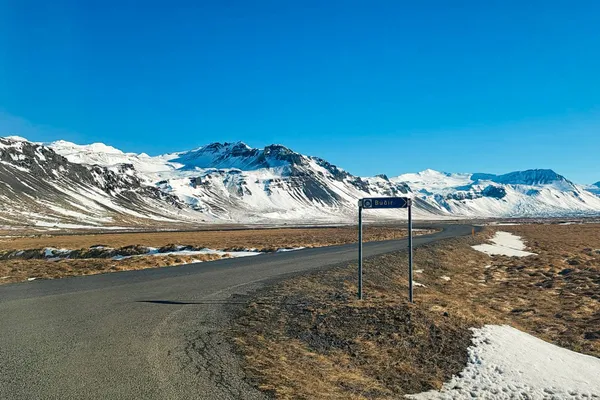
There are a few things you need to know before hiring a car in Iceland. The minimum driving age is 17, but most rental companies require you to be 20-23 (this varies by car type).
You'll need a full, valid driving license, and if it's not in Latin characters, you may need an International Drivers Permit (IDP)
We always use the company below whenever we hire a car to find the best deals.
👉 Save up to 70% with this link.
2. ROAD TYPES
You’ll mainly come across:
Paved roads → easy to drive, most main routes
Gravel roads → slower, more caution needed
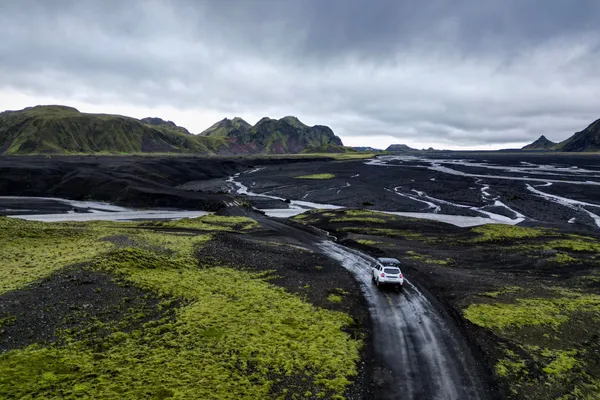
F-roads → rough mountain roads. These are only suitable for 4x4 vehicles when the open in summer and are closed throughout the winter months. They can also sometimes involve river crossings, which can be quite unnerving.
If you’re unsure, just avoid F-roads entirely.
3. WEATHER CHANGES EVERYTHING
Conditions can shift quickly, even within the same day, and a sunny drive can turn into a windy, blustery one.
We always recommend checking this app before you set off, as it lists all road closures and conditions around the island.
Always monitor the conditions, and don’t push on it if it feels unsafe.
4. DISTANCES CAN BE DECEPTIVE
What looks like a short drive on Google Maps often takes longer in reality.
This is often due to road conditions, slower speed limits, weather, or simply because the scenery is beautiful and you want to stop every 5 minutes (we don't blame you!)
So, we usually recommend planning fewer stops and giving yourself extra time, especially if you have a long journey ahead.
5. FUEL & FACILITIES
Petrol stations can be spaced out, especially outside busier areas.
In our experience, the place you'll need to keep the most eye on when it comes to fuel is the Eastfjords and the North.
Once you pass Jokulsarlon, the fuel stations are very spread out and often in the middle of nowhere.
Our advice would be to top up your car to full every time you see a petrol station, because, honestly, you don't know where your next one will be. The last thing you want is to end up stranded in the middle of nowhere with no fuel!
So, never let your tank get too low!
WANT MORE DETAILED DRIVING GUIDES?
If you want to feel fully confident before getting behind the wheel, we’ve put together more in-depth guides covering everything you need to know:

Looking for things to do?
Go check out my guide for the best free things to do as well as itineraries and travel tips to make your trip unforgettable.