First Time Visiting Yakushima: 7 Things I Wish I Knew Before Going
Yakushima is one of the most beautiful places in Japan. It is also one of the most difficult.

Tony Xia
Rural Travels, Japan

Out of all the destinations I’ve traveled to across Japan, Yakushima ranks near the top in terms of planning difficulty. Even Japanese people often struggle planning for Yakushima. Which is why I am writing this article. Below are seven essential tips for anyone planning a trip to Yakushima.
1. Mind the Weather
Ferry and flight services are often suspended because of unstable weather conditions.
I planned a trip in 2019 and had to cancel due to a typhoon
I planned again in 2023 and had 15% chance of landing due to poor visibility
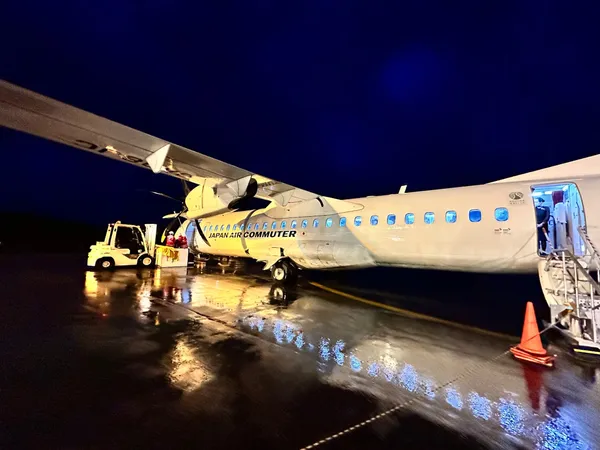
On April 21, 2023, out of seven possible flights, only one landed. Ours. By the time we arrived, it was already 7 p.m., and every rental car shop had closed. Out of desperation, we called the most local shop we could find and asked the owner if she could help us. To our surprise, she did. She came to pick us up herself and even offered us a car at a discounted rate. You shouldn’t expect this level of generosity everywhere, but moments like this are exactly why Japan is so special, and why I’ve fallen in love with this country.
2. Expect Generosity, Not English
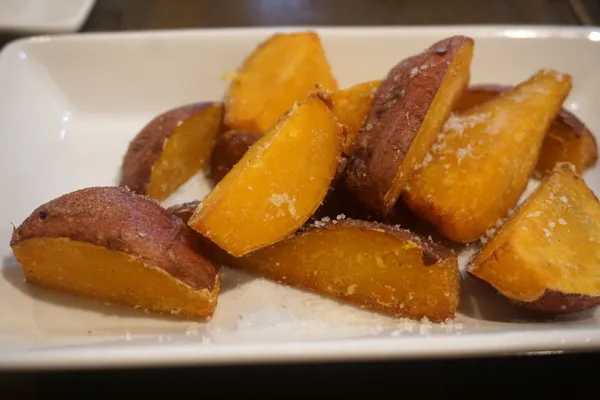
People on Yakushima are warm, generous, and patient. However, English is limited. One afternoon, we stepped into a small sweets shop and were handed free cakes. “These won’t sell today. Take them home and enjoy,” the owner told us in Japanese. Then she began sharing her story — how she left a salaryman job in Tokyo to live on this island, working in a quiet confectionery shop, with not a single regret.
3. Trails Are Easy to Get Lost On
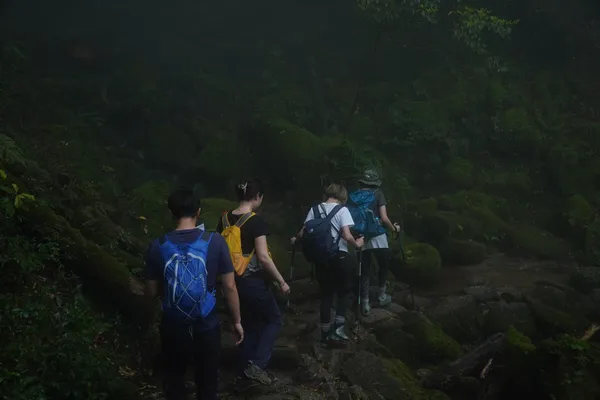
Rain and fog reduce visibility, the forests are dense, and everything begins to look the same. What makes Yakushima so incredible is also what makes it challenging. It’s raw, pristine nature — ancient moss-covered forests and trees that are thousands of years old. That’s what makes it awe-inspiring. But it also means there are fewer signs, and it’s easier to lose your sense of direction. The atmosphere was unreal — but you have to stay alert.
Study the trail in advance.
Carry a physical map.
And don’t underestimate the conditions.
4. Eating May Be Prohibited
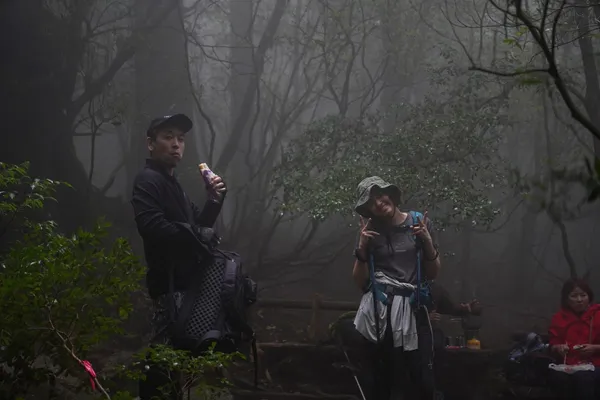
On Yakushima, eating and drinking in popular tourist areas is discouraged, as it can lead to crowd congestion. We were hiking through the forest often associated with Princess Mononoke, heading toward a famous rock with an incredible view. Midway through the trail, we stopped for lunch — only to be told that eating was not allowed in that zone. By the time we found out, it was too late to turn back, so we had to continue hiking hungry.
5. Things You Must Know Before You Go
(From the Ministry of the Environment & Local Authorities)
These are non-negotiable on Yakushima:
① Never feed wild animals
While you are highly likely to encounter monkeys and deer, feeding them is illegal. Changes in their behavior caused by human feeding can lead to serious problems. Animals that become dependent on human food may attack people or cause damage to crops.
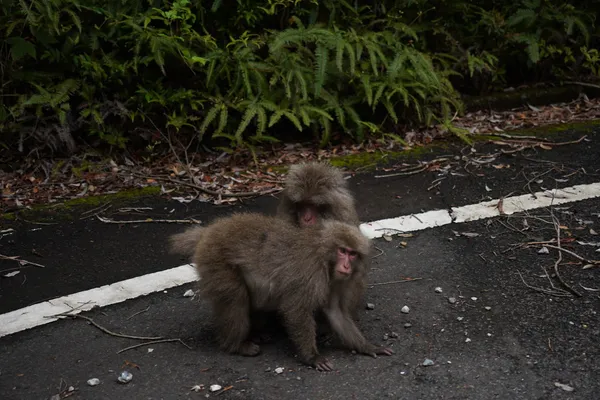
② Keep at least 10 meters distance from animals
Even if they seem calm. They are wild.
③ Always carry rainwear, headlamp, food, proper clothing
Weather changes suddenly—even on day hikes.
④ Submit a trekking registration form
This helps rescue teams locate you if something goes wrong.
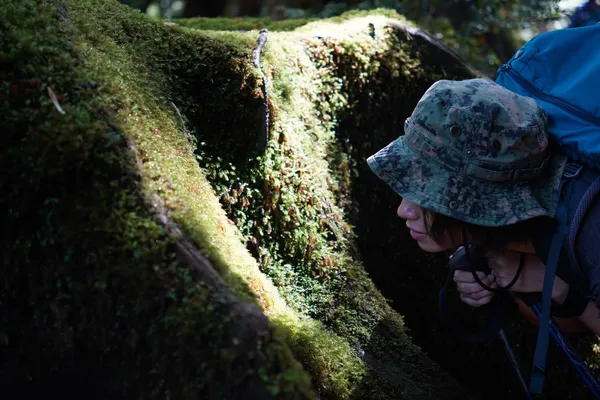
⑤ Protect the moss and take all leftovers home
Do not step on moss. Stay on trails. Take all trash and food scraps with you.
6. Even Popular Trails Can Be Quite Dangerous
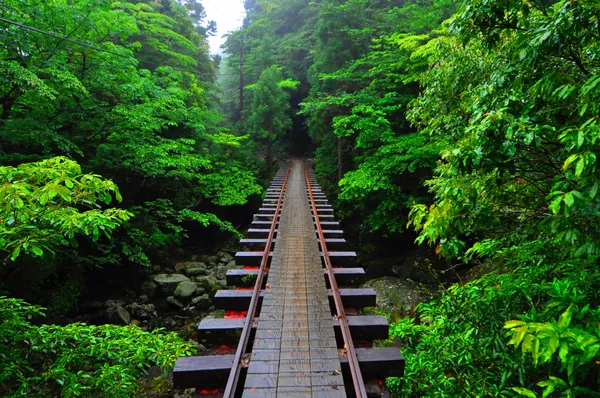
Even on well-known routes like the Yakusugi trails, conditions can be surprisingly dangerous. The paths are often extremely slippery, sections follow old railway tracks, and some wooden bridges are narrow and exposed. In some areas, there are no safety rails at all. A fall in certain sections could be fatal, with little chance of immediate rescue.
The Yakusugi trail in particular is usually crowded and often hiked early in the morning, when thick fog and frequent rain make the surfaces even more slippery. The first time I walked this route, I was shocked by how open the views were with no fences separating you from a drop of more than five meters, a river rushing below. It was beautiful, but also genuinely intimidating.
By the way, these railways were used for mine carts back in the days.
7. Going With a Guide Can Change Everything
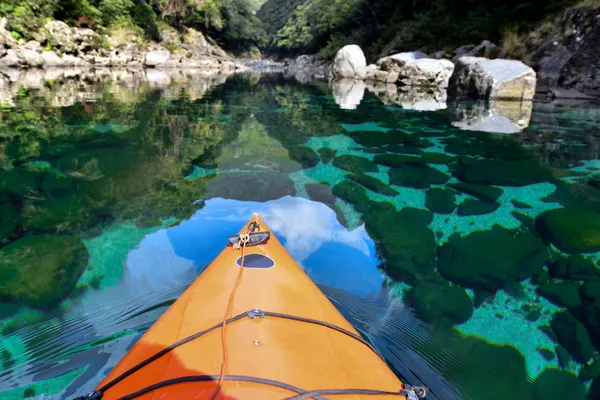
If you’re feeling unsure or want deeper access into Yakushima’s wilderness, hiring a guide is highly recommended. Many friends who visit the island tell me their most memorable experiences were guided sawanobori (stream-climbing) routes or exploring completely unmarked areas that only experienced guides know.
These experiences feel like true exploration. Some of my friends who work as guides have told me this is a preferred style of adventure for high-profile individuals in Japan who want to genuinely immerse themselves in nature.
The adventure is real. With tents packed, these expeditions can last up to a week in the wild. The deeper you go, the more rewarding it becomes. But trust me — never attempt these routes alone. You will almost certainly lose your way, and rescue operations in such terrain are extremely difficult.
Good luck and have fun in Yakushima!

Looking for things to do?
Go check out my guide for the best free things to do as well as itineraries and travel tips to make your trip unforgettable.