The Best and Worst Time to Visit Japan in 2026
For anyone looking to avoid stress of overcrowding or high prices.

Tony Xia
Rural Travels, Japan

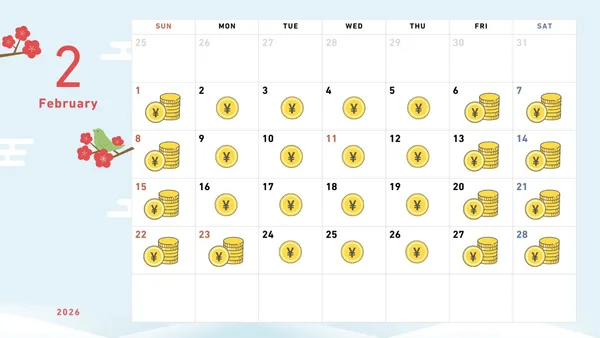
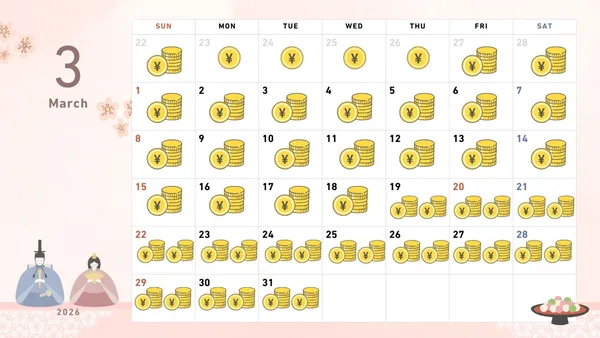
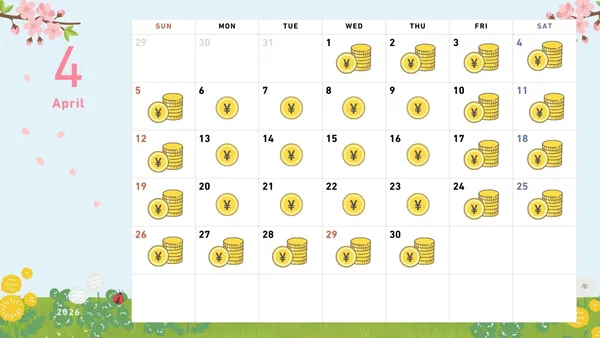
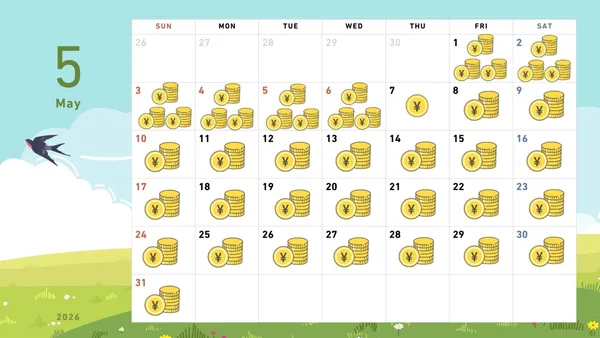
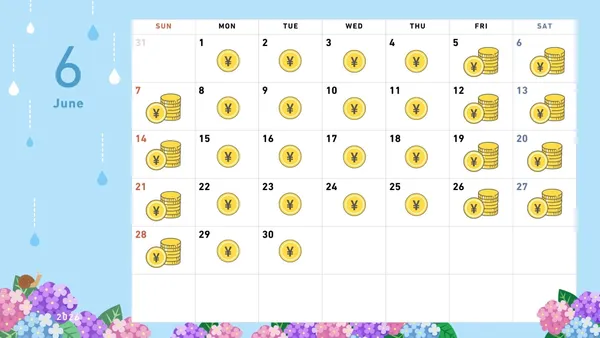
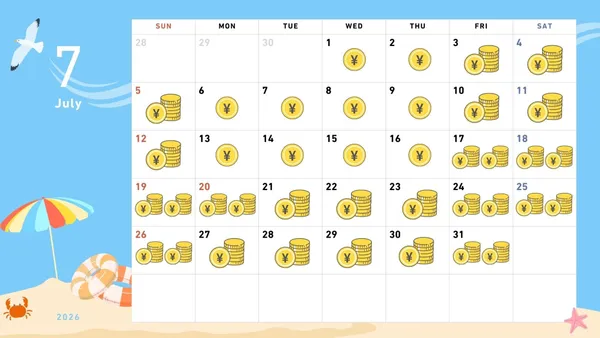
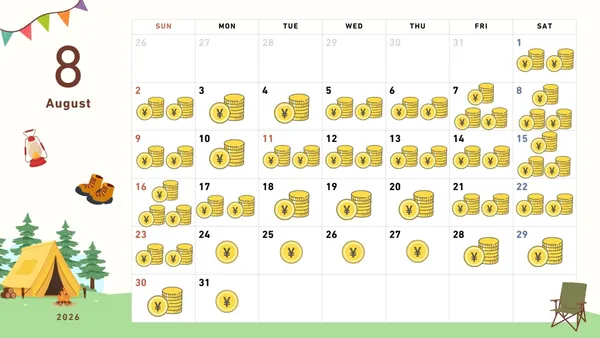
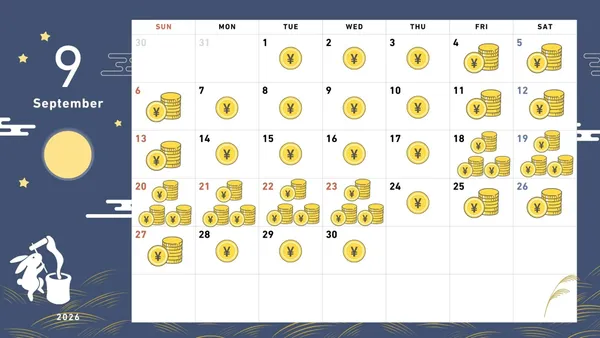
To provide the most accurate guidance, we use the official JR calendar, which follows Japan Rail’s flexible pricing model. This allows us to clearly identify the best and busiest times to visit Japan, with prices reflecting demand based on historical data for each date.
* Coverage begins in February due to timing of the initial release.
January–Early March
This is generally the low season for travel in Japan, except for ski destinations. If skiing is your goal, winter here is incredible. Places like Nagano, Tohoku, and Hokkaido have some of the best powder snow in the world. It can be expensive during peak ski season, but the quality is genuinely worth it.
If you’re not skiing, this is still a great time to travel quietly. Japan has over 3,000 onsen, and winter is when they’re at their best. Areas around Mount Fuji are also beautiful and calm this time of year. January and February are especially good for budget travelers, as prices stay low until cherry blossom season and spring break, which usually kicks in toward the second half of March (New Year holidays aside).
My Recommended Experiences for January - Early March:
1) Akita Hachimantai Snow Resort
2) Shiramine Snow Village
Late March–April
This is when Japan gets busy. Late March to early April is peak season, mainly because of cherry blossoms and inbound tourism. Parks are packed, trains are full, and prices go up fast.
If you still want to travel during this time, I usually recommend avoiding the major cities and heading to higher-altitude or rural areas like Yamanashi, where blossoms bloom later, around mid-to-late April.
My personal favorite window here is after the first week of April. Cherry blossoms are often still around, but schools and offices have restarted, so people are suddenly too busy to travel. The weather is comfortable, not cold anymore and not yet humid. Just expect some rain and wind since it’s a seasonal transition.
Golden Week (late April to early May) is something I generally avoid unless plans are locked in far ahead.
My Recommended Experiences for Late March - April:
1) Minobu Temple Stay near Mt. Fuji
May–Mid July
This is honestly my favorite time to travel in Japan, and it’s still surprisingly underrated. Once Golden Week is over, things calm down quickly. Weekdays in particular are quiet, prices drop, and the weather is ideal.
Nature really comes alive during this period. Fresh greenery, flowers, long daylight hours, and warm temperatures without the heavy summer humidity. Schools are still in session, and many people have just spent a lot during Golden Week, so travel demand stays low. If I had to recommend one “safe bet” season to most people, this would be it.
My Recommended Experiences for May - Mid July:
1) Yoshino & Kumano Kodo Pilgrimage (Coming Soon)
2) Wazuka Tea Plantation
July–August
Summer in Japan is hot and humid, and it’s also when families travel because of school holidays. If you’re visiting during this time, my advice is simple: change altitude or change latitude.
Go north to Hokkaido, or head into the mountains like Nagano or the Japan Alps. Festivals like Nebuta in Aomori are amazing culturally, but they do get crowded.
If possible, I’d aim for late August, especially after Obon (mid-August), when most people take their longest holidays. Late August is still hot, but it’s noticeably less crowded. Personally, this is when I prefer to be in Hokkaido or higher elevations. Beaches are also very popular with families, and Japan’s beach houses are a unique cultural experience if that’s your thing.
My Recommended Experiences for July - August:
1) Nagano Waterfall Training (Coming Soon)
2) Pearl Diving
September–October
Early September can still feel like summer, but as the month goes on, the weather cools and autumn starts to show. Fall colors begin earlier in places like Tohoku and Hokkaido.
There are a few long weekends during this period, and those can get busy, so I usually avoid traveling on those exact dates. Outside of that, this is another underrated season, especially if you enjoy nature, photography, and seasonal food. Autumn is harvest season, and anyone serious about food usually plans their best food trips around this time.
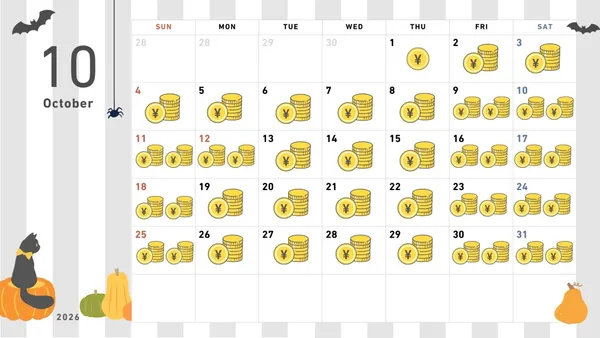
My Recommended Experiences for Septemeber - October:
1) Food & Harvest Tours in Mie
November–December
November is peak autumn foliage across much of Japan, and it’s beautiful, but it can also be busy. That said, late November is one of my favorite travel windows. By then, most people feel like they’ve already “done” autumn and are saving up for December holidays, so crowds thin out.
I often plan my own longer trips from late November to early December. Prices are reasonable, the scenery is still great, and things feel calm.
Japan doesn’t really travel much for Christmas itself. December 24 and 25 are more about city dates than holidays. The real rush starts around December 28–29, when schools close and people take year-end breaks. That’s when prices jump again.
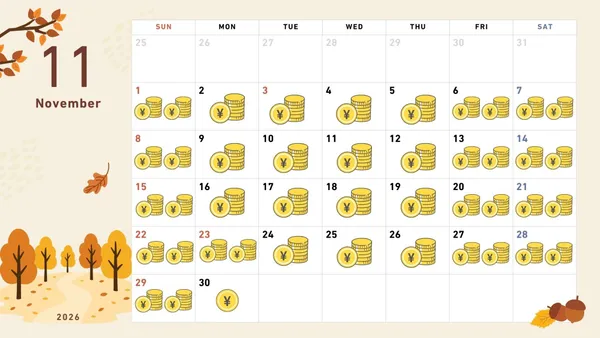
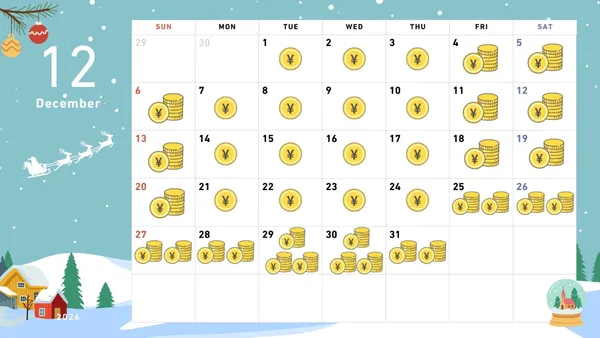
My Recommended Experiences:
1) Food Tours in Mie
Summary of Peak Travel Periods to Avoid
These are the most crowded times of the year. Travel during these dates requires advance planning.
May 1–May 6 (Golden Week)
August 7–8, 15–16 (Summer holidays)
September 18–23 (Silver Week)
December 29–30 (Year-end travel)
Anyways, thanks for reading till the end. Now you know exactly when to plan your trip to Japan. Good luck, and have fun traveling in Japan!
My recommended destinations and tours.

Looking for things to do?
Go check out my guide for the best free things to do as well as itineraries and travel tips to make your trip unforgettable.