Southwest Leave No Trace Guide
How to Explore Desert Landscapes, Tribal Homelands & Public Lands Responsibly

Ashley Goes Hiking
Southern Arizona , United States
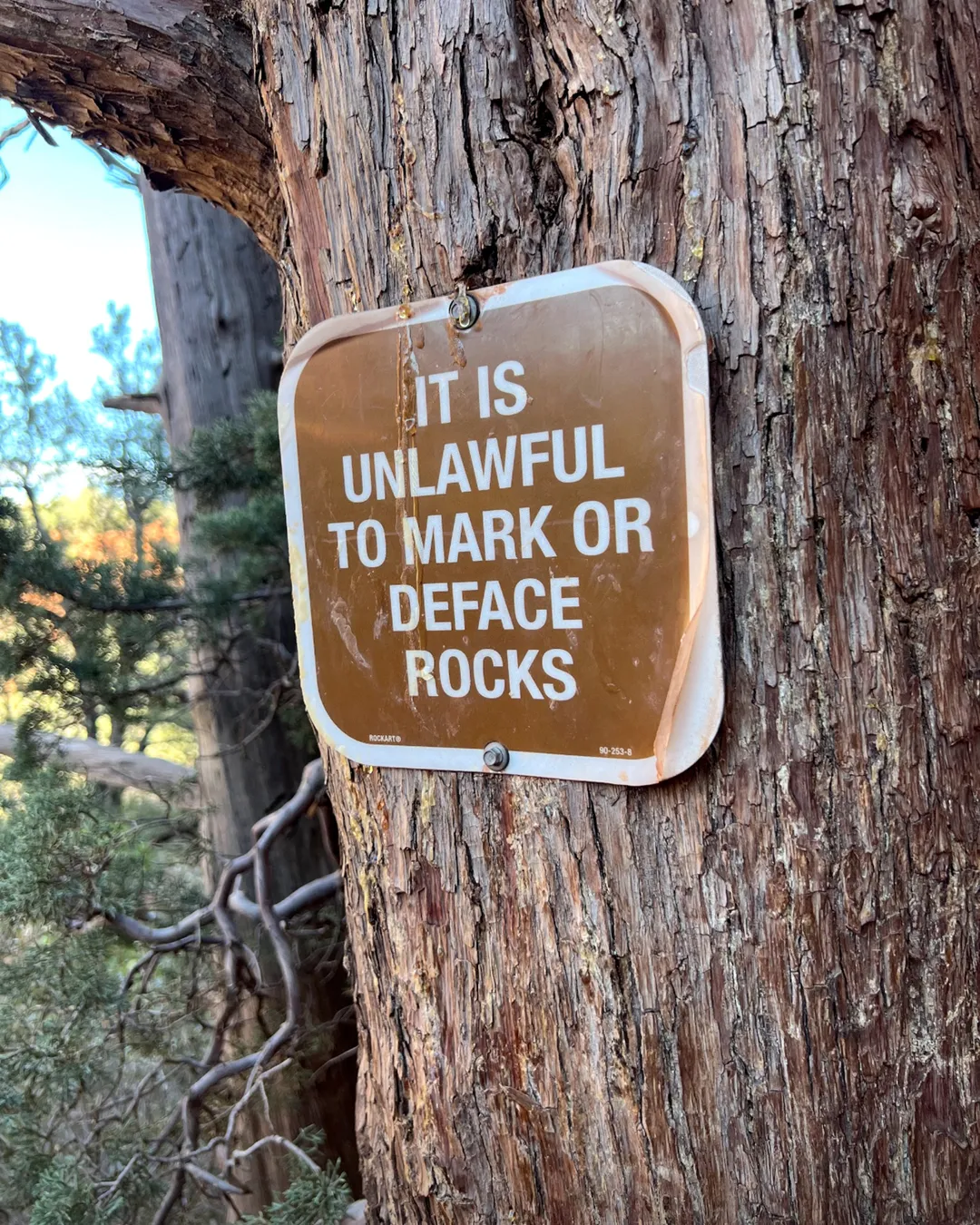
The Southwest is one of the most fragile landscapes on Earth and is home to ancient cultural sites, cryptobiotic soil crusts, endangered plants, dry washes that flood without warning, and wildlife uniquely adapted to heat and drought. Leave No Trace takes on an even deeper meaning here, where a single footprint can last for decades and one careless action can harm both ecosystems and cultural heritage.
This guide applies the 7 Leave No Trace Principles, adapted specifically for the deserts, canyons, mountains, and cultural sites of the Southwest.
1. Plan Ahead & Prepare
Know the Land You’re Entering
The Southwest includes Tribal lands, National Parks, State Parks, BLM land, National Forests, and wilderness areas—all with different rules.
Plan for:
extreme heat (May–September)
flash floods in monsoon season
limited shade
no cell service in canyon areas
permit systems for high-use areas (Havasu Falls, Arches, Coyote Buttes, The Wave, Narrows, Angels Landing, etc.)
Know Whose Homeland You’re In
Much of the Southwest overlaps with the ancestral and current homelands of Indigenous Nations including the Navajo (Diné), Hopi, Zuni, Tohono O’odham, Ute Mountain Ute, Hualapai, Havasupai, Southern Paiute, Yavapai, Apache tribes, Pueblo communities, and O’odham and Yaqui homelands in the Sonoran Desert.
Understanding this context adds respect and responsibility to your visit.
Always Bring More Than You Think
Water: 1 gallon per person per day minimum
Electrolytes
Sun protection (UPF layers, hats, sunscreen)
Emergency gear
Desert conditions turn small mistakes into big emergencies quickly.
2. Travel & Camp on Durable Surfaces
Stay on Established Trails
Desert soils are fragile—especially cryptobiotic soil crust, the living black/bumpy crust that prevents erosion and supports plant life. One step can kill decades of growth.
Stick to:
rock
sand
open durable ground
established trails
Avoid:
black soil crust
biological crusts
soft desert vegetation
Camp on Durable Ground
Choose:
established campsites
slickrock
previously disturbed ground
gravel washes (ONLY if no rain is forecast—never camp in a slot canyon or active wash)
Avoid:
cryptobiotic crust
fragile desert plants
anywhere near cultural sites
3. Dispose of Waste Properly
Pack Out EVERYTHING
The desert does not break down waste quickly. Pack out:
all trash
food scraps
wipes
toilet paper
fruit peels
dog waste
Human Waste
Many areas require (or strongly encourage) WAG bags, especially:
river corridors
canyon systems
high-use desert trails
alpine starts
climbing crags
If catholes are allowed:
Dig 6–8 inches deep
200 ft from water, camp, and trails
Cover + disguise the site
Never bury toilet paper. Pack it out.
4. Leave What You Find
Artifacts, bones, shells, pottery, and stone tools stay put.
Do not touch, move, stack, or collect anything.
The Southwest’s cultural landscape sits above and below the soil surface—your feet and hands can damage thousands of years of history.
Do Not Build Cairns
They mislead hikers, damage ecosystems, and disrupt natural loading of rocks used by small animals.
Leave Natural Features Alone
Don’t pick desert wildflowers
Don’t take rocks
Don’t carve or scratch anything
Don’t collect wood from live or dead trees in protected areas
5. Minimize Campfire Impacts
Avoid Fires When Possible
The Southwest is extremely fire-prone. Wind, drought, and dry vegetation mean a small spark can become a wildfire.
Opt for:
camp stoves
established fire rings
designated sites where fires are allowed
Never Build New Rings
Use existing ones or go without. Scatter cold ashes only when allowed.
Know Fire Restrictions
Many Arizona, Utah, and New Mexico public lands implement seasonal fire bans.
6. Respect Wildlife
The Desert’s Wildlife Is Sensitive
Animals endure extreme temperatures; human disturbance can cost them vital energy or access to scarce water.
Give distance to:
desert tortoises
big cats
snakes
nesting birds
javelina
bighorn sheep
Do Not Touch or Disturb Reptiles
Snakes, lizards, and tortoises are especially vulnerable to heat stress and human contact.
Never Approach Water Sources
Desert springs, seeps, and tanks are crucial.
If wildlife sees humans nearby, they may abandon water during critical times—sometimes fatally.
7. Be Considerate of Others
Sound Travels Far in Open Desert
Keep noise low, especially near sunrise and sunset.
Share Narrow Trails
Canyon and desert trails can be tight. Yield to:
uphill hikers
stock animals
families with young kids
slower hikers who stepped aside first
Respect Cultural and Tribal Protocols
Many desert landscapes are part of active cultural and spiritual traditions.
Be aware of:
closed areas
no-photo zones
active ceremonies
sacred peaks and mountains
Tribal requests regarding access and photographing sensitive places
If you encounter Tribal members at a cultural site, move away and give space.
Other Key Principles
Flash Flood Awareness
Slot canyons and washes can flood with storms miles away.
Check forecasts for:
your location AND
upstream regions
Heat Awareness
Temperatures reach 100–120°F in many regions May–September.
Always carry:
excess water
electrolytes
shade clothing
emergency GPS if remote
Geotagging Considerations
For fragile or unmanaged areas, use:
“Arizona desert”
“Colorado Plateau”
“Sonoran Desert”
“Northern Arizona”
Follow land manager guidance and avoid precise tags in culturally sensitive locations.
The Bottom Line
The Southwest is a place of:
living Indigenous cultures
fragile desert ecosystems
ancient heritage
extreme weather
breathtaking beauty
It asks visitors to move slowly, think intentionally, and treat the land, and the people connected to it, with respect.
Hledáte, co dělat?
Podívejte se na mého průvodce, kde najdete nejlepší bezplatné věci, které můžete dělat, stejně jako itineráře a cestovní tipy, aby byl váš výlet nezapomenutelný.