8 Things to Know Before Visiting Slovenia
Practical tips on timing, weather, crowds, access, and what first-time visitors often underestimate

Nina Lozej
Slovenia
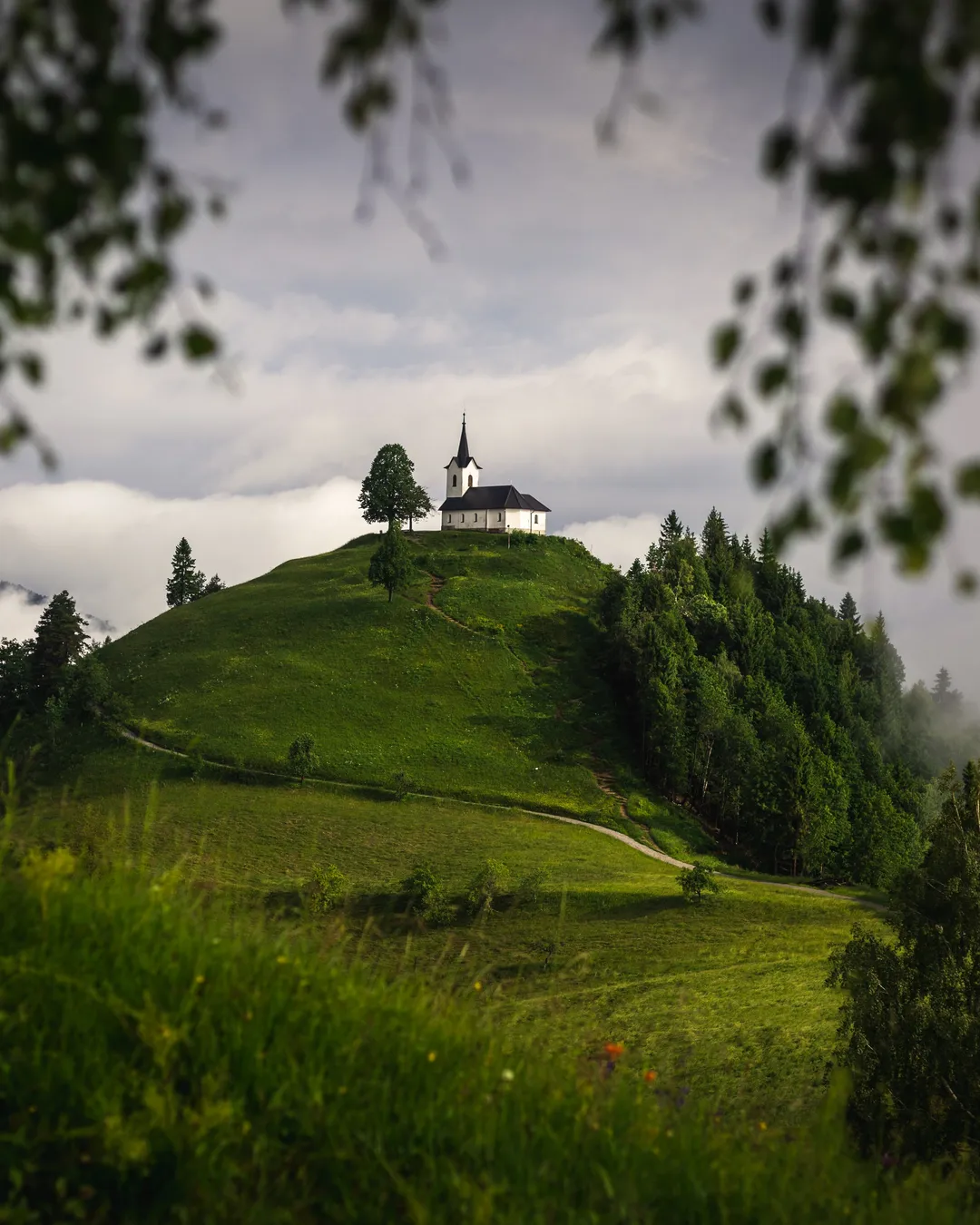
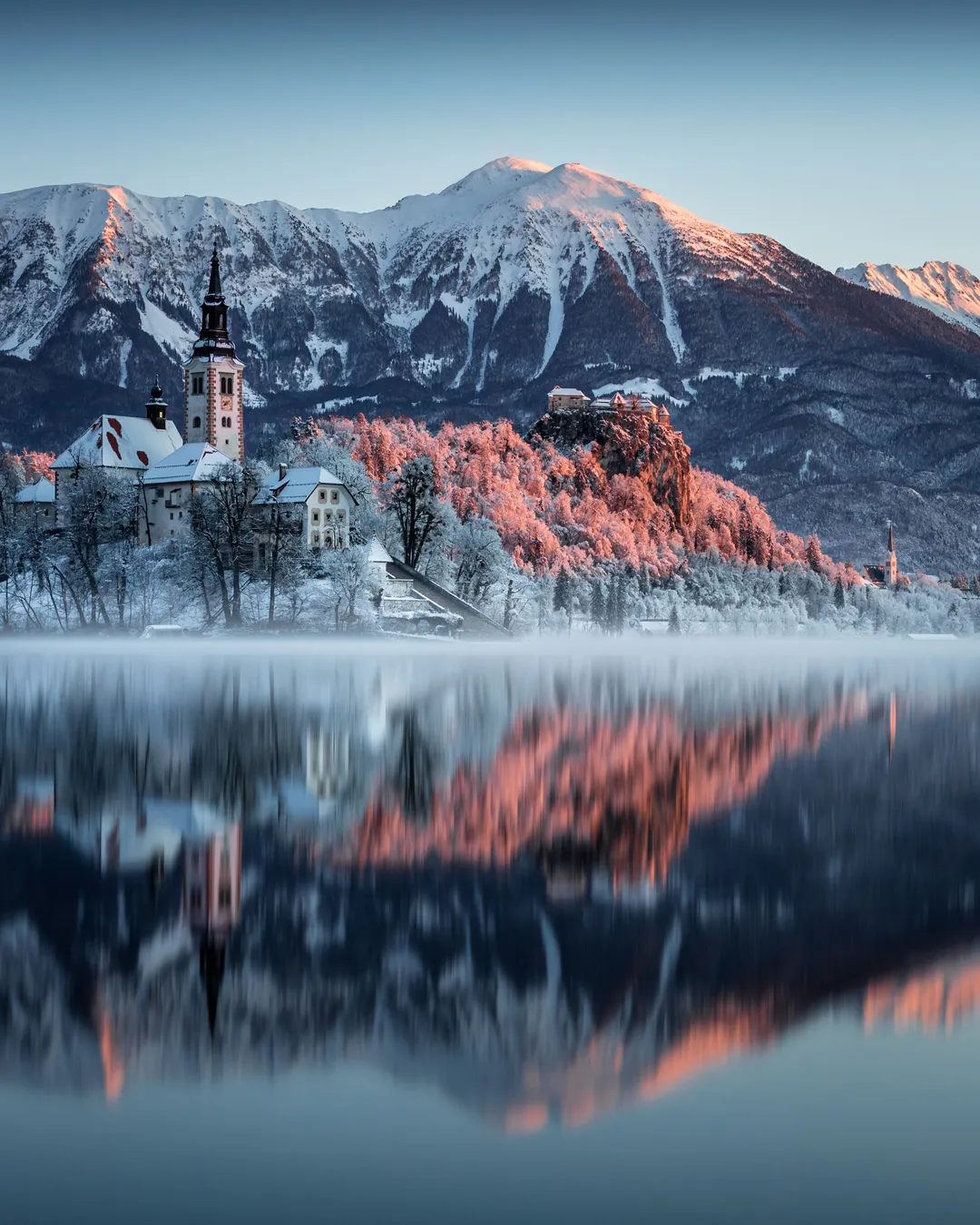
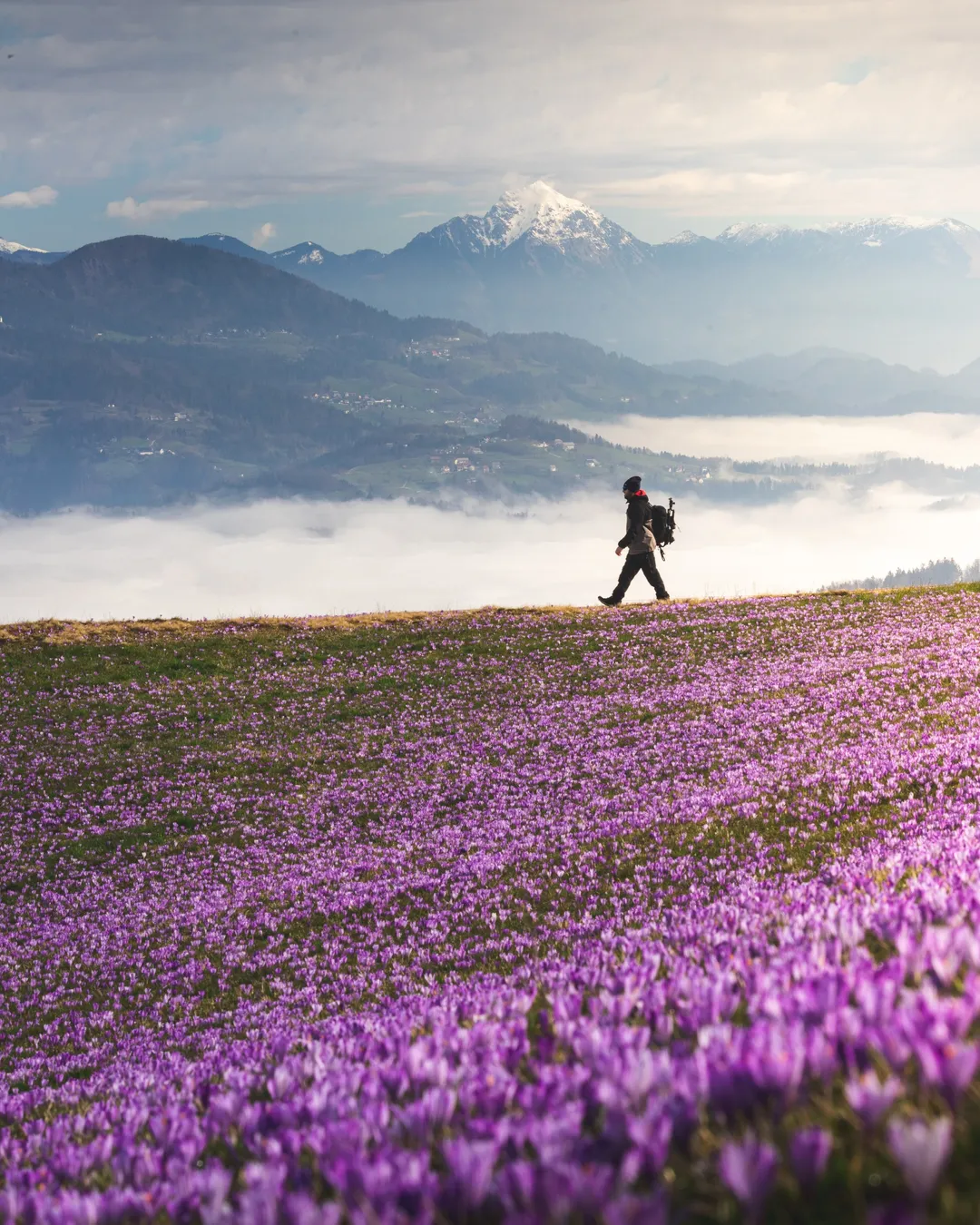
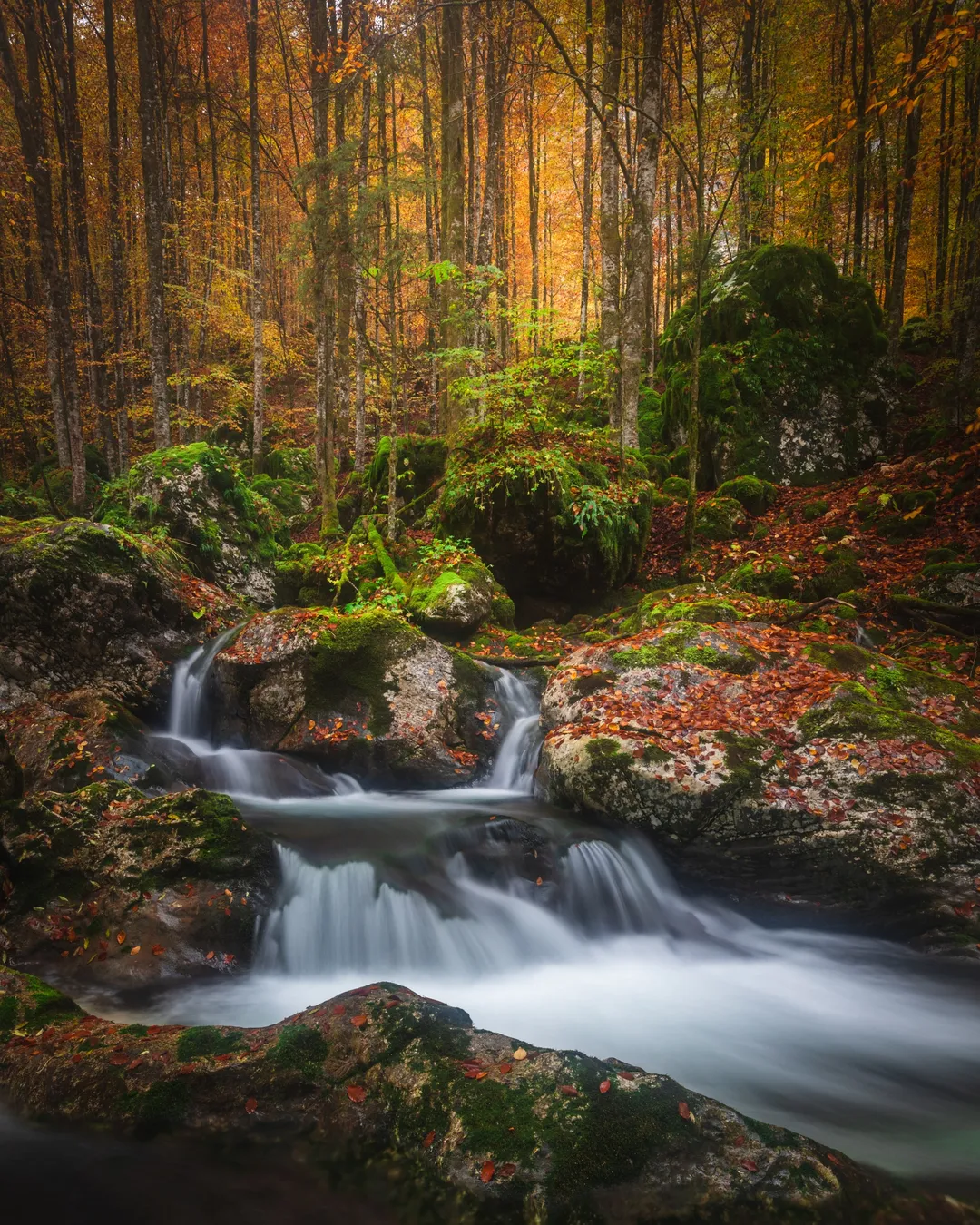
Slovenia is an easy country to fall in love with, but it rewards travelers — and especially photographers — who come prepared. Its landscapes can look calm and accessible, yet weather shifts quickly, light changes fast, and some of the best moments happen outside typical travel schedules.
Before you pack your camera and plan your route, here are a few important things to know that will help you make the most of your visit.
1. Slovenia Is Small, but Don’t Underestimate Travel Time
Distances are short, but mountain roads, narrow countryside lanes, and winding passes slow things down. A drive that looks quick on the map can take much longer in reality, especially early in the morning or in bad weather. Plan fewer locations per day and leave room to adapt to light and conditions.
2. Early Mornings Matter (A Lot)
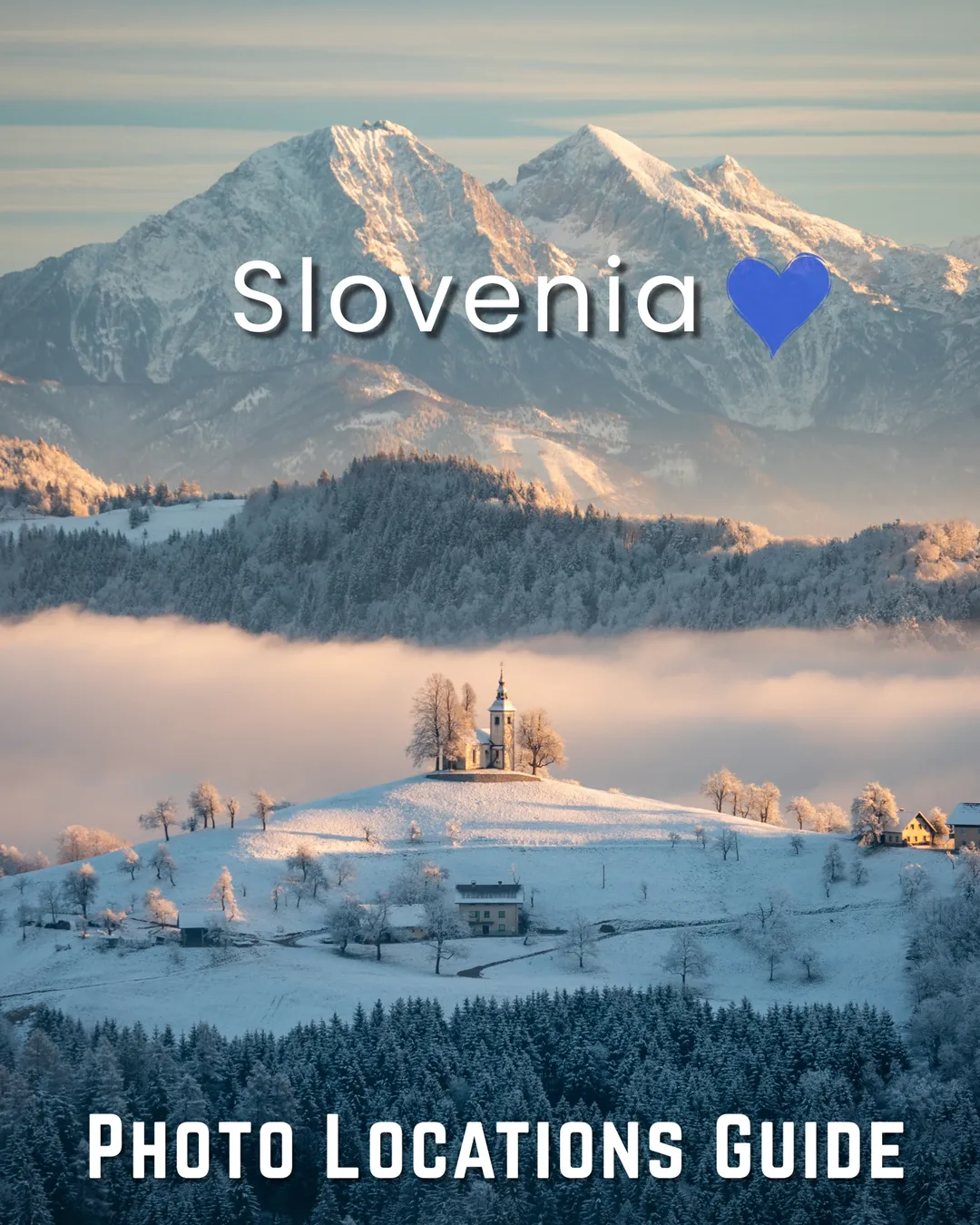
Many of Slovenia’s most photogenic scenes — foggy valleys, lake reflections, hilltop churches above mist — happen at sunrise. Sleeping in means missing the magic. If you’re a photographer, expect early alarms and quiet roads; the reward is empty viewpoints and the best light of the day.
3. Weather Changes Fast, Especially in the Mountains
Alpine regions like the Julian Alps and Karavanke can shift from clear skies to clouds within minutes. Fog, wind, and sudden rain are common. Always check local forecasts, be flexible with your plan, and treat moody conditions as an opportunity, not a problem.
4. Iconic Spots Can Get Crowded — Timing Is Everything
Places like Lake Bled, Lake Jasna, and Mangart Saddle attract many visitors, especially in summer. The good news: crowds are mostly predictable. Sunrise, off-season months, and weekdays are your best allies. With the right timing, even famous locations feel calm and cinematic.
5. Many Great Photo Spots Are Easy to Access
Slovenia is photographer-friendly. Many viewpoints, churches, lakes, and waterfalls require little to no hiking and are reachable by car with short walks. That said, don’t expect marked “photo spots” everywhere — knowing exact viewpoints makes a big difference.
6. Fog Is Your Best Friend
Slovenia is famous for temperature inversions, especially in autumn and winter. Valleys fill with fog while hills and churches rise above it. These conditions aren’t guaranteed, but when they happen, they transform familiar places into something special. Flexibility and patience pay off here.
7. Respect Nature and Private Land
Many beautiful scenes sit next to farms, villages, or private property. Stick to paths, avoid trampling fields, and be discreet with drones. Slovenia takes environmental protection seriously, and photographers are welcomed when they behave responsibly.
8. Planning Saves Time (and Frustration)
Spontaneity is great, but photographers benefit from preparation. Knowing where to park, which lens to bring, and where the best angle is can mean the difference between a rushed snapshot and a strong image.
That’s exactly why I created the Slovenia Photo Locations Guide — to help visiting photographers find the right spots quickly and spend their energy on light, composition, and creativity instead of searching.
Final Thoughts
Slovenia doesn’t demand extreme hiking or complicated logistics. What it asks for is attention: to light, to weather, and to timing. Come prepared, stay flexible, and this small country will reward you with scenes far beyond its size.
Hledáte, co dělat?
Podívejte se na mého průvodce, kde najdete nejlepší bezplatné věci, které můžete dělat, stejně jako itineráře a cestovní tipy, aby byl váš výlet nezapomenutelný.