How to get around London
Wondering how to get around London? We're sharing all of our quick tips & info for navigating the city.

Jandrie Klopper
London, United Kingdom

London has one of the best public transport systems in the world. It’s fast, well-connected, and surprisingly easy to use once you get the hang of it. Here’s a complete overview of your options for getting around in London.
1. London Underground (The Tube)
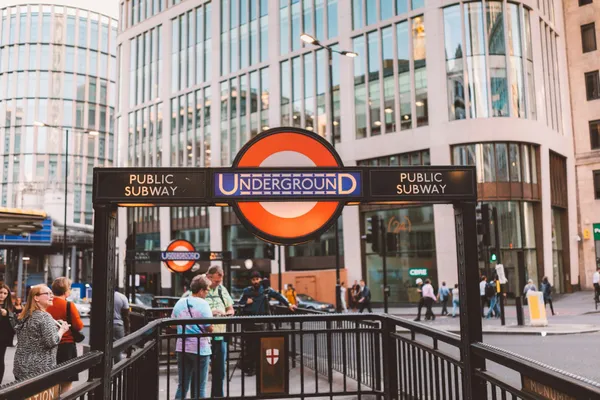
The Tube is the fastest way to travel longer distances across the city. The network covers most of London with 11 lines. Stations are clearly marked with the red-and-blue roundel logo, and colourful maps are readily available at all stops, as well as online.
You can use Transport for London’s (TfL) journey planner to find the easiest route, which is especially handy if you’re unsure about which line to take. Each line has its own distinct colour, making it easy to follow along as you zip through the city.
Operating hours: Services generally run from 5 AM to midnight, with Night Tube service available on some lines on Fridays and Saturdays
Travel tip: Try to avoid the Tube during peak rush hours, typically from 8:30–9:30 AM and 5:30–6:30 PM on weekdays, as trains can get packed tighter than a can of sardines.
How to pay for The Tube
Visitor Oyster cards and contactless payment card or mobile payment method, such as Apple Pay or Google Pay are the cheapest and easiest ways to pay.
You can buy a Visitor Oyster card online before you arrive in London.
To use a Visitor Oyster card, touch the card on the yellow reader at the gates as you enter and end your journey.
2. Buses
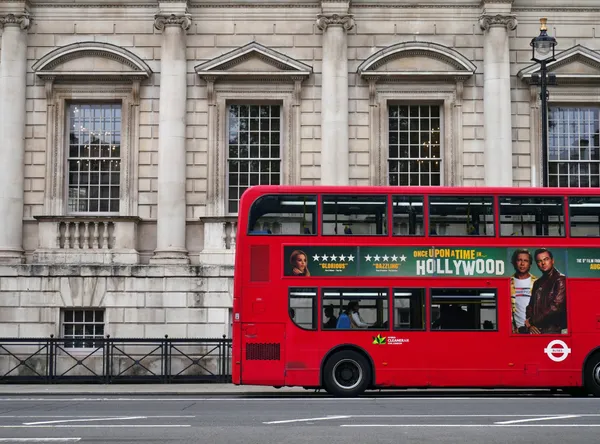
London’s famous red double-decker buses are a scenic and affordable way to get around the city. They’re ideal for shorter journeys or when you’d like to take in the sights, though they can be slower than the Tube, especially during peak times.
The buses run on a frequent schedule, and you can check real-time arrivals via TfL’s website or apps. Night buses also run after the Tube closes, ensuring you can always get home safely.
How to pay for a London bus
Buses accept contactless payment and Visitor Oyster cards, just like the Tube. Simply tap in when you board, but you won’t need to tap out when you leave.
3. Local trains in London
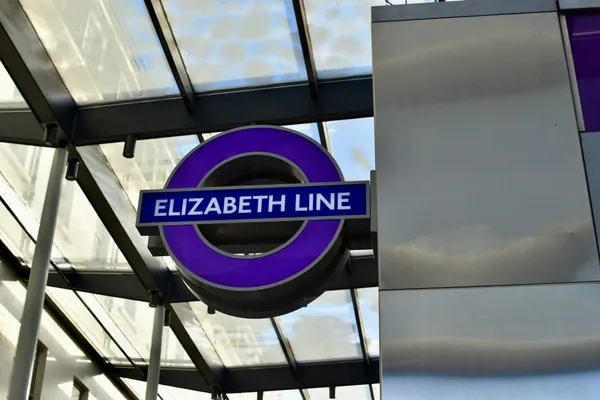
London's rail services complement the Tube network, reaching neighborhoods not covered by underground lines.
London Overground
London Overground is a network of six routes in suburban London, with a few stations in Zone 1 as well as Watford in Hertfordshire. Many Overground stations connect directly with Tube lines for easy transfers.
National Rail
National Rail services operate local routes within London as well as connections to most airports and nearby towns. You can check timetables, fares, and routes on the National Rail website.
The Elizabeth Line
One of London’s newest (and fastest) additions, the Elizabeth Line connects Heathrow airport and Reading through central London to Shenfield and Abbey Wood.
How to pay for train journeys in London
Visitor Oyster cards and contactless payments are accepted on all of these services, except for the Stansted Express, which requires a separate ticket (available online or at the station).
4. Docklands Light Railway (DLR)
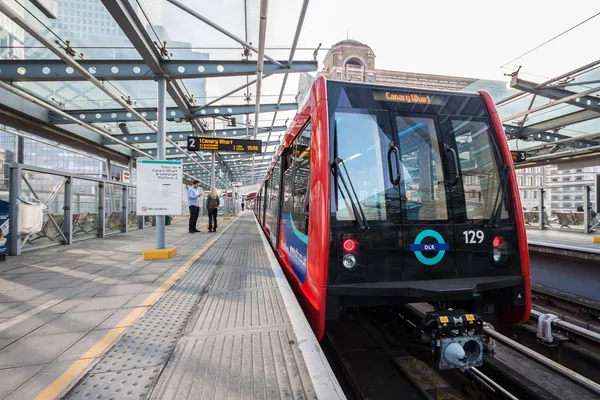
The Docklands Light Railway (DLR) is a driverless train line that serves parts of east and south-east London. The Docklands Light Railway is connected to the London Tube network, the IFS Cloud Cable Car and London City Airport.
You can pay for your journey with the Visitor Oyster card or contactless payment.
5. Taxis and ride apps
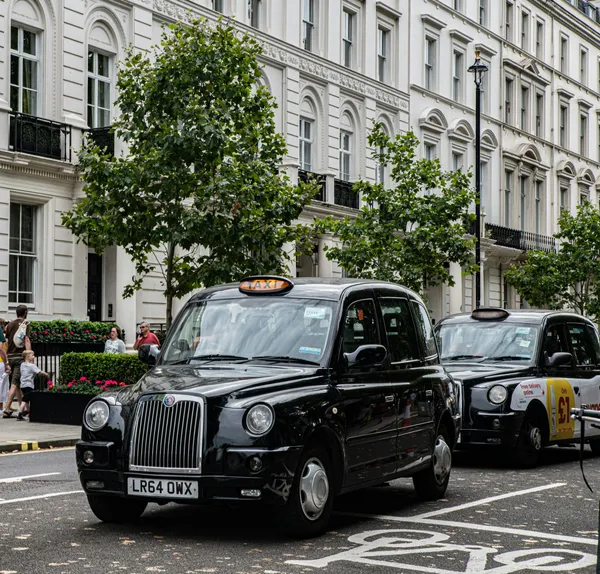
London’s black cabs are famous and reliable, but they can be pricey. You can hail one from the street, but apps make it easy to book a ride and are especially helpful during busy times. Taxi fares are based on distance, time, and tariff (which varies depending on the time of day or week). Tipping isn’t required, but rounding up to the nearest pound is common.
Affordable alternatives are: Uber, Bolt, and FreeNow.
6. Walking

London is a very walkable city, and exploring on foot is a great way to get a feel for the city’s diverse neighborhoods. Many popular attractions are within close proximity, so you can easily walk between landmarks like Big Ben, the London Eye, and Trafalgar Square. Historic neighborhoods like Covent Garden, Piccadilly Circus, and Soho are also close enough to explore in a day.
Walking allows you to take in all the little details and gives you the freedom to stop and enjoy unexpected finds. London’s streets are generally safe during the day, but be mindful of traffic and use the crossings.
Comfortable shoes are essential - London pavements can be uneven and distances are often longer than they appear on the map!
7. Bicycles

London is becoming increasingly bike-friendly, and cycling is a fun, active way to see the city. TfL operates the Santander Cycles bike-share program, with docking stations all around central London. For just a few pounds, you can rent a bike and ride between attractions, enjoying dedicated bike lanes and scenic routes. Avoid main roads during rush hour; quieter backstreets are safer and more scenic.
8. Riverboat Services
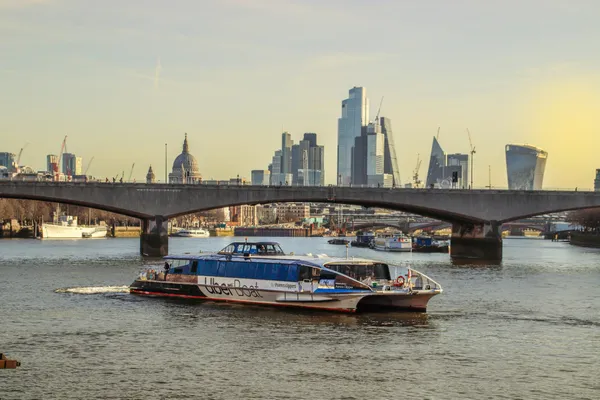
For a different view of the city, take the Thames Clipper ferry service. This service has fast and efficient links to major London locations along the Thames, making river buses a great choice for commuters and visitors alike. Unlike river tours, Uber Boat by Thames Clippers do not offer guided commentary. Your Visitor Oyster card works here, or you can purchase Uber Boat by Thames Clippers tickets on the Uber app.

Hledáš, co podniknout?
Podívej se na mého průvodce s nejlepšími bezplatnými aktivitami, itineráři a cestovními tipy pro nezapomenutelný výlet.