Master Japan’s Public Transport
🚆 Getting Around Japan: Trains, Subways, Buses & Taxis

Waldir Nunez
Japan

Japan is famous for its advanced and efficient public transportation system—often considered one of the best in the world. Thanks to its network of trains, subways, buses, and taxis, getting around the country is fast, comfortable, and safe. From Shinkansen (bullet trains) that link cities hundreds of kilometers apart to city buses and taxis that cover less accessible areas, Japan offers multiple ways to move around with zero hassle.
It can feel a bit overwhelming at first, but once you understand how the system works, traveling around Japan becomes very easy and convenient. Below are the main public transport options you can use to explore different cities and regions.
1. Trains in Japan 🚆🚇
JR (Japan Railways)
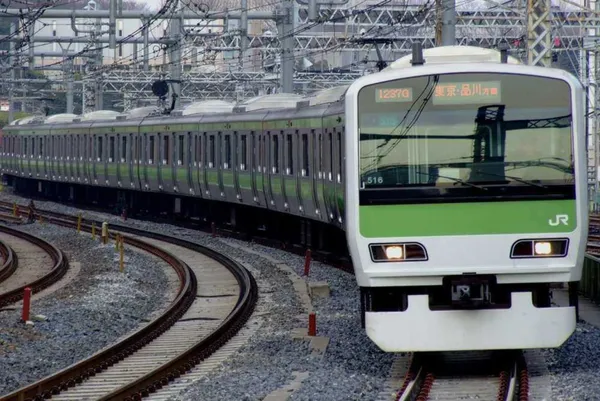
JR is the largest operator in Japan, running most long-distance lines as well as many local routes. Nationwide, JR connects entire regions—ideal if you plan to travel across the country. In Tokyo, the most famous JR line is the Yamanote Line, a loop that links major hubs like Shibuya, Shinjuku, Ikebukuro, and Ueno.
Outside Tokyo, JR operates iconic routes such as the Shinkansen (bullet train), which connects major cities quickly and comfortably—especially useful for longer intercity trips. 🚅
Tokyo Subway (Tokyo Metro & Toei Subway)
Tokyo’s subway is run by two operators: Tokyo Metro and Toei Subway. Together, they cover most of the city and are essential for moving around areas not served by JR. Well-known lines include Ginza, Hibiya, and Chiyoda, which cover key districts such as Asakusa, Roppongi, and Akihabara. Fast, efficient, and often the best option for central Tokyo—especially during rush hour when JR lines can get packed. 🚇
Private Lines (Odakyu, Keio, Tokyu, etc.)
If you’re heading beyond central Tokyo—to Hakone, Nikko, Yokohama, and more—you may use private railway companies.
Keikyu Line: links Tokyo and Yokohama, also serving Haneda Airport.
Odakyu Line: connects Shinjuku with the Hakone area (famous for hot springs). 🌋♨️
🚅 Shinkansen (Bullet Train)
The Shinkansen is a true Japanese icon, connecting major cities at speeds over 300 km/h. 🌟 It’s fast, safe, and comfortable—the ideal choice for efficient long-distance travel. 🚅💨
2. Buses: Handy for Rural Areas 🚌🏞️
While trains and subways dominate in cities, buses play a key role in rural areas or places without nearby rail service. There are three main types:
City buses: Operate within cities and complement rail networks (e.g., in Kyoto, some sights aren’t close to train stations).
Highway buses (intercity): Connect cities and are often cheaper than trains (but take longer).
Tourist/special routes: Designed for visitors (e.g., temple loops in Kyoto or buses linking Mt. Fuji and Tokyo).
3. Transport Cards: Suica or Pasmo? 🚆💳
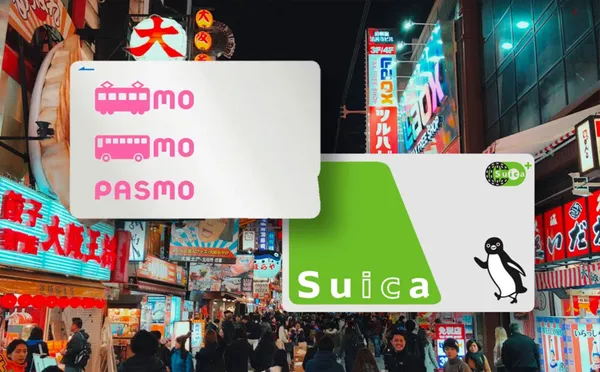
Suica and Pasmo are the most convenient ways to pay for public transport (and more).
Why they’re great
✅ Work on almost all trains, subways, and buses in Tokyo (Suica on JR lines; Pasmo on private/metro lines).
✅ Also pay at convenience stores, vending machines, and many restaurants/shops.
✅ Top up at any train/subway station or at 7-Eleven, FamilyMart, Lawson.
✅ Digital versions available for Apple Pay and Google Pay (device and card compatibility varies).
✅ No expiration, so you can keep them for future trips.
Suica vs. Pasmo (what’s the difference?)
Suica is issued by JR East (public rail).
Pasmo is issued by private/subway operators in Tokyo.
Functionally they’re the same, with the same fares—choose whichever is easier to get. 🎫
Where to get them
In Japan (physical card): Ticket machines and service counters at major stations (Tokyo, Shinjuku, Ueno, etc.) and some convenience stores.
Initial cost: ¥500 deposit + whatever balance you add.
Before you travel (digital): Add Suica or Pasmo to Apple Pay / Google Wallet if your device and bank card are supported.
4. JR PASS in Japan 🎟️
The Japan Rail Pass (JR Pass) is popular for nationwide travel. It offers unlimited access to JR lines across Japan, including most Shinkansen, letting you move between major cities easily and quickly.
Note: Prices have increased significantly recently. It’s still great value if you plan multiple long-distance trips, but for travelers staying mostly in Tokyo or nearby, the cost-benefit may no longer be ideal. 💸📈
What the JR Pass covers
All JR lines across Japan, including Shinkansen, JR local trains, and some JR buses—perfect for itineraries like Tokyo ↔ Osaka/Kyoto ↔ Hiroshima, and more. It can also cover certain express services and buses to rural or less accessible areas. 🚅🗺️
Pros
✅ Saves money on long intercity routes (Tokyo–Osaka–Hiroshima etc.). 🚄
✅ Speed & comfort on Shinkansen. 🌟
✅ Unlimited rides during the validity period = flexible itineraries. 🎫
✅ No need to buy individual tickets each time.
Cons
🔻 Expensive after the price hike—may not be worth it if you’ll mainly stay in Tokyo. 💸
🔻 Doesn’t cover Tokyo subways or most private lines (which you’ll use a lot in the city). 🚇
🔻 JR only: Not valid on private lines like Odakyu or Keio (useful for spots like Hakone or Yokohama). 🚋
Is the JR Pass worth it?
Choose it if you’ll:
Travel between multiple major cities (Tokyo, Osaka, Kyoto, Hiroshima, Sapporo, etc.). 🚅
Make several long Shinkansen trips within the pass validity. 🛤️
Move across multiple regions primarily using JR.
If you’re staying mostly in one city/region (Tokyo or Osaka area) with few long trips, it’s often cheaper to use IC cards (Suica/Pasmo) or buy individual tickets.
How to get the JR Pass
If it fits your itinerary, you can purchase it via JR Pass Oficial. You’ll find 7, 14, and 21-day options to match your travel plan.
Taxis: Comfortable but Pricey 🚖💴
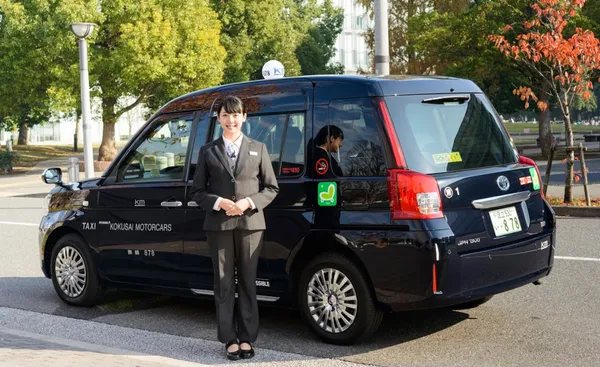
Taxis in Japan are safe, spotless, and reliable. Drivers are professional and won’t try to take advantage of tourists. That said, fares are high—so taxis aren’t the cheapest option for long distances.
When a taxi makes sense
✅ Groups: Split the fare among several people.
✅ Luggage-heavy: From station/airport straight to your hotel.
✅ Late at night: After trains/buses stop running.
✅ Hard-to-reach areas: Rural neighborhoods or places far from stations.
Good to know
Automatic doors 🚪✨: Don’t open them yourself—the driver controls them.
No tipping 💰🚫: The meter total is what you pay.
Payment: Many taxis accept cards and mobile pay, but some are cash-only—carry yen just in case.
Night surcharge 🌙💸: From about 10:00 p.m. to 5:00 a.m., fares increase by ~20–30%.
How to catch a taxi
Find them at taxi stands near stations, hotels, and malls, or hail one on the street. Look for the “available” sign (空車 / “vacant”) lit up. You can also use apps like GO Taxi or JapanTaxi (similar to ride-hailing services).
Is it worth using taxis?
Service is excellent, but cost is high. For most trips, trains/subways are more convenient and economical. If you want maximum comfort, are short on time, or it’s late and you’ve got bags—a taxi is a great option.
5. Final Tips 🚆🗺️
Avoid rush hour 🕐
Trains can be extremely crowded from 7:30–9:30 a.m. and 5:00–7:00 p.m. If possible, travel outside these windows for a more comfortable ride—especially on major lines like Yamanote (Tokyo) or the Loop Line (Osaka). 🚇⚠️
Use apps to make life easier 📱
Google Maps: Real-time routes for subway, trains, and buses.
Japan Travel by Navitime: Great for detailed schedules and route planning.
Tokyo Subway Navigation: Perfect for navigating Tokyo’s subway without confusion.
Having mobile internet lets you check departures, platforms, and delays on the fly—much less stressful. Check my Japan internet guide 📶🔍
Getting around Tokyo by train can seem complex at first, but with a Suica/Pasmo, a good map, and by avoiding rush hours, you’ll be moving like a local in no time. If you’re heading out of the city, decide whether a JR Pass suits your itinerary or if individual tickets make more sense.
With these tips, you’re ready to explore Tokyo (and beyond) without a hitch. Have an amazing trip!

Hledáš, co podniknout?
Podívej se na mého průvodce s nejlepšími bezplatnými aktivitami, itineráři a cestovními tipy pro nezapomenutelný výlet.