Best Seasons to Visit Korea (Pros & Cons)
Pros & Cons + Seasonal Activities

Deborah + Tyler
Seoul, Korea, Republic of
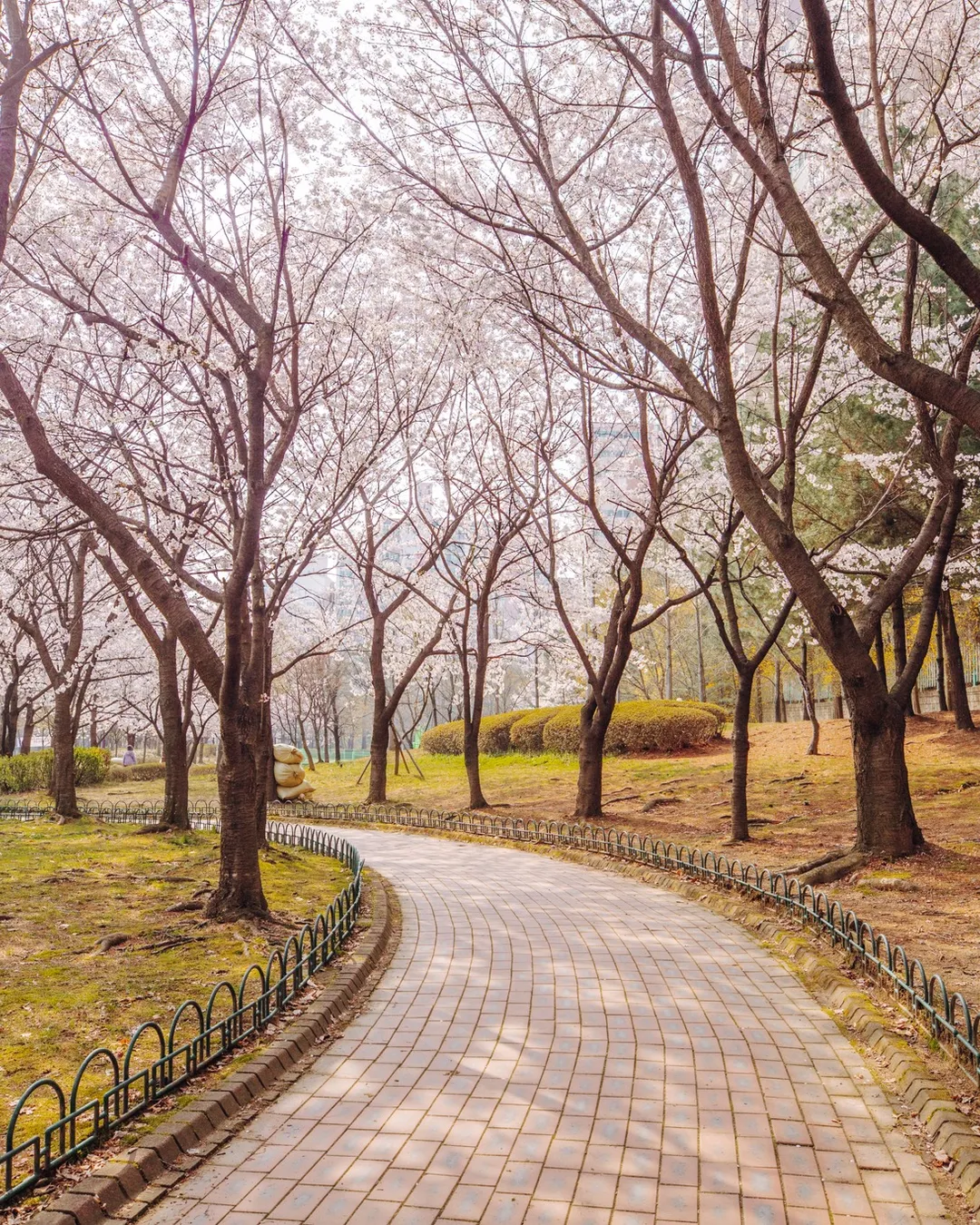
Spring (March – May)
Spring in Korea is hands down one of my favorite times to visit. The weather is mild and comfortable, the skies are usually clear, and the cherry blossoms (벚꽃) make every place feel like a dream. I love walking along different rivers and parks in Seoul, where you'll usually find all kinds of cherry trees and other flowers. Spring also brings various flower festivals like the Jinhae Cherry Blossom Festival. It's also a great time to go hiking, and you'll be able to see the city beginning to liven up after winter. You'll likely still need a light jacket, especially in the mornings and evenings.
Pros:
Comfortable Weather
Cherry Blossom and Flower Season
Great for Hiking
Cons:
Peak Cherry Blossom Season Draws Crowds
Prices for Hotels Rise Compared to Winter
Expect Lots of Pollen
Summer (June – August)
Summer in Korea is hot and humid. I usually stick to early morning or evening activities because daytime temperatures can feel intense, especially if you're not used to summers in Asia. Beaches and riverside parks in Seoul often host splash areas and all kinds of summer festivals, but they can get crowded. Summer also brings events like the Boryeong Mud Festival, and it's the best time to visit local waterparks like Everland's Caribbean Bay. Mosquitoes are more common in rural areas or near water, and the monsoon season can bring heavy rain that can last for days. Even though most tourist spots will be especially crowded, with summer being the most popular season to visit Korea, it's still a great time to experience night markets, rooftop bars, and seasonal foods like naengmyeon (cold noodles) and my personal favorite - bingsu (shaved ice dessert).
Pros:
Lots of Festivals and Events
Beaches & Rivers are Lively
Perfect for Rooftops & Night Markets
Energetic & Lively Atmosphere Throughout the City
Cons:
Can be Very Hot and Humid
Monsoon Season
Mosquitoes
Busiest Tourist Season (Crowds)
Autumn (September – November)
Autumn in Korea is magical, you can feel the crisp air, enjoy the clear skies, and if you time your visit right, the fall foliage is incredible. if you're visiting during this time, I recommend planning some hikes in the mountains, especially towards Seoraksan National Park or Nami Island. Autumn festivals, like the Andong Mask Dance Festival or the Gwangju Kimchi Festival, are fun ways to experience local cultural too.
Pros:
Stunning Fall Colors
Comfortable Weather
Less Crowded than Spring & Summer
Cons:
Peak Foliage is Quick & Hard to Time
Chilly Nights
Outdoor Attractions Begin to Close
Winter (December – February)
Winter in Korea can be cold, with temperatures often falling below freezing, but it’s also full of unique experiences. There's plenty of ski resorts in Gangwon Province that's great for skiers or snowboarders, and cities usually have various winter light festivals and markets, like the Lotte Christmas Market. There's also plenty of winter festivals that celebrate sledding an ice fishing. Ice skating and street food like tteokbokki and roasted chestnuts (my mom's favorite!) become popular during this time too. However, many outdoor attractions will be less accessible or even closed due to snow or icy conditions. If you stay for New Year's, you can see the incredible fireworks display from Lotte Tower.
Pros:
Skiing, Snowboarding, and Ice Skating
Lots of Festive Markets and Light Shows
Clear Skies & Emptier Streets for Photos
Fewer Tourists & Cheaper Hotel Prices
Cons:
Cold!
Outdoor Attractions Often Closed
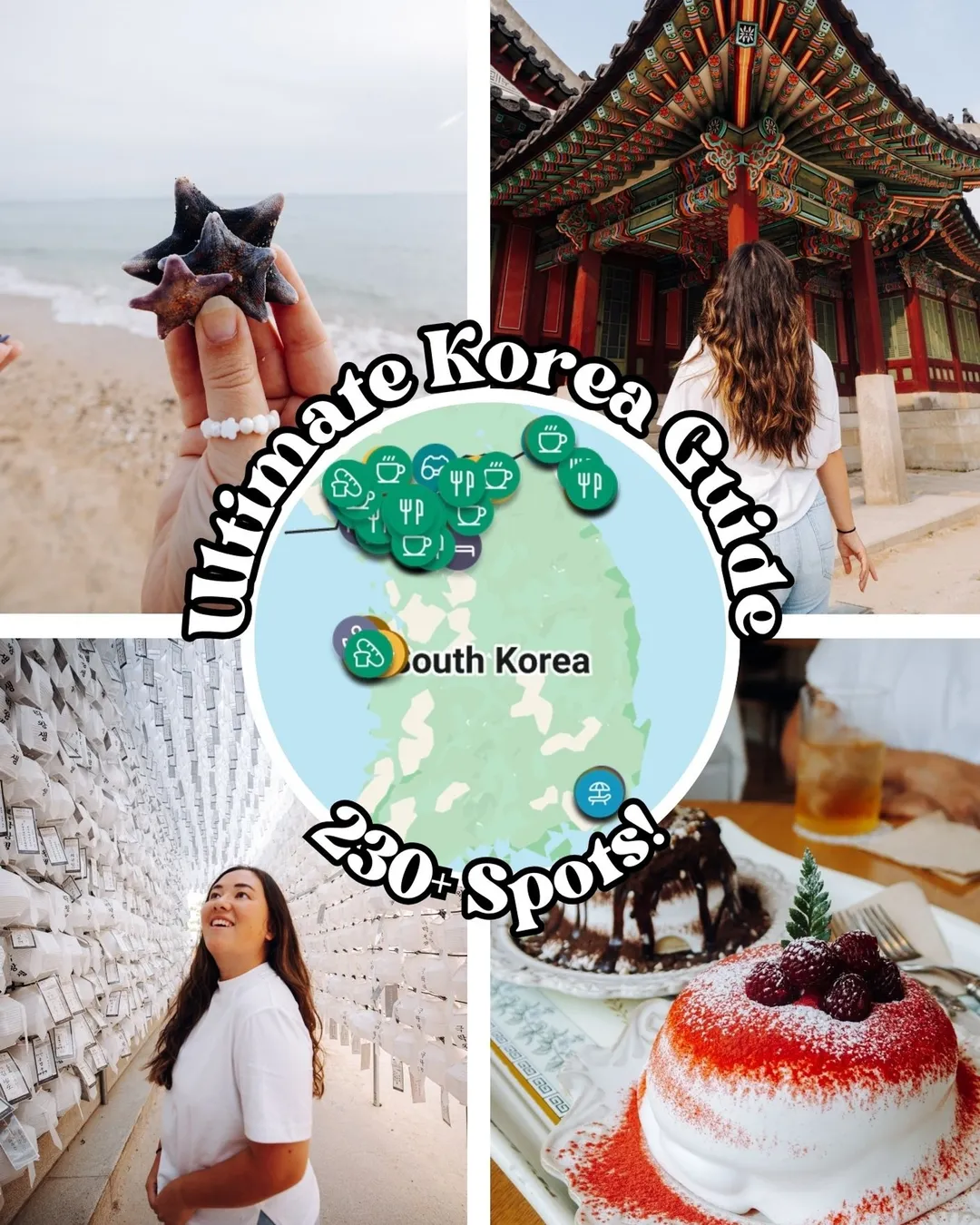
Suchst du persönliche Empfehlungen?
In unserem digitalen Reiseführer findest du unsere besten Empfehlungen sowie Reiserouten und Reisetipps, um deine Reise unvergesslich zu machen.