
Kultur


Kultur
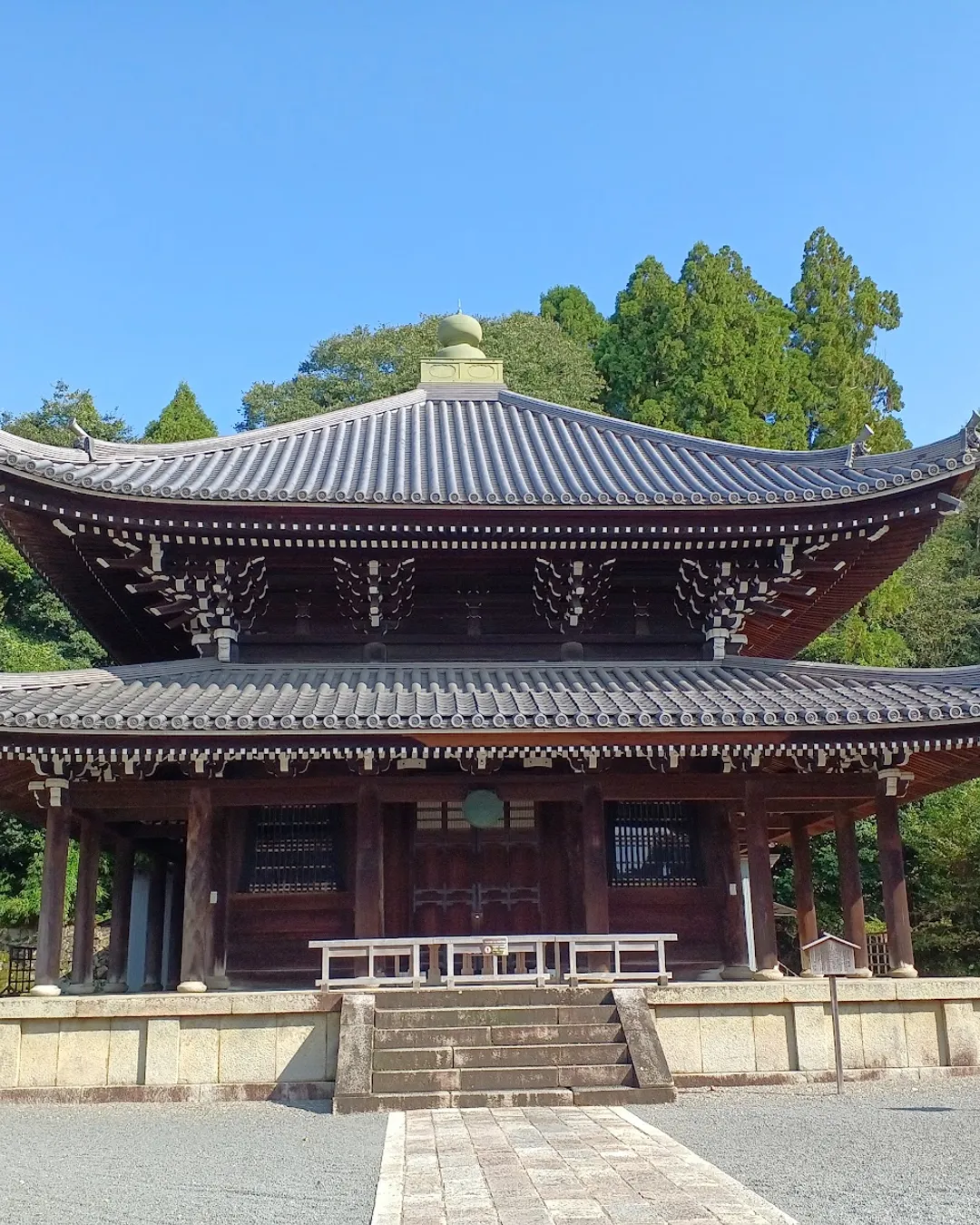
What it is: The head temple of the Jōdo (Pure Land) Buddhist sect, Chion-in anchors Higashiyama with a colossal Sanmon gate, vast worship halls, and bell towers that make the whole complex feel like a hillside city of timber and stone. It’s where Pure Land chanting meets grand Edo-period architecture—solemn, impressive, and unmistakably Kyoto.
You enter through the Sanmon, a towering, dark-wood gate that frames the sky like a proscenium arch, and the city hushes a notch behind you. Stone steps climb into a precinct of sweeping eaves and long corridors; incense rides the air, and the low murmur of nembutsu chanting drifts from somewhere up the slope. The Miei-dō (Main Hall) dominates the upper terrace—vast tatami, polished pillars, a hush that absorbs footsteps—while smaller sub-temples and tucked-away gardens soften the edges with maples, moss, and ponds. Off to one side, the great temple bell sits in its own pavilion, a bronze giant whose deep note seems to ring even when it’s silent.
Chion-in gives you Kyoto at grand scale without losing the human warmth. You feel a major Buddhist center working as a living place of worship—monks crossing courtyards, faithful bowing before altars—while the architecture surrounds you like a lesson in proportion. The great gate, the cavernous hall, the bell pavilion: each has its own gravity, and together they create an atmosphere that’s both ceremonial and welcoming. It’s also perfectly placed for a half day in Higashiyama—step from temple solemnity into Maruyama Park for a breather, then continue to Sannenzaka/Ninenzaka and the pagoda silhouette of Hōkan-ji. If you’ve just come from the intimate lanes of Gion, Chion-in’s vastness is the counterpoint that makes the whole district click.
Where: Higashiyama, a short walk from Maruyama Park and Yasaka Shrine
Time needed: 45–90 minutes for halls and grounds (add time for the gardens when open)
Hours & cost: Outer grounds generally free; select areas, gardens, and special exhibitions are paid and keep standard daytime hours
Best times: Early morning for quiet halls; late afternoon for warm light under the eaves; rainy days deepen color and mood
Access: Higashiyama Station (Tōzai Line) ~10–15 min walk; from Gion-Shijō (Keihan) it’s an easy stroll through Yasaka/Maruyama
Bottom line: solemn chanting, a gate like a mountain of wood, and courtyards that breathe—Chion-in is the grand, living heartbeat of Higashiyama and the perfect hinge between shrine lanterns and old-town lanes. Arrive early, linger in the main hall’s hush, and let the steps carry you on toward Maruyama and the pagoda streets
Möchtest du mehr sehen?
Ich habe einen interaktiven Reiseführer erstellt, mit dem Menschen reisen können wie ich. Verwendet für 10+ Reisen