Best Time to Visit Japan (and When to Avoid It)

Eriko Ikeuchi
Osaka, Kyoto, Japan

One of the things I love most about Japan is that every season feels completely different.
Spring is all about cherry blossoms and picnics under the sakura trees. Summer means putting on a yukata and heading to a fireworks festival. Autumn brings beautiful colors and the best seasonal food. Winter is for skiing, snowboarding, and soaking in an onsen after a day in the snow.
I genuinely enjoy every season for different reasons, so there isn't one "perfect" time to visit Japan. It really depends on the kind of trip you're looking for.
Here's how I see each season as a local.
🌸 Spring (March – May)
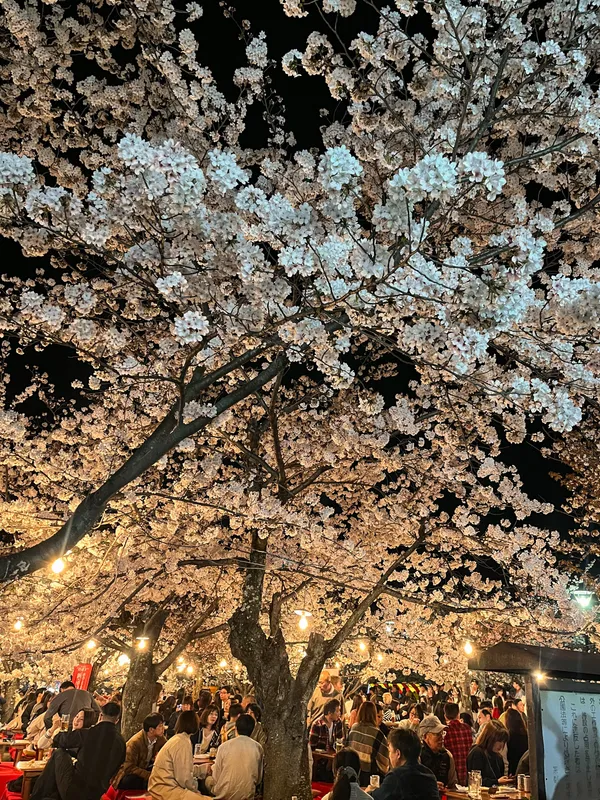
Spring is probably my favorite season.
The weather is comfortable, everything starts turning green, and the whole country feels fresh. In Japan, schools and many companies start their new year in April, so there's an exciting atmosphere everywhere.
Of course, the biggest highlight is cherry blossom season.
Around Osaka and Kyoto, the flowers usually reach full bloom between late March and early April, although it changes slightly every year. If you're planning your trip to see the cherry blossoms, I'd definitely recommend checking the latest cherry blossom forecast. Japan has a cherry blossom forecast that predicts the best time to see the blossoms in each region.
Seeing Japan covered in pink blossoms is really magical - but it's also the busiest time of the year. Remember that locals are just as excited about cherry blossoms as tourists are, so parks, temples, and trains can get extremely crowded.
My favorite hidden season: Shinryoku (Fresh Green Season)
If you ask me when I'd personally visit Japan, I'd actually say mid-May.
After the cherry blossoms fall, fresh green leaves begin to appear. This season is called Shinryoku, meaning "fresh greenery."
The weather is pleasant before the summer heat arrives, the scenery is beautiful, and popular places are noticeably less crowded than during sakura season. It's one of my favorite times of year.
If you're looking for a quieter trip while still enjoying beautiful nature, May is a fantastic choice.
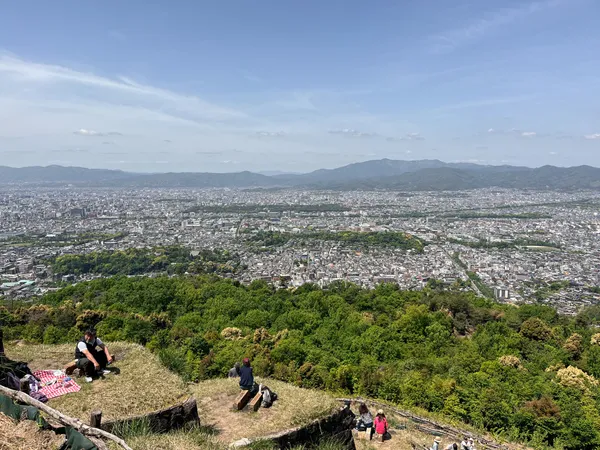
Photo: Mount Daimonji in Kyoto
Avoid Golden Week
One thing to be aware of is Golden Week, one of Japan's biggest holiday periods. It usually falls between the end of April and early May (April 29–May 6 in 2026).
Although there are only around five official public holidays, many people combine them with paid leave to enjoy a week or even longer off.
Flights, Shinkansen trains, tourist attractions, and hotels become incredibly busy, and accommodation prices often rise.
If possible, I'd recommend visiting after Golden Week instead. The crowds disappear, hotels are often cheaper, and travelling becomes much more relaxed.
☔ Early Summer (June)
June is Japan's rainy season.
You can expect cloudy skies and rainy days, although it's not necessarily raining all day, every day.
One thing I always look forward to in June is hydrangea season. My favorite spot is Mimuroto-ji Temple in Uji. It's famous for its incredible hydrangea garden, with over 20,000 flowers blooming in early summer. If you're visiting Kyoto in June, I definitely think it's worth adding to your itinerary.
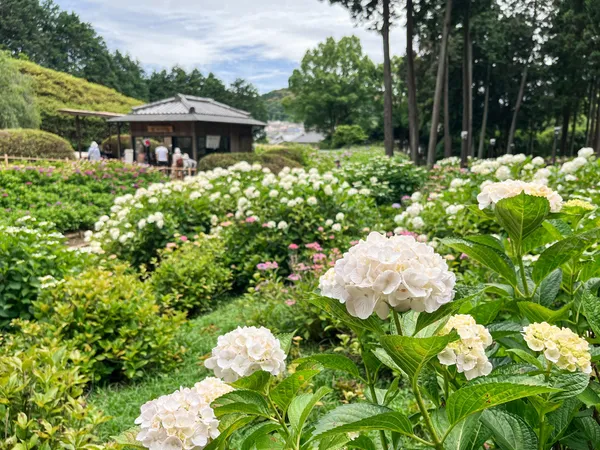
Photo: Mimuroto-ji Temple in Uji
☀️ Summer (July – August)
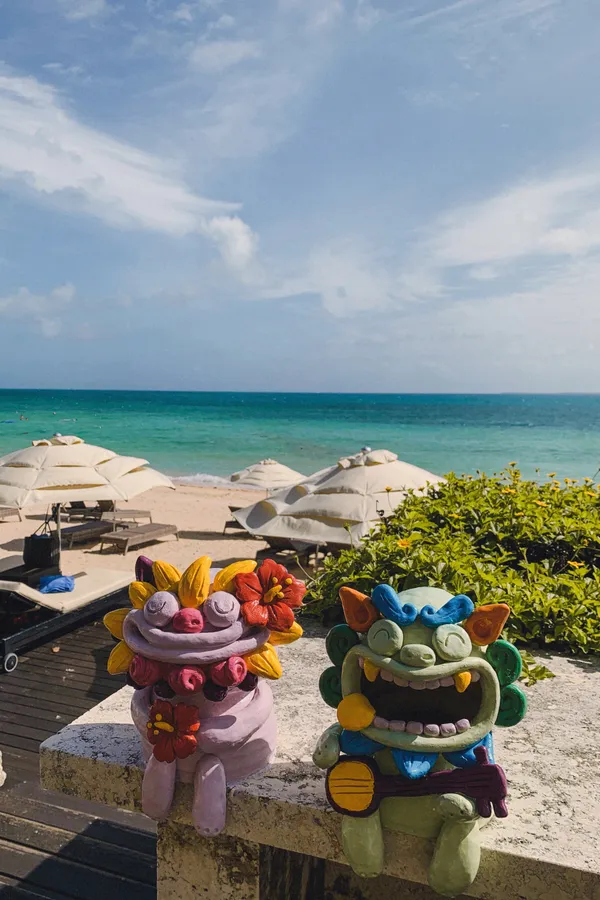
Summer in Japan is exciting - but it's also incredibly hot and humid.
Personally, I wouldn't recommend summer for your first trip if you're planning to spend all day sightseeing. Walking around cities like Kyoto in the heat can be exhausting.
That said, summer has some of Japan's most unforgettable experiences.
You'll find huge fireworks festivals, traditional summer festivals, beer gardens, beaches, and people wearing yukata (a light cotton summer kimono).
Some of my favorite summer festivals are:
Gion Matsuri (Kyoto)
Tenjin Matsuri (Osaka)
Lake Biwa Fireworks Festival (Shiga)
I love Japanese festivals because each one has its own unique atmosphere and traditions.
One of my favorites is the Lake Biwa Fireworks Festival in Shiga. Yes, it's crowded, but if you arrive early, you can get a free spot by the lakeside and enjoy one of Japan's biggest fireworks displays. Watching the fireworks reflected on the lake is absolutely beautiful.
If you're staying in Kyoto, it's an easy train ride to Shiga. I highly recommend it if you want to experience a slightly more local side of Japan while still being close to Kyoto.
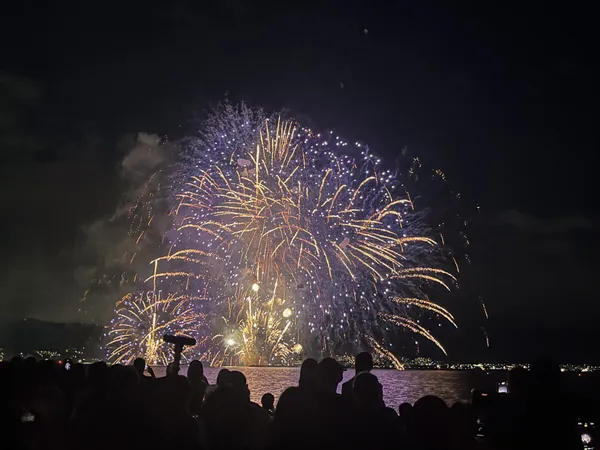
Photo: Lake Biwa Fireworks Festival in Shiga
Another experience I always recommend is Kawadoko dining in Kyoto, where restaurants build wooden platforms directly over the river. Dining above the cool flowing water is one of the best ways to escape Kyoto's summer heat.
If you want to experience kawadoko dining, I recommend visiting the Kifune area, about an hour north of Kyoto Station. It's much quieter than central Kyoto, and you can also visit the beautiful Kifune Shrine while you're there.
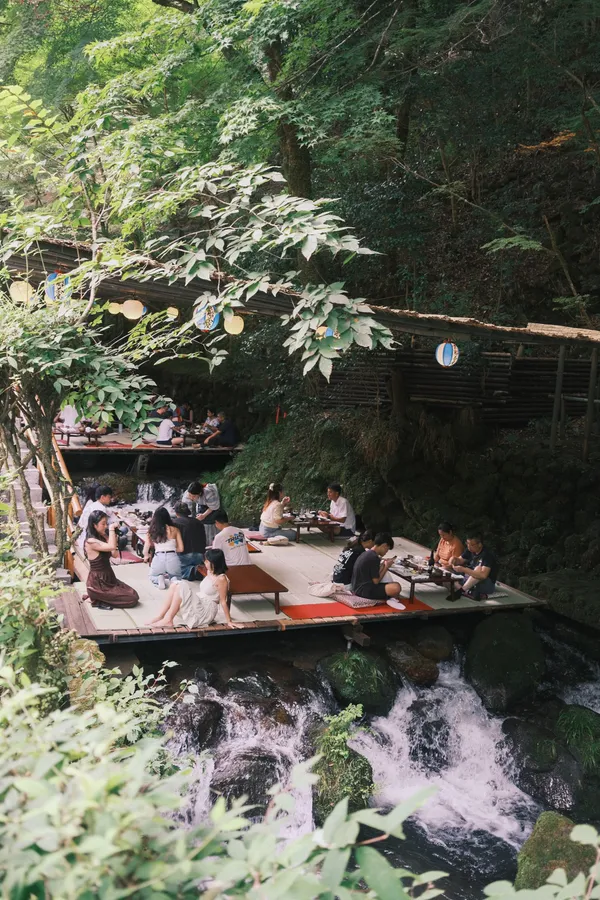
Photo: Kawadoko dining in Kyoto
If you're visiting Japan in summer but want cooler weather, I'd recommend heading to Hokkaido or mountain areas like Nagano, where temperatures are much more comfortable.
My favorite place in Nagano is Kamikochi. It's only open from May to November, and private cars aren't allowed, which helps preserve its incredible natural beauty.
The crystal-clear river, surrounded by mountains, makes it one of the most refreshing places I've visited in Japan. If you're looking for beautiful nature and a quieter, more local side of Japan, I can't recommend it enough.
I'll be sharing a detailed guide to Kamikochi soon because it's one of my favorite places in Japan.
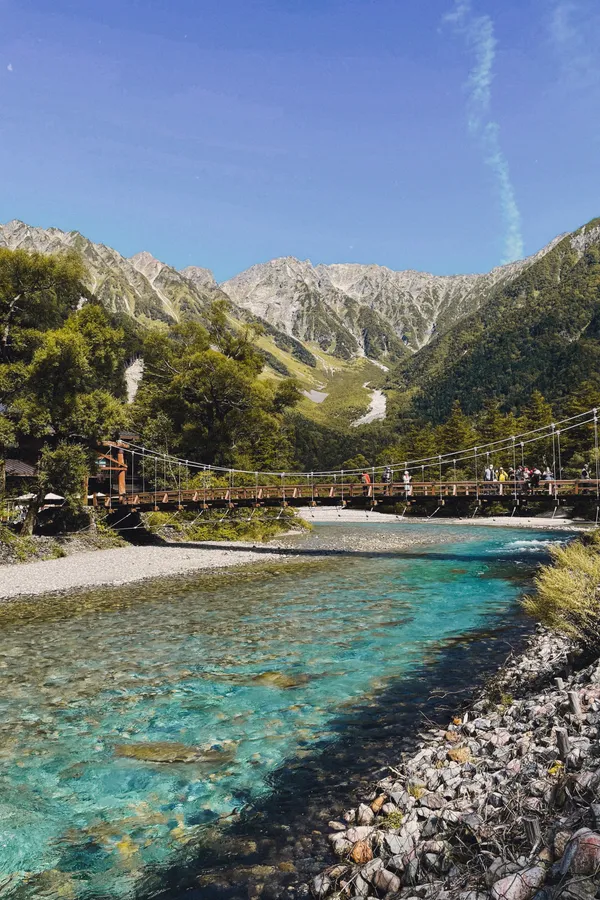
Photo: Kamikochi in Nagano
🍁 Autumn (September – November)
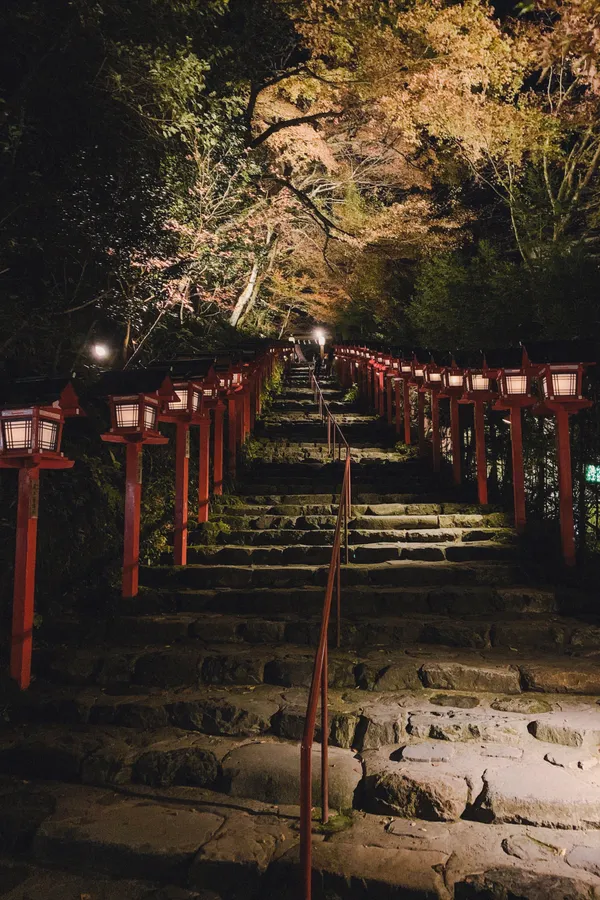
Autumn is another one of my favorite seasons.
If spring is famous for cherry blossoms, autumn is known for its stunning maple leaves and delicious seasonal food like mushrooms, sweet potatoes, and fatty fish.
In Japan, we even have expressions like:
Autumn for eating
Autumn for sports
Autumn for reading
It's considered the perfect season to enjoy life and even start a new hobby.
For me, autumn is all about visiting temples and shrines in Kyoto surrounded by brilliant red and orange leaves. Around Osaka and Kyoto, the best autumn colors are usually in late November to early December, although the timing changes slightly each year depending on the weather.
One of my favorite temples to visit during this season is Eikando in Kyoto. It's especially beautiful at night during the autumn illumination, when the colorful maple leaves are reflected in the pond. It's one of the most breathtaking autumn views I've seen in Japan.
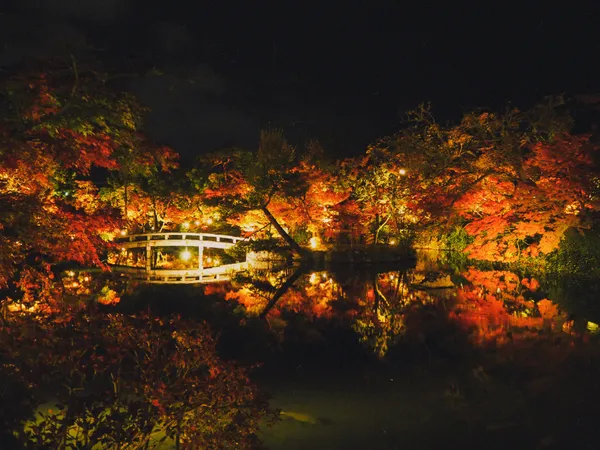
Photo: Eikando in Kyoto
September is also special for me because my hometown, Kishiwada, holds the famous Danjiri Festival. Massive wooden floats weighing several tons are pulled through the streets by hundreds of people. The highlight is watching the teams race into tight corners at full speed while skillfully steering the floats around the turn. The energy, teamwork, and excitement are unlike anything I've experienced anywhere else in Japan.
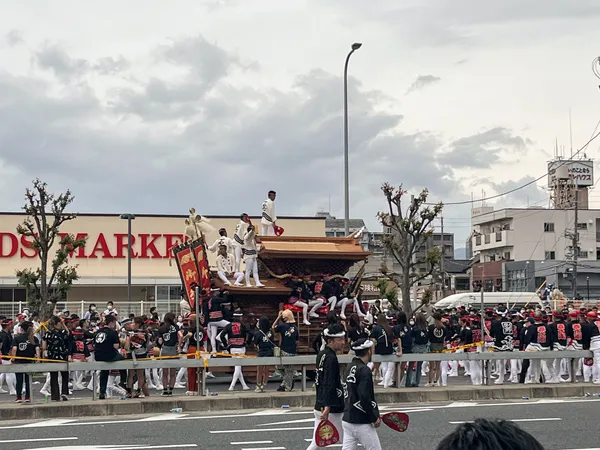
Photo: Danjiri Festival in Kishiwada
❄️ Winter (December – February)
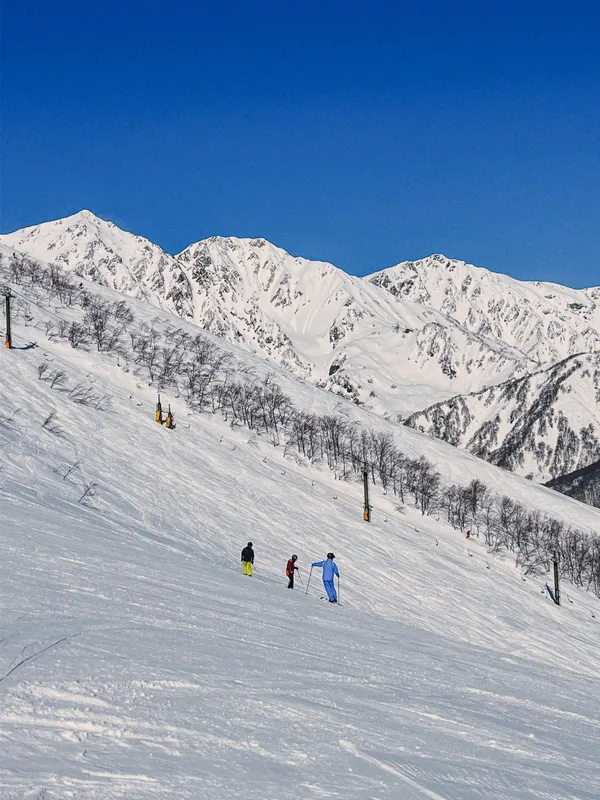
Winter is ski and snowboard season, and I absolutely love it.
Japan has some of the best snow conditions in the world, especially in Nagano, Gifu, and Hokkaido.
One thing many visitors don't realize is that it doesn't snow everywhere in Japan. Cities like Osaka and Kyoto rarely get snow, and even when they do, it's usually only once or twice a year. If you're hoping to see beautiful snowy landscapes, I'd recommend heading to Hokkaido, Tohoku, or the Japanese Alps in Nagano.
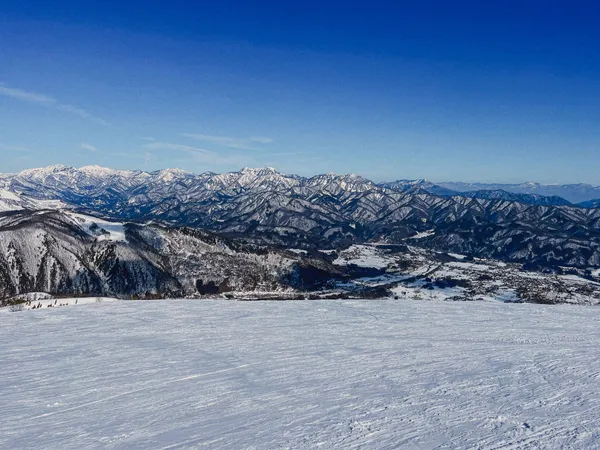
My favorite ski resort that's easy to reach from Osaka is Hakuba Happo-One in Nagano. It offers amazing snow, beautiful mountain scenery, and is perfect for both skiing and snowboarding.
One of the best things is that you don't need to rent a car. There are plenty of overnight buses from Osaka and Kyoto to popular ski resorts, making it an easy and budget-friendly way to travel. You can leave in the evening, sleep on the bus, and wake up surrounded by snow.
My perfect winter day is spending the day snowboarding, then soaking in a natural hot spring afterwards. There's honestly no better feeling.
If you're visiting Japan in February, don't miss the Sapporo Snow Festival in Hokkaido. It's one of Japan's biggest winter events, featuring enormous snow and ice sculptures, food stalls, and beautiful illuminations.
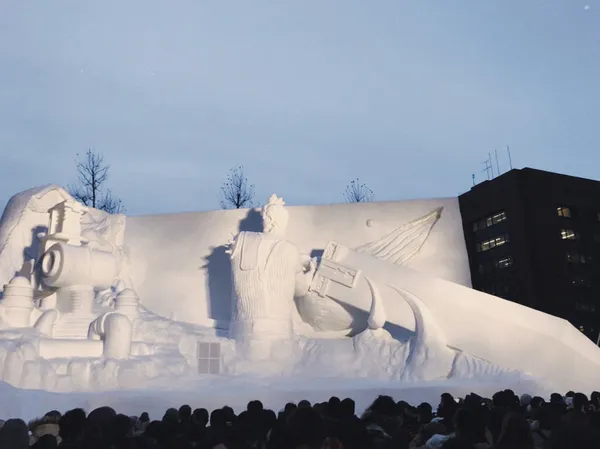
Photo: Sapporo Snow Festival in Hokkaido
December is also beautiful because cities are decorated with Christmas lights. Japan celebrates Christmas, but unlike many Western countries, it isn't a public holiday, so life continues as usual.
When Should You Avoid Visiting Japan?
Japan is wonderful all year round, but if you want a smoother trip, I'd try to avoid our three busiest holiday periods:
Golden Week (late April – early May)
Obon (around mid-August)
New Year holidays (late December – early January)
During these periods, trains, flights, hotels, and tourist attractions become much busier because many Japanese people travel at the same time.
So... when's the best time?
If you're visiting Japan for the first time, I'd personally recommend May or late November.
You'll enjoy beautiful scenery, comfortable weather, and fewer crowds than during cherry blossom season.
But honestly, every season has its own charm.
I've spent my whole life discovering different sides of Japan, and I still find new places to fall in love with every year. That's exactly why I created this guide - to help you experience Japan beyond the typical tourist spots and enjoy it like a local.

Looking for spots?
Go check out my guide for the best free spots as well as itineraries and travel tips to make your trip unforgettable.