Cerveza Artesanal de Shikoku: Pequeñas Cervecerías en Lugares Inesperados
Desde pueblos de montaña con cero residuos hasta islas remotas, 8 pequeñas cervecerías en Shikoku elaboran cerveza con ingredientes locales y una gran pasión
Este texto se tradujo automáticamente de

Michael Minsky
Shikoku, Japan


Shikoku no es el primer lugar que viene a la mente cuando piensas en cerveza artesanal japonesa, pero es precisamente por eso que vale la pena explorarlo. En toda esta isla, pequeñas cervecerías están surgiendo en lugares inesperados: pueblos de montaña con cero residuos, islas remotas, almacenes renovados en barrios tranquilos. Los cerveceros están elaborando cerveza con cítricos locales, cultivando sus propios lúpulos y, a menudo, operando con una o dos personas, con más pasión que financiación.
Además de elaborar cerveza excelente, lo que hace especial la escena de la cerveza artesanal de Shikoku son las historias. El estadounidense que se enamoró del río más claro de Japón y aprendió a construir un sistema de tratamiento de aguas residuales. La pareja que se mudó a una pequeña isla y renovó una casa de campo de 150 años para convertirla en cervecería. El dueño de una tienda de ropa que decidió añadir una cervecería en la parte trasera de su tienda y ahora lanza una cerveza nueva cada semana.
No son operaciones sofisticadas con capital de riesgo detrás. Son personas que elaboran la cerveza que quieren beber, en los lugares donde quieren vivir, utilizando ingredientes que les entusiasman. Y muchos de ellos se encuentran en lugares impresionantes a lo largo de ríos de montaña o con vistas al Mar Interior de Seto.
Aquí tienes ocho cervecerías que vale la pena buscar mientras viajas por Shikoku.
Prefectura de Tokushima
Kamikatz Stonewall (RISE & WIN Brewing) - Pueblo de Kamikatsu
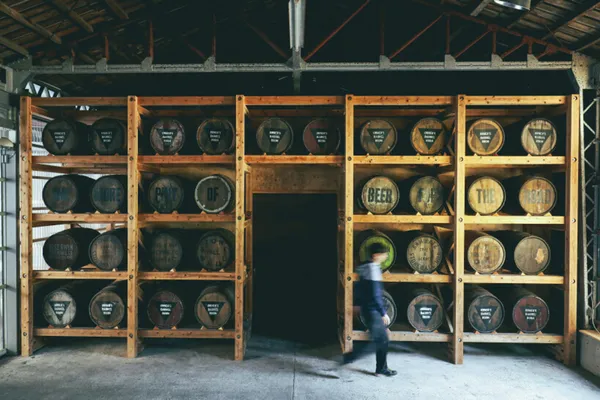
Kamikatsu es famoso por una cosa: ser el primer pueblo de Japón con cero residuos. Por eso tiene sentido que la cervecería aquí esté igualmente comprometida con la sostenibilidad. RISE & WIN opera en un aserradero convertido en las montañas, y se han tomado en serio la filosofía de cero residuos. El grano gastado de la elaboración no se desecha. Se convierte en fertilizante líquido que se utiliza para cultivar cebada, creando lo que ellos llaman un ciclo de elaboración "regenerativo".
La cervecería utiliza ingredientes especiales de Kamikatsu en sus cervezas: yukou, un cítrico local más aromático que el yuzu, y Kamikatsu bancha, un té fermentado con hojas y tallos que normalmente se desecharían durante la producción. La IPA elaborada con bancha tiene una profundidad inusual donde las notas terrosas del té se equilibran con los brillantes lúpulos americanos.
La cervecería principal se llama Stonewall Hill, y puedes visitarla con reserva para tours y degustaciones en su Indigo Tower. Pero también tienen un restaurante y una sala de grifos (BBQ & General Store) donde puedes beber cerveza fresca junto con comida elaborada con productos de Kamikatsu. Incluso hay una sala de grifos en Tokio si no llegas a las montañas.
Qué probar: Cualquier cosa con cítricos yukou, la bancha IPA
JouZo Beer Base - Ciudad de Anan
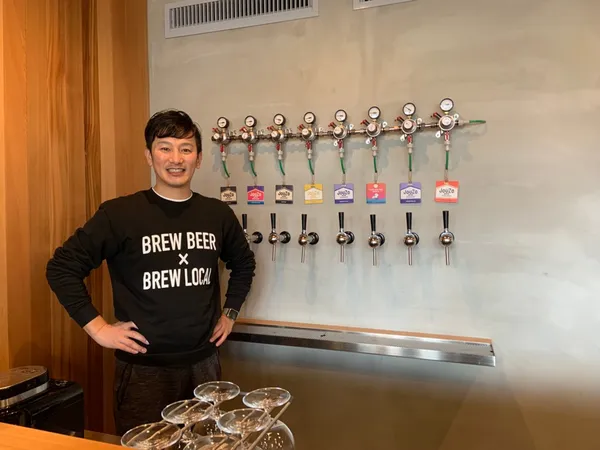
JouZo es lo que sucede cuando alguien deja un trabajo corporativo, trabaja como coordinador de revitalización regional en una isla de Hiroshima y luego decide regresar a su hogar en Tokushima para abrir una cervecería. Sumitomo Masanori dirige este lugar esencialmente solo en la ciudad de Anan, en un almacén de madera convertido cerca de su casa de la infancia donde solía atrapar escarabajos en el aserrín.
El concepto es simple: usar ingredientes de Tokushima para hacer cerveza que interese a la gente en la región. Ha elaborado con sudachi (por supuesto), arroz local, peras que cayeron durante tifones y no pudieron venderse, y fresas. La cervecería se llama a sí misma 会いに行けるマイクロブルワリー (una cervecería que puedes visitar), y ese es el objetivo. Es lo suficientemente pequeña como para que, cuando aparezcas, probablemente estés charlando con el propio cervecero.
Qué probar: Lo que sea que use productos de temporada de Tokushima
Prefectura de Kagawa
Shiro Suzume - Takamatsu
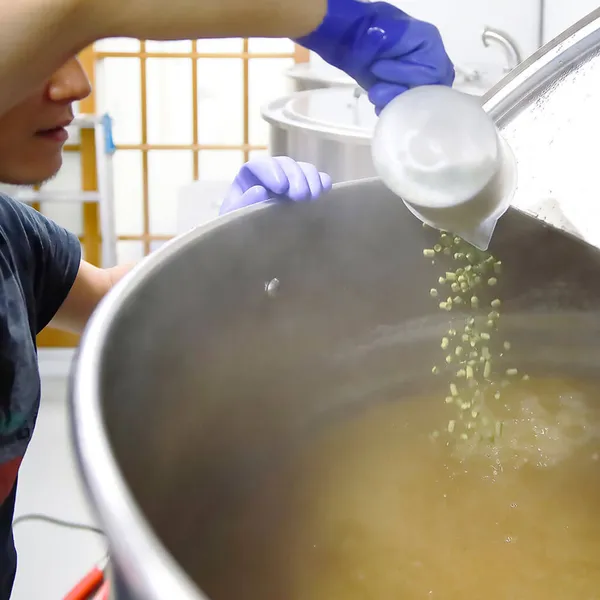
Shirosuzume (Gorrión Blanco en inglés) tiene la misión de mostrar a la gente lo diversa que puede ser la cerveza. En lugar de centrarse en un estilo o una cerveza insignia, rotan constantemente entre diferentes estilos para demostrar la variedad de la cerveza. La sala de grifos adjunta se llama "Torikago" (jaula de pájaros), lo cual es un bonito juego con el tema del gorrión.
Está en Takamatsu, lo que la convierte en una de las cervecerías más accesibles de esta lista. El enfoque aquí es tanto educativo como de disfrute. Quieren que las personas nuevas en la cerveza artesanal descubran la amplitud de lo posible, y que los amantes de la cerveza encuentren algo que no hayan probado antes.
Qué probar: Lo que esté de barril, el objetivo es la variedad
Setouchi Beer - Takamatsu
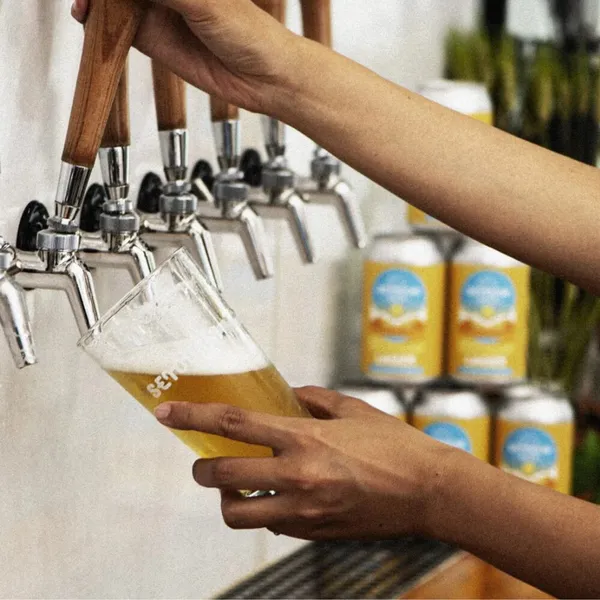
Setouchi Beer elabora cervezas que coinciden con la personalidad del Mar Interior de Seto: tranquilas, equilibradas, fáciles de beber. El maestro cervecero, Doi Kohei, proviene de un entorno farmacéutico, por lo que aborda la elaboración con la precisión de un científico. Pero el objetivo no es la ostentación técnica. Es crear cervezas lo suficientemente ligeras como para que quieras otra, con el carácter justo para mantener las cosas interesantes.
Al estar en Kagawa (prefectura de udon), se han inclinado por el tema con cervezas como "Udon Brewing" que usan trigo y juegan con la idea del udon como perfil de sabor. Su serie "Setouchi" está diseñada para los mariscos de la región y las tardes cálidas y ventosas que pasas comiéndolos.
La sala de grifos se llama Riverside 351 y está adjunta a su cervecería en Takamatsu. Puedes beber cerveza fresca mientras los ves elaborar el siguiente lote.
Qué probar: Setouchi IPA o Lager, la serie udon si quieres algo diferente
Prefectura de Ehime
DD4D Brewing - Matsuyama
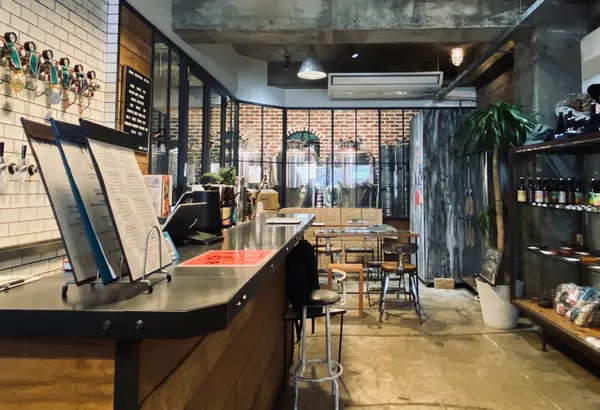
DD4D comenzó como una tienda de ropa en 1998. En 2019, añadieron una cervecería en la parte trasera. Ahora, cuando entras en su tienda en el centro de Matsuyama, pasas por estantes de moda cuidadosamente seleccionada, y en la parte de atrás hay un bar donde puedes beber cerveza elaborada a unos diez metros de distancia detrás de paredes de cristal.
El maestro cervecero, Yamanochi Keita, fue el cervecero inaugural en Y.Y.G. Brewery en Tokio antes de regresar a la casa de su familia en Matsuyama. Elabora una cerveza nueva casi todas las semanas. Algunas usan cítricos de Ehime (mikan, iyokan, setoka). Algunas son colaboraciones con cervecerías de sake locales o tostadores de café. Algunas son solo experimentos porque quería ver qué pasaría.
En 2021, abrieron DD4D Factory en Mitsuhama, un barrio portuario de Matsuyama, donde tienen una capacidad de elaboración mucho mayor y una sala de grifos abierta solo los fines de semana. Todo el concepto trata de hacer lo que amas sin estar limitado por las convenciones, lo cual se refleja tanto en el espacio como en la cerveza.
Qué probar: Su serie Homegrown Organic Beer con cítricos de Ehime
Gogoshima Beer Farm - Gogoshima
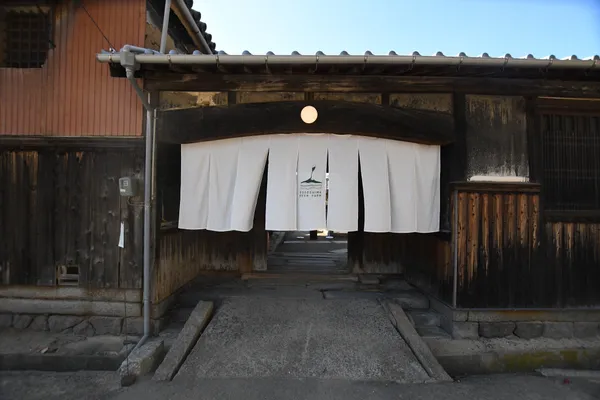
Gogoshima es una pequeña isla frente a la costa de Matsuyama. Tomas un ferry desde el puerto de Takahama, y a unos cinco minutos a pie del muelle hay una casa de campo de 150 años que una pareja de Yokohama renovó para convertirla en cervecería.
Nagumo Nobuki y su esposa se mudaron aquí en 2022 y abrieron en 2023. La ubicación lo dice todo sobre su enfoque: querían hacer cerveza en una isla, usando ingredientes de la isla (limones, hierba limón cultivada localmente), en un espacio que se siente como si estuvieras visitando la casa de alguien en lugar de un bar. El cervecero anterior venía de DD4D, así que hay habilidad técnica detrás de la atmósfera acogedora.
Sus cervezas están diseñadas para maridar con comida, lo cual tiene sentido dado que están rodeados de mariscos de Setouchi. También se centran en el "upcycling" de ingredientes que de otro modo se desperdiciarían, encajando en ese tema más amplio de Shikoku de producción reflexiva y sostenible.
La sala de grifos solo abre de viernes a domingo, y estás bebiendo cerveza mientras miras el mar, sentado en mesas que ellos mismos construyeron.
Qué probar: Iyokan IPA, cualquier cosa con cítricos de la isla
Prefectura de Kochi
Mukai Craft Brewing - Niyodo
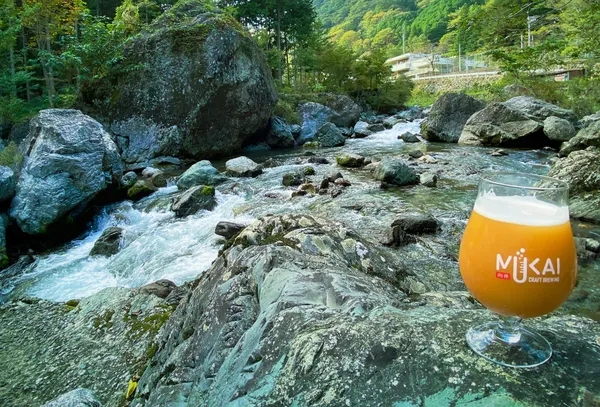
Conocimos a Ken Mukai en un festival en la ciudad de Kochi, donde él y su esposa tenían un puesto para su cervecería. Es un tipo japonés-estadounidense alto y amigable de Los Ángeles que se animó mucho al hablar de cerveza y del río Niyodo, y de por qué terminó en las montañas haciendo cerveza. Es un poco 'nerd' al respecto, de la mejor manera posible, el tipo de persona que te explicará la química detrás de la elaboración mientras también te cuenta cómo se casó con una mujer de Kochi, se enamoró de los productos de la región y decidió que este era el lugar donde quería hacer cerveza.
Su cervecería está en lo profundo de las montañas a lo largo del río Niyodo, que ha sido nombrado el río más claro de Japón en múltiples ocasiones. Cuando montó la cervecería, necesitaba un sistema de tratamiento de aguas residuales, y los presupuestos ascendían a ¥15 millones. Así que Ken, que solía enseñar física y química, construyó el suyo propio por unos ¥150,000 usando ozono y aire. Pasó seis meses experimentando hasta que funcionó.
Las cervezas utilizan ingredientes locales: batatas, kuromoji (un arbusto de especias local), jengibre, té. Su cerveza más interesante se llama "17", nombrada así por la densidad de población del pueblo de Niyodo (16.7 personas por kilómetro cuadrado). Es una stout hecha con batatas locales, y el sueño de Ken es algún día elaborar una cerveza llamada "18" cuando la población del pueblo crezca.
La sala de grifos (Blue Brew) tiene 16 grifos y está ubicada en lo que parece el medio de la nada, rodeada de bosque y agua clara. Llegar allí requiere determinación, pero ese es un poco el objetivo.
Qué probar: Stout de batata "17", "2410" (Niyodo)
Wayfarer Brewing - Nankoku
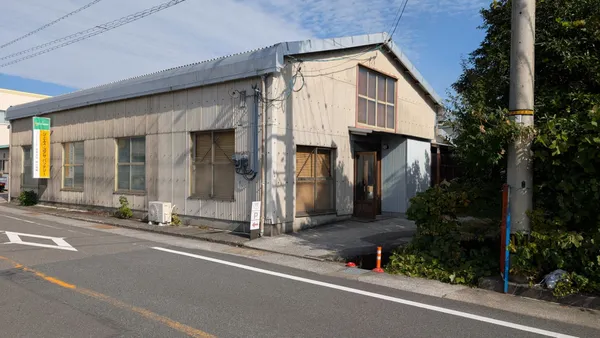
"Wayfarer" significa alguien que viaja a pie, no en avión o tren, sino caminando. Es un nombre apropiado para Matt Boyd, un australiano que llegó a Japón, conoció a su esposa Yuki en Chiba y finalmente terminó en su ciudad natal de Nankoku en Kochi, donde abrieron esta cervecería en 2023.
Matt ha estado obsesionado con la cerveza desde la universidad en Australia, donde pasó años experimentando con la elaboración casera. Utiliza más de 30 variedades de lúpulo de todo el mundo, pero también cultiva nueve variedades él mismo en Nankoku, lo que significa que algunos lotes usan lúpulos cosechados horas antes de la elaboración.
La cervecería está en un almacén convertido que Yuki renovó en gran parte ella misma, viendo videos de YouTube para aprender a construir el interior. Es un espacio pequeño y sencillo con algunas mesas y un bar, pero la hospitalidad es cálida y el japonés de Matt es perfecto, así que no te preocupes si no hablas inglés.
Están constantemente ajustando recetas y probando nuevos enfoques, por lo que la cerveza que obtengas este mes podría ser diferente del mismo estilo el próximo mes. Esa experimentación es lo que lo hace interesante.
Qué probar: Foggy IPA, cualquier cosa con lúpulos frescos si es temporada de cosecha
Planifica tu visita
La mayoría de estas cervecerías son operaciones pequeñas con horarios limitados, así que consulta sus Instagram o sitios web antes de ir. Varias (Mukai, Gogoshima, Kamikatz Stonewall) requieren reservas anticipadas para tours. Otras (DD4D, Setouchi Beer, White Sparrow) tienen horarios regulares de sala de grifos y son más fáciles de visitar espontáneamente.
Si te tomas en serio visitar varias cervecerías, alquilar un coche tiene sentido para Tokushima y Kochi, donde el transporte público es limitado. Las cervecerías de Kagawa y Ehime son más accesibles en tren y transporte local. Pero recuerda, Japón tiene una política de tolerancia cero en cuanto a beber y conducir, así que asegúrate de tener un conductor designado y compra algunas latas para llevar a casa contigo.
El mejor enfoque es elegir una o dos cervecerías por zona en lugar de intentar visitarlas todas, o usarlas como parada de descanso en viajes más largos. Estos lugares están dispersos, a menudo en ubicaciones remotas, y parte de lo que los hace especiales es tomarse el tiempo para sentarse, hablar con los cerveceros y entender lo que están tratando de hacer. Si te apresuras, te perderás el punto por completo.
¿Quieres ver más?
He creado mapas, itinerarios y más para viajeros que quieren viajar como yo.

¿Buscas actividades?
Consulta mi guía para conocer las mejores actividades gratuitas, así como itinerarios y consejos de viaje para que tu viaje sea inolvidable.