
cultura
cultura

What it is: One of Kyoto’s great Zen temple complexes and the head temple of the Tōfuku-ji school of Rinzai Zen. Famous for the ravine of maples crossed by the covered Tsūten-kyō Bridge and the modern-classic Hōjō gardens by landscape master Mirei Shigemori. A short hop from Kyoto Station—and one stop from Fushimi Inari—this is the city’s autumn foliage icon.
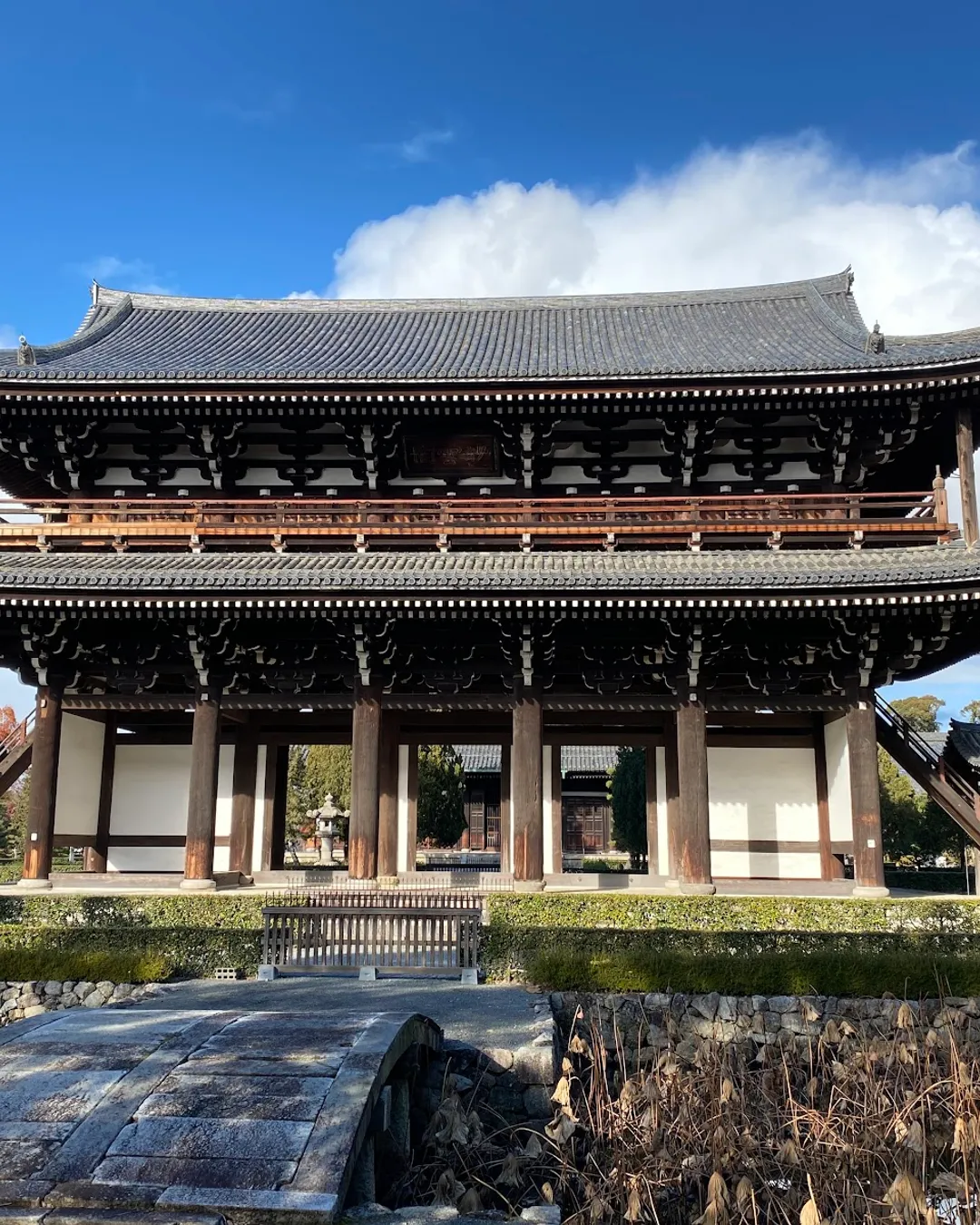
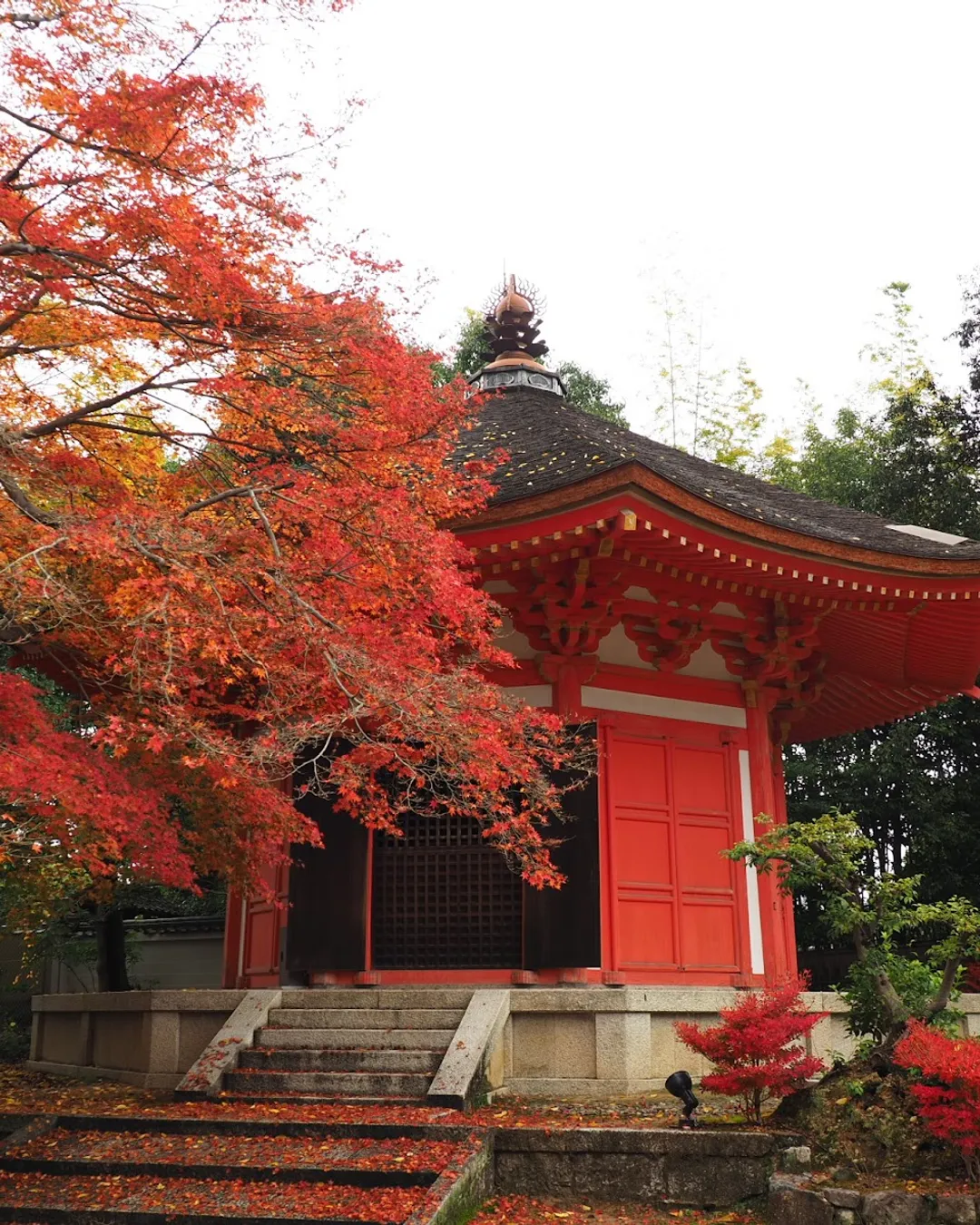
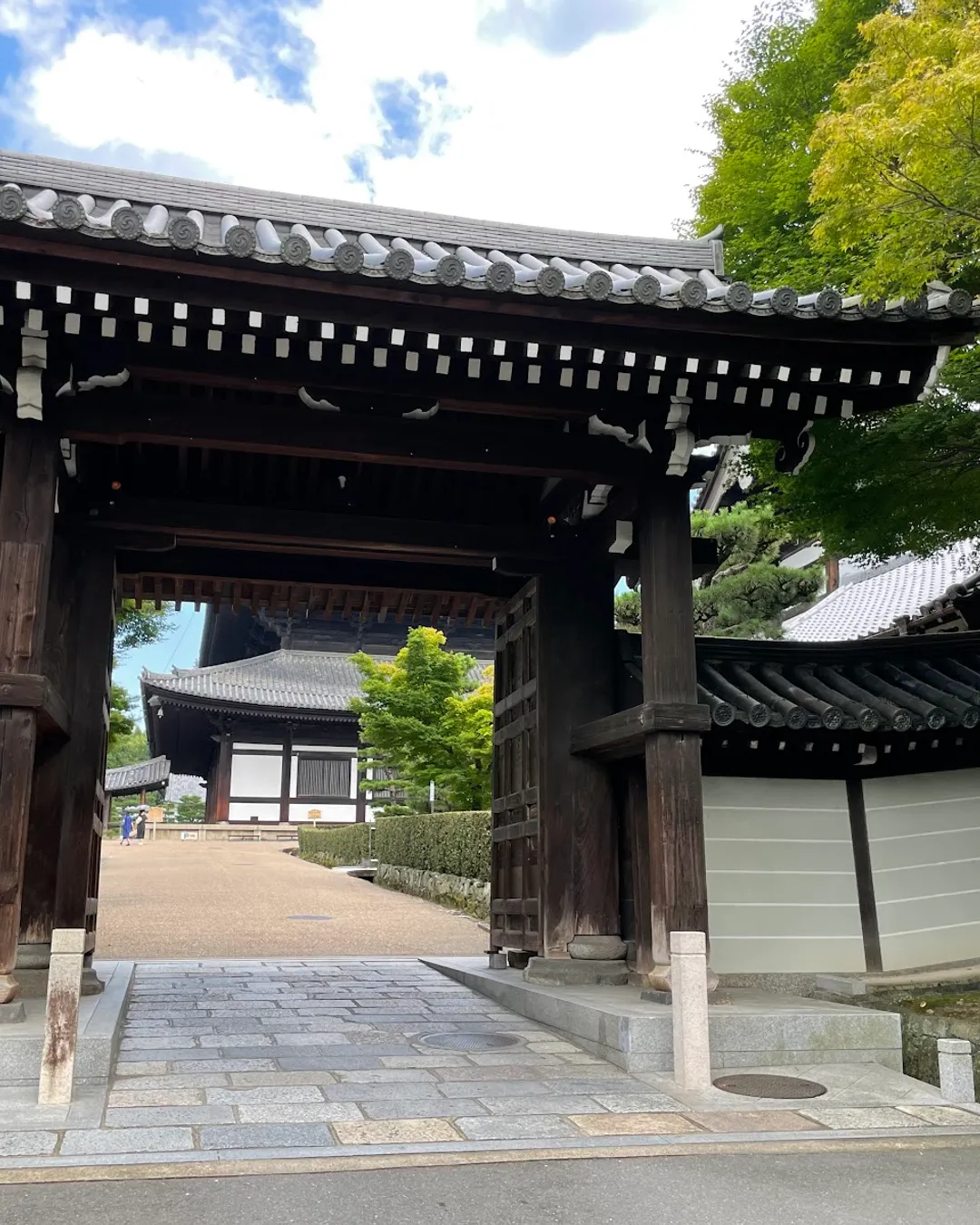
Tōfuku-ji feels like a small town of timber and stone. You pass under the towering Sanmon gate (one of Japan’s most important Zen gates) and the air cools; gravel paths lead toward wooden halls, cloisters, and quiet side courtyards where incense moves in slow threads. The heart-stealer is the maple valley: a wooded gorge spanned by the roofed Tsūten-kyō. In green months it’s a deep, mossy tunnel; from mid-autumn it ignites—layer on layer of red, orange, and gold, with the bridge floating like a silhouette in the leaves. Walk the bridge and look sideways into the canopy; drop to the valley floor paths for trunks, roots, and the sound of water.
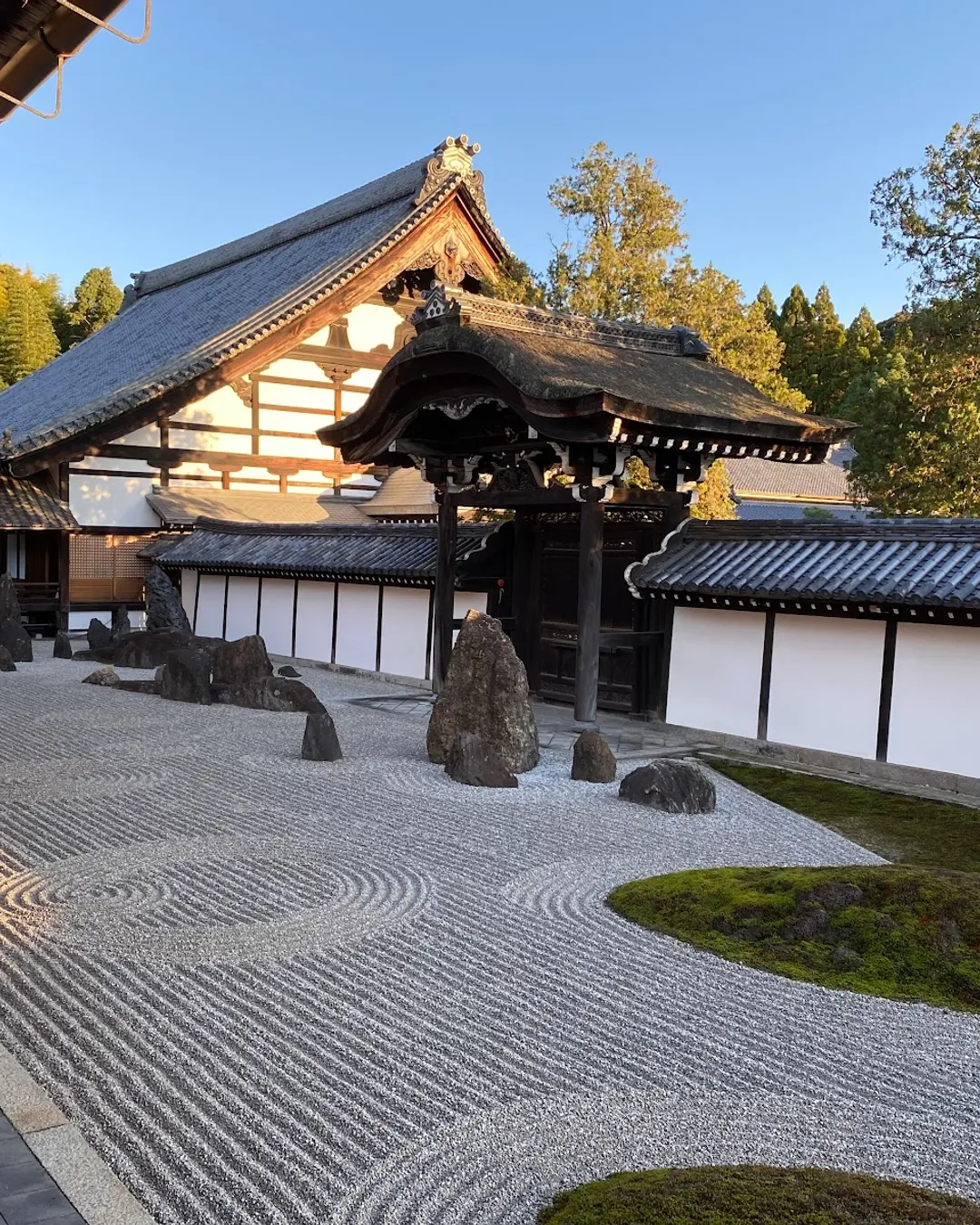
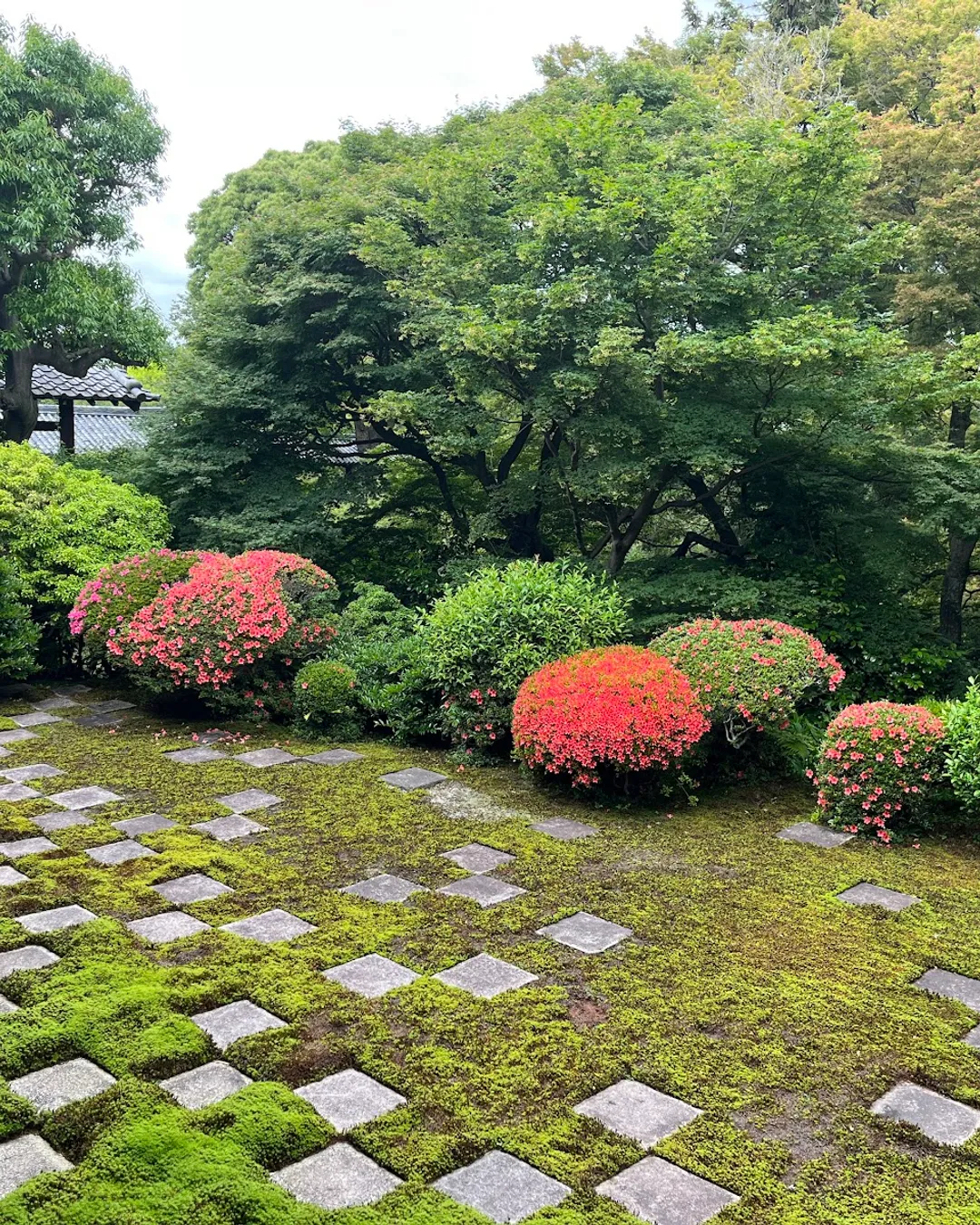
From the ravine you loop to the Hōjō (Abbot’s Quarters) to see Shigemori’s four linked gardens. Each side has its own personality: a spare dry landscape of stones and raked gravel; a rhythmic pattern of moss and paving; an abstract composition of standing stones; and a checkerboard that photographers dream about when rain darkens the squares. None of it is showy; all of it is deliberate. Interiors open onto engawa verandas where sandals come off and time slows. Seasonal notes matter here: fresh greens and maples in late spring, cicadas and shade in summer, a riot of color in November, and in winter a graphite calm that sharpens every line.
Because Tōfuku-ji lets you feel two masterpieces in one visit: a natural drama (the maple ravine and bridge) and a crafted meditation (Shigemori’s gardens). Many temples do one or the other; this place does both, side by side, and the contrast makes each clearer. It’s also remarkably easy to weave into a day: arrive early from Kyoto Station, breathe through the maples, study the gardens, and step back onto the train to Fushimi Inari ten minutes later. If you come in peak foliage, the crowds prove its fame, but the pathways, verandas, and garden edges still give you private moments—reflections in a puddle, a wind-shift that turns leaves silver, the hush inside a hall while the world queues outside.
Area: Southeast Kyoto, one stop from Kyoto Station on the JR Nara Line (get off at Tōfuku-ji Station). Also served by the Keihan line.
Time needed: 60–120 minutes for bridge/valley + Hōjō gardens (longer in foliage season).
Admission: The Tsūten-kyō/Kaizan-dō area and the Hōjō gardens are separate tickets; outer grounds are free.
Hours: Standard daytime opening; last entry mid–late afternoon (varies by season/area).
Season notes: Peak kōyō (autumn color) typically mid–late November. Rain days = saturated moss and magical reflections.
Enter through Sanmon → walk to Tsūten-kyō and take the bridge both directions (canopy views + valley floor angle).
Circle the Hōjō and read each garden slowly—one minute per side, then another minute standing still.
Exit back toward the station for Fushimi Inari, or grab a quiet tea in a nearby café before your next stop.
Bottom line: bridge over blazing maples outside, modern Zen geometry inside—Tōfuku-ji is Kyoto’s clearest lesson in landscape and stillness, and a must-do especially when the valley turns to fire. Arrive early, move slowly, and let the gardens reset your pace. 🌿🍁