
actividad
actividad

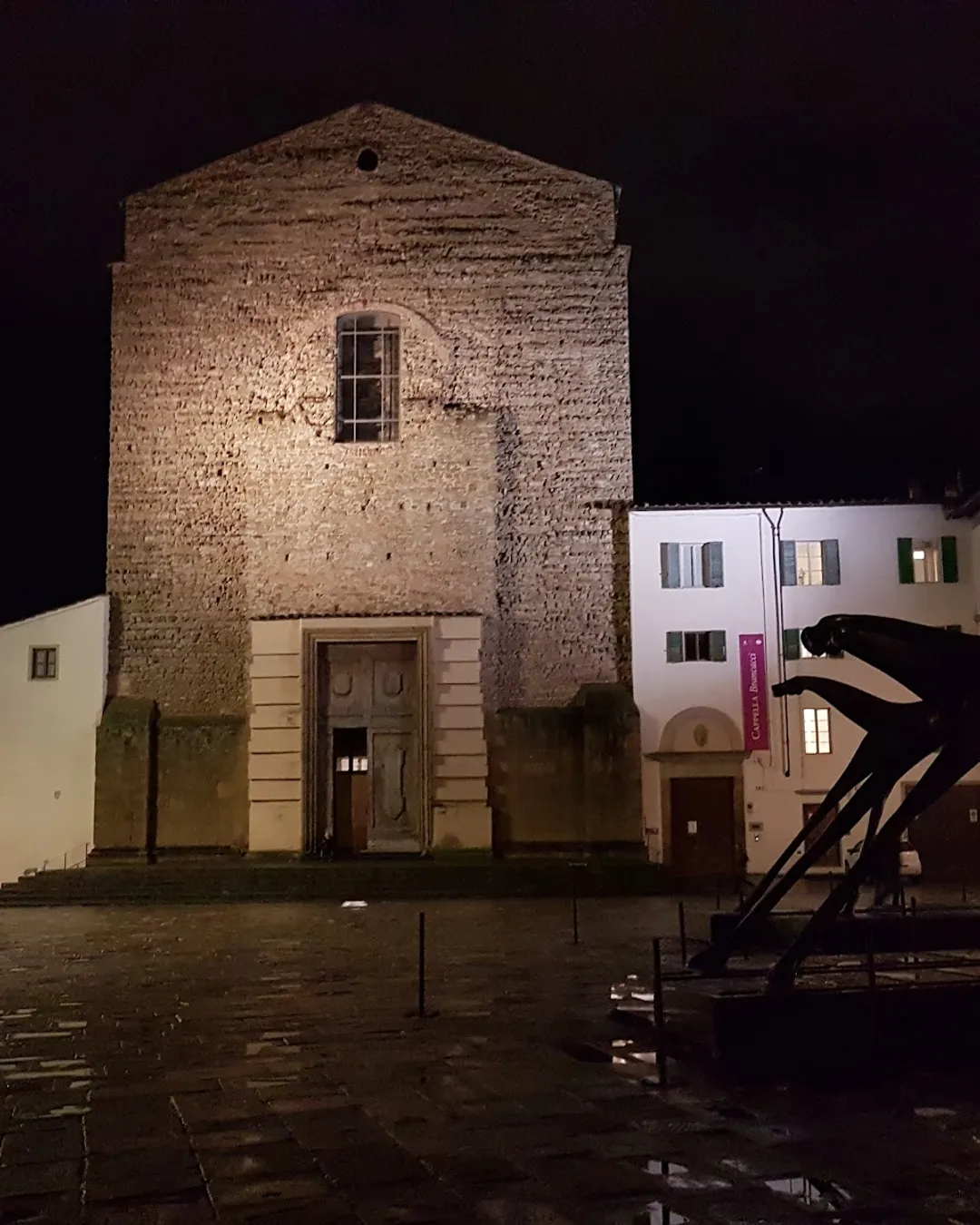
Piazza Santo Spirito is Florence at its most lived-in—less polished, more soulful, and deeply local.
4
The square sits in Oltrarno, traditionally the artisans’ quarter—woodworkers, goldsmiths, restorers, cooks.
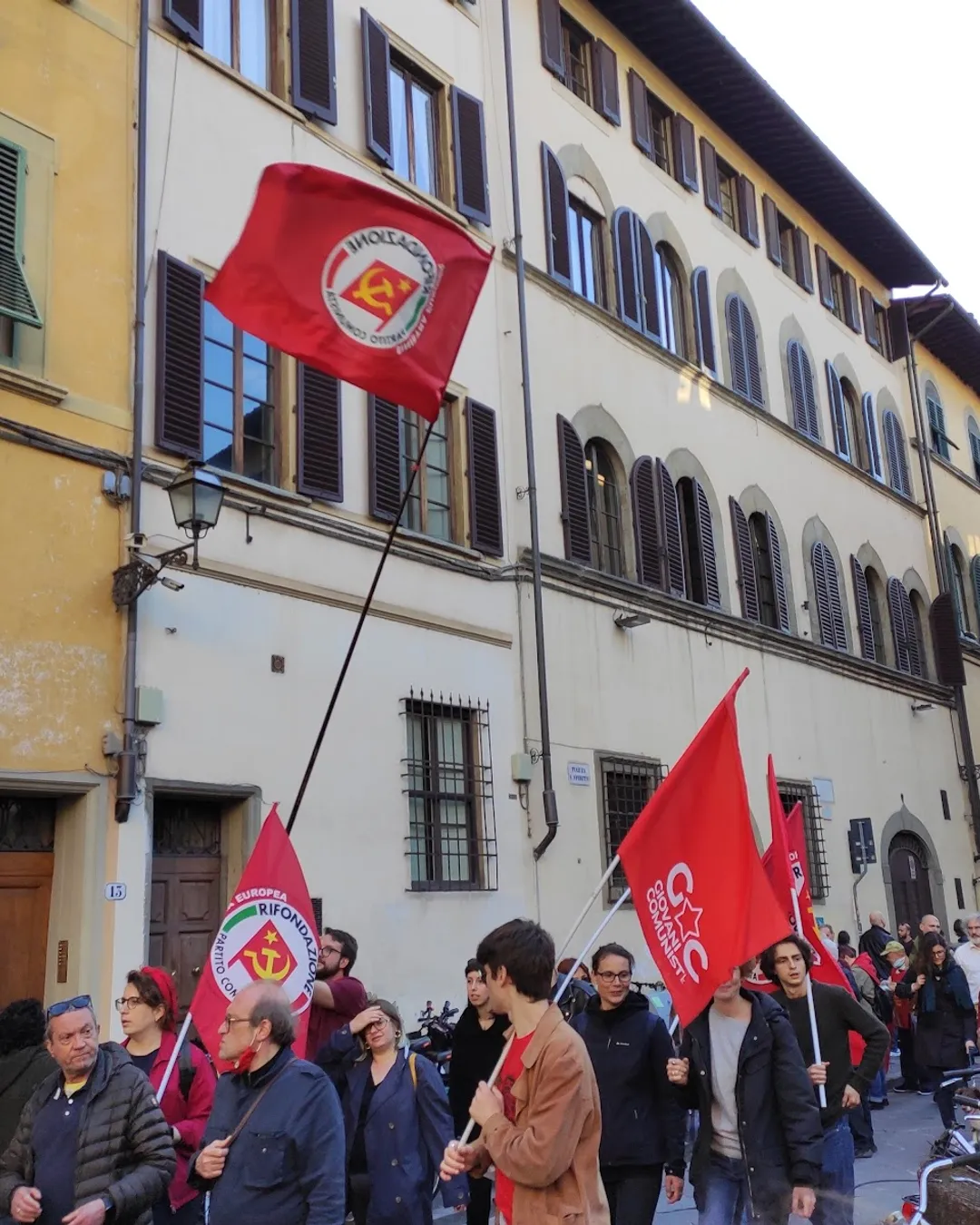
This is where Florentines actually meet friends, raise kids, argue politics, drink wine.
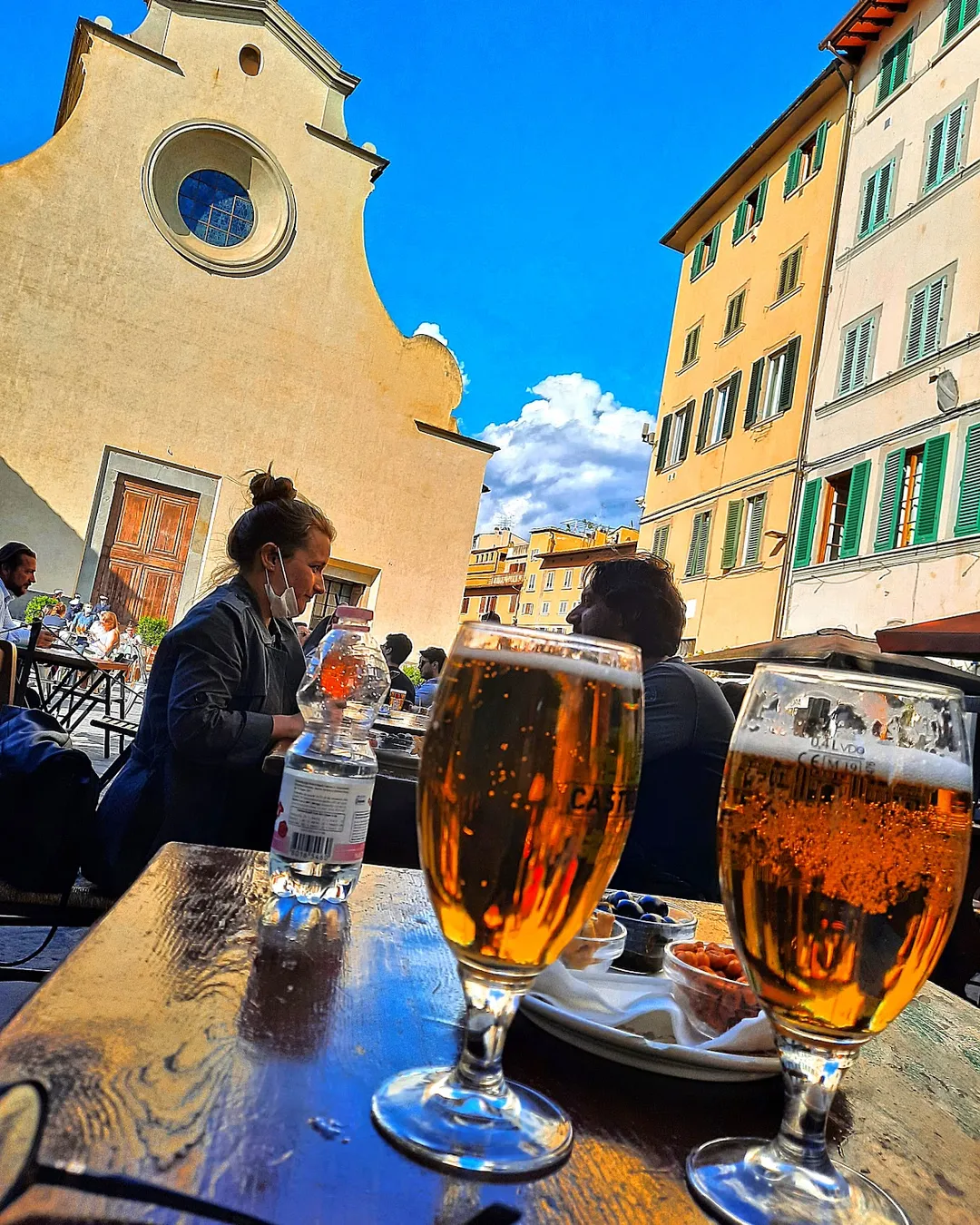
Basilica di Santo Spirito, designed by Brunelleschi, is intentionally restrained.
The plain façade hides one of the most harmonious Renaissance interiors in Florence.
Inside is also a wooden crucifix carved by a young Michelangelo—quiet, human, and deeply expressive.
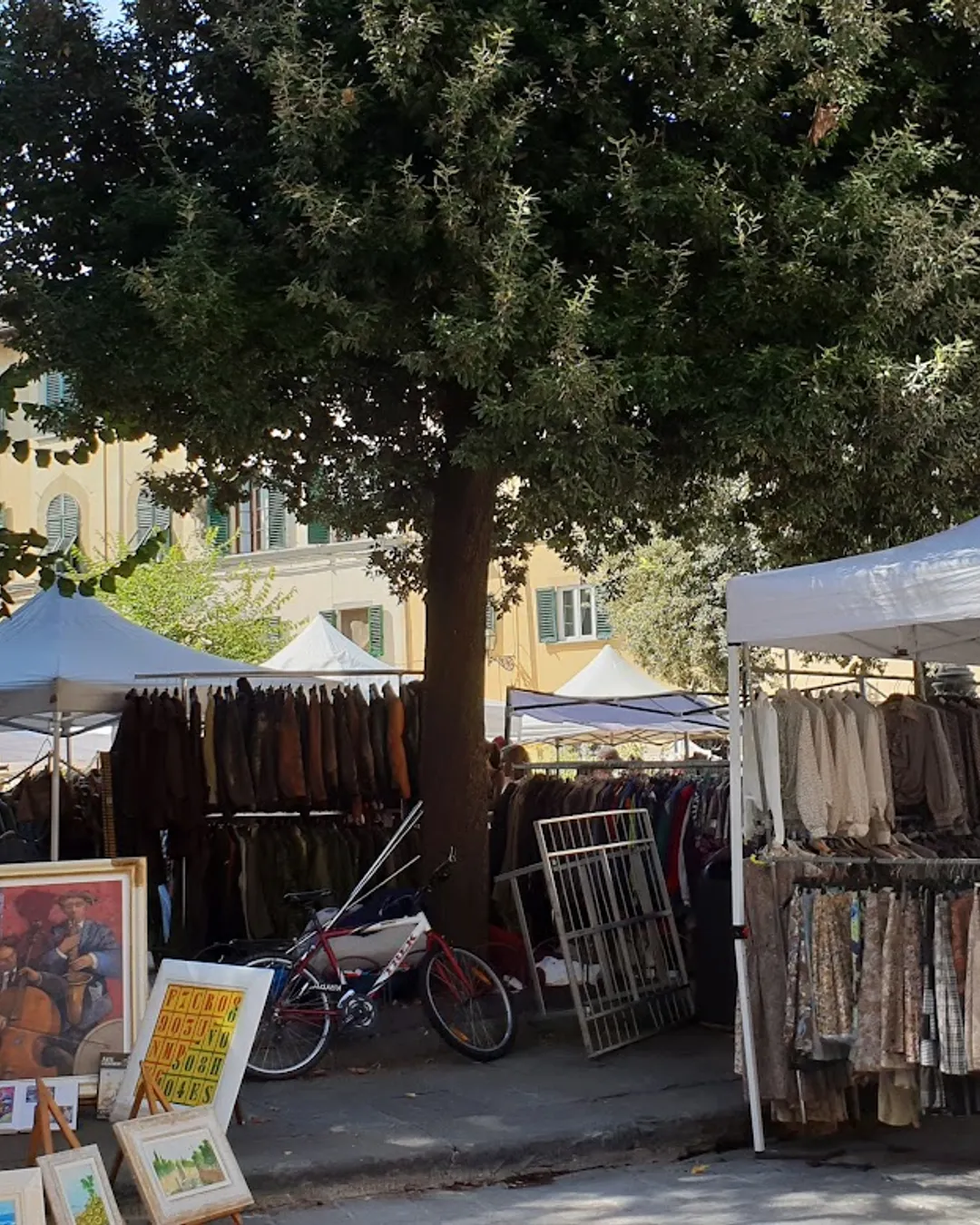
Morning: neighborhood market—produce, flowers, bread.
Afternoon: kids kicking balls, locals chatting on benches.
Evening: aperitivo spills onto the square; tables, laughter, glasses clinking.
Night: relaxed but alive—never flashy, always authentic.
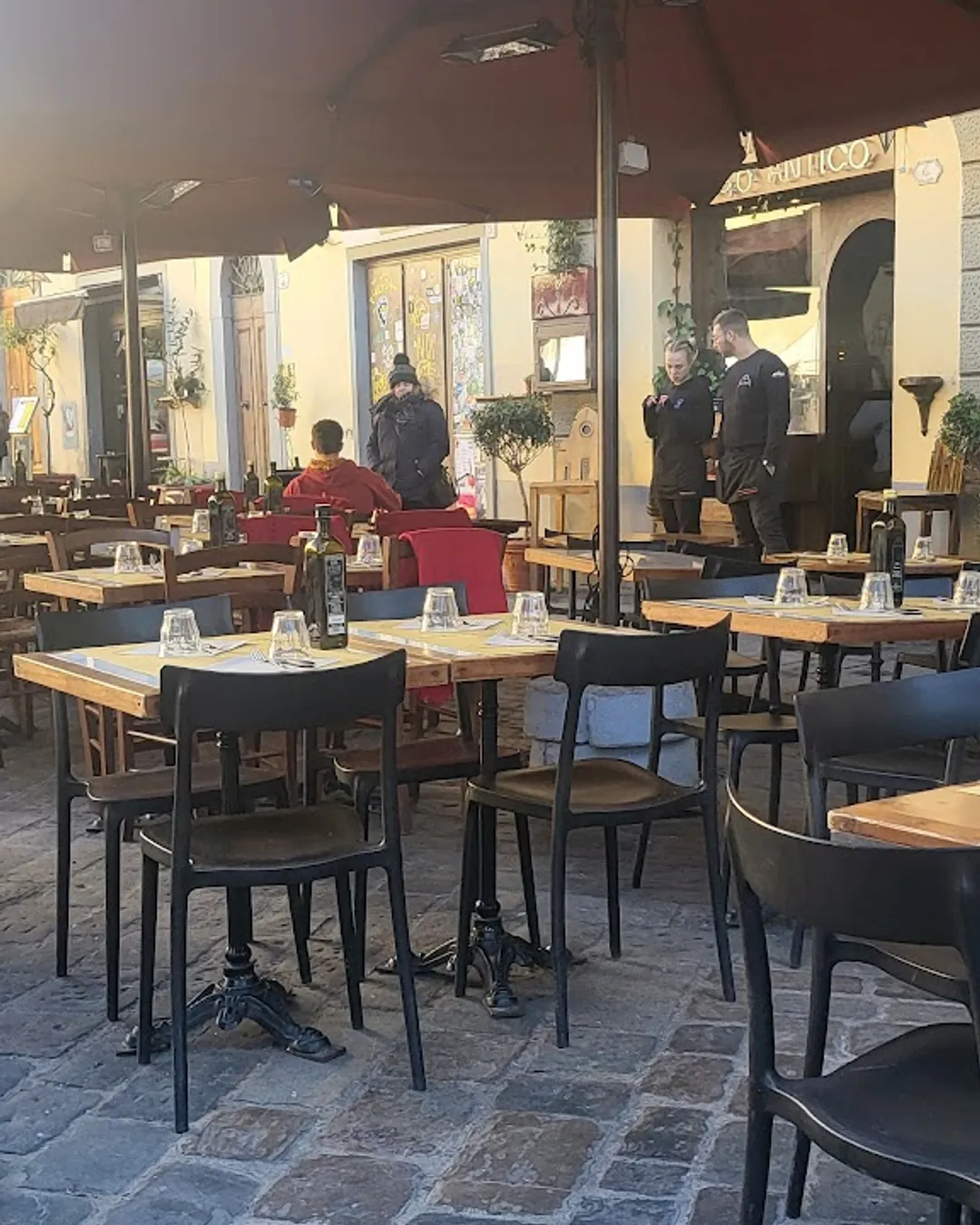
Casual wine bars, trattorias, and pizzerias line the edges.
Expect simple Tuscan cooking, seasonal plates, honest prices.
This is where chefs eat after work, not where tourists queue for photos.
No grand monumentality like Piazza della Signoria.
No cathedral dominance like Siena’s Campo.
Instead: proportion, people, and rhythm.
It feels like a village square that just happens to be in Florence.
Santo Spirito has long been associated with intellectuals, artists, and counter-culture.
In the 1960s–70s it was bohemian; today it’s creative, grounded, and slightly rebellious in spirit.
Visit twice: once late morning, once after sunset.
Sit down—don’t rush.
Order something simple, watch the square change, listen to Italian around you.