Geografía y Regiones de Perú
Descubre las tres regiones de Perú (costa, Andes y Amazonía) y por qué cada una debe estar en tu itinerario.
Este texto se tradujo automáticamente de

This is Mayberry
Peru

Una de las razones por las que nos enamoramos de Perú es lo drásticamente diferente que se siente de una región a otra. En un solo viaje, puedes caminar por picos nevados, pasear por ciudades coloniales, explorar ruinas antiguas y remar en las profundidades del Amazonas. Comprender las tres regiones principales de Perú (la costa, los Andes y la Amazonía) te ayudará a planificar un viaje que se adapte a tus intereses y te preparará para la variedad de experiencias y climas que encontrarás.
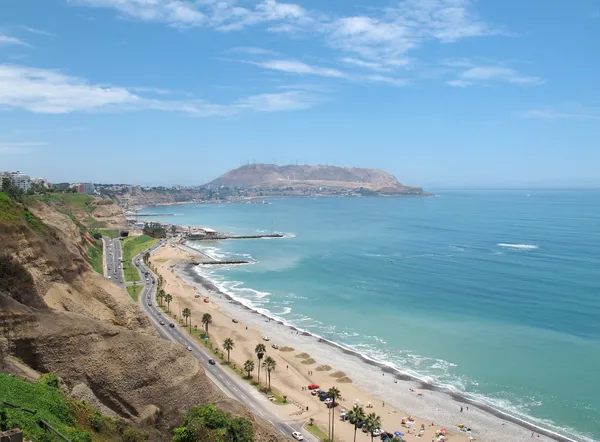
La Costa (La Costa)
Extendiéndose a lo largo del Océano Pacífico, la costa de Perú es donde la mayoría de los viajeros internacionales aterrizan por primera vez, ya que Lima es la principal puerta de entrada del país.
Lima: Una capital bulliciosa encaramada en acantilados dramáticos sobre el océano. Es el hogar de la mejor escena gastronómica de Perú, desde restaurantes de renombre mundial hasta humildes vendedores ambulantes. No te pierdas el Malecón de Miraflores, un hermoso paseo por los acantilados por el que nos encontramos caminando a diario.
Paracas y Huacachina: Al sur de Lima, Paracas es a menudo llamada las “Pequeñas Galápagos” por su rica vida silvestre, mientras que Huacachina es un pequeño oasis en el desierto donde puedes probar el sandboarding o los paseos en buggy por las dunas.
Playas del Norte: Más al norte, lugares como Máncora ofrecen aguas cálidas, cultura surfista y sol durante todo el año.
👉 Consejo Profesional: Aunque la costa parezca soleada en las fotos, Lima es famosa por estar nublada de mayo a octubre (los meses de invierno de Perú). No esperes cielos azules hasta que te dirijas más al norte o al interior.
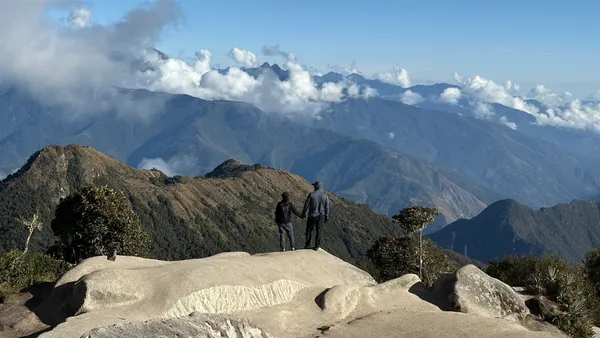
Los Andes (La Sierra)
Los Andes son el corazón de la identidad cultural e histórica de Perú, y donde muchos viajeros pasan la mayor parte de su tiempo. Esta es la tierra de los Incas, de impresionantes cadenas montañosas y de ciudades de gran altitud.
Cusco y Valle Sagrado: Cusco fue una vez la capital del Imperio Inca y ahora es el punto de partida para Machu Picchu. El Valle Sagrado, a solo una hora de distancia, está lleno de pueblos encantadores, mercados vibrantes y ruinas antiguas. Pasamos un mes entero aquí y todavía sentimos que solo arañamos la superficie.
Machu Picchu: El monumento más conocido de Perú y una de las Siete Maravillas del Mundo. Llegar aquí requiere planificación (lo cubriremos en detalle más adelante), pero vale absolutamente la pena.
Arequipa y Cañón del Colca: Conocida como la “Ciudad Blanca”, Arequipa está rodeada de volcanes y arquitectura colonial. A pocas horas de distancia, el Cañón del Colca es el doble de profundo que el Gran Cañón y uno de los mejores lugares para avistar cóndores andinos gigantes. Ya sea que hagas una caminata de varios días por el cañón o una excursión de un día por su borde, ¡el Cañón del Colca es una visita obligada!
Puno y Lago Titicaca: Situado a más de 3.600 metros (12.000 pies), el Lago Titicaca es el lago navegable más alto del mundo y hogar de las famosas islas flotantes de los Uros. Nos quedamos tres noches con una familia aquí, y fue una de las partes más memorables de nuestro viaje.
Huaraz y la Cordillera Blanca: Un paraíso para el trekking para excursionistas serios. Las vistas a la montaña son impresionantes, pero la altitud no es una broma.
👉 Consejo Profesional: No subestimes la altitud de los Andes. Incluso actividades cotidianas como subir escaleras pueden resultar agotadoras hasta que tu cuerpo se adapte. Cubriremos cómo evitar el mal de altura en detalle más adelante para que puedas tener el viaje más agradable.
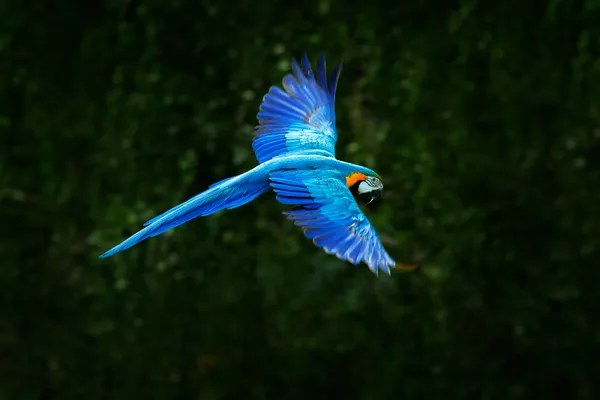
El Amazonas (La Selva)
Cubriendo más de la mitad de la superficie terrestre de Perú, el Amazonas se siente como otro mundo completamente.
Iquitos: La ciudad más grande del mundo que no está conectada por carretera, lo que significa que solo puedes llegar en avión o en barco. Es un centro para cruceros fluviales por el Amazonas y tours de vida silvestre.
Puerto Maldonado: Más fácil de alcanzar (un corto vuelo desde Cusco), Puerto Maldonado da acceso a la Reserva Nacional Tambopata, donde puedes avistar monos, guacamayos y caimanes.
Parque Nacional del Manu: Uno de los lugares con mayor biodiversidad de la Tierra, Manu es más difícil de alcanzar pero ofrece una experiencia de selva más profunda y prístina.
👉 Consejo Profesional: En la selva, espera condiciones rústicas y abraza la aventura. La electricidad puede estar disponible solo unas pocas horas al día, y el sonido de la selva por la noche es inolvidable.
Por Qué Es Famoso Perú
Maravillas Arqueológicas: Machu Picchu es la más famosa, pero sitios como Saqsaywaman, Ollantaytambo y Caral demuestran que la historia de Perú va mucho más allá de una sola maravilla.
Tradiciones Culturales: Desde el tejido quechua hasta los festivales coloridos, Perú está vivo con una herencia que sigue siendo una parte muy importante de la vida diaria.
Paisajes Diversos: Pocos países pueden igualar la variedad de desiertos, montañas, selvas y costas que ofrece Perú.
Comida de Clase Mundial: Perú se clasifica constantemente como uno de los principales destinos gastronómicos del mundo. Lima, en particular, es conocida como la capital gastronómica de Sudamérica, hogar de varios restaurantes en la lista de los 50 Mejores del Mundo. Desde ceviche en un puesto de mercado junto al mar hasta un menú degustación de 15 platos en Central, la cocina peruana es innovadora y profundamente arraigada en la tradición. No te pierdas platos básicos como el lomo saltado, el ají de gallina y las innumerables variedades de papas y maíz.
Destacados de la Vida Silvestre
Encontrarás muchas llamas y alpacas en los Andes (consejo: las alpacas son más pequeñas y esponjosas), pero la biodiversidad de Perú se extiende mucho más allá de eso.
Llamas, Alpacas y Vicuñas: Animales andinos icónicos. Las vicuñas son las primas salvajes, a menudo vistas a gran altitud. Todas son inofensivas, aunque las llamas pueden escupir si se molestan, lo que suele ser más divertido que amenazante.
Cóndores: ¡En el Cañón del Colca, vimos a estas enormes aves volar sobre los acantilados con una envergadura de hasta 3 metros (10 pies)!
Pumas: Viven en los Andes, incluyendo las montañas que rodean Machu Picchu, pero los avistamientos son extremadamente raros. Los lugareños dicen que si tienes la suerte de ver uno, es un regalo, no un peligro. Evitan a las personas.
Serpientes: Sí, Perú tiene serpientes venenosas (como la fer-de-lance) en las regiones de la selva, pero los encuentros son poco comunes si te ciñes a los senderos marcados y usas botas resistentes. En los Andes, las serpientes son mucho menos preocupantes debido a la altitud y el frío.
Insectos: En el Amazonas, los mosquitos son la “amenaza” más grande. No es cuestión de vida o muerte, pero pueden hacer que tu viaje sea miserable sin repelente.
Otras Criaturas de la Selva: Jaguares, caimanes y nutrias gigantes de río viven en el Amazonas. Los jaguares son esquivos y evitan a los humanos; los caimanes suelen ser avistados en tours en barco por la noche. Los guías son excelentes para mantenerte seguro.
👉 Es Bueno Saber: Para la mayoría de los viajeros, el mayor peligro de la vida silvestre son en realidad los perros. Los perros callejeros están por todas partes, especialmente en los Andes. La mayoría son amigables o indiferentes, pero evita acariciarlos (riesgo de rabia) y dales espacio si ladran.
En resumen: Perú está repleto de vida silvestre, pero a diferencia de lugares como Alaska o Montana, no estás haciendo senderismo con osos. La mayoría de los animales son inofensivos o se aprecian mejor desde una distancia respetuosa.
Perú no es un solo destino. Es casi como si fueran tres países en uno. Al planificar tu viaje teniendo en cuenta las regiones, comprenderás por qué Perú puede sentirse como una aventura vertiginosa y un viaje de toda una vida a la vez.

¿Buscas actividades?
Consulta mi guía para conocer las mejores actividades gratuitas, así como itinerarios y consejos de viaje para que tu viaje sea inolvidable.