The Ultimate Interrail Guide
Sponsored by EuropaRundt.no

Johan Haugsrud
Norway


Introduction:
This fall, I went on my very first Interrail trip — and honestly, it’s something I’ll never forget.
There’s something almost magical about slow travel. You’re not just rushing from city to city — you’re moving through countries, watching the landscape change outside your window, meeting strangers who become friends, and realizing that the journey itself is a part of the adventure. It’s better for the planet, but it’s also better for the soul.
This trip was sponsored by EuropaRundt.no, but I mean it when I say I was genuinely impressed by how smooth everything was. Booking trains in their app took less than 30 seconds, and the whole process felt effortless — which, as a first-time Interrailer, made a huge difference.
Along the way, I learned a lot — what to pack, what to skip, and what I’ll definitely do differently next time.
But to make this guide truly valuable, I also spent time talking with the experts at EuropaRundt.no, who have dedicated their careers to helping travelers like us create the best Interrail experience possible.
So this isn’t just my story — it’s a collection of personal lessons, research, and insider knowledge.
If you’ve ever dreamed of seeing Europe by train, I hope this guide helps you make it happen — and that your first Interrail feels just as life-changing as mine.
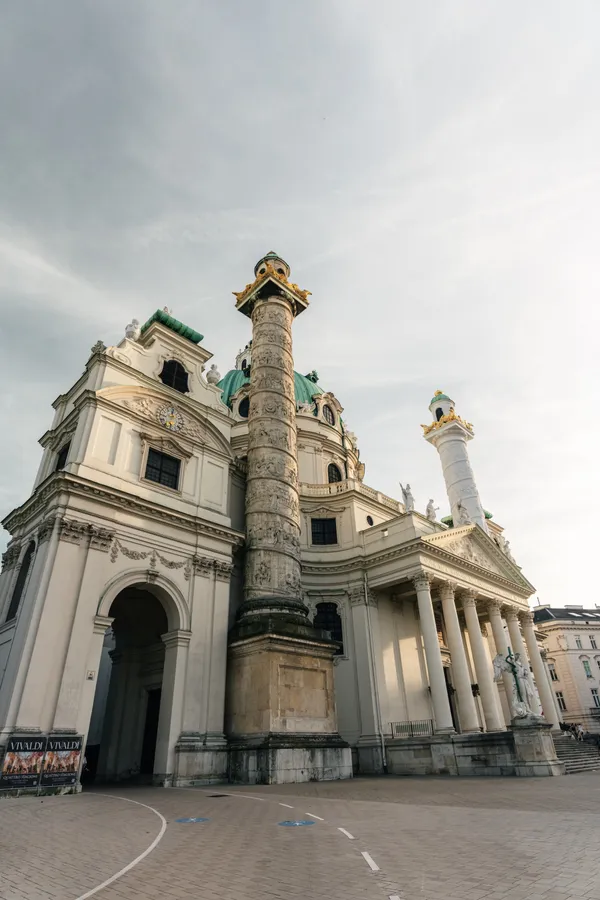
Best Seasons to Interrail in Europe
Spring (April–May): Mild weather, blooming landscapes, and far fewer tourists make this one of the most comfortable times to explore Europe by train. Traveling just before the summer rush means cheaper reservations and quieter hostels. It’s also a beautiful season for scenic routes — from Swiss mountain passes to tulip fields in the Netherlands — and lively spring festivals across Southern Europe.
Autumn (September–October): This is when I traveled — and honestly, I couldn’t have picked a better time. The trains were rarely full, the temperatures were perfect for long days outdoors, and the cities felt alive but not overcrowded. Autumn in Europe means golden vineyards, cozy cafés, and harvest-season festivals — from wine valleys in France to Oktoberfest in Munich. Southern Europe still has beach weather well into October, giving you a mix of summer and serenity.
Summer (June–August): If you crave energy and long daylight hours, summer delivers. Every region is open and buzzing with festivals, open-air concerts, and late sunsets. Just plan early — tickets and hostels sell out fast, and high-speed trains often require advance reservations.
1) Choose the Right Pass – Quick Overview
Your goal is to balance freedom (spontaneity) with control (fewer booking hassles).
🎫 Global Pass (33 countries)
Flexi: e.g., 5 / 7 / 10 travel days within 1–2 months → great for hopping between cities.
Continuous: 15–90 consecutive days → for full-time travelers who want every day on rails.
Home country rule: includes 1 outbound and 1 inbound trip in your own country.
🇮🇹 One Country Pass
Ideal if you want to explore one country in depth (Italy, Germany, Spain, etc.).
Usually cheaper overall if 80–90% of your trip is within one country.
💺 Global Plus Pass (beta)
Slightly more expensive, but includes most seat reservations automatically.
Perfect if you plan to use a lot of high-speed trains and want a “plug-and-play” trip.
👉 Buy and get Norwegian support at EuropaRundt.no (secure payments, local help).
2) Reservations – When, Where, and How
Usually required:
High-speed trains: TGV (FR), AVE (ES), Frecciarossa (IT), Eurostar, etc.
All night trains: sleepers, couchettes, and some long-distance routes.
Usually not required:
Regional & local trains: especially in Germany, Austria, Czech Republic, Poland, Hungary, and the Balkans.
Pro tip: choose regional trains when you can — free, flexible, and more scenic.
Night train hack: a direct overnight train counts as one travel day (departure date only).
How to book: via the Interrail app (Rail Planner), national rail websites, or directly at the station.
Too complicated? Ask EuropaRundt.no to book your reservations for you.
3) Smart Planning – 5 Steps to a Smooth Trip
Set your frame: travel dates, budget, rough direction (west/east/south/north).
Pace yourself: 2–4 nights per city (avoid “a new city every day” burnout).
Book only what fills up fast: night trains + popular high-speed routes.
Stay flexible: leave room for spontaneous detours.
Use tools: Rail Planner (Interrail), offline maps, and EuropaRundt.no for passes & help.
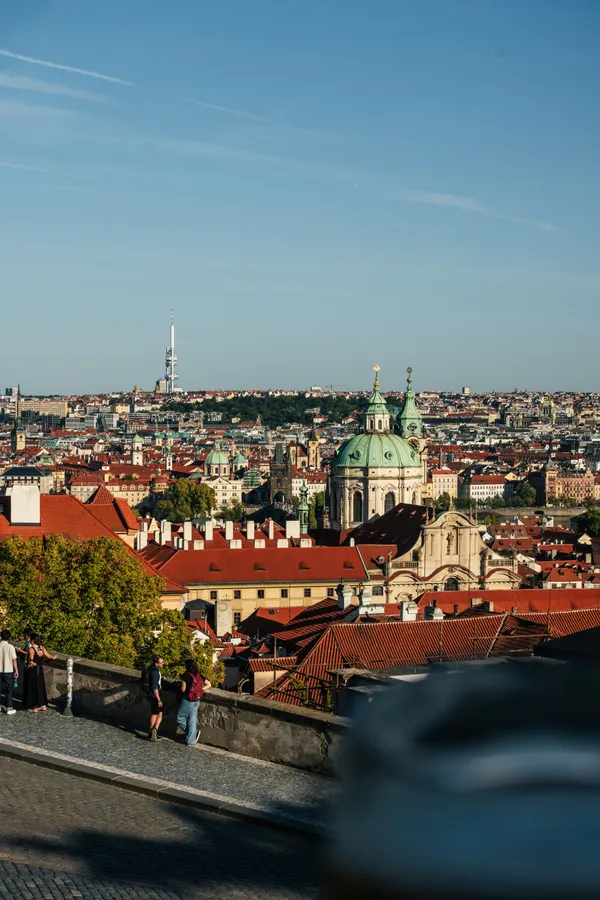
4) Three Tried-and-True Routes
🇪🇺 A) Classic Europe – “Café to Castello” (14–21 days)
Paris → Interlaken → Milan → Venice → Vienna → Prague → Berlin → Amsterdam
Why it works: iconic cities + Alps + smooth train connections.
Reservations: required on Paris–Italy and Venice–Vienna legs.
Best pass: Global 7 days / 1 month (or 10 days / 2 months for more flexibility).
Don’t miss: sunset on Venice’s Zattere promenade, a Viennese café, rooftop view of Berlin.
💶 B) Budget-Friendly East (14–28 days)
Kraków → Budapest → Ljubljana → Zagreb → Split/Zadar → Trieste → Verona
Why it works: cheaper destinations, shorter hops, fewer reservations.
Best pass: Global 5–7 days / 1 month.
Don’t miss: thermal baths in Budapest, Lake Bled, Zadar’s old town and sea organ.
⛰️ C) Alpine & Adriatic Adventure (10–21 days)
Munich → Salzburg → Hallstatt → Vienna → Semmering Railway → Bled → Trieste → Venice
Why it works: world-famous scenic lines, mountain & coast combo.
Best pass: Global 5–7 days / 1 month.
Don’t miss: morning reflections in Hallstatt, espresso on Trieste’s seafront, Venice’s Vaporetto line 1 for budget canal views.
5) Budget 2025 – Realistic Expectations
Average daily costs (hostel + simple meals):
Western/Southern Europe: €70–85/day
Central/Eastern Europe: €40–60/day
💸 Top 8 Budget Hacks for Interrail & Backpacking
Traveling Europe on a budget is easier than most think — it’s about small, smart decisions that add up.
Here are 10 proven strategies to stretch your money without cutting down on experiences:
Travel Off-Season & Off-Path
Go in September–October or visit lesser-known destinations (e.g. Slovenia, Poland, or Croatia’s coast) — you’ll spend half as much as in Western Europe.Sleep While You Travel
Overnight trains or buses = one less hostel night. Even with a small sleeper supplement, you often come out ahead.Stay Smart, Not Fancy
Book hostels with kitchens and free breakfast, or try Couchsurfing and budget-friendly campsites for unique (and social) stays. If you are more than 2 people Airbnbs can often be cheaper than hostels or hotels.Eat Like a Local
Grocery-store picnics, street food, and local lunch menus cost 1/3 of a restaurant dinner. Avoid eating next to tourist spots. Making your own meals are the absolute cheapestBring a Refillable Water Bottle
Most European countries have clean tap water — save both money and plastic waste by refilling on the go.Free Activities First
Start every city with a free walking tour, explore parks, beaches, or lookout points. Many museums are free on certain days.Use City Passes & Student Discounts
City cards often include public transport + 3–10 attractions. Always carry a student/youth ID (ISIC) for extra savings.Watch the Daily Average, Not Every Euro
Aim for €40–60/day in Eastern Europe and €70–85/day in the West — some days you’ll spend more, some almost nothing.

6) Packing List – Light, Smart & Fall-Ready
Essentials:
36–45L backpack + packing cubes
Powerbank, adapter, cables
Microfiber towel, sneakers + sandals
Earplugs + sleep mask (hostels/night trains)
Mini first aid kit (plasters, painkillers, rehydration)
Travel insurance & passport copies (digital + paper)
Handwashing soap, clothesline, small padlock
Optional but useful: light down jacket, swimwear, small speaker.
Skip: heavy boots (unless hiking), too many clothes (2–3 shirts, 2 pants, 5–7 socks/underwear), bulky camera gear.
7) On the Road – Pro Traveler Habits
Use Rail Planner to check if trains need reservations (look for “R”).
Keep Plan B routes (regional train alternatives) ready.
Add rest days every 4–5 travel legs.
Save offline docs (IDs, tickets, insurance).
Keep valuables close; lock your bag on night trains.
Join free walking tours and chat with hostel travelers — best way to find hidden gems.
8) Your Norwegian Travel Partner – EuropaRundt.no 🇳🇴
Buy passes in NOK (safe, local support, Vipps/Klarna).
Get advice by phone or email on route planning and reservations.
Optional service: they can book seat reservations for you.
Official Interrail reseller in Norway with personal customer support.
👉 Start here: EuropaRundt.no
9) Quick FAQ
Best time to travel? Fall (Sep–Oct) — perfect weather, fewer crowds, lower prices.
2 weeks or 1 month? 2 weeks works, 1 month gives you freedom and slower travel.
Do I need seat reservations? Yes on high-speed and night trains; usually no on regional ones.
Can I change plans mid-trip? Yes — just activate new travel days as you go.
How to avoid fees? Use regional trains or buy the Plus Pass.
🎒 Before You Go
Pack a bit of curiosity and don’t stress too much about the plan — things will change along the way (and that’s part of the fun).
Interrail isn’t really about ticking off destinations. It’s about the feeling of waking up in a new city, meeting people from all over the world in hostel kitchens, and watching the landscape roll by through the train window.
Some days everything runs smoothly. Other days the train’s delayed and you end up eating snacks on a platform somewhere in Italy — and those are usually the stories you’ll laugh about later.
So travel slow, say yes to random adventures, and enjoy the ride.
Have an amazing trip — I promise it’s going to be one you’ll never forget. 🚆✨

Looking for spots?
Go check out my guide for the best free spots as well as itineraries and travel tips to make your trip unforgettable.