Everything You Need to Know Before Going to Japan
What to sort before you fly, what you can handle when you land, and what you really don't need to worry about

Michael Minsky
Shikoku, Japan

Planning your first trip to Japan? Or maybe returning after a while? Either way, there are a few things worth sorting out before you board that plane. Some are essential, some just make life easier, and some you really don't need to stress about at all.
Essential Planning (Sort This First)
Visa Requirements
Most visitors from Western countries can enter Japan visa-free for tourism stays of up to 90 days. You'll just need a valid passport with at least six months remaining validity. Check your specific country's requirements with the Japanese embassy or consulate, as visa policies can vary.
Medication: This One's Important
Japan has strict regulations around prescription medications, and this catches people out more than you'd think. Items that seem completely normal to us may require special documentation or may be prohibited entirely. Some common medications like certain ADHD medications (Adderall), some allergy medicines with pseudoephedrine, and anything containing codeine are restricted or banned.
Essential steps if bringing prescription medication:
Check if your medication is permitted (some common Western medications are prohibited in Japan)
Bring original prescription bottles (never use unmarked containers)
Get a doctor's letter explaining the purpose and necessity of the medication
Bring enough for your entire trip (you cannot get prescription refills locally with foreign prescriptions)
Apply for import certificates if needed (required for quantities over 1 month's supply or certain controlled substances)
For complete information, check the Ministry of Health, Labour and Welfare - Bringing Medicines to Japan.
Important: Some medications require advance import certificates that must be applied for at least 2 weeks before travel. Don't wait until the last minute!
International Driving Permit
If you're planning to drive in Japan, you'll need an International Driving Permit (IDP) in addition to your regular licence. You must obtain this in your home country before departure. It's a simple process, usually through your local automobile association, but you can't get one once you're already in Japan.
For more details on car rental and driving in Japan, check out our car rental guide.
Prepare Before You Go
Climate: What to Expect
Japan has four distinct seasons, which they're very proud of and which makes each trip to Japan a unique experience in every season. Depending on when you're going, what you pack may change drastically. Here's some general guidance, but make sure to check the climate where you're headed, especially if you're headed north into Tohoku where it can differ.
Spring (March-May): Mild and pleasant, though early spring can still be quite cool. Late March to early April brings cherry blossom season (and even into May up north), which also brings crowds. Pack layers.
Summer (June-August): Hot and humid, especially in July and August. June is rainy season (tsuyu) in most of the country. Think lightweight, breathable clothing and prepare to sweat.
Autumn (September-November): Crisp, comfortable weather with stunning autumn foliage from mid-October through November. This is my favourite time to visit. Pack layers again.
Winter (December-February): Cold, especially in northern regions and mountainous areas. Tokyo and southern areas are chilly but manageable. Hokkaido and the Japan Alps get serious snow. Actually, a lot of places do. Pack warm.
Money & Cash Strategy
Here's the reality: Japan is still largely a cash economy, especially in rural areas and at smaller establishments. Yes, cities have gotten more card-friendly in recent years, but don't rely solely on credit cards.
You have two options:
Bring Japanese yen from your bank before departure
Withdraw upon arrival (my preference)
If you're withdrawing cash in Japan, 7-Eleven ATMs are your friend. They're everywhere, available 24/7, and crucially, they don't charge fees from their end. You'll still want to check with your bank about international withdrawal fees and foreign transaction fees, but 7-Eleven won't add extra charges on top.
Important: Inform your bank about your travel dates so your cards don't get flagged and blocked for suspicious activity when you start using them overseas. This applies to both debit cards for cash withdrawal and credit cards.
Connectivity: Staying Connected
You have a few solid options for staying connected in Japan:
For Data Only:
There are plenty of websites where you can buy an eSim, and my go-to is Mobi Matter. They have excellent eSIM options for Japan (and many more destinations) data coverage. You can purchase and activate before departure, which means you're connected the moment you land.
For Data + Voice:
Mobal Japan provides comprehensive data and voice packages for travellers. If you're going with a Voice package, you'll need to do this in advance as they'll need to mail you a code.
Can't or Don't Want an eSIM?
Pocket WiFi is still popular and works well. You can rent devices online before you travel and either have them delivered to your accommodation or pick them up at the airport. The device connects to cellular networks and creates a WiFi hotspot for your devices. Battery life is usually a full day, and you can connect multiple devices to one unit.
Here's a few popular providers that can be pre-ordered online and either picked up at major airports (Narita, Haneda, Kansai) or delivered to your hotel. They all include prepaid return envelopes so you can just drop them in any Japan Post mailbox when you're done.
Power & Plugs
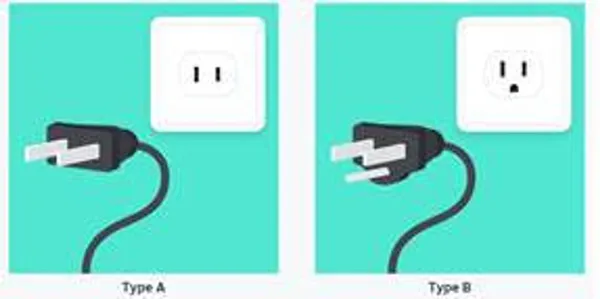
Japan uses Type A and Type B plugs (same as North America) with 100V power. Most modern electronics work fine with the voltage difference, but you may want a plug adapter if your devices use different plug types. Check compatibility at World Standards - Japan.
Transportation Options
IC Cards (Suica/Pasmo):
These rechargeable smart cards work on trains, subways, buses, and even at convenience stores and vending machines. You can add them to your iPhone or Android phone before you arrive (Apple Pay or Google Pay), or pick up a physical card at any major station when you land. Load it with cash, tap to ride. Simple.
Rail Passes:
If you're covering significant distance, a JR Pass or regional rail pass can save you money. These need to be ordered online in advance, and we recommend going direct through the train company, as the prices tend to be the best and it usually allows for seat reservations much more easily.
The national JR Pass works on most JR trains including the shinkansen (with some exceptions), while regional passes cover specific areas. Regional rail passes are usually a better way to go, especially if you're focusing on getting to know a specific region.
For a breakdown of which regional passes might work for your trip, check out our guide to regional JR passes in Japan.
Driving:
Remember that International Driving Permit we mentioned earlier? If you're planning to explore rural areas or regions with limited public transport, renting a car can be brilliant. Just be aware that driving is on the left, and road signs in rural areas might not have English translations.
For more on car rental in Japan, see our car rental guide.
Luggage Forwarding
One of Japan's best-kept secrets is luggage forwarding (takuhaibin). Instead of hauling your suitcase on trains between cities, you can have it delivered to your next hotel. It takes 1-2 days and costs around ¥2,000-3,000 per bag, depending on size and distance. You can even book this to send your luggage from certain airports to your hotel when you land, making it much more convenient when taking the train into the city.
You can arrange this at convenience stores, hotels, or airports. Most larger hotels are familiar with the system and can help you organise it. This is particularly useful if you're doing the classic Tokyo-Kyoto-Osaka route, as you can travel with just a day bag on the shinkansen.
It often only works between major cities, so if you're heading somewhere more rural it may not be available. If you're also doing this while you take a side trip, note that most delivery services will only hold your bag for a limited time, so you'll need to make sure you reach the luggage's destination before that time is up.
Book at least a day in advance, and make sure your next accommodation knows to expect your luggage.
Useful Apps
Most of what you use at home will work just fine, so you can keep it simple.
Google Maps handles navigation and public transport directions really well in Japan. Real-time train schedules, walking directions, everything you need. If you're not going to have data, just make sure to download offline maps before your trip.
Translation is built into most phone cameras now (both iPhone and Android). Point your camera at signs, menus, or labels and get instant translation. If your phone doesn't have this feature, download Google Translate before you go.
Omiyage: A Lovely Cultural Touch
One aspect of Japanese culture you might encounter is omiyage (お土産), the tradition of bringing small gifts when visiting someone or returning from travels. While you'll mostly be staying in hotels, you may have some personal interactions where omiyage can be a wonderful gesture and it will make a huge impression on your host. If you'll be taking a workshop, if you get a private tour of a facility, or if you just find you've had a great interaction with someone at a restaurant, bar or cafe, this can be a great way to leave a longer lasting impression.
What makes good omiyage:
Food products are traditional (quality chocolates, honey, speciality biscuits, or local treats from your region)
Individual wrapping is important (Japanese culture values hygienic sharing) if possible
Local specialities that represent your home area, whether food or otherwise
Bringing something small is usually perfect. From Australia, I'll often bring individually wrapped sweets, or small magnets or badges shaped like koalas or kangaroos. No pressure though! If you don't have room to bring omiyage from home, that's completely fine. Japan has incredible omiyage everywhere, and nobody will complain if you give them a beautiful Japanese omiyage! In fact, locals often appreciate seeing what you've discovered and loved about their country, or treats from a region of Japan they've never visited themselves.
The bottom line: Omiyage are a lovely cultural touch but absolutely not required. The gesture and thoughtfulness matter more than the origin.
What NOT to Stress About
Here's my best travel advice: As long as you have your passport and a credit card, you're absolutely fine.
Japan has incredible infrastructure and you can purchase almost anything you might have forgotten. Forgot your phone charger? Every convenience store has them. Need toiletries? Pharmacies everywhere. Worried about packing the perfect outfit? Japan has incredible shopping.
The country is extraordinarily well-organised, English signage is common in cities and tourist areas, and people are generally helpful even with language barriers. Don't overthink it. The things that actually matter (visa, medication documentation, cash access) we've covered above. Everything else you can sort out when you arrive.
Japan is one of the easiest countries in the world to travel in. You've got this.

Tu cherches des activités ?
Découvre mon guide pour les meilleures activités gratuites ainsi que des itinéraires et des conseils de voyage pour rendre ton voyage inoubliable.