Best time to visit Switzerland
What each season is like in Switzerland — and which one is right for you

hajnaltravels
Switzerland


Switzerland is a year-round destination, but the experience changes completely depending on the season. The “best” time really depends on what you want to see — turquoise alpine lakes, hiking trails, snowy villages, or quieter landscapes without crowds.
Here’s a clear season-by-season guide to help you choose the right time for your trip:
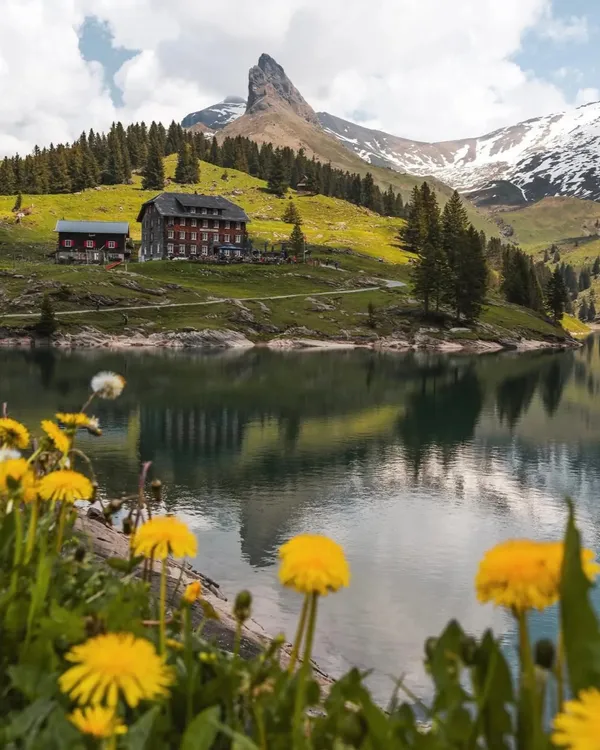
🌸 Spring (March – May)
Best for: waterfalls, green valleys, fewer crowds, peaceful travel
Spring is when Switzerland slowly wakes up from winter. Snow starts melting in the valleys, rivers and waterfalls become incredibly powerful, and the landscapes turn bright green again.
In lower regions like Lucerne, Interlaken, or Lake Geneva, you’ll already feel like it’s early summer by April, but in the mountains, snow often stays until late May.
What to expect:
Strong waterfalls (especially Lauterbrunnen Valley)
Fewer tourists compared to summer
Mix of snow in the mountains + spring in the valleys
Some hiking trails and mountain lifts may still be closed early in the season
Good to know:
Spring is perfect if you want beautiful scenery without crowds, but it’s not ideal if your main focus is high alpine hikes or swimming in lakes.
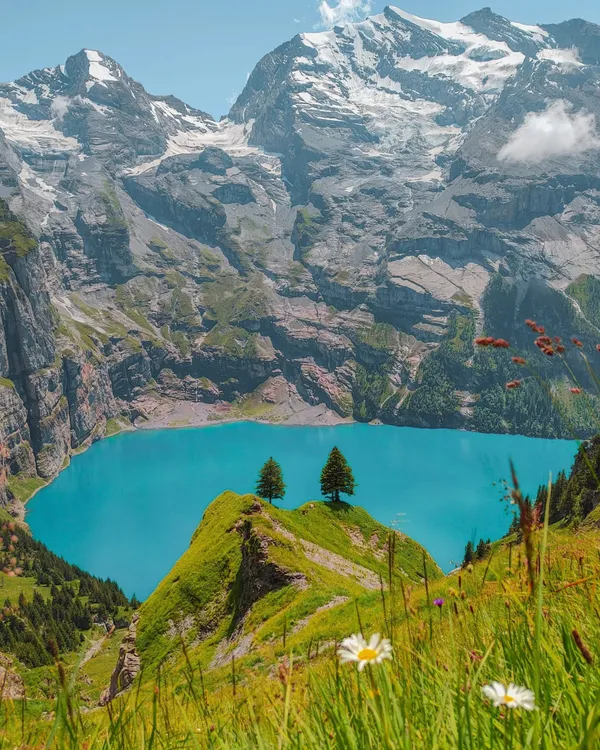
☀️ Summer (June – August)
Best for: hiking, alpine lakes, mountain peaks, long days
Summer is the most popular season to visit Switzerland — and for good reason. This is when the mountains fully open up, hiking trails are accessible, and iconic lakes like Oeschinensee or Blausee show their famous turquoise color.
Days are long, weather is generally stable, and almost all mountain transport (cable cars, trains, lifts) is running.
What to expect:
Best conditions for hiking and mountain activities
Warm temperatures in valleys (often 20–30°C)
Busy tourist spots, especially July & August
Fully accessible alpine infrastructure
Good to know:
If you visit in summer, start your days early. Popular spots can get crowded by mid-morning, especially Lauterbrunnen, Interlaken, and Grindelwald areas.
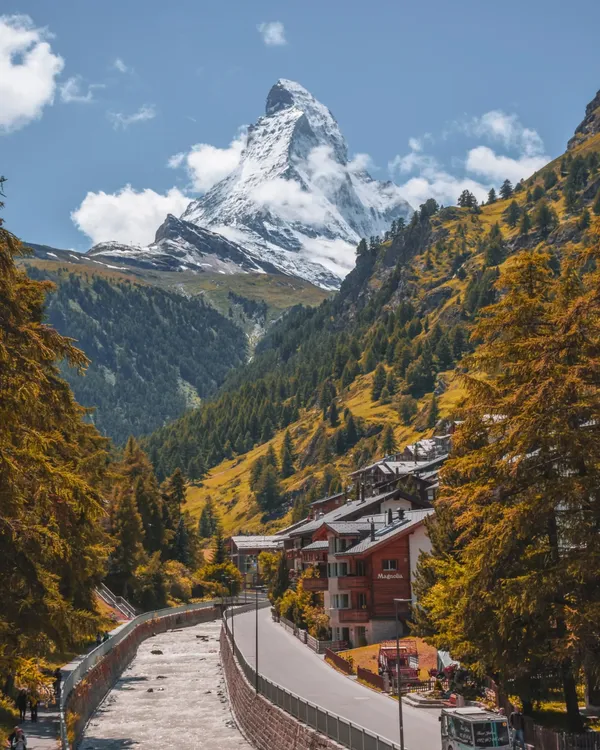
🍂 Autumn (September – November)
Best for: golden landscapes, photography, fewer crowds, cozy atmosphere
Autumn is one of the most underrated times to visit Switzerland. September often still feels like late summer, but by October the landscapes start turning golden, especially in mountain regions.
The atmosphere becomes calmer, and tourist crowds drop significantly compared to summer.
What to expect:
Beautiful autumn colors in forests and valleys
Crisp, clear air (often amazing visibility for mountain views)
Fewer tourists and easier access to popular spots
Cooler temperatures, especially in higher altitudes
Good to know:
Some mountain lifts and hiking routes start closing in late October or November, so timing matters if you still want access to higher areas.
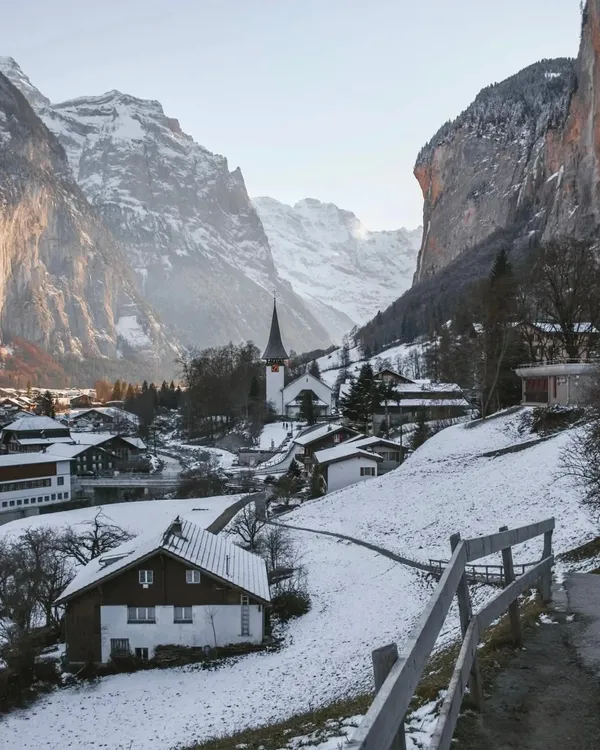
❄️ Winter (December – February)
Best for: snow landscapes, Christmas markets, skiing, cozy alpine villages
Winter transforms Switzerland into a completely different world. Snow covers the mountains and villages, and places like Zermatt, Grindelwald, and St. Moritz become winter wonderlands.
This is the best season for skiing, snowboarding, and cozy mountain stays, but also for enjoying peaceful snowy landscapes even if you don’t ski.
What to expect:
Snow-covered villages and alpine scenery
World-class ski resorts and winter sports
Christmas markets in cities like Zurich and Lucerne
Shorter days and colder temperatures (especially in January/February)
Good to know:
Some hiking trails and mountain areas are closed or inaccessible in winter, but major tourist destinations are still well connected and very magical in the snow.
✨ Quick summary
Best for hiking & lakes: June – September
Best for fewer crowds & photography: May + September – October
Best for snow & winter magic: December – February
Best balance overall: September (often ideal weather + fewer tourists)

Looking for things to do?
Go check out my guide for the best free things to do as well as itineraries and travel tips to make your trip unforgettable.