07 - Safety/Interaction with locals in Kosovo
Respect, communication, etiquette, tipping, greetings, etc.

Martina & Günther
Kosovo
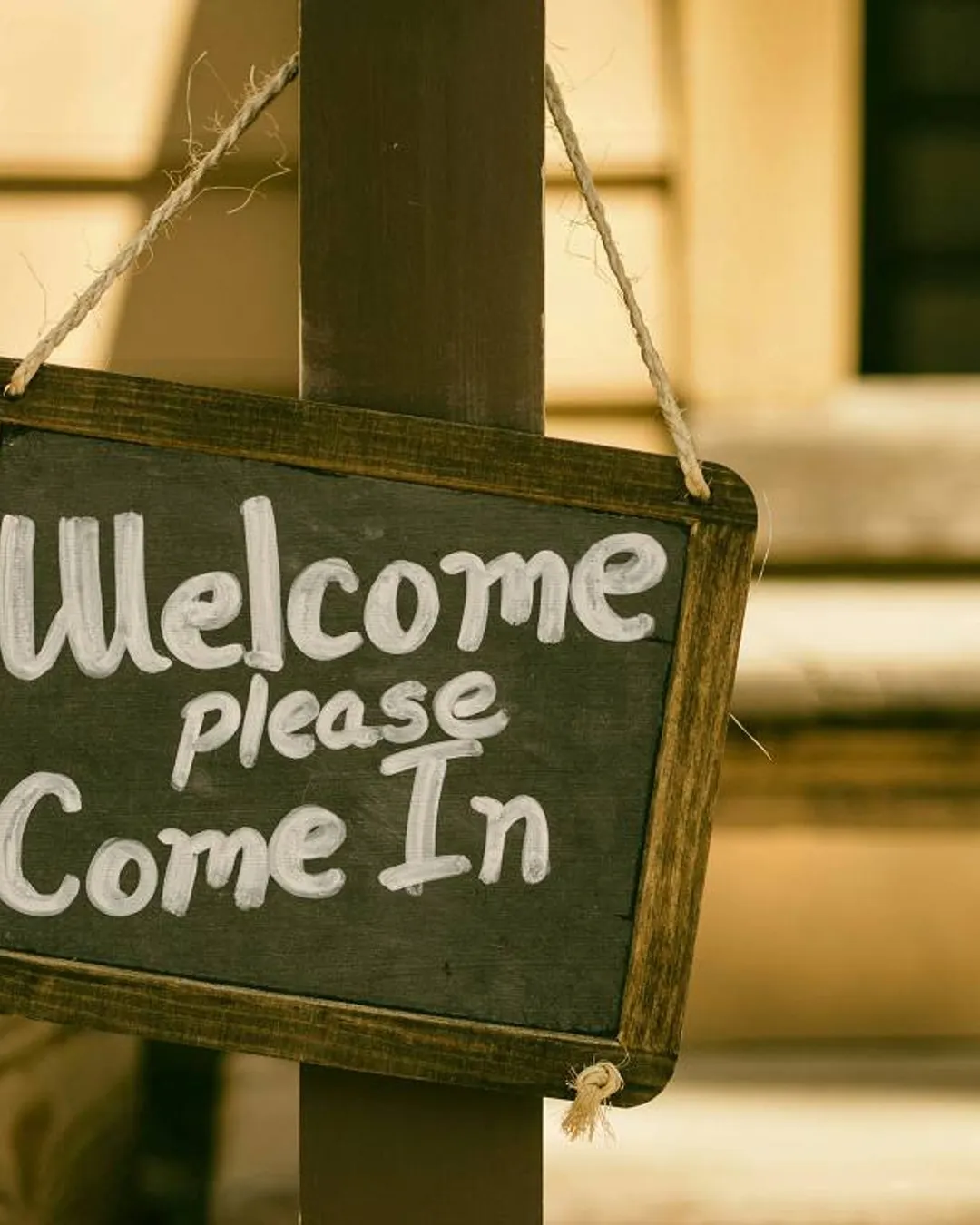
Interactions with locals in Kosovo are characterised by deep-rooted hospitality, a strong sense of community, respect and a warm, personal culture. These characteristics form the central pillars of social interaction. Travellers are generally welcomed with open arms, even if people may initially appear stern, and are often included in family life.
The culture is strongly influenced by traditional values, close community ties and a patriarchal structure.
Young people are extremely cosmopolitan and modern and like to show it.
Here are the most important points for interacting with locals in Kosovo:
• Hospitality & traditional values: Kosovars are very hospitable. Personal exchanges, often over Turkish coffee or tea, are appreciated. People often spontaneously invite you for a drink (even to their homes), which is considered a sign of appreciation and willingness to engage in conversation. You should not decline without a valid reason and should not even think of offering to pay.
Especially in rural areas, old traditions and close family ties are still very much alive.
• Respect: Social norms emphasise respect for others. Polite interaction with one another is essential and very noticeable. In our culture, we are often no longer familiar with this, so we could learn a thing or two. In traditional societies, respect for older generations plays an important role.
• Communication: Despite initially appearing strict, people are sociable and friendly. Many locals, especially younger ones, speak English or German.
• Greetings: A handshake is the standard greeting. Among close acquaintances, hugs or kisses on the cheeks (often three for Serbs) are common.
• Clothing & behaviour: In public, a more conservative style of dress is considered respectful. In monasteries, shoulders and legs should be covered appropriately, and in mosques, shoes should of course be removed.
Even in rural areas, overly revealing clothing is not well received.
• Invitations: Here, too, outdoor shoes should be left outside. Small gifts (!!!) from home or a modest amount of money with the suggestion that it is for the children are appropriate. If in doubt, however, it is better not to bring anything at all.
• Choice of topics: One should be sensitive when discussing political topics. Ethnic tensions, especially in the north of the country, are still present.
• Religion: The majority of the population is Muslim, but society is largely secular. Alcohol is served and consumed in many restaurants and bars. The north, which is predominantly Serbian, is Christian Orthodox.
• Ethnic diversity: Kosovo is home to various ethnic groups, such as Kosovo Albanians, Serbs, Roma, Gorani, Ashkali and Balkan Egyptians, each of which has its own traditions.
• Tipping: There is no strict obligation, but in restaurants and at the hairdresser's (and basically only there!), a small tip is customary as a token of appreciation for the service. In this context, we would like to point out the tipping culture of some travellers with regard to car repair services. Here, too, the rule is: if you tip at all, keep it small and don't think ‘it was so cheap – we'll just give him more’! The lads know very well what their work is worth and set their prices accordingly. If you give €10 instead of €5, you risk the next customer generally being charged €10... and so on. This behaviour ruins prices and causes resentment.
General safety information:
• Northern Kosovo: In northern Kosovo (especially Zubin Potok, Leposavić, Zvečan and North Mitrovica), the security situation is always somewhat tense. The reason for this is the ethnic discrepancy between the Serbs and Albanians living there. However, we cannot understand why people are constantly being advised not to travel to these areas unless necessary. The conflicts have nothing to do with travellers, who are very welcome and safe there. And, of course, you should avoid the area during acute riots and wait until the situation has calmed down again.
• General caution: The situation in the rest of the country is largely safe, but the usual precautions against petty crime should be observed.
In summary, openness and respect for the local culture are key to a positive encounter with the people of Kosovo.

Looking for things to do?
Go check out my guide for the best free things to do as well as itineraries and travel tips to make your trip unforgettable.