01 - Some basic data and a brief overview (as of 2026)
Facts about the country and its people

Martina & Günther
Kosovo
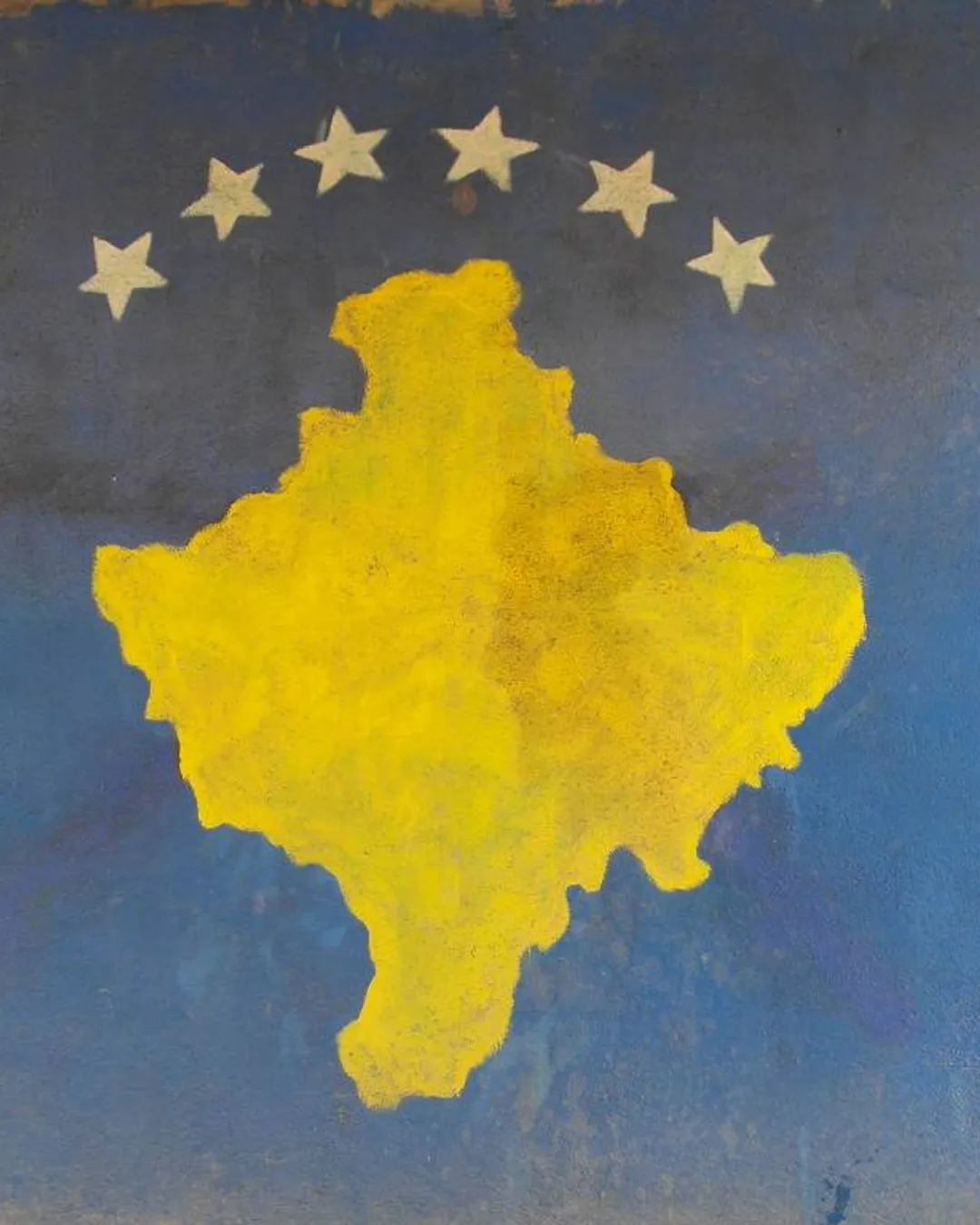
Size: 10,887 km², making it the smallest country in Southeast Europe. Kosovo is landlocked in the centre of the Balkan Peninsula, surrounded by Montenegro, Serbia, North Macedonia and Albania. Tectonically, the plains of Amselfeld and Metochia are completely surrounded by mountains. These include the spectacular mountain ranges of Prokletije, Kopaonik and Sharr Planina. The highest mountain entirely within the country, Gjeravica, measures 2,656 m.
Population: approx. 1.6 million according to the 2024 census (due to a boycott in the north, where the people consider themselves to belong to Serbia, the actual figure is likely to be around 1.8 to 1.9 million). With approx. 160 people/km², the population density is quite high. With a median age of under 30, it is the ‘youngest’ country in Europe.
Population by ethnicity: Over 90% of the population are ethnic Albanians. The majority are Muslim (approx. 95%). The ‘minorities’ mainly include Serbs (approx. 6%), Roma Bosniaks, Turks, Gorani, Ashkali and Balkan Egyptians.
Capital: Pristina is the vibrant centre with sights such as the NEWBORN Monument and the National Library, and is home to around 230,000 people.
Languages: The official languages are Albanian (the majority language) and Serbian. Due to the diaspora, many people also speak fluent German.
Currency: Although Kosovo is not a member of the eurozone, the euro is used as the official currency. In northern Kosovo, the Serbian dinar is also a common currency. Since 1 January 2026, a new minimum wage of €500 has been in effect. It should be borne in mind that Kosovo is one of the poorest countries in the Balkans, unemployment is high, especially among young people, and prospects depend on the ambition of the individual.
Economy & development: Kosovo's economy is considered one of the fastest growing in the Western Balkans, with a projected GDP growth of approximately 3.8%. Nevertheless, the country remains heavily dependent on remittances from Kosovars living abroad.
2026 budget: In early 2026, the government passed a record budget of €4 billion, focusing on pension increases and child benefits.
EU integration: In February 2026, parliament ratified several agreements on the EU growth plan, which provides for financial assistance of over €880 million.
Status: Kosovo is recognised by a majority of UN member states (including Germany, Austria, Switzerland and the USA), but 70 of the 193 member states, including several EU countries (Serbia, Spain, Greece, Romania, Slovakia and Cyprus – all countries with ethnic divisions), are blocking full international recognition.
Politics & security: The political dialogue with Serbia to normalise relations has been mediated by the EU since the end of the war. International troops (KFOR, including the German Armed Forces) are in the country to ensure peace.
Structure: 53 % of the area is used for agriculture, 42 % is forest and 5 % is built-up or urban area.
Signposting in Serbian: most Serbian cultural monuments such as churches and monasteries are signposted in Cyrillic, as are the towns and villages in Serbian-dominated North Kosovo.
Climate: Due to its landlocked location, Kosovo has a temperate continental climate with hot summers (average 17 °C to 26 °C, highs above 30 °C up to 40 °C) and cold, snowy winters (average -5 °C to 1 °C, lows can fall below -20 °C), the transitional periods in spring and autumn are often mild.
Of course, there are regional differences:
- Central Amselfeld (Pristina): Temperate-continental, drier summers, very cold winters.
- West (Metohija): Strong influence of Mediterranean air masses.
- Mountainous regions (south/south-west): Alpine climate with cool summers and long, snowy winters. Best time to visit is spring to autumn, especially for hiking in the mountains.
Annual precipitation is between 700 and 1000 mm, with maxima in spring and autumn. There is more precipitation in the west than in the central Amselfeld.
The best time to visit is spring (April-June) and autumn (September-October) for sightseeing and summer for outdoor activities in the mountains.

Looking for things to do?
Go check out my guide for the best free things to do as well as itineraries and travel tips to make your trip unforgettable.