Before arrival: Getting ready for Japan
Everything You Need to Know Before Your Trip 🇯🇵✨

Waldir Nunez
Japan

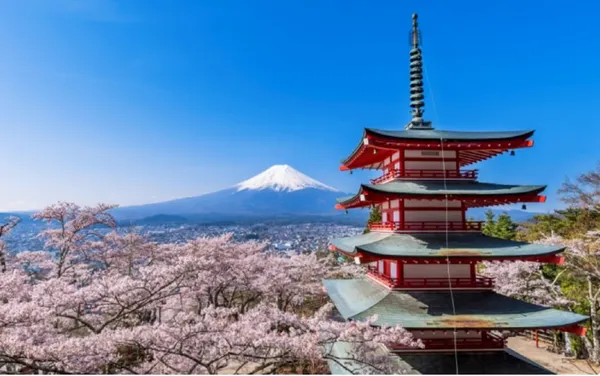
Japan is a truly captivating destination, admired worldwide for its seamless blend of ancient tradition and futuristic innovation, its world-class cuisine, and its vibrant culture that feels both unique and deeply authentic. Whether you’re drawn by centuries-old temples, the neon lights of Tokyo, or simply the chance to taste sushi like nowhere else on earth, Japan offers experiences that will stay with you for a lifetime.
But to truly make the most of your adventure, preparation is key. From visas and flights to internet access and cultural etiquette, this guide covers everything you need to know before traveling to Japan.
1. Documentation and Visa 🛂🌍
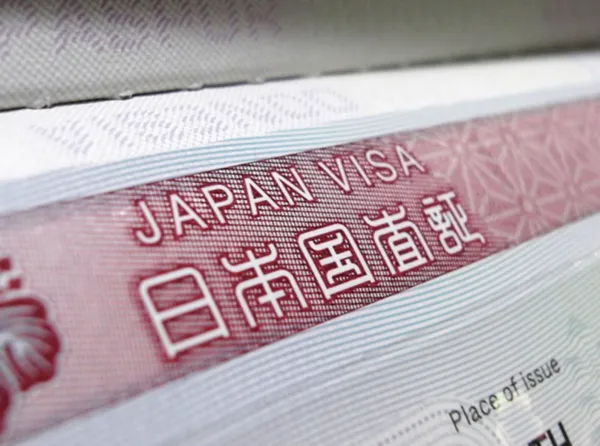
Before you book your ticket, check the entry requirements for your nationality. Japan has visa exemption agreements with many countries, allowing short stays (usually up to 90 days) without a visa. If you’re unsure, confirm ahead of time to avoid unpleasant surprises.
👉 You can check the official list here:
Visa Requirements by Country – Ministry of Foreign Affairs of Japan
If You Need a Visa
For countries that are not visa-exempt, you’ll need to apply in advance. Start early—processing can take weeks. Requirements often include:
Completed application form.
Valid passport (6+ months validity).
Passport-size photo.
Proof of funds (bank statements, employer letter).
Flight and hotel itinerary.
Return flight reservation (sometimes required).
💡 Tips:
Make sure your passport is in good condition with free pages.
Every embassy may have slightly different requirements—double check.
Don’t wait until the last minute!
2. Flights and Airlines ✈️💺
Japan is well connected to the world, with several international airports that make arriving smooth and convenient. The main entry points are:
Narita (NRT) and Haneda (HND) in Tokyo – Narita is located further from central Tokyo (around 1–1.5 hours by train or bus) but often has more international connections and competitive fares. Haneda, on the other hand, is much closer to the city (about 20–30 minutes to central Tokyo) and is extremely convenient if you want to get into the action quickly.
Kansai (KIX) in Osaka – The best choice if your itinerary includes the Kansai region, with cities like Osaka, Kyoto, and Nara.
Chubu Centrair (NGO) in Nagoya – Less crowded, but a great option if you want to explore central Japan.
When it comes to airlines, Japan Airlines (JAL) and All Nippon Airways (ANA) offer top-notch service, comfort, and an authentic Japanese travel experience from the moment you board. For travelers looking for cheaper alternatives, AirAsia, ZIPAIR, and Scoot are solid low-cost options that still connect major cities with Japan at good prices.
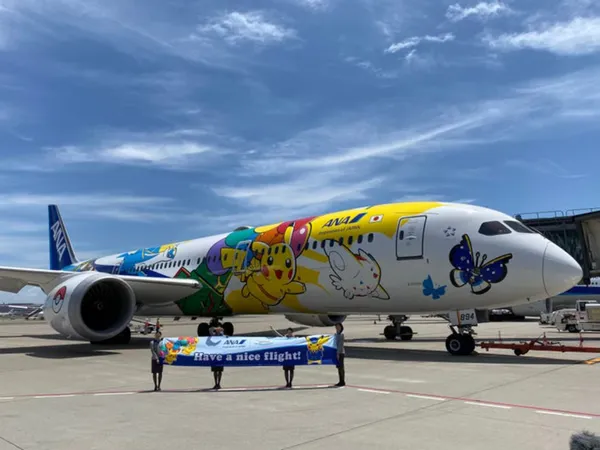
💡 Pro tip: If you’re lucky, you might even fly on ANA’s special Pokémon-themed jet, painted inside and out with your favorite characters—an unforgettable way to start (or end) your trip!
For the best fares, book your flights at least 3 months in advance and always compare prices on tools like Google Flights, Skyscanner, or Kayak. Booking early not only helps you save money but also gives you more flexibility to choose the arrival airport that best matches your travel plan.
3. What to Pack 🧳✨
Packing smart will make your trip in Japan much more comfortable. Since you’ll likely be moving around a lot—train rides, long walks, different climates—your luggage should be practical and versatile.
👕 Clothes by Season
Spring (Mar–May): Pleasant weather with cherry blossoms in bloom, but mornings and evenings can still be chilly. Pack layers, a light jacket or cardigan, and a scarf if you’re sensitive to the cold. A nice outfit is also handy for visiting shrines or taking hanami (flower-viewing) photos. 🌸
Summer (Jun–Aug): Hot, humid, and sticky—temperatures can exceed 30°C (86°F). Choose breathable fabrics like cotton or linen. Bring sunscreen, a hat, sunglasses, and even a small towel (Japanese people often carry “tenugui” hand towels to wipe off sweat). A folding fan or portable mini fan is also a lifesaver. 🌞
Autumn (Sep–Nov): Comfortable and photogenic, with red and golden leaves everywhere. Temperatures are mild but can drop at night, especially in Kyoto or Nikko. Pack layers—long-sleeve shirts, sweaters, and a light to medium jacket. Earth tones blend beautifully with the scenery if you want those aesthetic travel shots. 🍁
Winter (Dec–Feb): Cold, especially in Hokkaido, Nagano, or the Japanese Alps. In Tokyo and Osaka it’s manageable, but you’ll still need a heavy coat, gloves, scarf, and hat. If skiing, don’t forget thermal layers and waterproof clothing. Some places have heated toilets but icy streets—so pack wisely! ❄️
👟 Shoes
Japan = walking. Expect to do 10,000–20,000 steps per day without even noticing. Stations are massive, sightseeing spots are spread out, and temple grounds are huge. Pack:
Comfortable, already broken-in sneakers.
Slip-on shoes (super convenient, since you’ll often remove your shoes when entering temples, ryokan, or even some restaurants).
Optional: A pair of nicer shoes if you plan fine dining or nightlife in Tokyo.
💊 Medications & Toiletries
Japan is strict with medication imports. Some over-the-counter meds abroad (like those with pseudoephedrine) are banned. Double-check before traveling.
Carry prescriptions and keep medicines in original packaging.
Pharmacies exist everywhere, but labels are in Japanese. Better to bring your own essentials.
Toiletries (shampoo, conditioner, soap, razors) are easy to buy at convenience stores or drugstores if you prefer to travel light.
🔌 Electronics & Extras
Power bank: Essential. Between navigation, photos, and translations, your battery will drain fast.
Universal adapter: Japan uses Type A/B plugs (same as the US) at 100V. Check your electronics are compatible.
Pocket WiFi/eSIM: (see connectivity section) for staying online.
Reusable water bottle: Japan’s vending machines are everywhere, but refilling is eco-friendly.
💡 Pro tip: Pack light! Japan’s train stations often don’t have escalators or elevators everywhere, and you’ll be carrying your suitcase up/down stairs. A medium-sized suitcase + small backpack is usually more than enough.
4. Accommodation 🏨
Japan offers an impressive variety of accommodation options to suit every type of traveler, from those seeking comfort and convenience to those looking for a cultural immersion. Here are some of the most popular choices:
Business Hotels – These are budget-friendly and practical, designed mostly for solo travelers or businesspeople. Rooms are small but functional, usually equipped with a bed, desk, Wi-Fi, and private bathroom. They are often located near train stations, making them a convenient choice for city stays. 🛏️
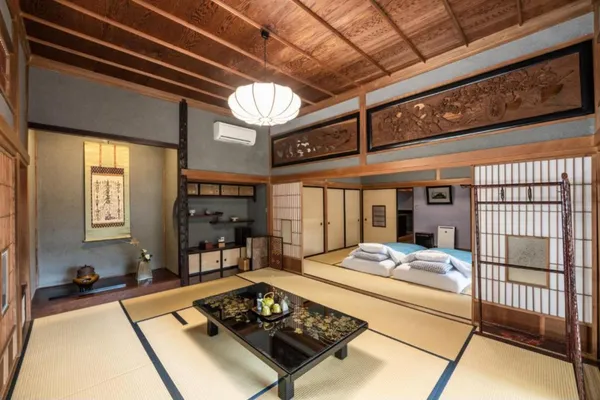
Ryokan – Traditional Japanese inns where you can truly immerse yourself in the culture. Expect tatami mat floors, futon bedding, yukata robes, and the highlight: hot spring baths (onsen). Staying at a ryokan is not just accommodation, but a cultural experience often accompanied by a beautifully prepared kaiseki dinner. 🏯
Hostels/Guesthouses – Ideal for budget travelers and backpackers. These usually offer shared dorms or simple private rooms and provide opportunities to meet other travelers from around the world. A great choice if you’re looking for affordability and social connections. 🌍
Capsule Hotels – A unique and futuristic option that Japan is famous for. Guests sleep in individual pods, which are surprisingly comfortable and well-equipped with outlets, lights, and sometimes even TVs. Affordable and fun, capsule hotels are best for short stays or for travelers who want to try something different. 🚀
Airbnb/Private Rentals – Perfect if you’re traveling as a group or want more space and privacy. Options range from apartments in the heart of Tokyo to entire traditional houses in smaller towns. This gives you more flexibility, especially for families or long-term travelers. 🔑
📌 Tip: Book your accommodation well in advance, especially during peak travel seasons such as the cherry blossom season (March–April) and autumn foliage (October–November) when availability is limited and prices rise quickly.
👉 Find a variety of options here: Reserva tu Hotel con KLOOK
5. Money and Payments 💸💳
Japan is still partly cash-based, but cards are gaining ground.
Cash: Needed in small shops, local restaurants, shrines. Always keep some yen on hand.
ATMs: Best to withdraw at 7-Eleven, Japan Post, FamilyMart, or Lawson. They accept foreign cards and have English menus.
Cards: Widely accepted in hotels, malls, chain restaurants.
Mobile Payments: Suica, Pasmo, PayPay are popular but not always linked to foreign cards.
💡 Pro tip: Get a Suica or Pasmo card (reloadable IC card). It works for trains, buses, vending machines, and even konbini snacks.
6. Travel Insurance 🛡️🌍
Japan has one of the best healthcare systems in the world, but for visitors it can be very expensive. A simple doctor consultation may cost several thousand yen, and hospitalization can easily reach hundreds of thousands. That’s why having a solid travel insurance plan is not just recommended—it’s essential.
✅ What your travel insurance should cover:
Medical and hospital expenses 🏥🚑 – Including consultations, emergency care, and hospital stays.
Accidents and emergencies 🤕💪 – From minor injuries to serious incidents.
Flight cancellations or delays ✈️📅 – Compensation for lost time and unexpected costs.
Lost or stolen luggage 🎒✈️ – Reimbursement for valuables and essentials.
COVID-19 or other illness coverage 🦠 – Still included in many plans, which can be important.
💵 Cost: For a 2-week trip, most plans range between $40–100 USD, depending on your age, coverage level, and provider.
🔎 Options for Travelers:
Specialized insurers like World Nomads, Allianz Travel, or AXA Assistance are popular with international travelers and offer flexible coverage tailored to Japan.
Credit card travel insurance – Many premium credit cards (Visa, Mastercard, American Express) automatically include travel insurance when you purchase your flights with them. These are often good options, but always double-check the coverage details.
Local or regional insurers – Depending on your country, local banks or insurance companies may offer Japan-specific plans that combine affordability with solid coverage.
👉 One recommended option is GO ASSISTANCE, which offers comprehensive coverage for Japan. Plus, if you use the code waldirdesu, you’ll receive a 10% discount on any package.
You can check their plans here: GO ASSISTANCE Travel Insurance
7. Internet and Connectivity 📱🌐
Staying connected in Japan is easier than ever, but the best option depends on your travel style and needs. Here are the main choices:
Free WiFi – You’ll find it in some train stations, airports, and cafés. It’s handy for quick checks (like maps or messaging), but it’s not reliable for continuous use. Speeds can be slow, coverage limited, and sometimes you’ll need to register or log in. 🚉☕
SIM / eSIM Cards – Probably the most convenient choice for solo travelers. With a physical SIM or an eSIM, you get instant mobile data as soon as you land. eSIMs are especially practical since you don’t have to swap out your SIM card—just activate it digitally.
👉 Recommended: eSIM Square. It is one of the most widely used options in Japan, with flexible plans ranging from a few days to several weeks.🌐Pocket WiFi – Perfect for families, groups, or anyone carrying multiple devices. A small portable router that fits in your pocket, providing unlimited data for all your gadgets at once. Battery life usually lasts 8–12 hours, and you can pick it up and return it at the airport.
👉 Try WiFiBOX (get 20% off with this link). 🚀
💡 Pro tips:
If you use Google Maps, HyperDia, or need translation apps on the go, mobile data is a lifesaver.
Japan’s train system can be overwhelming at first—having internet to check real-time routes will save you from getting lost.
For longer trips, a combination of eSIM + Pocket WiFi can be smart: the eSIM as backup, and Pocket WiFi for group use.
No matter which option you choose, staying connected will make your trip smoother, help you navigate with ease, and let you share your Japan adventures in real time. 📸🇯🇵
8. Lifestyle Adjustments 🏙️🍱
🍣 Food 🍜
Japanese cuisine is incredibly diverse and offers far more than just sushi. You’ll find everything from steaming bowls of ramen and hearty curry rice to delicate kaiseki meals served in ryokan. Street food is also a must-try—think takoyaki (octopus balls), okonomiyaki (savory pancakes), or yakitori (grilled skewers).
Flavors are often lighter and more subtle than in many other Asian cuisines, focusing on fresh ingredients and seasonal balance. Don’t be afraid to try something new—even natto (fermented soybeans) or unfamiliar seafood can be part of the adventure.
⚠️ Food allergies and dietary restrictions: Japan is not always allergy-friendly, so if you’re gluten-free, lactose-intolerant, or allergic to shellfish, it’s wise to carry an allergy card in Japanese. Apps like Google Translate can help, but having phrases written down is much more effective. Many restaurants, especially smaller ones, may not fully understand terms like “gluten-free.”
💡 Pro tip: Convenience stores (7-Eleven, FamilyMart, Lawson) are lifesavers. They offer affordable and surprisingly good-quality meals such as onigiri (rice balls), salads, bentos, and even fresh coffee—perfect for quick bites on the go.
🕒 Time and Schedules
Japan runs on punctuality—it’s part of the culture and something you’ll quickly notice.
Restaurants: Many local restaurants and cafés close earlier than in Western countries, usually around 9–10 PM. Izakayas (Japanese pubs) and chain restaurants tend to stay open later, but don’t expect midnight dining everywhere.
Shops: Most department stores and smaller shops close around 7–8 PM. If you need something late at night, convenience stores (konbini) are open 24/7, offering food, drinks, ATMs, and even bill payment services.
Transportation: Trains and buses run on strict schedules. If a train is listed to depart at 10:03, it will leave exactly at 10:03. Last trains in big cities usually stop running around midnight, so plan ahead to avoid expensive taxi rides. 🚆⏱️
💡 Pro tip: Download train apps like HyperDia or Japan Transit Planner to check schedules in real time. And remember: in Japan, being on time means being a few minutes early.
✨ Enjoy Your Japan Trip to the Fullest 🇯🇵
Japan may feel unfamiliar at first, but that’s exactly what makes it so special. From the precision and order in everyday life to the warmth and kindness of its people, every experience leaves a lasting impression.
Take your time—wander through bustling city streets, get lost in quiet temples, savor every meal, and pay attention to the small details that make Japan unique. Whether it’s the punctual trains, the seasonal food, or the harmony between tradition and technology, you’ll discover something new each day. 🎌
Relax, embrace the pace, and let Japan surprise and inspire you. The balance of old and new, simple and sophisticated, makes every trip truly unforgettable.

Cerchi attività?
Dai un’occhiata alla mia guida per scoprire le migliori attività gratuite, itinerari e consigli di viaggio per rendere il tuo viaggio indimenticabile.