Accommodation
Choosing your stay in Tokyo can feel overwhelming which is why I’ve simplified it so picking the right area and accommodation feels easy.

Katharina Schneider
Japan


By the time of writing I've spent a total of 5 months in Japan and slept in approximately 25+ different places ranging from Airbnbs, Ryokans, Hostels and even a hotel across 5 cities. Every time I come back I always look for the same main criteria which I'll break down in this section of my guide. Some places I've booked for a total of 3 times making it feel totally like home to me!
The cost of accommodation varies from type of accomdoation, area, duration and overall quality of the stay. I recommend checking my travel tip on budgetting and pricing in Japan to read about thit :)
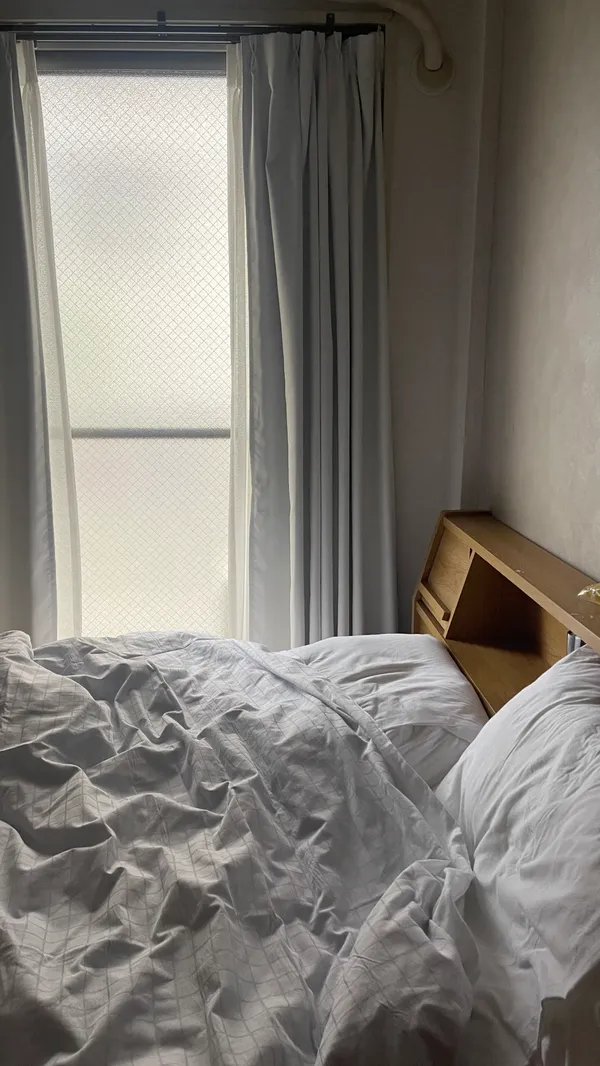
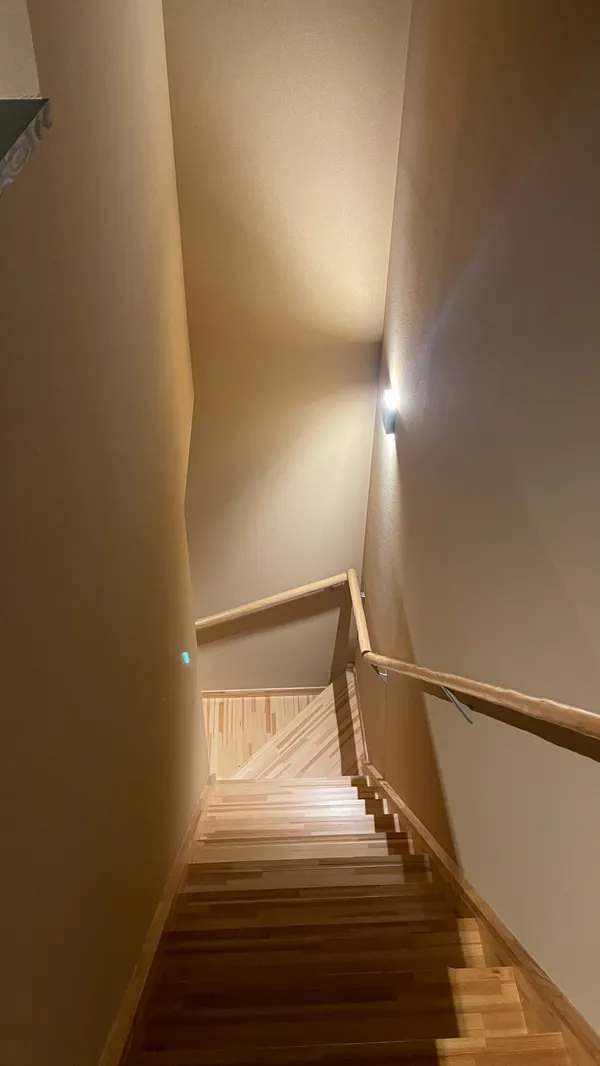
What to expect from accommodation in Tokyo
Accommodation in Japan is quite unique and different from what I’ve experienced elsewhere in Asia. Here’s what to prepare for mentally to avoid unpleasant surprises:
Stairs
When booking Airbnbs, hostels or ryokans, there often isn’t an elevator. Be prepared to carry your luggage up 3-4 floors into a tiny room that will most likely only fit you, your travel buddy and your suitcases. In other words: pack light and don’t skip the gym before going to Japan.
Room size and layout
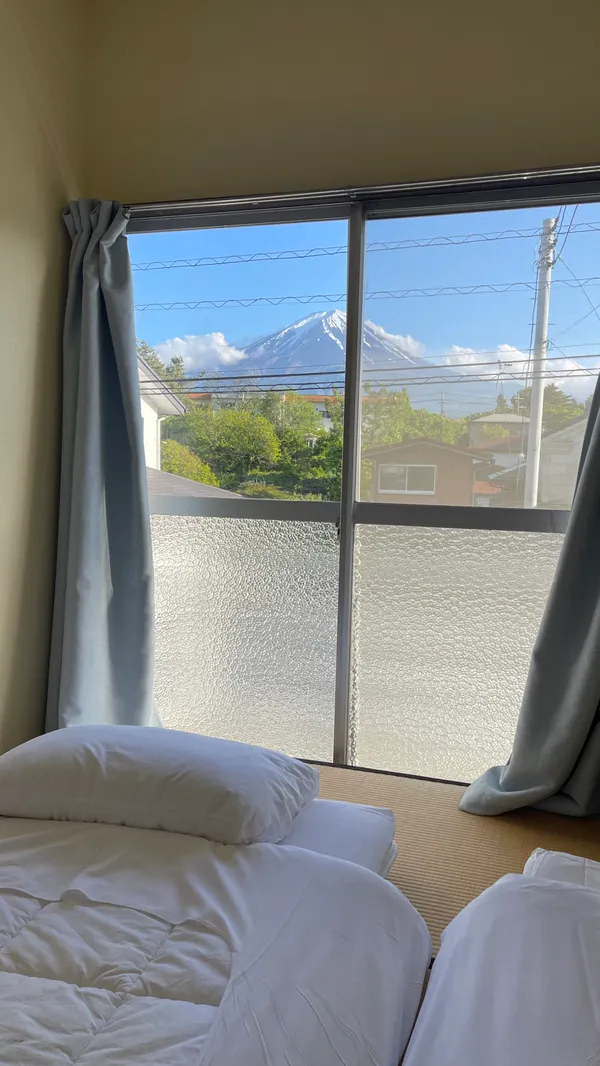
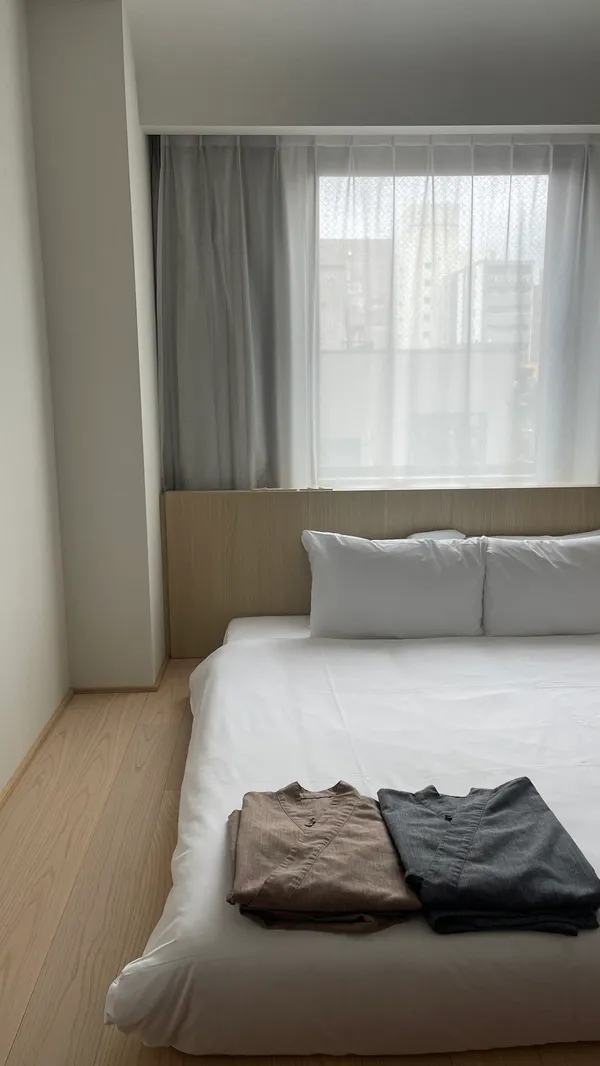
Rooms in Japan are generally small and pricey, but efficiently designed. In Tokyo especially, be prepared to sacrifice floor space for your luggage. Many Airbnb apartments have a small kitchenette and a dining table for two that takes up most of the room. Bathrooms and toilets are often separated, which I personally love. And yes, heated toilet seats are standard!
No-human contact checkin
If you book an apartment through Airbnb, there will most likely be no one there to welcome you. You’ll receive a check-in guide in Japanese and slightly broken English with instructions on how to access the building and your room. Usually this involves multiple codes. It can feel confusing at first, but once you get the hang of it, it’s easy.
Hotels, on the other hand, usually have staff and concierge services. That said, I personally only stayed in one hotel during my time in Japan, so most of my experience is from self check-in stays.
Cleanliness and garbage
As a guest, you’re expected to keep your space clean and help sort garbage correctly. This is taken seriously. Leaving a messy room at checkout or ignoring waste separation rules is considered disrespectful.
You’re also expected to carry your trash with you during the day and dispose of it at home. Yes, it sounds unusual at first but here's why:
Security: Many public bins were removed after the 1995 terror attacks to prevent hidden dangerous items.
Personal responsibility: People are expected to carry their trash home or to work.
Clean streets: No bins means no overflowing garbage or pest problems.
Strict sorting rules: Japan has detailed waste separation systems that public bins can’t easily support.
Quiet time
Japanese culture is deeply rooted in respect and that includes noise levels. Most accommodations have quiet hours, often from 10pm to 7am, though it varies. Sometimes there are even specific shower time guidelines to avoid disturbing neighbours.
If you plan on playing loud music or coming home late, save that energy for an izakaya and not your accommodation.
Smoking vs non-smoking
Every accommodation has either smoking or non-smoking rules. Smoking rules generally come at a cheaper price but honestly I couldn't think of anything worse than sleeping somewhere in the atmosphere of 200 cigarrets. It's up to you but for me, it's a no.
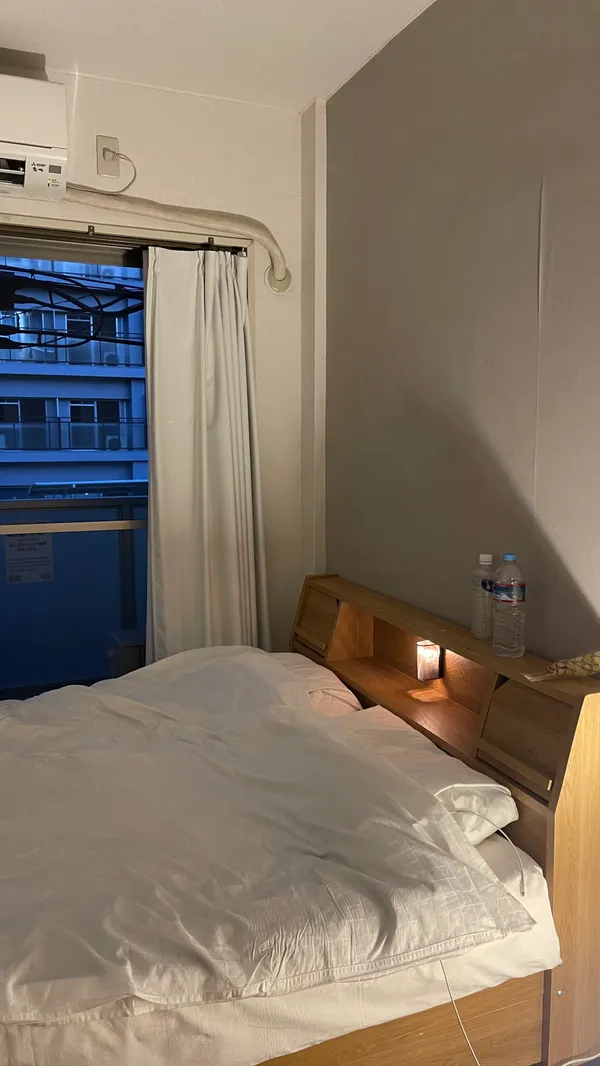
My non-negotiables
High rating of cleanliness and comfort
500m walking distance within public transport (train or metro)
A local, calm area
The west side of Tokyo
AREA
By the time you travel to Japan you’ll quickly make your own impression of which areas you enjoy spending time in and therefore where you’d like to stay. Tokyo itself consists of 23 special wards (特別区) which form the urban core and city center of the Tokyo Metropolis.
To simplify things I’ve decided to split Tokyo into 3 parts: east side, west side and middle.
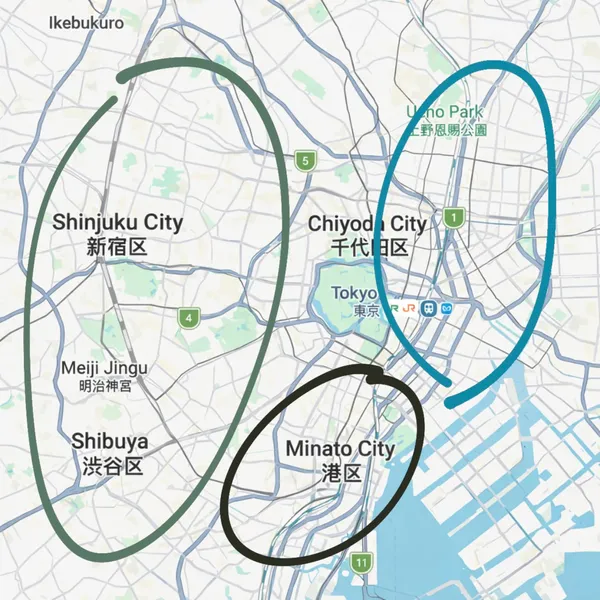
Keep in mind this is a rough sketch and not an official division of 3 areas. All areas are easily accessed by the JR Yamanote Line and Tokyo Metro.
West side
The “living, creative Tokyo”. My absolute all time favourite area. Personally I cannot think of a better place to stay. The area covers quite a large section of Tokyo but that is exactly why you cannot really go wrong.
It stretches from the south of Ebisu up through Shibuya, Harajuku, Yoyogi, Shinjuku and up to Takadanobaba. When reading my Tokyo itinerary you’ll quickly realise most of my preferred spots are located here (if not all).
I love staying here because I feel like I have everything. Local calm vibes, busy streets with major attractions, running routes, popular cafés, chain restaurants, plenty of parks and the list goes on. My idea is you’ll feel the same after experiencing this area.
Middle
This section is known for business and modern luxury. If you prefer expensive hotels, high end avenues, modern museums and Michelin star sushi restaurants this is the one for you.
It is generally a more polished area which believe me I would love to experience staying in more often but I would personally rather prioritise spending my money on as much sushi as I possibly can eat.
The area covers Minato, Roppongi, Akasaka, Shinbashi and the southern part of Ginza. For those with deep pockets this is your area.
East side
My least favourite for various reasons. The second time I stayed here I tried to convince myself how nice it was because of the cheaper price but personally I just do not feel it.
However if you are short on time and mainly here for the top three tourist attractions you found on Google (which by the way does not necessarily apply to my guide) this might be the place for you.
The area covers Asakusa, Ueno, Akihabara and most of Ginza amongst many others. Here you will find the iconic Sensoji Temple, anime shops, Tsukiji fish market and the twelve floor Uniqlo store which all in all is a fun experience but not a place I would personally choose to stay.
You can't really go wrong with any
Regardless of which area and type of location you choose to stay at there is not really anything major at risk. At the end of the day Tokyo is a wonderful city and each area has something unique of its own to offer. My guide is just a guide meaning I always suggest and encourage you to make your own impression of the city. My main job is to share advice, knowledge and insights to help you make a couple of decisions in advance and consider your options.
I would choose to stay anywhere in Tokyo over anywhere else. I think that says a lot.
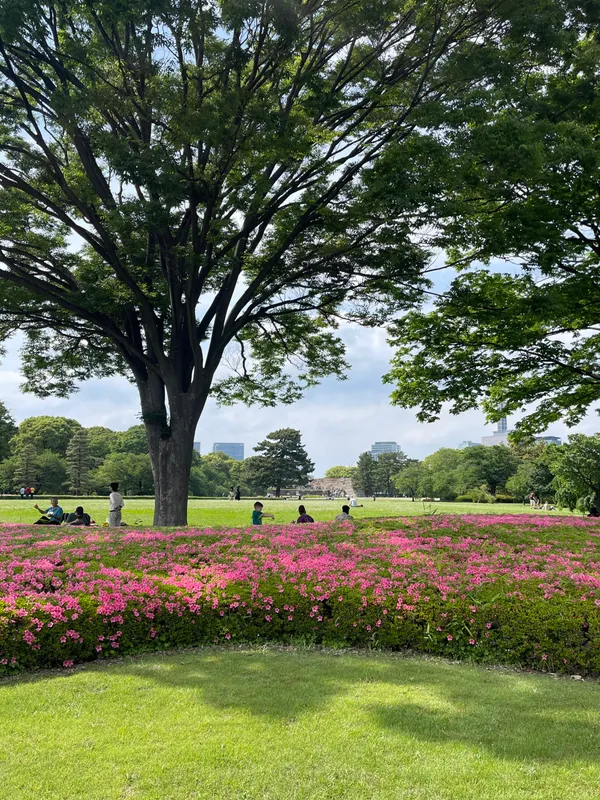
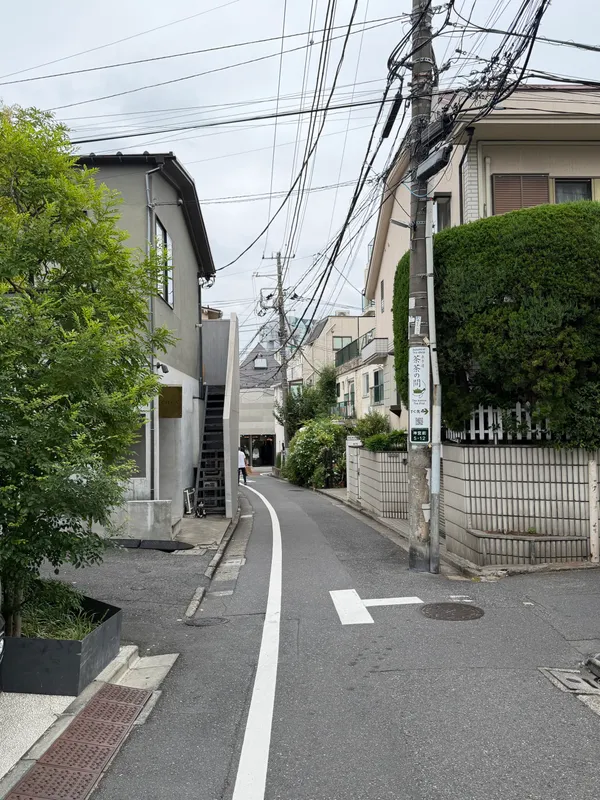
My preferred neighbourhoods to stay in:
Yoyogi / Hatsudai
This is peak me. Ideal for my runs in Yoyogi Park, quiet residential streets, tiny niche cafés tucked away on corners and within walking distance to Harajuku and omotesandō. It feels calm and local but you are incredibly well connected. Everything is close, yet it never feels overwhelming. If you love running, small streets and a soft Tokyo vibe, this area is ideal for you.
Takadanobaba / Waseda
Underrated and very real. Student energy, affordable eats and a relaxed neighbourhood feel. It is not flashy you imagine Tokyo, it is everyday Tokyo. I love it because it feels authentic and as I'm a part of the local, daily life. It's connected by both the Yamanote line and various metro lines which makes traveling from one side of Tokyo to another super easy. I simply feel at home here.
Ebisu
Ebisu (and Daikanyama) is for when I want that clean, aesthetic but slightly elevated atmosphere. Amazing coffee spots, wine bars and low key restaurants that feel curated but not touristy. It is walkable, refined and still super close to Shibuya without being in the chaos. Perfect if you like niche cafés, good food and a local but polished feel. However, the prices go up here.

Looking for things to do?
Go check out my guide for the best free things to do as well as itineraries and travel tips to make your trip unforgettable.