Before You Go
The absolute only essentials you need to prepare before arriving in Japan

Katharina Schneider
Japan

You're going to Japan! That's amazing. I remember how excited I felt the first time and trust me: it doesn't change. However, it can be quite overwhelming if you don't handle a few tings beforehand but I've saved you from the unnecessary. Here's the (only) important things you need to do:
Visa
Depending on your passport, as of early 2026 many nationalities can enter Japan visa-free for tourism when meeting the following requirements:
A valid passport
Proof of onward ticket
If you comply with the requirements you'll be granted a free 90 day visa to Japan. By the time of writing this applies to citizens of the US, UK, Canada, Australia and most of Europe.
However, head to the official Ministry of Foreign Affairs official website to ensure this applies to your country: Direct link
always be sure to check up on the visa requirements before going to Japan, regardless of your nationality.
Arrival form
Upon arrival in Japan you'll be spending a long time waiting in the immigration unless you've taken care of your online arrival form before leaving your home country. Good news, it's super simple to do:
Register: Log in to the official Visit Japan Web
Enter your flight details, your accommodation address in Japan, and declaration answers.
You then receive separate QR codes for immigration and customs.
Take a screenshot of the QR codes in case of poor Wi-Fi/data at the airport.
Have the QR codes ready for immigration and when clearing customs
Good news! You just saved top to 2 hours of waiting.
This can be done manually on paper when arriving in Japan. The formular is also given to you by the flight attendants.
eSim
To get around Japan, staying connected is essential.
An eSIM (Electronic SIM) is the best solution. I personally use Airalo, which in my opinion provides the most reliable connection. You can choose from standard to unlimited data packages that cover you for up to 30 days. Need more? Top it up!
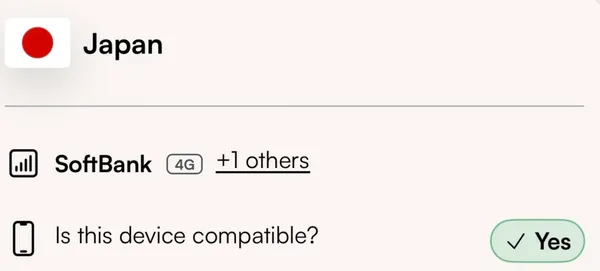
Download Airalo
Install your chosen eSIM (code KATH3 saves you $3 off your first one!)
Activate it when you arrive in Japan
Suica and Pasmo
Suica and Pasmo are prepaid, rechargeable IC cards that you can download from the App Store. They work as a “tap and go” payment system. This saves you a lot of time when using the JR lines, metro, and when paying at convenience stores and selected restaurants.

Perhaps this penguin looks familiar to you? Yes, it’s Suica. Personally, I always use Suica because I find it the easiest option. There are a few things to keep in mind when getting a Suica:
It can only be activated during Japanese office hours.
The app is fully in Japanese, so you may need a friend to help translate while setting it up.
Getting an IC card is the most time-saving and convenient solution I’ve come across. I always use Suica whenever possible instead of paying with cash. I usually keep it as my main card in my Apple Wallet for smooth and easy payments.
Cash or credit card
Speaking of money: you need cash. Despite how technologically advanced Japan is, cash is still essential in many places.
The easiest option is to head to an ATM and withdraw money from your bank account using a physical credit or debit card (different rules may apply depending on your bank). While many places accept cards, smaller stores, local restaurants, cafés, and street vendors often prefer cash (or only!).
And if you're like me: wandering through side streets and alleys, finding spontaneous little things to buy, it’s safe to say that cash is a must.
How much should i carry? That depends on your budget, which we’ll talk about later, but here's an example with ¥5,000. That typically covers simple meals, one entry ticket, and a single spontaneous purchase. However, I'd always bring more to ensure I'm able to pay.
JR Pass
Perhaps you have heard of the Japan Rail Pass, also known as the JR Pass. It is a physical transportation ticket offered jointly by the six JR Group companies and is ideal for traveling throughout Japan by train. In some cases it can be convenient, but not necessarily.
Information a bout the JR pass:
It provides access to most JR trains, including Shinkansen bullet trains, limited express trains, local lines, as well as selected JR buses.
It can be purchased for a period of 7, 14, or 21 consecutive days.
The activation date does not have to be the same day you claim it
It's only available to tourists entering Japan under a temporary visitor status
Two types are available: Green and Ordinary. Green car seats are usually more spacious and comfortable than Ordinary. However, my advice is to save your money and choose Ordinary. It is already a luxurious experience because the Japanese standards are above the average.
The cheapest Ordinary pass covers 7 days for an adult at ¥50,000, which is equivalent to approximately €277. I have attached the full price chart below with current prices of the start of 2026.
Restrictions apply: the pass cannot be used on high speed Nozomi or Mizuho trains (Shinkansen) on the Tokaido or Sanyo lines without paying an additional fee.
Seat reservations on the Shinkansen are free for JR Pass holders.
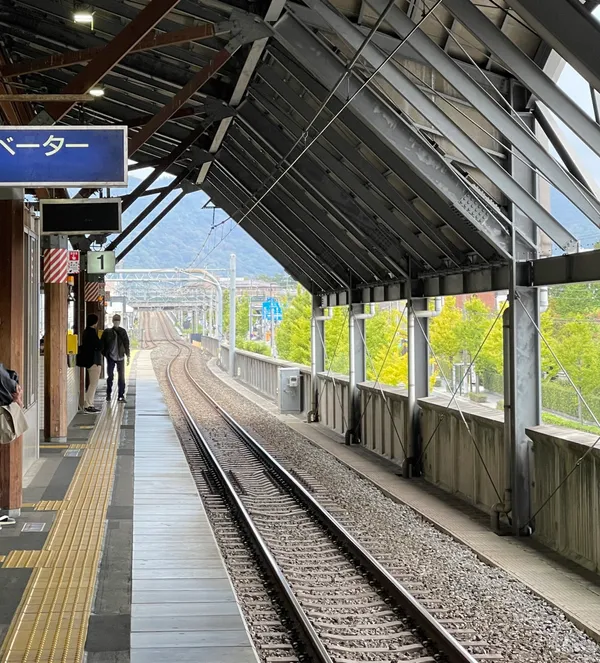
So, do you need a JR Pass?
To be honest, I cannot give you a definite answer. It depends on how much you plan to travel around Japan and which types of transportation you intend to use. If you are planning to do the Golden Route within 14 days and travel primarily by Shinkansen and explore a lot within each city, I would strongly recommend getting the JR Pass. Another thing worth mentioning is the convenience and potential chaos it'll save you from during your first trip when everything is a tad overwhelming.
Direct link to the official website: JR website
Current pricing of the start of 2026
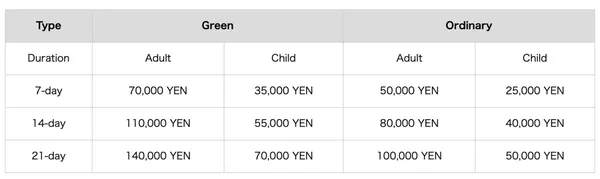
If you decide to purchase the JR Pass, it can be collected at a designated JR Office in Japan (these can be found at the airport). It is important to note that the JR Pass. Make sure you bring the physical passport, as copies or digital versions will not be accepted.
Fun fact: I still have my JR pass from my first trip to Japan in 2021. It's a physical card and I hope you'll decide to keep it as a memory if you get one!
Additional apps
There is nothing that bothers me more than recommending apps that turn out to be useless and that is not the case here. What I share in general is only advice and not a must but I would highly recommend downloading at least these three apps for extra convenience and small bonuses during your time in Japan (I personally cannot go without them)
Mymizu
In Japanese, Mizu 水 means water = mymizu = my water
Mymizu is Japan’s first water refill app that helps you access free refill points so you can refill your bottle on the go and avoid buying large amounts of single use plastic water bottles. The map is scattered with countless of available refill stations all across Japan. My advice is to always carry an empty bottle with you so you can easily stay hydrated for free.
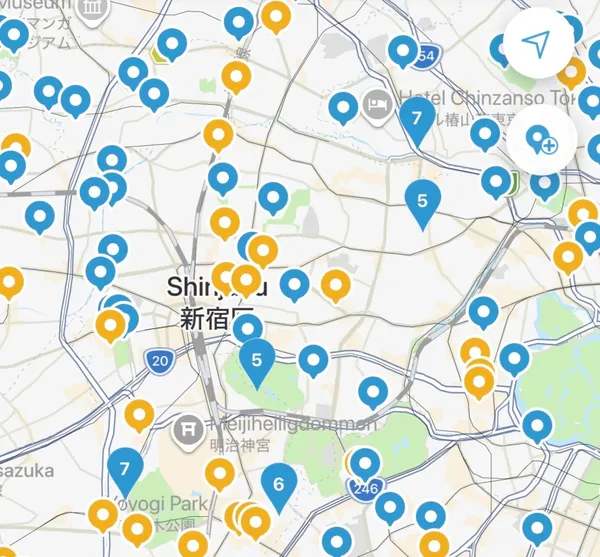
The blue markers indicate public spots such as water fountains in parks, train stations, or city halls. The yellow markers are private spots like cafes, restaurants or shops that offer free water refills.
And yes: It's perfectly safe to drink the water in Japan.
Google Maps
Whilst I'm sure you already have Google Maps installed on your phone I thought it was worth to mention anyway because Google Maps is the easiest way to figure out transportation. Adding your starting and end point the most convenient route will then be displayed. From JR lines, Metro, Busses and in some cases even by rental bikes.
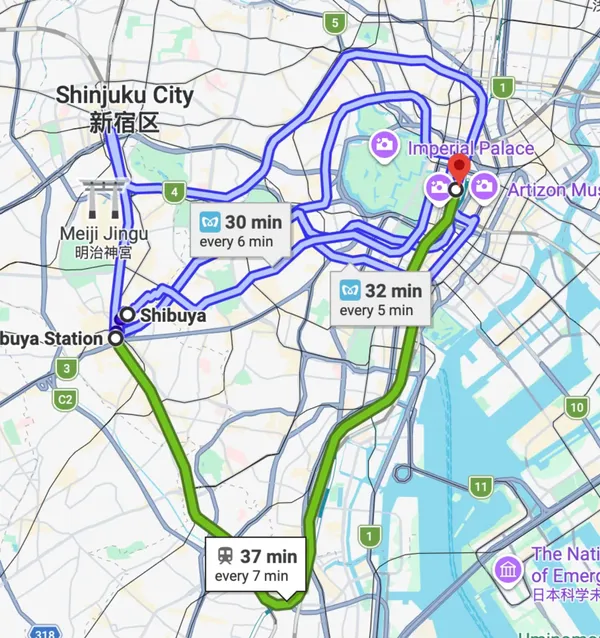
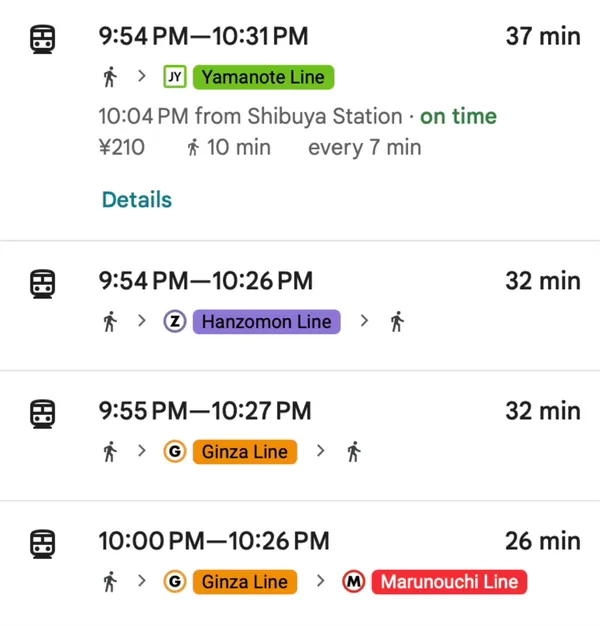
OBS: Here's something you want to keep in mind: Public transport in Tokyo (trains, subways, and buses) generally stops running between midnight and 1:00am and start again at 6:00am. Make sure you include this in your plan incase you stay out late or prepare to pay a Taxi ride.
I once booked a Taxi to get to Haneda Airport when I had a 7am flight. For this I used the app "GO" which covers 46+ prefectures and boasts the largest fleet, making it the most reliable choice nationwide. You can pre-book your ride the day before and pay in advance.
Google Translate
Not a game changer, but still necessary. While you have probably mostly used Google Translate for writing, it can also be used for voice recording and photo translations, which are incredibly helpful in situations where you need to ask locals for help or translate a menu. (Or simply figure out what is inside the onigiri you are grabbing at the convenience store!)
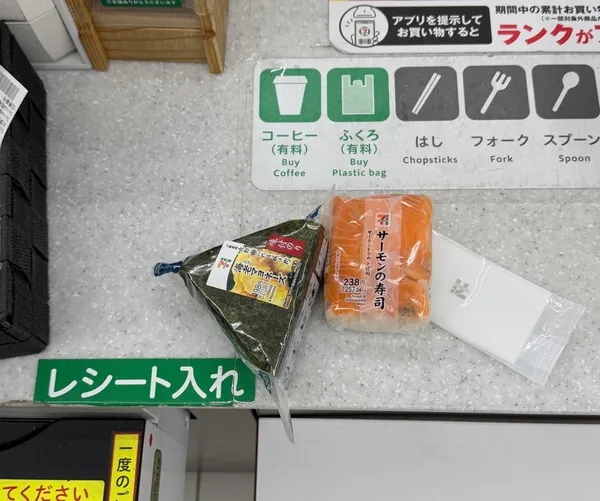
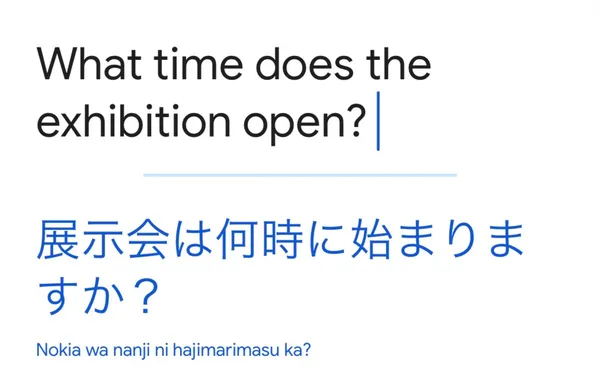
Keep in mind that the grammar in Google Translate may not be perfect, but it will get you what you need: answers to your questions and help when you need it. I was once 30 seconds away from ordering raw horse meat. I was very glad to have avoided that.
Want to see more?
I have created curated maps, itineraries and more for travellers that want to travel like me.

Looking for things to do?
Go check out my guide for the best free things to do as well as itineraries and travel tips to make your trip unforgettable.