Budgetting and price expectations
Cost of spending 2 weeks in Japan on three levels and how to structure your budget

Katharina Schneider
Japan


One of the biggest misconceptions about Japan is that it is extremely expensive. The truth is more nuanced. Japan can be expensive, but it can also be surprisingly affordable if you know where to spend and where to save. After reading this tip you will!
I think this assumption often comes from comparing Japan to other countries in Asia, where it's for sure one of the more expensive destinations. I've travelled to Thailand and Vietnam which in comparison makes Japan look very pricey. However, as someone born and raised in Copenhagen, I personally find Japan very affordable.
Once you have read this tip, you will have a clear understanding of how to structure your budget and realistically what to expect when spending two full weeks in Japan.
Food
Luckily, the quality of food in Japan is incredible. As mentioned in another section, I could easily live off 7Eleven for months. But I want you to experience more than what convenience stores have to offer.
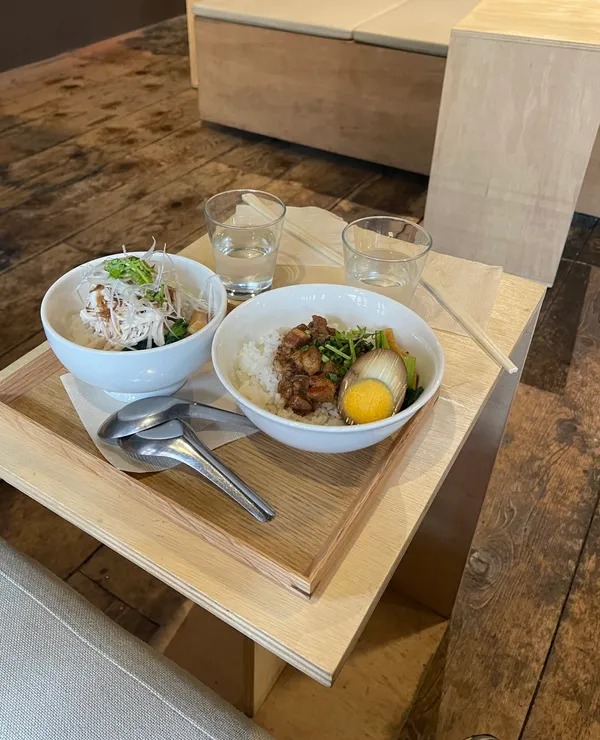
Cheap: ¥500 to ¥1,200 for ramen, udon, gyudon or combini meals
Mid range: ¥1,200 to ¥3,000 for sushi, teishoku sets or casual restaurants
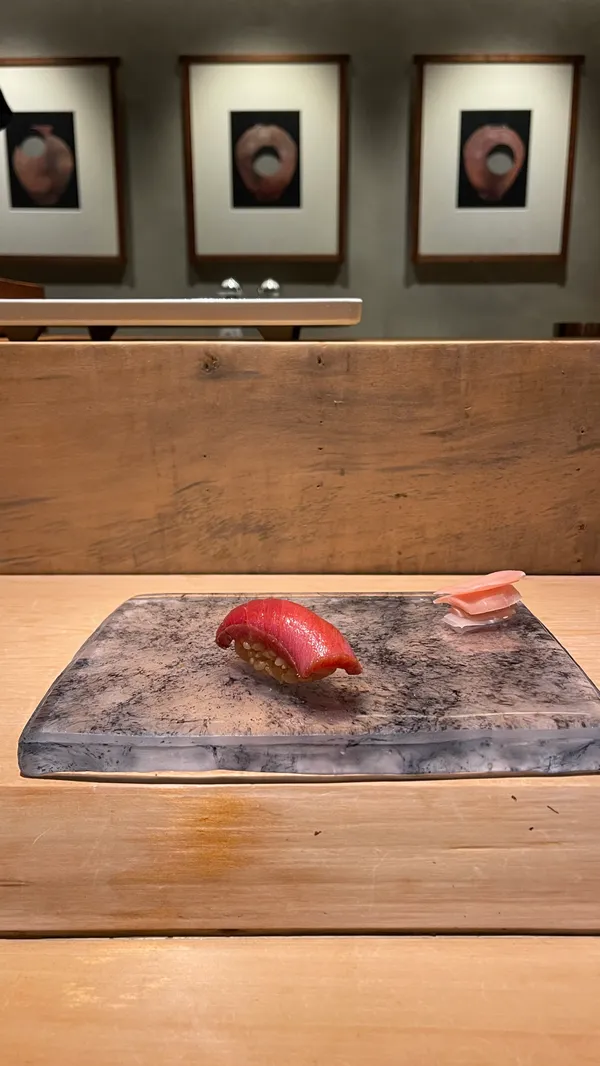
Luxury: ¥8,000 and up for omakase, fine dining or special experiences
Coffee and matcha
Personally, I cannot go a day in Japan without matcha. And if you need your daily dose of caffeine, I am not here to stop you (quite the opposite). Japan has an excellent selection of coffee shops and matcha spots that can easily fit into a reasonable budget without compromising on quality.
Cheap: ¥200 to ¥400 from vending machines or convenience stores
Mid range: ¥600 to ¥900 at specialty cafes
Luxury: ¥1,000 and up at specialised tea shops or high end coffee bars
Transport
Tokyo is a large city and it is almost unavoidable to hop on a train or metro to get from A to B. While I enjoy walking as much as possible, which is free and often the best way to explore, public transport is efficient and affordable.
Metro rides & JR Line: ¥180 to ¥300 per ride (JR lines are free for JR pass holders)
Daily transport average in Tokyo: ¥600 to ¥1,200
Shinkansen between major cities: typically ¥10,000 to ¥15,000 one way
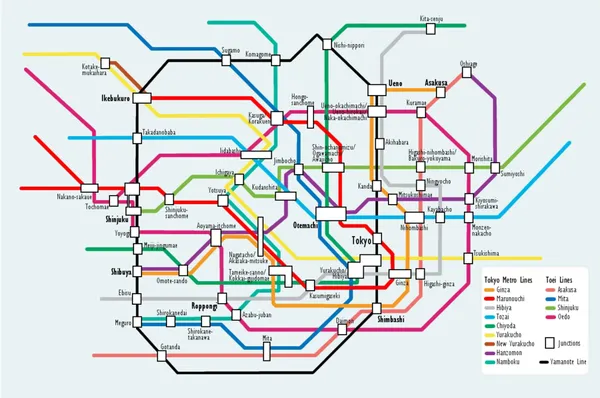
Pro tip: Consider purchasing a 24 hour subway ticket for unlimited rides on all Tokyo Metro and Toei Subway lines. At around ¥800, it is often the most cost efficient option if you plan multiple stops in one day.
The ticket can be used riding the following lines:
Tokyo Metro
Ginza Line
Marunouchi Line
Hibiya Line
Tozai Line
Chiyoda Line
Yurakucho Line
Hanzomon Line
Namboku Line
Fukutoshin Line
Tokyo Metro
Toei Asakusa Line
Toei Mita Line
Toei Shinjuku Line
Toei Oedo Line
Museums and attractions
One of my highlights of Japan is diving deep into the culture through historical landmarks and unique museums. While some attractions require an entry fee, many temples and shrines are completely free.
Public shrines and temples: ¥0
Most museums: ¥500 to ¥2,000
TeamLab, Tokyo Tower or larger attractions: around ¥3,000 to ¥4,000
Accommodation per night in Tokyo
Your choice of accommodation is usually where the biggest part of your budget goes. Personally, I often choose Airbnbs or hostels with private rooms. Hostels in Japan are honestly some of the best I have experienced in Asia (which is a lot, trust me) and the standards are high. Some even include complimentary breakfast, which is a bonus.
Budget: ¥3,000 to ¥8,000 for hostels, capsule hotels or simple business hotels
Mid range: ¥12,000 to ¥20,000 for good Airbnbs or comfortable hotels
Luxury: ¥35,000 and up for high end hotels in central hot spots
I rarely ever do luxury hotels (if ever). Not because I do not appreciate them, but because I would rather stay in a vibrant neighbourhood than directly on a busy tourist street filled with noise and flashing lights.
Where Japan feels expensive
Accommodation in central Tokyo
Seasonal fruit (weirdly expensive)
Extremely luxury dining
Where Japan feels surprisingly affordable
High quality sushi at conveyor belt restaurants
Public transport
Convenience store food and vending machines
Attractions and experiences
How to prioritize without feeling restricted
My advice for you is Instead of trying to save on everything, choose one daily highlight. One restaurant you are excited about, one museum or a shopping purchase and let the rest of the day stay simple.
Japan truly rewards slow wandering more than aggressive planning which is also what sets the tone for the itinerary I created for you.
Estimated budget for 2 weeks in Japan
This estimate is based on the information provided and It does not include shopping, as that is far too individual to generalise. If you would like a budget tailored specifically to you, I recommend booking a 1:1 consultation or requesting a personalised travel plan with me. That way I can fully match your trip to your budget and priorities (and honestly, I'd love to!)
Low budget: ¥100,000 to ¥160,000
Mid range: ¥220,000 to ¥350,000
Big spender: ¥500,000 and up
I'd recommend creating a "fun money" section on top of your budet because believe me, you'll rarely come home empty handed.
Want to see more?
I have created curated maps, itineraries and more for travellers that want to travel like me.

Looking for things to do?
Go check out my guide for the best free things to do as well as itineraries and travel tips to make your trip unforgettable.