Getting around Japan
How to travel between Tokyo, Osaka and Kyoto

Katharina Schneider
Japan


Since my guide focuses on the Golden Route, I want to explain the easiest, most comfortable and enjoyable ways to travel between these cities. The two main options I personally use are the Shinkansen and regular trains.
From Tokyo to Kyoto
Located approximately 450 km apart, it is quite a stretch to travel from Tokyo to Kyoto. The cheapest option is by bus, but it is also the longest ride, taking up to 8 to 9 hours, and as far as I know there are no direct daytime options that make sense comfort wise.
This is why, regardless of your budget, I always suggest travelling by Shinkansen.
The Shinkansen is Japan’s high speed train operating at up to 320 km per hour and it is by far the best way to travel long distances in Japan. Honestly, it is the most comfortable time I have ever spent in public transport in my entire life. Around 380 Tokaido Shinkansen trains operate daily between Tokyo and Kyoto, so you will easily find a departure time that suits you.
Heres a direct link to Tokyo Station Timetable
Now there are a few things to keep in mind when deciding which train to board and whether to reserve a seat if you have a JR Pass or are buying individual tickets.
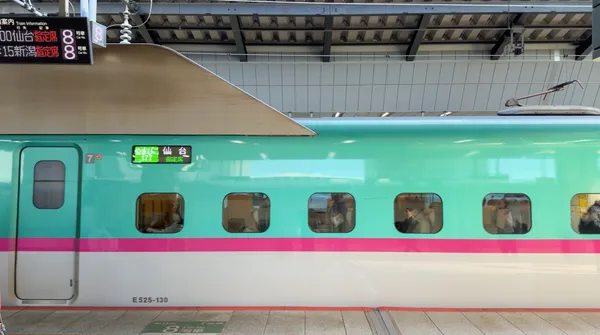
Which train to board?
There are three main types of Shinkansen trains on this route: Nozomi, Hikari and Kodama. You might also see names like Mizuho and Sakura, but for this journey we will focus on the main ones.
The Nozomi line is the fastest service connecting Tokyo, Kyoto, Osaka and Hakata, with the fewest stops. Be aware that this train is not fully covered by the JR Pass unless you pay an additional surcharge and make a seat reservation.
Main route: Tokyo –> Shinagawa –> Shin-Yokohama –> Nagoya –> Kyoto –> Shin-Osaka
Duration: 2h 15min
The Hikari line makes more stops than the Nozomi but is fully covered by the JR Pass. In my opinion, this is the most convenient option if you are using the JR Pass and want to balance time and budget.
Main route: Tokyo -> Shinagawa -> Shin-Yokohama -> Odawara -> Shizuoka, Hamamatsu ->Toyohashi -> Nagoya -> Gifu-Hashima -> Maibara -> Kyoto -> Shin-Osaka
Duration: 2h 40min - 3h
The Kodama train stops at every station along the route. I personally have never used it for this journey as it is significantly slower and I don't think this is worth saving some money for.
Main route: Tokyo -> too many to write -> Hakata
Duration: 3h 30min from Tokyo to Kyoto, full line 4h
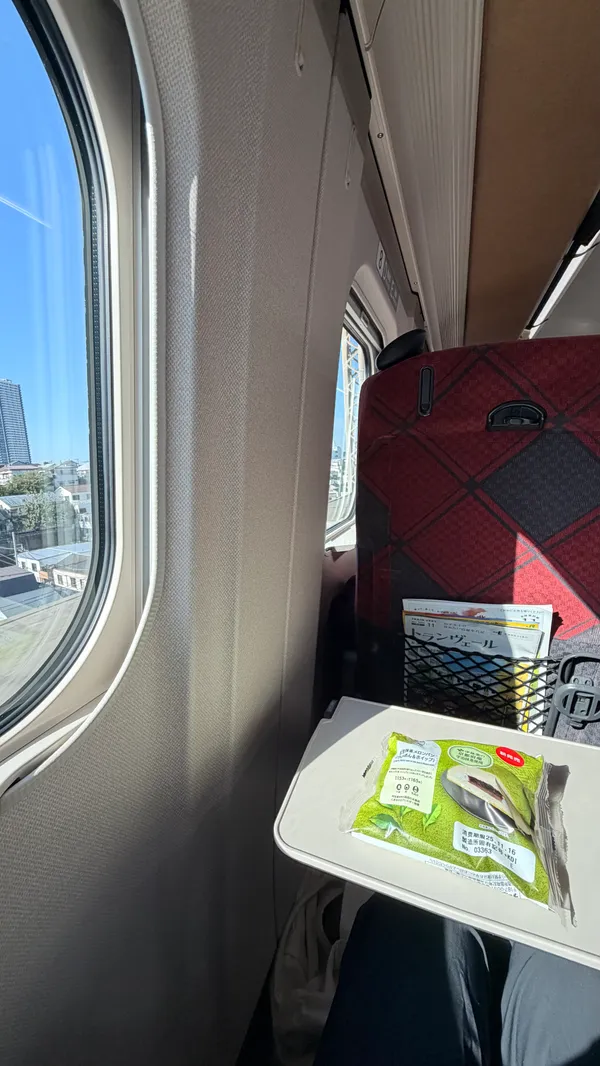
Tickets and reservations
All tickets and seat reservations without a JR Pass can be made at JR ticket offices at the station. If you have a JR Pass, make sure to bring your passport for verification.
The tickets can be purchased using cash or an IC card. You will receive physical tickets and receipts for each ride, so do not drop them.
Tip: Grab a bento box or some combini snacks for the ride. It is completely normal and acceptable to eat on the Shinkansen.
Bonus tip: If you want a chance to see Mount Fuji, reserve a seat on the right side of the train when travelling from Tokyo to Kyoto, preferably seats D or E.
Is seat reservation necessary?
All Shinkansen lines have non reserved seat cars, typically the first one to three cars. However, these often fill up within the first few stops. I personally always recommend reserving a seat regardless of time or day. During peak seasons and holidays, reservations may even be mandatory. You can reserve your seat when purchasing your ticket.
My recommended route from Tokyo to Kyoto
Head to Google Maps and or the official timetable and search for options between Tokyo and Kyoto at least 3 days in advance.
Find the Hikari line that fits your timing best.
Head to any JR office and purchase tickets and or reserve seats using your JR Pass.
Keep hold of your tickets, pack your bags and get ready for a smooth journey
From Kyoto to Osaka
Travelling from one city to another does not always require huge planning in advance. Kyoto and Osaka are located just 30 minutes apart by JR train and therefore, in my opinion, there is absolutely no need to deal with the fuss of Shinkansen tickets. Simply board a local train, stress free. Yes, it may require a bit of extra mental strength to keep your luggage close, but it is honestly super easy.
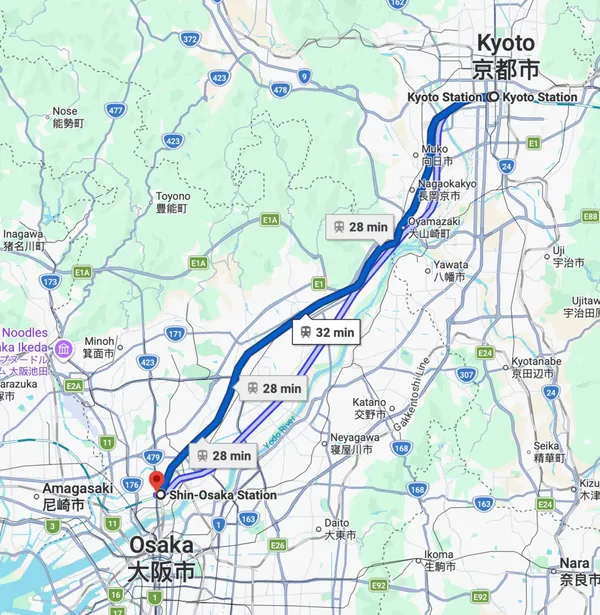
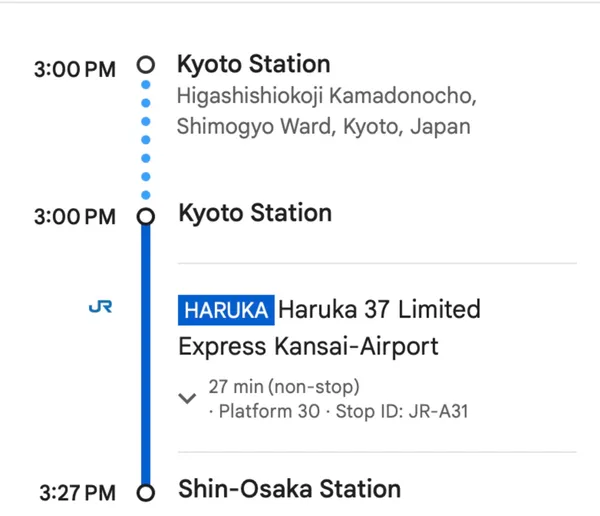
As you will notice, some trains do not stop at Osaka Station but at Shin Osaka Station. This is basically the “near Osaka” station and only requires one transfer, usually by metro, adding an additional 10 to 15 minutes to your ride. It is simple, relatively cheap and convenient. This is exactly why I love doing Osaka as a day trip from Kyoto!
My recommended route from Kyoto to Osaka
1. Head to Google Maps and search for options between Kyoto and Osaka.
Find the train line that fits your timing best. No need for the Shinkansen
On the day of travel, bring your IC card or cash to the station
Purchase a ticket or tap and go
From Osaka to Tokyo
The same conditions apply when travelling from Shin Osaka to Tokyo. Choose the Shinkansen line that suits your budget and overall preferences.
Instead of getting off at Tokyo Station, I recommend ending your Shinkansen ride at Shinagawa, especially if your accommodation is located somewhere along the JR Yamanote Line (which it most likely will be).
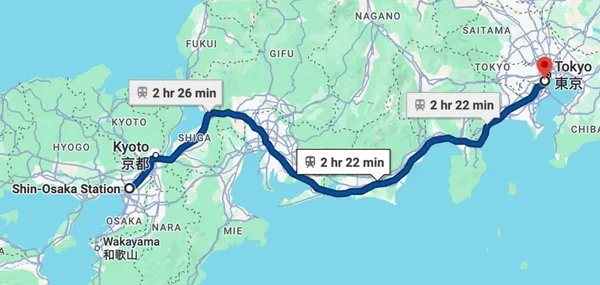
Getting off at Shinagawa is convenient because you will be directly connected to the Yamanote Line, which ties all of Tokyo’s major areas together.
Keep in mind that you will need an additional ticket or you can use your IC card for tap and go when transferring to the Yamanote Line.
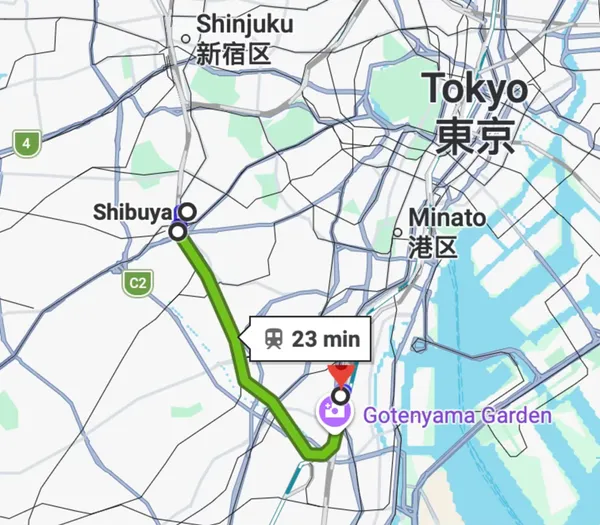
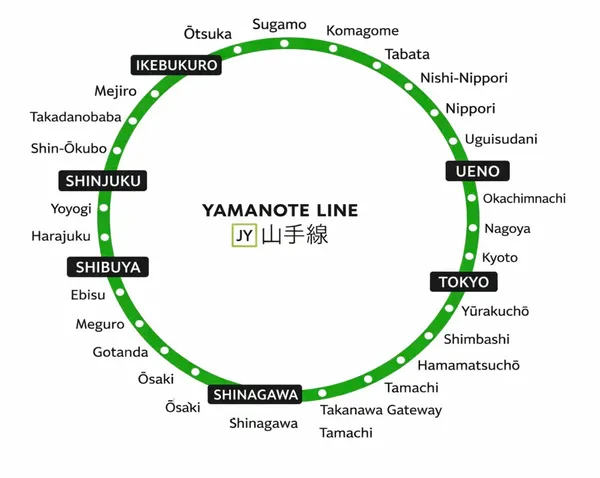
A fun story. I honestly have no idea how this happened, but my friend and I somehow managed to board the JR line from the Shinkansen without any ticket. I am still not sure how we got through because the gates did not seem to have a proper ticket check system.
When we arrived at our final destination, Takadanobaba, we could not exit the station because you need to insert your ticket or tap your IC card in order to leave.
However, as friendly as the Japanese are, we did not receive a fine. Instead, we were simply asked to pay the regular ticket price of ¥180 for the ride from Shinagawa. They did not ask for proof, they just trusted our honesty.
And in my opinion, that is exactly what makes Japan, Japan!
Want to see more?
I have created curated maps, itineraries and more for travellers that want to travel like me.

Looking for things to do?
Go check out my guide for the best free things to do as well as itineraries and travel tips to make your trip unforgettable.