Common Mistakes First-Time Travelers Make in Korea
(And How to Avoid Them)

BEN CHOI
Korea, Republic of

South Korea is safe, modern, and surprisingly easy to travel —
yet many first-time visitors leave feeling more tired than expected.
Not because they did something “wrong,”
but because they made very common beginner mistakes that are easy to avoid once you know them.
Here are the mistakes I see first-time travelers make again and again — and how you can avoid them.
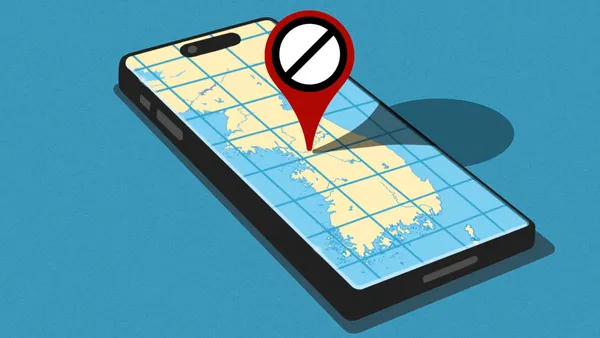
1. Relying Only on Google Maps
This is the most common mistake.
In Korea, Google Maps can:
Suggest inefficient routes (But It will work soon properly)
Miss shortcuts and pedestrian paths
Show inaccurate locations
As a result, travelers walk more, get confused, and waste time.
How to avoid it:
Use local map apps for navigation. They are built for Korea’s system and are far more reliable.
2. Overplanning the First Day
Many travelers land in Korea and immediately try to:
Visit multiple attractions
Navigate unfamiliar transportation
Eat at “must-visit” restaurants
This often leads to exhaustion and frustration.
How to avoid it:
Keep Day 1 simple.
Focus on arrival, check-in, one nearby activity, and rest.
Your trip will feel much smoother from Day 2 onward.
3. Not Saving Addresses in Korean
Showing an English address to a taxi driver often doesn’t work well.
This can lead to:
Wrong drop-off locations
Extra explanations
Awkward communication
How to avoid it:
Save hotel names and destinations in Korean and show them directly on your phone.
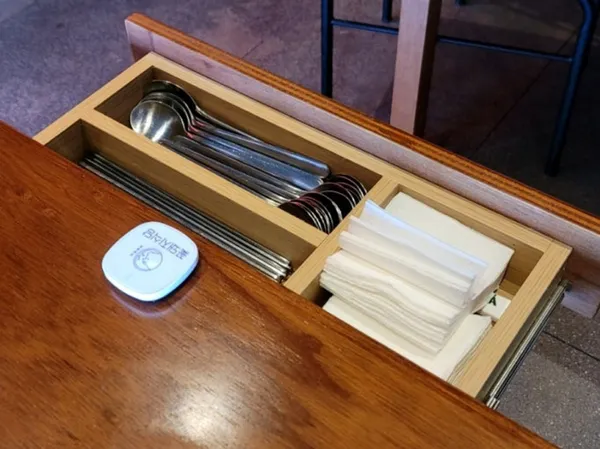
4. Feeling Awkward in Restaurants
First-time visitors often feel uncomfortable because:
Side dishes arrive without explanation
Water is self-service
Some meals are meant for sharing
Ordering for one feels unclear
This can make dining stressful instead of enjoyable.
How to avoid it:
Understand that these are normal systems, not bad service.
Once you know what to expect, restaurants become one of the best parts of traveling in Korea.
5. Carrying Too Much Cash (or None at All)
Some travelers carry large amounts of cash “just in case.”
Others assume they won’t need cash at all.
Both approaches cause problems.
How to avoid it:
Carry a small amount of cash and use cards for most payments.
This balance works best in Korea.
6. Expecting English Everywhere
English is available in many tourist areas — but not all.
When travelers expect English everywhere, they may feel:
Frustrated
Ignored
Uncomfortable
How to avoid it:
Use translation apps, simple phrases, and visual communication.
Most situations don’t require conversation — just context.
7. Misunderstanding Quiet Public Spaces
Korean public transportation is usually quiet.
First-time visitors sometimes feel:
Self-conscious
Unsure how to behave
How to avoid it:
Follow the environment.
Avoid loud calls and speak softly. This makes you feel more comfortable very quickly.
8. Trying to “Figure It Out as You Go”
Korea is modern, so many travelers assume they can improvise everything.
They usually can — but at the cost of:
Extra walking
Repeated small mistakes
Mental fatigue
How to avoid it:
A little preparation removes most friction.
You don’t need to plan everything — just the basics.
Final Thought
Most first-time travelers don’t struggle because Korea is difficult.
They struggle because they don’t know which small things matter.
Once those are clear, Korea becomes one of the most comfortable countries to travel in.

Looking for things to do?
Go check out my guide for the best free things to do as well as itineraries and travel tips to make your trip unforgettable.