How Korean Transportation Actually Works
This article is for travelers who want Korea to feel smooth from Day 1 — not something they “figure out halfway through the trip.”

BEN CHOI
Korea, Republic of

Korea’s transportation system is often described as “excellent.”
That’s true — but many first-time travelers still feel confused, tired, or overwhelmed while moving around.
The problem isn’t the system.
It’s how first-time visitors misunderstand how the system actually works.
This guide explains the logic behind Korean transportation, not just the instructions.
The Core Idea You Need to Understand
Korean transportation is built around efficiency and volume, not flexibility.
That means:
The system works incredibly well if you follow it
It feels frustrating if you fight it
Once you understand this mindset, everything becomes easier.
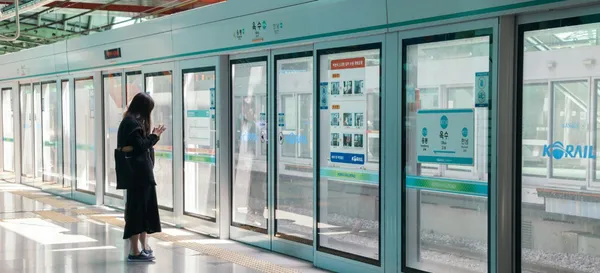
1. Subway Stations Are Not “Stops” — They’re Small Zones
This is one of the biggest misunderstandings.
In Korea:
One subway station can have many exits
Each exit leads to a completely different area
Choosing the wrong exit can add 10–15 minutes of walking
Locals don’t think:
“I’ll just get off at this station.”
They think:
“Which exit do I need?”
This is why local map apps emphasize exit numbers, not just station names.
2. Transfers Are Designed to Be Walkable — Not Fast
Transfers in Korea often involve:
Long underground walks
Escalators and stairs
Clearly marked paths
This is normal.
The system prioritizes flow and safety, not shortest distance.
First-time travelers get frustrated because they expect quick platform-to-platform transfers.
Understanding this removes unnecessary stress.
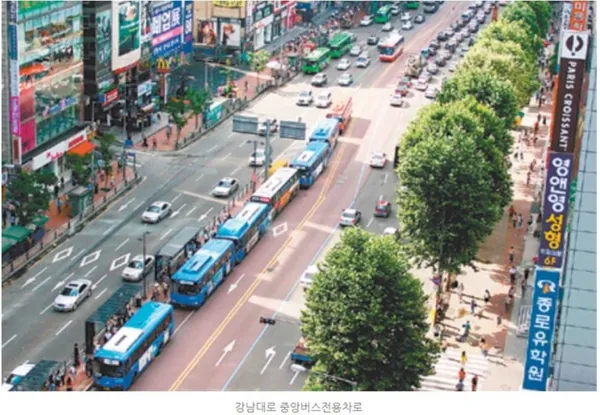
3. Buses Are Part of the Core System (Not a Backup)
In many countries, buses feel secondary.
In Korea, they’re essential.
Buses often save time compared to subways
They reach areas subways don’t
Locals use them constantly
If you avoid buses completely, you’re using only half the system.
4. Transportation Cards Are About Speed, Not Just Payment
Transportation cards exist to:
Reduce delays
Keep people moving
Avoid cash handling
Locals don’t think about fares — they just tap and go.
First-time travelers who worry about exact costs slow themselves down mentally.
Once you adopt the same “tap and move” mindset, travel feels lighter.
5. Taxis Are Context-Based, Not Universal
Taxis are not the default option in Korea.
Locals use taxis:
Late at night
For short distances
When carrying heavy items
They avoid taxis:
During rush hours
When subways are faster
Many tourists overspend and lose time by using taxis in the wrong situations.
6. Navigation Confusion Comes from Expecting Global Tools to Work
Korea’s mapping system prioritizes:
Domestic security policies
Local data providers
Real-world exit logic
Global navigation tools don’t reflect this structure well.
This is why first-time travelers feel like:
“I’m doing everything right, but it still feels inefficient.”
They’re using tools that don’t match the system.
7. Why You Feel More Tired Than Expected
Many first-time travelers say:
“I didn’t do that much, but I’m exhausted.”
This usually comes from:
Extra walking due to wrong exits
Repeating small navigation mistakes
Mental effort spent correcting routes
The transportation system isn’t tiring — misunderstanding it is.
How Experienced Travelers Think About Moving in Korea
Experienced travelers ask:
Which exit do I need?
Is a bus faster than the subway here?
Is this a walking transfer or a riding transfer?
Does this trip make sense during this time of day?
They don’t rush.
They align with the system.
Final Insight
Korean transportation is not complicated — it’s precise.
Once you understand:
Exit-based navigation
Bus–subway balance
Context-based taxi use
Moving around Korea becomes calm, predictable, and efficient.

Looking for things to do?
Go check out my guide for the best free things to do as well as itineraries and travel tips to make your trip unforgettable.