The Food Culture of Shikoku
Discover what to eat across Shikoku: from Tokushima's preservation culture to Ehime's citrus empire and Kagawa's maritime traditions

Michael Minsky
Shikoku, Japan

Shikoku's position between mountains and sea created the conditions for its distinct food culture. The tidal straits here aren't gentle - currents hit hard enough that fish swimming through them develop unusually firm, dense flesh. Climb up from the coast and you're in citrus country, where farmers centuries ago figured out how to position their terraces to catch light from three directions: direct sun from above, reflection off the sea, and heat bouncing back from stone walls. That triple exposure creates citrus sweeter than anywhere else in Japan. And up in the mountains, where defeated Heike warriors fled in 1185, the rocky slopes wouldn't support rice. They had to adapt to buckwheat instead, a completely different grain that shaped mountain cuisine for centuries to come.
Geography shaped everything here, forcing people to get creative with what they had. The result is a collection of regional cuisines that feel distinct even within Japan, built on preservation techniques, resourcefulness, and making the most of what nature provided.
We're focusing on three of Shikoku's four prefectures, where the food culture tells the clearest story of how landscape shapes the plate.
Tokushima Prefecture
Tokushima is over 80% mountains, with steep slopes that made farming difficult and valleys that kept communities isolated. The Yoshino River runs through it all, flooding regularly and reshaping the land. This geography created challenges that required solutions, and those solutions became the foundation of Tokushima's food culture.
Sudachi
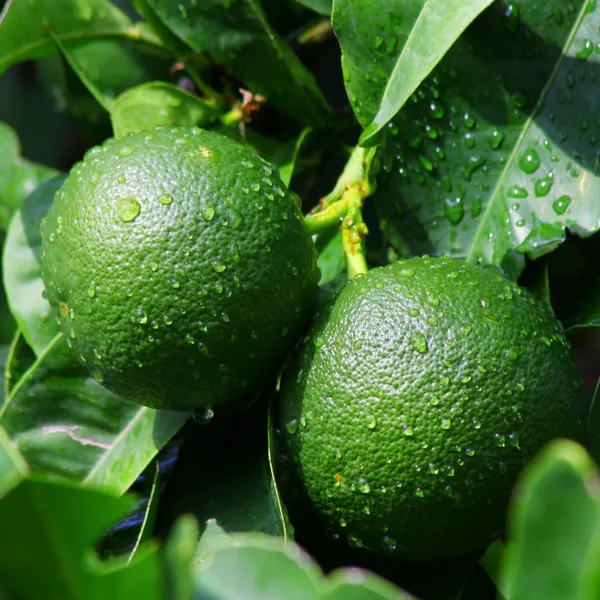
Tokushima produces 98% of Japan's sudachi, a tiny green citrus with sharp acidity that once replaced vinegar. While yuzu (also grown here) is rounder, milder, and better known internationally, sudachi is so central to Tokushima's identity, that even the prefectural mascot is an anthropomorphic sudachi. First cultivated over 1,200 years ago, its natural antimicrobial properties made it invaluable for preserving fish and meat in mountain villages. Farmers still use a three season system: greenhouse cultivation from March to August for the sharpest, most aromatic fruit, open-field cultivation from August to October when flavour peaks, and cold storage from October to March for year-round use.
You'll find sudachi everywhere in Tokushima. Squeezed over sashimi, mixed into dipping sauces, stirred into drinks. It's the ingredient that ties the prefecture's cooking together, that bright citrus note cutting through rich flavours and preserving freshness.
Where to Eat: Pretty much anywhere you go you'll get sudachi on the side, and keep an eye out for sudachi sours, one of our favourite drinks in Shikoku
Naruto's Whirlpool Fish
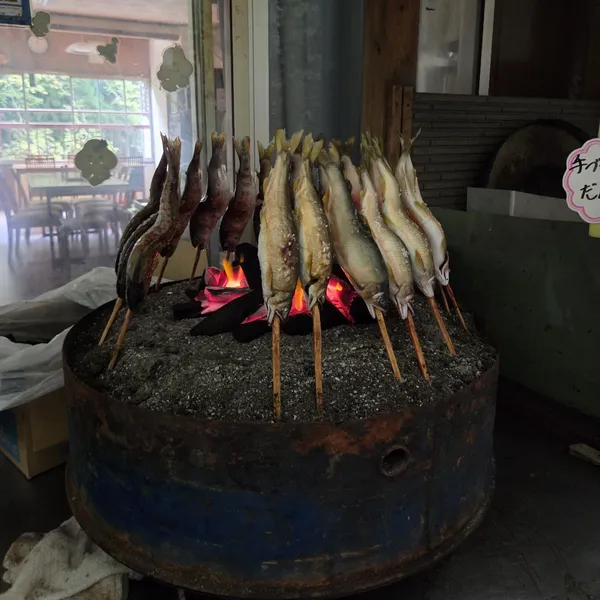
The Naruto Strait creates whirlpools from extreme tidal shifts, with currents hitting 20 kilometres per hour. Fish swimming against this develop dense, muscular flesh that locals call "Naruto bone." Sea bream from these waters has a firm texture you won't find in calmer seas, and it's typically served as tataki: briefly seared over flame so the outside is smoky and the centre stays raw.
Where to Eat: Uzushio-shokudo is the perfect spot to get delicious home cooked fish meals about as close to the waters of the Naruto Strait as you can get.
Tokushima Ramen
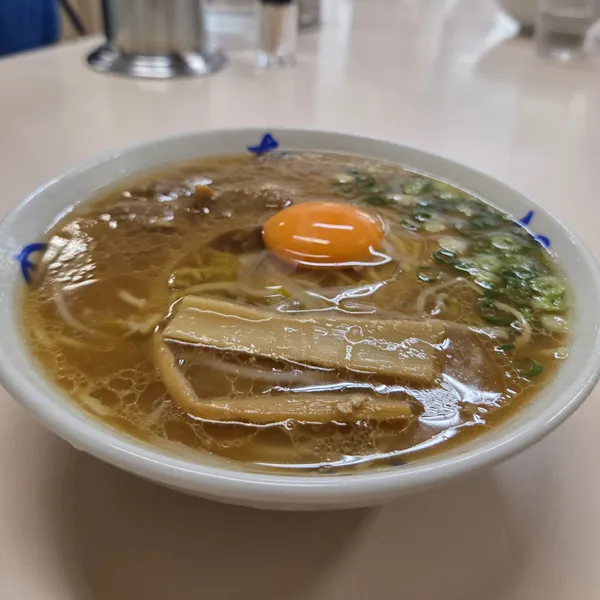
Dark, sweet-savoury soy broth loaded with pork belly and topped with a raw egg. The broth is rich enough to coat the noodles, and when you break that egg yolk, it mellows everything just enough. This is a much heartier version of the ramen you'll find across the rest of the country. While the egg is standard, it doesn't always come as standard, you may need to order it as an add-on.
Where to Eat: Inotani is the place to go - these guys started it. Donoura is also a great local chain with a branch right by Tokushima station.
Awa-Odori Chicken
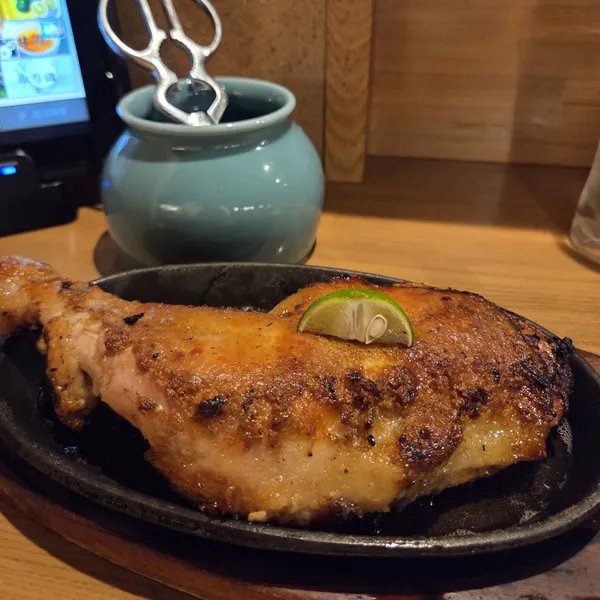
Free-range chickens fed on herbs and citrus peels, giving the meat a subtle brightness. The texture is firmer than standard chicken, with more flavour in the meat itself. You'll find it grilled as yakitori or simply prepared to let that quality speak.
Where to Eat: Toribon is a great spot for yakitori made with Awa-Odori chicken, and we particularly like the Senba branch if you can grab a seat. I-KKO is great for their giant bone-in chicken specialty.
Mountain Soba from Iya Valley
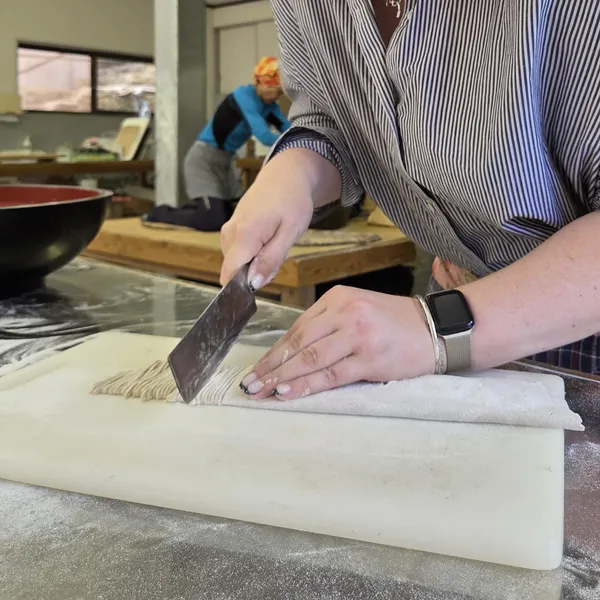
Rice won't grow on Iya's steep, rocky slopes, so buckwheat became the staple. Farmers carved terraces into mountainsides and planted hardy varieties that could handle the terrain. The small, rounded grains produce a nutty flavour unique to this valley, and some producers still stone-grind the buckwheat by hand rather than using machines. The noodles themselves are shorter and thicker than most other regions, reflecting the valley's rugged character.
Where to Eat: Take a class at Tsuzuki Shoten and make your own. If you don't have time for that, then stop at Senkichi, which gets their soba directly from Tsuzuki Shoten.
Dekomawashi
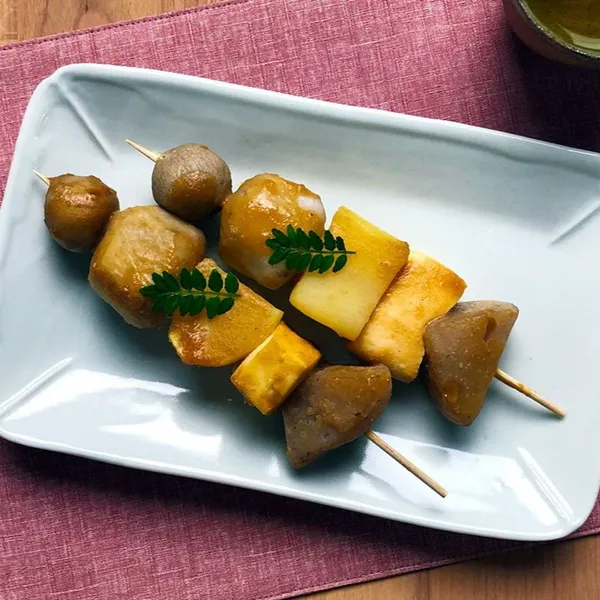
Skewered stone tofu, konjac, and potato coated in miso and grilled. Both the stone tofu and konjac represent mountain ingenuity: foods that could be stored for months, carried without spoiling, and relied on when fresh food was scarce. While konjac is found nationwide, stone tofu is unique to the Iya Valley. It's pressed rock-hard so it could be carried without spoiling, a technique developed when Heike refugees fleeing to this region in the 12th century needed portable food that would last. The name "dekomawashi" means "spinning doll," because the skewers look like traditional dolls being turned over the fire. You'll find vendors grilling these near the vine bridges, the miso caramelising over charcoal, the tofu holding its shape no matter how long it cooks.
Where to Eat: You'll find this at roadside stalls right by the Vine Bridge.
Wild Game from Iya Valley
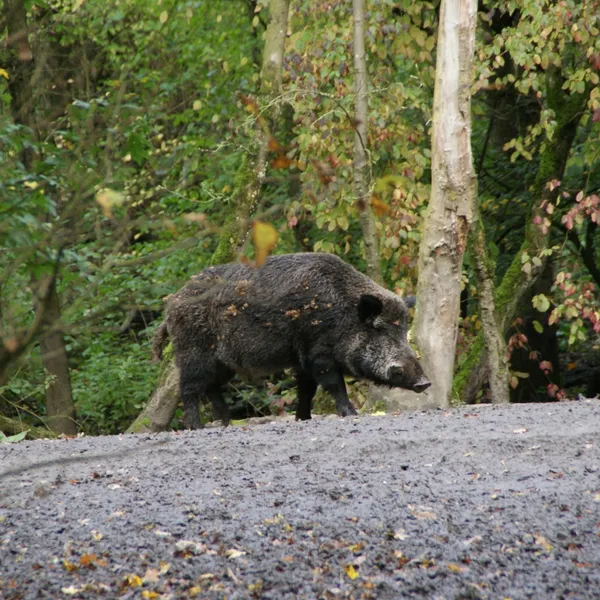
Boar and deer hunting follows the ancient "oi-yama" method: hunters rely first on their legs, then on trained dogs, and only last on the gun. Winter hunting remains a cultural ritual, with knowledge and territory passed down through families. Today, butchers process the meat within an hour of the kill to preserve freshness, earning some of Japan's first Domestic Gibier Certifications. The meat shows up in stews, grilled simply, or slow-cooked until it falls apart.
Where to Eat: You can buy it fresh at Iya Gibier and cook it yourself at home. If you're staying at a ryokan like Iya Bijin with kaiseki dinner included, you'll likely be served wild game meat as part of your dinner.
Sansai: Mountain Vegetables
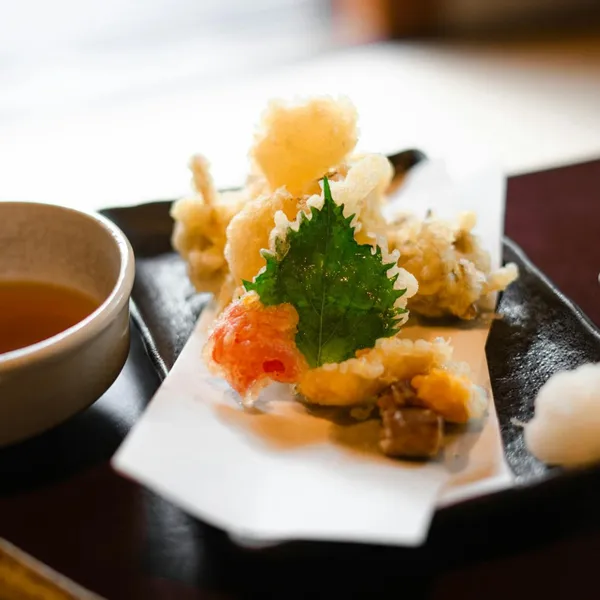
Seasonal foraged greens like kogomi (fern shoots), nanohana (rapeseed blossoms), and wasabina (mustard greens) have sustained Iya communities for centuries. Knowledge of when and how to pick each species goes back generations, as does the practice of preserving them through drying and fermenting so they'd last through long winters. In autumn, when mountain vegetables peak, you'll find them tempura-fried, pickled, or stirred into soups.
Where to Eat: If you're eating vegetables in the Iya Valley (aside from your typical ones like broccoli and carrots), chances are they're sansai. If you go to Tsuzuki Shoten, your soba will be accompanied by sansai tempura.
Ehime Prefecture
Ehime's "three suns" phenomenon creates conditions found nowhere else: direct sunlight from above, light reflected off the Seto Inland Sea, and heat bouncing off ancient stone terrace walls used for terrace farming. This combination produces citrus with higher sugar, balanced acidity, and intense aroma. Since the late 1700s, farmers have cultivated over 40 varieties on hand-built terraces, and all work is still done manually, keeping traditional methods alive.
The Citrus Calendar
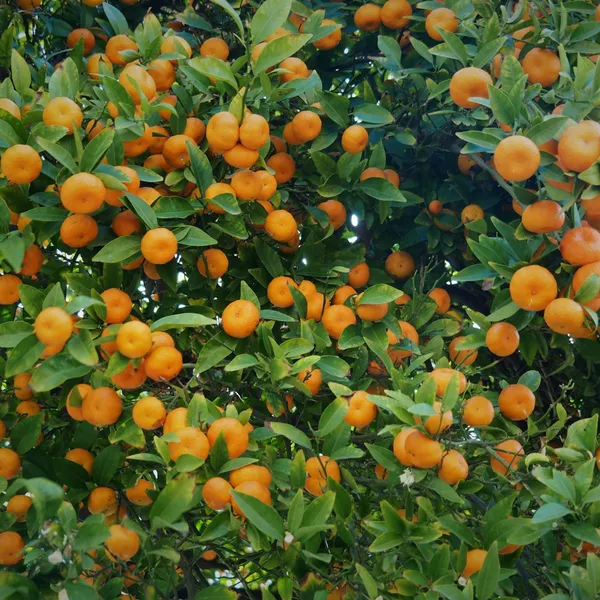
The harvest moves through the seasons. Unshu mikan arrives in September, early and bright. Iyokan comes later in winter, sweeter and more complex. Setoka appears in late season, prized for its intense flavour and easy-to-peel skin. Each variety has its moment, and farmers time the picking with precision, using "double plucking" where fruit is cut with stems attached, then trimmed later to prevent damage.
You'll find citrus everywhere: squeezed into ponzu, mixed with miso, stirred into sake, pressed for juice, made into ice cream. The acidity balances the region's rich seafood, and that citrus brightness defines Ehime cooking as much as sudachi defines Tokushima.
Where to Eat: You'll find citrus products all over the city, and in particular many of the shops around Dogo Onsen sell various mikan snacks and juices.
Taimeshi
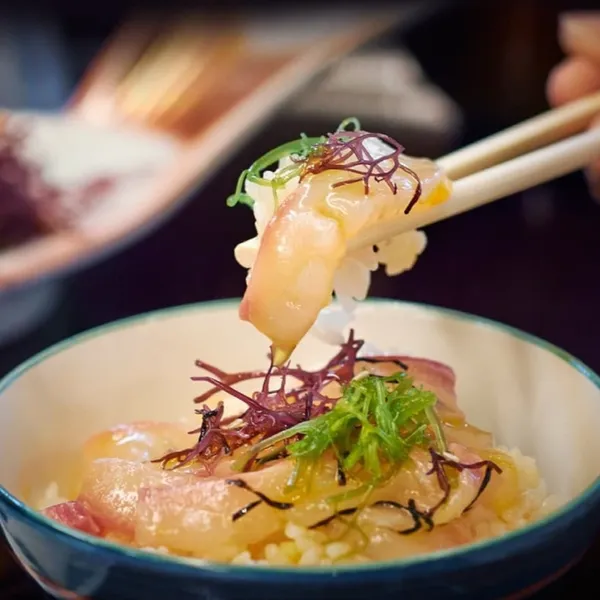
Sea bream prepared two completely different ways, reflecting two different histories, is the most prominent dish from Ehime.
Matsuyama taimeshi (sometimes called Hōjō style) goes back to imperial rituals. A whole sea bream is cooked with rice in kelp broth, the fish infusing everything as it steams. The rice at the bottom gets slightly crispy, the fish stays moist, and the whole thing is brought to the table in a clay pot.
Uwajima taimeshi has pirate roots. Raw sea bream sashimi sits on hot rice, topped with a sauce made from soy, mirin, dashi, and raw egg. It's fast, requires no smoke (important for seafarers who needed to stay hidden), and the heat from the rice gently warms the fish. When you mix it all together, that egg yolk binds everything into something rich and slightly creamy.
Two dishes, same fish, completely different experiences.
Where to Eat: Gansui near the castle chairlift is said to be the originator of Uwajima taimeshi, or check out Subaru for the Matsuyama style.
Tai Somen
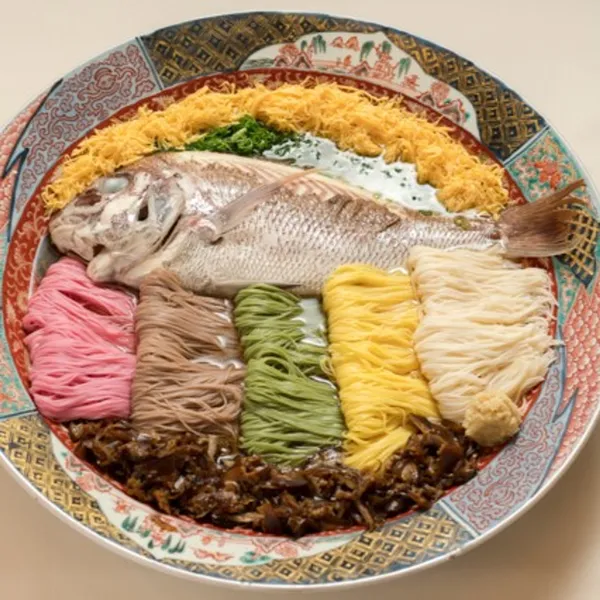
Five colours of somen noodles arranged on a platter, topped with whole simmered sea bream, shiitake mushrooms, and thinly sliced omelette. This is food for a celebration, often served at weddings, 77th birthdays, or other special ocassions. The noodles are meant to symbolise happiness that continues as long as the noodles stretch. In summer it's served cold, in winter warm, but either way it's meant to feed a crowd.
Where to Eat: Both Goshiki and Local Cuisin KADOYA are the place to go for special, more traditional items like Tai Somen and Jakoten.
Jakoten
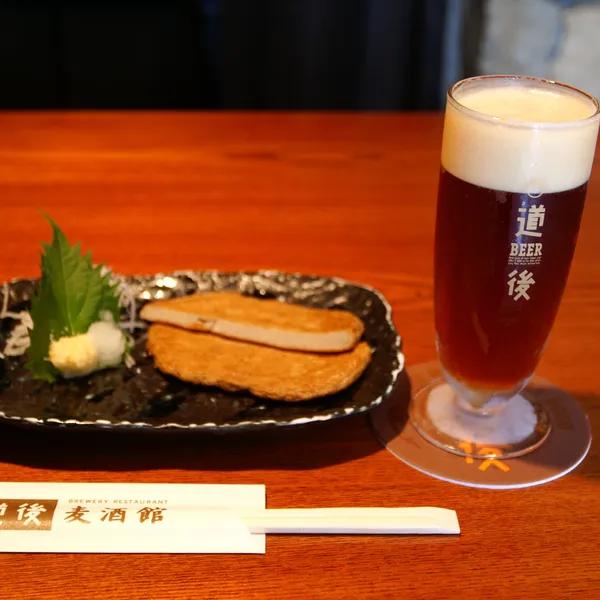
Invented in the early 1600s as an answer to fish waste, jakoten uses small hotaru-jako (firefly fish) from the Uwa Sea, ground whole with stone mortars, bones and all, then deep-fried into dense patties. This "whole fish" approach provides calcium and fatty acids while wasting nothing. The texture is crispy outside, dense and slightly chewy inside, with an intense umami that comes from using the entire fish. Served with soy sauce and grated daikon, it's basically pub food you would have with beer.
Where to Eat: Both Goshiki and Local Cuisin KADOYA are the place to go for special, more traditional items like Tai Somen and Jakoten.
Houraku-yaki
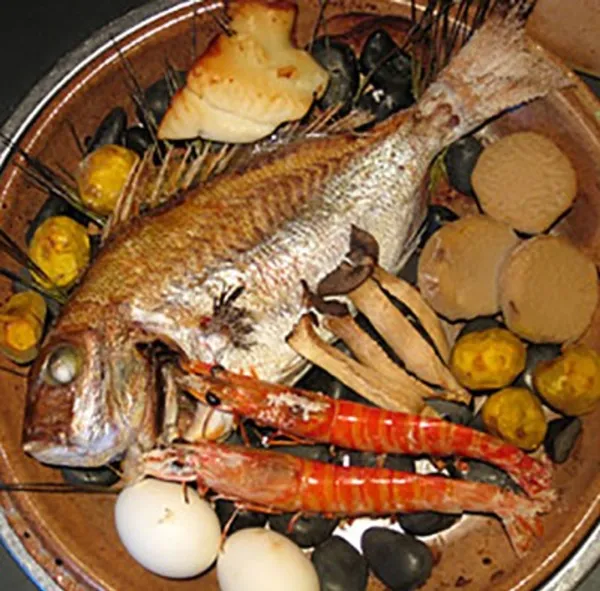
Fresh seafood from the Kurushima Strait arranged on a bed of pine needles: prawns, sea bream, eggs, seasonal vegetables, all cooked on an unglazed earthenware pan. This dish supposedly celebrated the Murakami pirate clan's battle victories, and there's still something primal about it when it's presented well. The pine needles add fragrance, the seafood cooks in its own juices, and the whole thing looks like a feast pulled straight from the sea.
Where to Eat: For a real taste of Houraku-yaki, head out to Oshima just off the coast of Shikoku, and visit the restaurant at Nojima Ferry Terminal. Restaurants around Imabari will also serve it, but in Matsuyama city you can get similar at Umemaru.
Tarai Udon
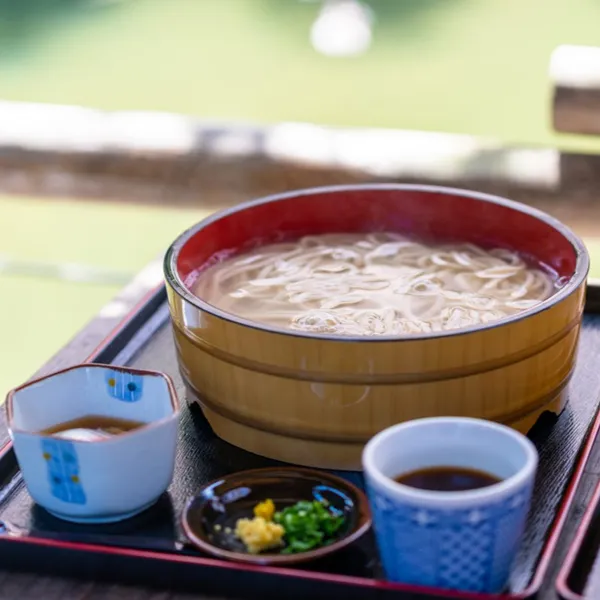
In the mountain village of Oda, near Uchiko, they serve udon in wooden tubs (tarai) with broth on the side for dipping. The noodles are soft, made with local wheat that tends to soften easily, so timing the boil is crucial. The dipping broth uses shiitake mushrooms, dried sardines, and soybeans, giving it depth without meat stock.
This started as winter food for celebrations and entertaining guests, though the name "tarai udon" only became official in 1931 when Tokushima's governor remarked on how good "udon in a tub" tasted. The wooden tub isn't just presentation. It keeps the noodles hot while everyone shares from the same vessel.
Where to Eat: If you really want to get out into the country for an authentic version of Tarai Udon, head deep into Uchiko to Kajikatei. A bit more accessible is Namihei in Uchiko town itself.
Imabari Yakitori
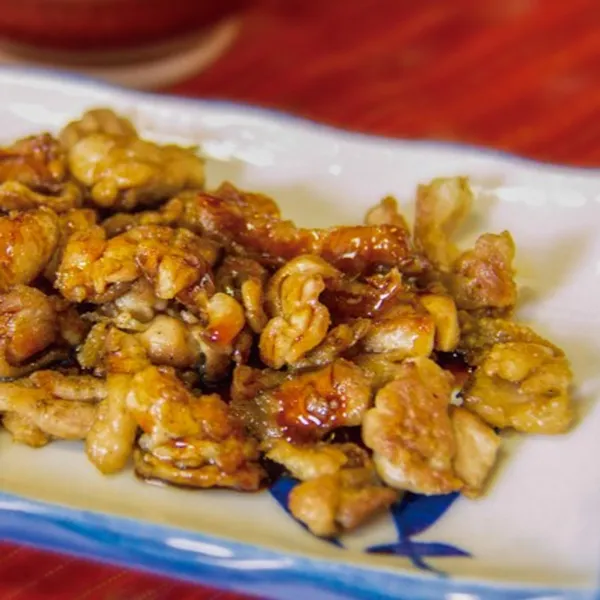
Forget everything you know about yakitori. In Imabari, they grill chicken on an iron plate without skewers, then press it flat with a weight while it cooks. The result is crispy skin on the outside, juicy meat inside, and a texture you won't find anywhere else. It's ranked in both Japan's Top 3 and Top 7 yakitori lists, and locals swear by the grilled skin especially.
No skewers means faster cooking, more surface area in contact with the grill, and crispier results. Served with beer, it's the kind of food that makes you order another round.
Where to Eat: You need to head to Imabari town, where it'll be pretty easy to find. Some local favourites are Seto, which has been around over 40 years, and Hachihachi.
Kagawa Prefecture
The calm waters of the Seto Inland Sea sustained small fishing communities for centuries. Isolation meant families mastered both catching and preserving seafood, and trade routes brought outside influences that blended with local tradition. What remains is a food culture shaped by the rhythm of tides and the ingenuity born from irregular supply lines.
Sanuki Udon
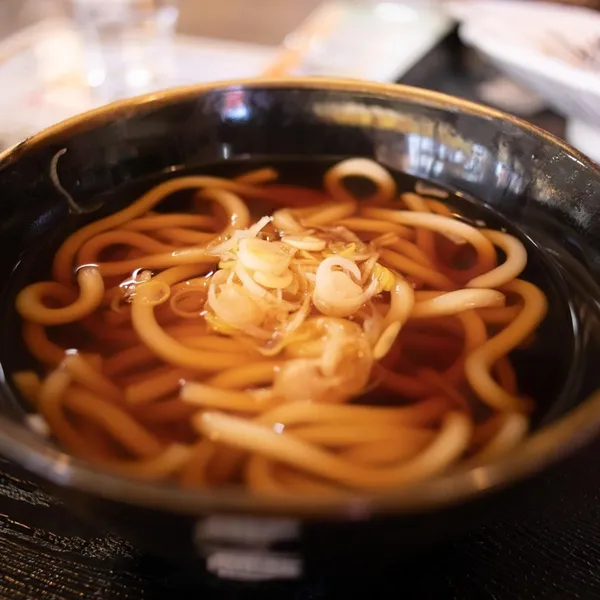
Firm, glossy wheat noodles with a specific bounce and chew that defines Kagawa's udon culture. The texture comes from local wheat, the kneading technique (some producers still use foot-kneading methods), and the ratio of water to flour. Served simply in dashi, sometimes with just scallions and tempura scraps, the point is to taste the noodle itself.
Kagawa calls itself the "udon prefecture" and consumption per capita backs that up. The plainness is intentional, but many restaurants now offer multiple varieties with a plethora of toppings.
Where to Eat: Hands down, go to Shinpei. Maybe go twice. But if you really need a comparison, Udon Baka Ichidai is pretty popular and pretty great as well.
Oysters from Mineral-Rich Bays
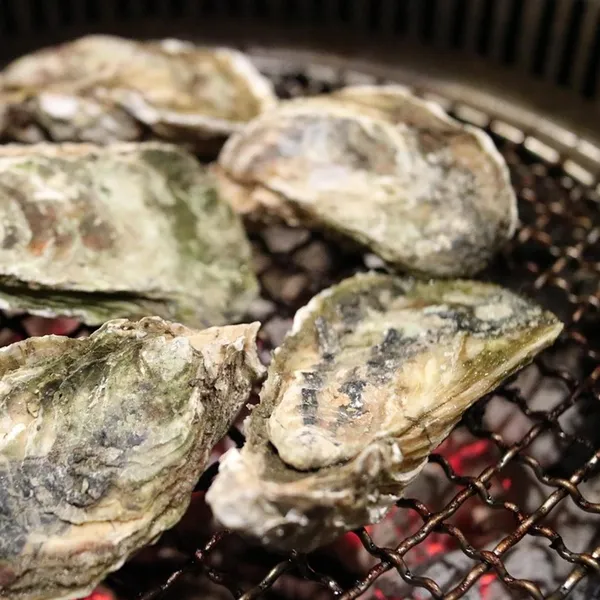
Plump, creamy oysters grown in bays where fresh water from the mountains meets the sea, creating ideal mineral balance. Winter is peak season, when the oysters are fattest and the flavour is most intense. Grilled over charcoal at family-run shacks, the shells pop open, juices bubble, and you eat them straight off the grill with a squeeze of citrus.
Where to Eat: The best spots are out in Sanuki town, a short train ride from Takamatsu. Oysters Grilled Watanabe is one of the best, or we love Nakanishi as well.
Octopus
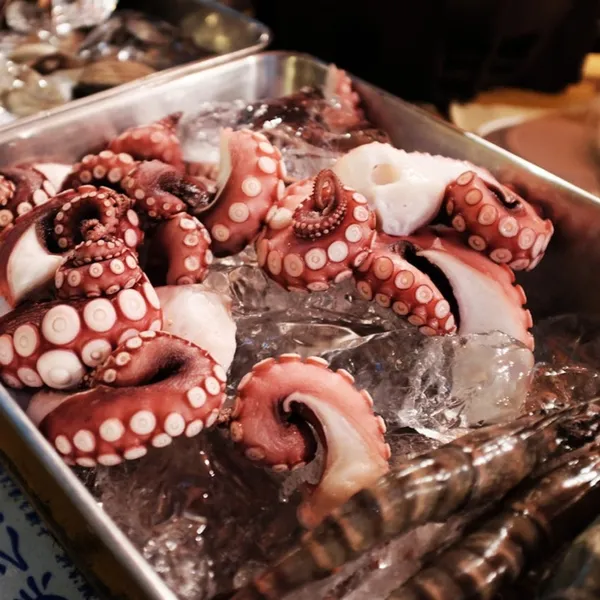
Traditional fishing uses earthenware pots, exploiting the octopus's instinct to hide in dark spaces. The method is sustainable, selective, and produces octopus with firm texture. Served as tempura, the batter light and crispy, or in Kagawa's version of takoyaki (which tends to be larger and more generously filled than Osaka style), octopus here tastes distinctly of the sea.
Where to Eat: Most izakaya will have it, and Kochi is a standout on the Takamatsu izakaya scene. For something special, head out to Takoban Komae in Mitoyo for their giant, local version of a takoyaki.
Tataki
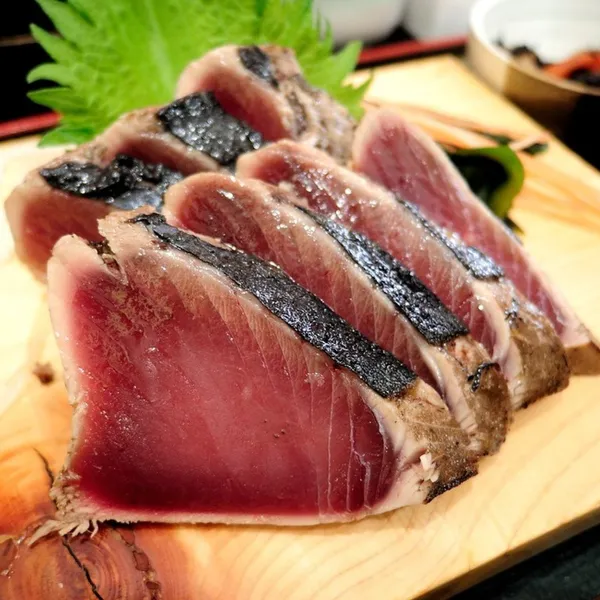
Fish briefly seared over flame, leaving a smoky char on the outside while the centre stays raw and cool. The contrast in temperature and texture is the point. Bonito, sea bream, whatever's freshest that day, all get the same treatment: intense heat for seconds, then straight to the plate. Served with citrus, ginger, and salt, it's a technique that goes back centuries, developed when fishermen needed to preserve the surface of the fish without cooking it through.
Where to Eat: This is also quite common in izakaya, and there's some specialists like Tosa no Okyaku.
Katsuobushi
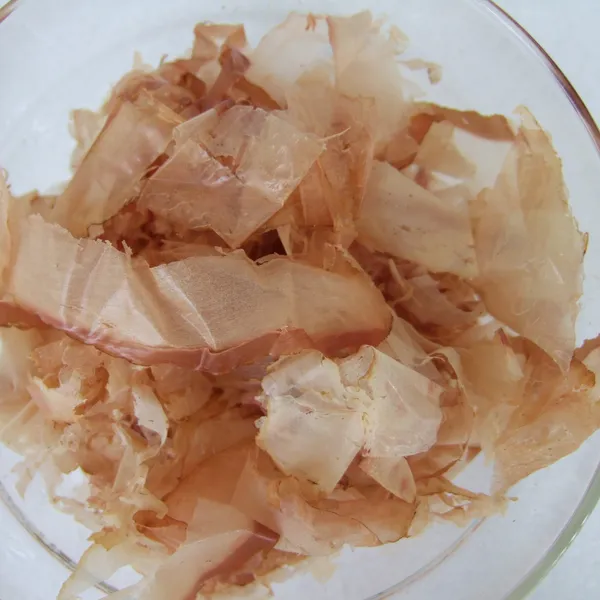
Bonito fillets boiled, smoked, dried, coated with beneficial mould, and aged for months until they become the world's hardest food. Shaved thin, these flakes are the base of dashi stock, the foundation of Japanese cooking. The Seto Inland Sea's trade routes spread this preservation technique, and island communities perfected the process, turning limited catch into a product that could travel and last indefinitely.
You won't always eat katsuobushi directly, but it's in nearly everything: the dashi for udon, the base of tataki sauce, the stock for simmered dishes. When you do find it, it's the fluttering little flakes on top of your bowl of noodles or your agedashi tofu.
Where to Eat: This will be in a ton of things all over the place and isn't something you can order. If you have little flakes waving around on top of your dish, that's katsuobushi.
Wil je meer zien?
Ik heb samengestelde kaarten, reisplannen en meer gemaakt voor reizigers die willen reizen zoals ik.

Op zoek naar activiteiten?
Bekijk mijn gids voor de beste gratis activiteiten, plus reisplannen en reistips om je reis onvergetelijk te maken.