Shikoku's Best Sake Breweries: 8 Hidden Gems Worth the Journey
From mountain villages to island breweries, meet the families making Shikoku's most distinctive sake

Michael Minsky
Shikoku, Japan

Shikoku might be Japan's smallest main island, but what it lacks in size, it makes up for in sake character. While the big names in sake come from regions like Niigata and Hyogo, Shikoku's breweries have quietly been crafting exceptional sake for centuries, often using techniques and ingredients you won't find anywhere else. From LED-cultivated yeast in Tokushima to olive yeast on an island brewery, these eight breweries prove that some of Japan's most interesting sake is being made far from the spotlight.
EHIME PREFECTURE
Ishizuchi Brewery (石鎚酒造) — Saijo City
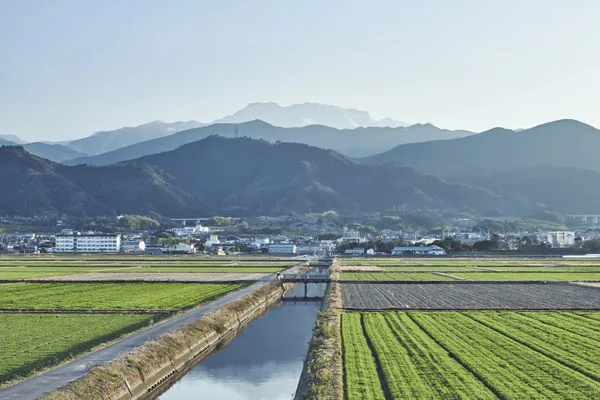
Western Japan's highest peak, Mount Ishizuchi, towers over this brewery in Saijo, a city so blessed with pristine water that locals joke they don't need a municipal water system. The Ochi brothers, Hiroshi and Minoru, have been running the show here for over 20 years, and their approach to sake is refreshingly obsessive. The younger brother, Minoru, travels to sushi restaurants across Japan to understand food pairing at a molecular level. The result? Sake that's built for the table, not the trophy case.
Their philosophy centers on "food-friendly sake," which sounds modest until you taste what that means. The Junmai Ginjo Midori Label is their calling card: a sake with just enough melon aromatics to be interesting but clean enough that it won't fight your third course. It's the kind of sake that sushi chefs stock because it makes their fish taste better, not because it demands attention.
For something more ambitious, try VANQUISH. They polish local Matsuyama Mitsui rice down to 25% of its original size, then age it to develop complexity you wouldn't expect from such a clean sake. It's won international competitions, but more importantly, it's earned a permanent spot on ANA's international business class menu.
Chiyonokame Brewery (千代の亀酒造) — Uchiko
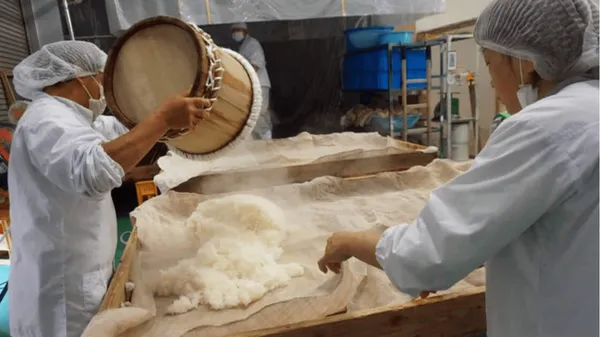
Founded in 1716, this brewery has survived for over 300 years by doing exactly what they've always done: small-batch brewing using traditional tank pressing, refusing to scale up even when it would've made business sense. The name translates to "Thousand Year Turtle," and watching them work, you understand why they chose that particular symbol of longevity. Everything here moves at the pace sake demands, not the pace the market wants.
Located in Uchiko's Ikazaki area, the brewery sources rice from local farmers and operates on a philosophy that buying their sake helps protect about 10 bundles of rice per bottle. It's not marketing speak. They mean it literally. The Junmai Daiginjo Ginga Tetsudo (Galaxy Railroad) shows what decades of experience in a small operation can produce: a sake with layers of subtle complexity that only reveal themselves when you slow down enough to notice.
Their Special Junmai is the everyday hero, the kind of sake that locals buy by the case because it works with everything from grilled fish to hot pot, cold or warmed.
TOKUSHIMA PREFECTURE
Honke Matsuura Brewery (本家松浦酒造場) — Naruto
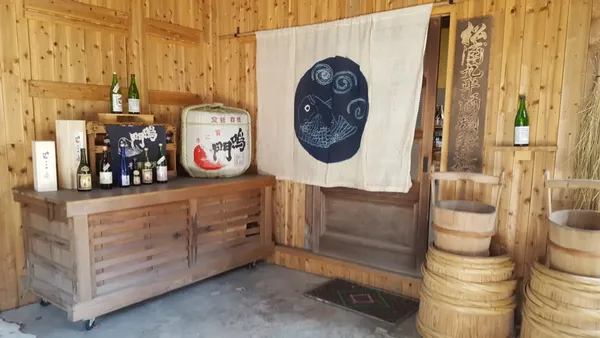
The brewery's official name, "Narutotai," refers to the prized sea bream that swim the treacherous currents of the Naruto Strait. The fish are famous for their firm texture and clean flavor, qualities that this 200-year-old brewery has spent generations translating into liquid form.
But what makes Honke Matsuura genuinely unique is their embrace of LED yeast technology. Tokushima pioneered the use of LED and UV light to cultivate distinctive yeast strains, and this brewery ran with it. Their LED series produces sake with characteristics you simply can't get from conventional yeasts—brighter aromatics, different acid profiles, unexpected complexity.
The Mizu to Kome (Water and Rice) series represents their more philosophical side. They recreated a Meiji-era brewing method that uses only naturally occurring lactic acid, no additives. It won the top prize at the International Wine Challenge, but what's more impressive is how approachable it tastes despite the technical achievement behind it. Fruity, gentle acid, the kind of sake that makes wine lovers reconsider their assumptions about Japanese rice wine.
Hosui Brewery (芳水酒造) — Miyoshi
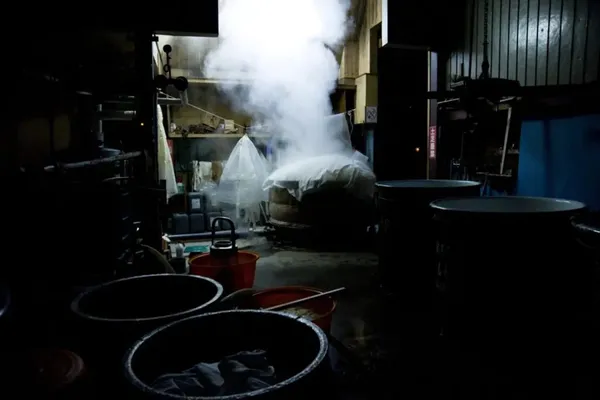
The name "Hosui" means "fragrant water," what ancestors called the Yoshino River that flows past this 1913-founded brewery. They draw their brewing water from underground springs fed by one of Japan's three great rivers, and you can taste that mineral clarity in everything they make.
This is a brewery that splits its personality between tradition and experimentation. Their classic Hosui label represents steady, reliable sake: the kind that restaurants serve by the carafe because it works, every time, with every dish. But their Takagaki brand (named after a legendary toji who once worked here) goes in completely different directions, including a wild-fermented sake made in traditional monastic style that's exceedingly rare to find anywhere in Japan.
If you find a bottle of their Junmai Ginjo Tan-en, grab it. Light, elegant, with a finish that seems to go on longer than the alcohol content would suggest.
KAGAWA PREFECTURE
Ayakiku Brewery (綾菊酒造) — Ayagawa
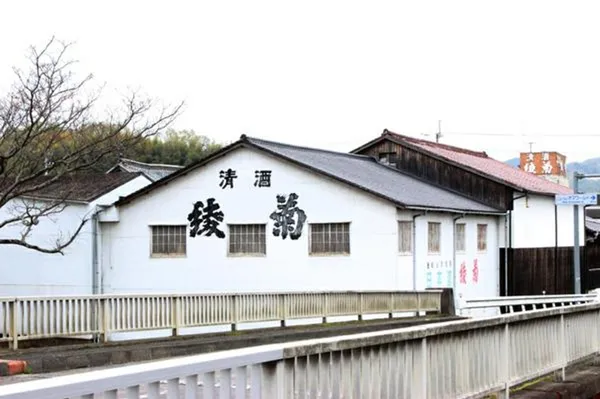
The buildings here are over 230 years old and designated as tangible cultural property of Kagawa Prefecture. Walk inside and you're stepping into sake history. Then you turn a corner and hit their 2015 state-of-the-art filling and refrigeration system. It's that combination of respecting tradition while refusing to get stuck in the past that makes Ayakiku interesting.
Their specialty is Oseto rice, a local variety that's notoriously difficult to brew with. Most brewers gave up on it decades ago. Ayakiku's master brewers spent years figuring out how to unlock what Oseto does well, and the result is sake with a character profile you won't find in the standard Yamada Nishiki bottles that dominate the market.
Try their Junmai Ginjo Ayakiku to taste what Oseto brings to the table: a subtle complexity, gentle aromatics, sake that shows restraint rather than flash. For something more experimental, their Sanuki Olive series uses olive yeast (yes, from actual olives) to produce sake with surprising tropical fruit notes and enough acidity to pair with Western food.
KOCHI PREFECTURE
Nishioka Brewery (西岡酒造店) — Nakatosa Town
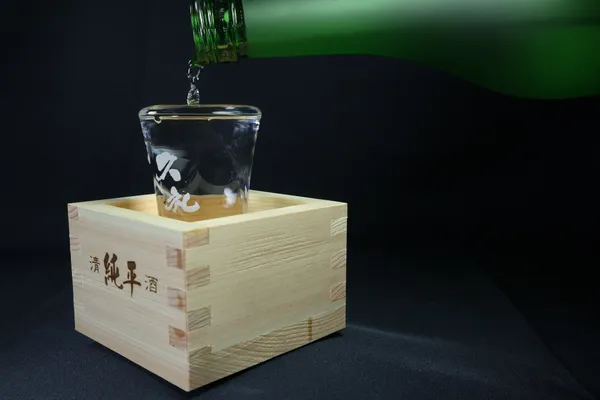
Founded in 1781, this is Kochi's oldest brewery, sitting in a fishing port famous for bonito. There's even a manga about the town's fishing culture, and the brewery named one of their sake after the main character, Junpei.
The location tells you everything about their brewing philosophy. Kochi sake is built for katsuo no tataki (seared bonito), which means it needs to be bone-dry and assertive enough to stand up to charred fish, garlic, and soy. Their Karakuchi Junmai Kure hits a +10 on the sake meter scale, making it one of the driest pure rice sakes you'll find. But it's not harsh, there's depth underneath that dryness, thanks to water drawn from springs connected to the Shimanto River.
The Junmai Ginjo Kure offers more elegance while keeping that characteristic Kochi backbone. It's sake that makes sense when you eat it with the food it was designed for, which is really what regional sake is supposed to do.
OFF THE EATEN TRACK SPECIAL MENTIONS
Naka Shuzo (那賀酒造) — Tokushima Mountains
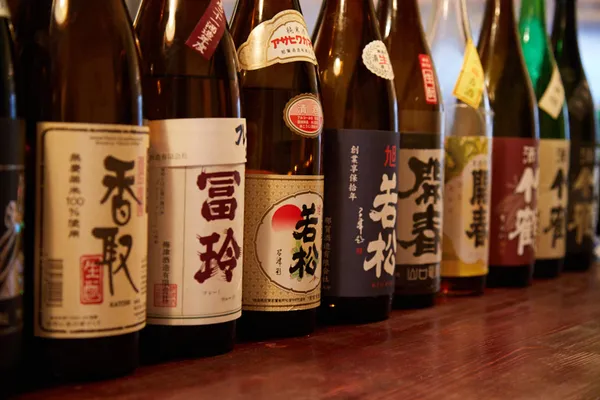
Akihiro Matsuura brews 3 to 4 small tanks of sake per season. That's it. He does virtually every part of the process himself in this 11th-generation family brewery tucked into Tokushima's mountain parklands, and over 40 years of solo brewing, he's built ingenious devices throughout the facility to make the physically impossible merely exhausting. He even grows about a quarter of his rice organically in a small field near the brewery.
This is one of the smallest sake producers in Japan, and until 2012, none of it left the country. The Asahi Wakamatsu range follows traditional monastic fermentation methods with wild yeasts and only rice and water. The Omachi version isn't for everyone. At 20% alcohol, with an intense golden color from minimal filtration and years of maturation, it's super umami and somewhat earthy—the kind of sake you sip slowly and have one glass of, not three. There's a richness that builds with each sip, with enough acidity to cut through all that power. Some drinkers age their bottles at room temperature for a year or more, letting it develop even deeper complexity. This is sake for cold winter nights, earthenware cups, and food with serious flavor.
Morikuni / Shodoshima Brewery (小豆島酒造) — Shodoshima Island
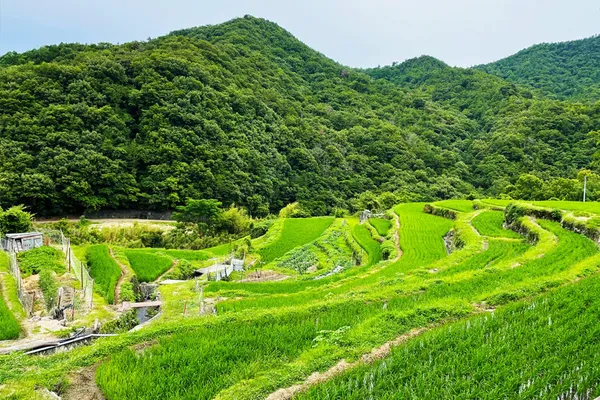
The only brewery on Shodoshima Island operates out of a converted 70-year-old tsukudani (preserved food) factory. Everything about this place screams "island sake"—and that's exactly the point. They use Oseto rice grown in the island's famous terraced Senmaida rice fields, water from the island, and here's where it gets interesting: olive yeast.
Shodoshima is Japan's olive capital, so naturally someone figured out how to extract yeast from olive fruit for sake brewing. The result is sake you can't get anywhere else in Japan. Shodoshima ni Olive no Mi no Naru Koro (When Olives Bear Fruit on Shodoshima) tastes like passion fruit had a conversation with sake rice—tropical, aromatic, with a subtle bitterness that reminds you there's olive DNA in here somewhere.
Their Hachihachi (named after its 88% polishing ratio) shows what low-milling sake can do when you actually know how to handle it: full rice flavor, complexity from those outer layers of the grain, enough acidity from a special olive yeast strain to keep it sharp and food-friendly. This is sake that tastes like its place, which is increasingly rare in an industry that often chases homogenized perfection.
Chcesz zobaczyć więcej?
Stworzyłem starannie dobrane mapy, trasy i więcej dla podróżników, którzy chcą podróżować tak jak ja.

Szukasz atrakcji?
Sprawdź mój przewodnik po najlepszych darmowych atrakcjach, trasach i wskazówkach podróżnych, dzięki którym twoja podróż będzie niezapomniana.