
Działalność


Działalność

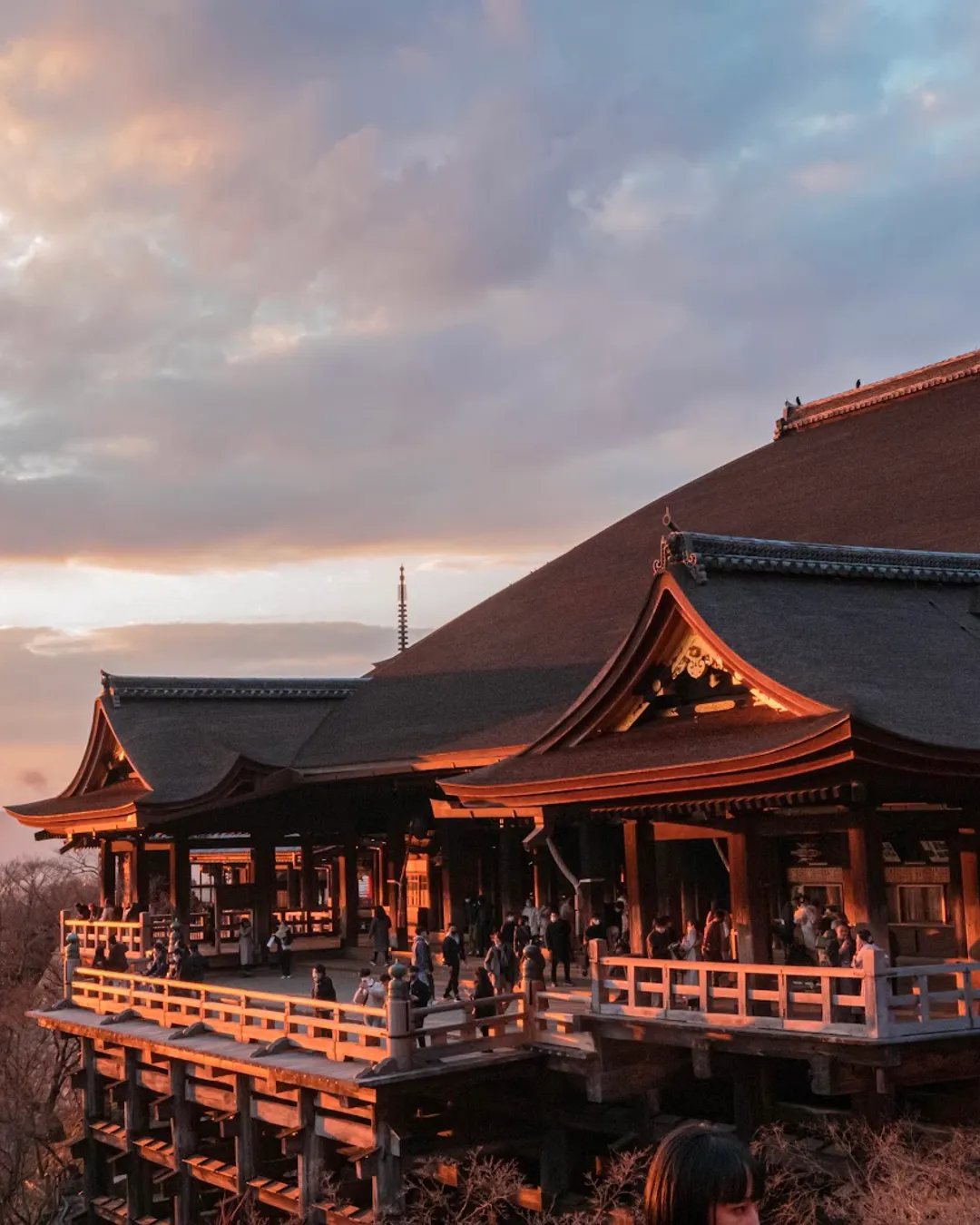
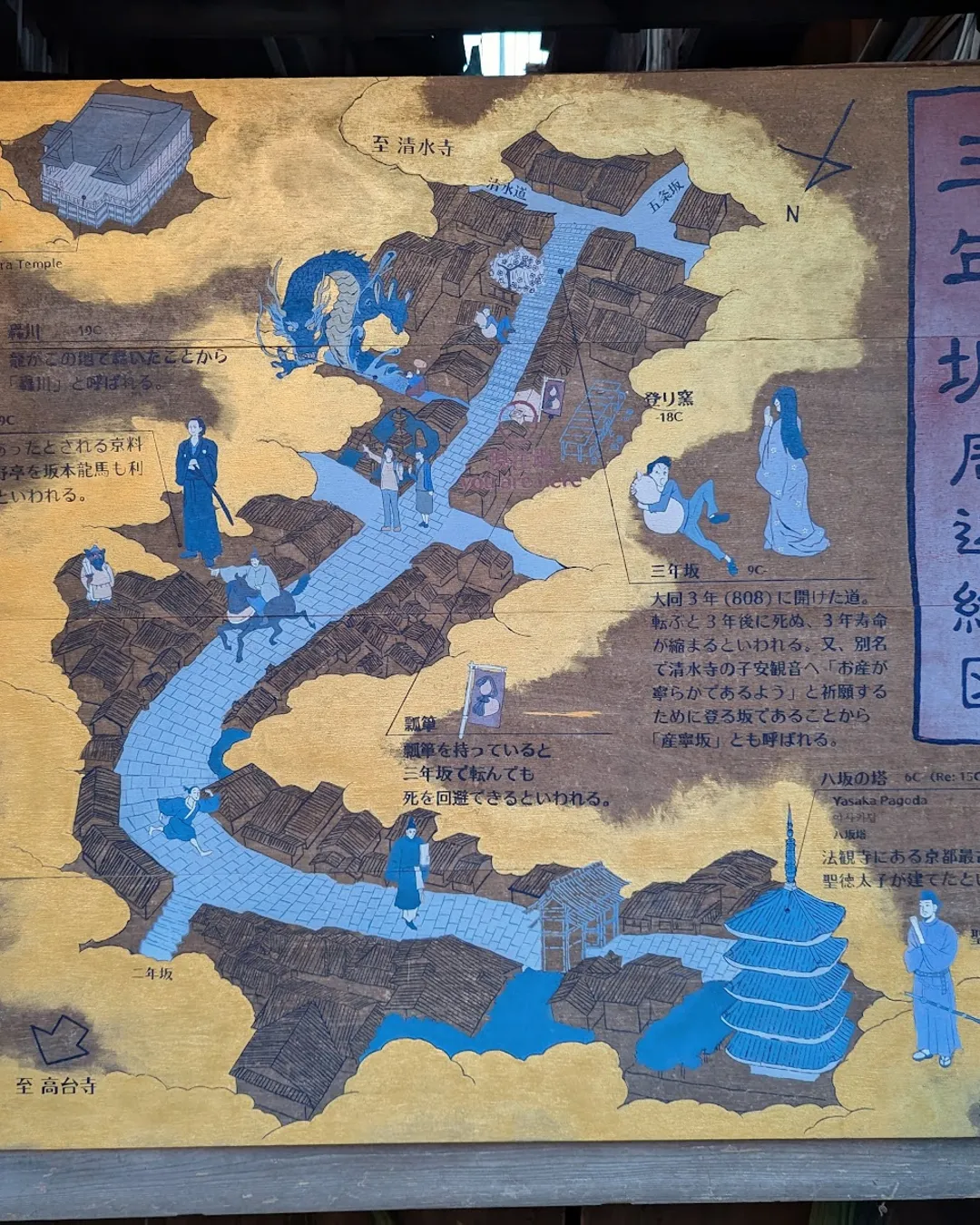
What it is: A beautifully preserved stone-paved slope in Kyoto’s Higashiyama district, descending from Kiyomizu-dera toward Ninenzaka and the Yasaka Pagoda. Lined with wooden machiya townhouses, tea shops, and craft boutiques, it’s part of a protected historical streetscape where old Kyoto still feels close at hand.
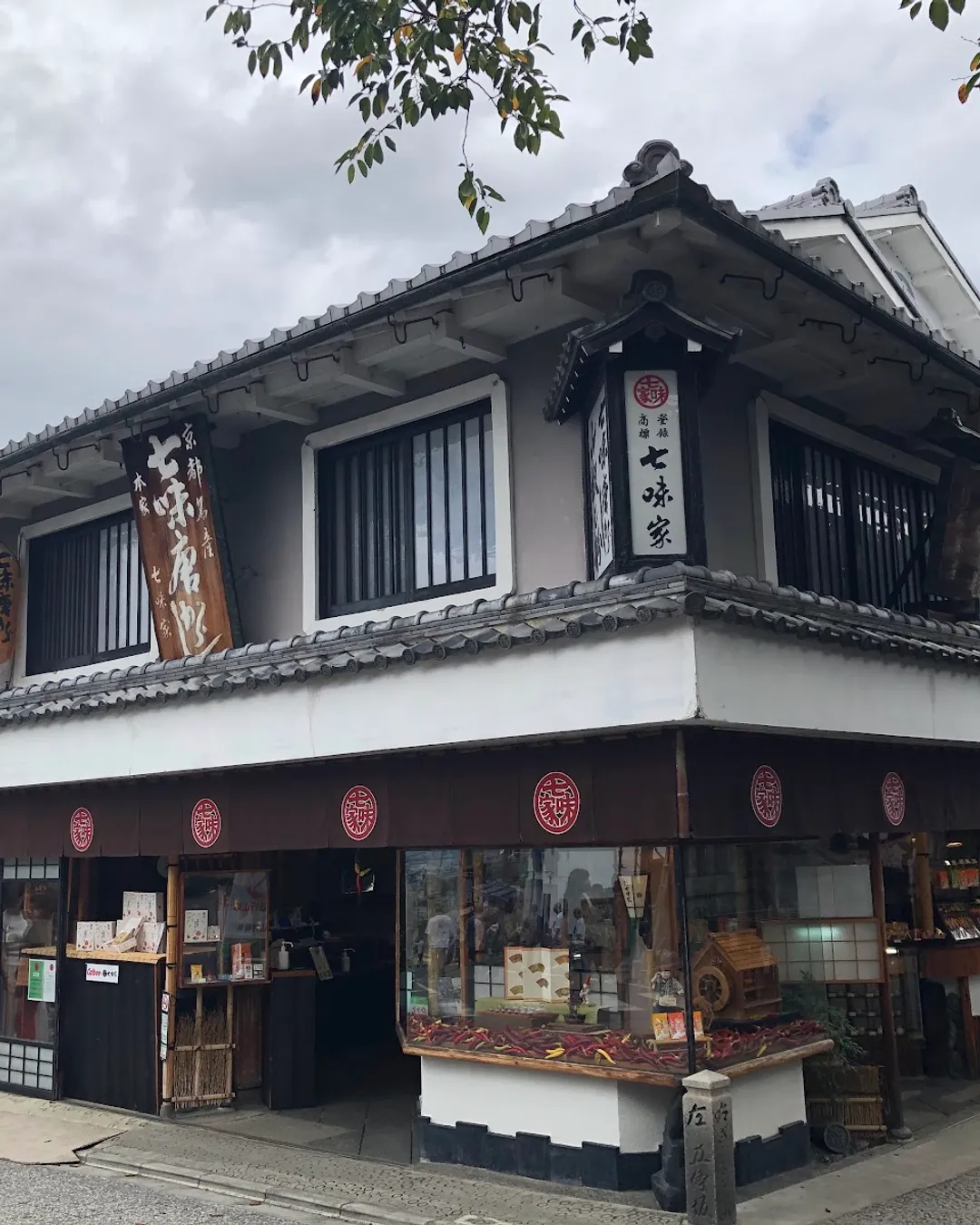
Sannenzaka bends downhill in gentle S-curves of warm stone, lanterns and latticework on either side. Morning is hushed: shutters half open, a broom whispering along the curb, steam from the first pot of matcha drifting into cool air. As the day wakes up, shelves appear at doorways—Kiyomizu-yaki ceramics in soft glazes, folded fans, hand-dyed textiles—and the sweet smell of yatsuhashi (cinnamon rice pastry) mingles with fresh sencha. You’ll pass tiny altars, a glimpse of tiled roofs, and—at certain corners—an abrupt window onto the city below. By late afternoon the street glows honey-gold; after sunset it switches to a paper-lantern hush that makes the stones shine as if they’d been polished by the day’s footsteps.
Shops run from simple snack counters (tofu donuts, matcha soft-serve) to refined craft studios where the owner will happily explain a glaze or a brush stroke. Steps are shallow but steady; the slope is real, so you feel the descent in your calves by the time it curls into Ninenzaka. Lore clings to the paving: locals will tell you—half joking, half not—that slipping on “the three-year slope” brings bad luck, a pun on the name. You’ll also see kimono rentals drifting past, photographers lining up that classic frame with Hōkan-ji (Yasaka Pagoda) in the distance, and delivery cyclists somehow threading everything together without a sound.
Sannenzaka isn’t just a route to Kiyomizu-dera; it’s the mood setter for the whole eastern hill. You feel Kyoto’s scale collapse from temple-grand to hand-made—thumb-smoothed ceramics, brush labels on tea tins, wood grain on a shop’s threshold worn by a century of shoes. The street captures what people mean by “old Kyoto” without turning into a museum: it’s lived-in, a little theatrical at peak hours, and suddenly intimate again if you come early or linger after the day’s rush. The sequence is perfect: temple height → stone slope → pagoda silhouette—three beats that read as one story, especially in cherry season or under autumn leaves when color threads the roofs and rails. It’s also one of the easiest places to buy something you’ll keep: a cup you’ll reach for at home, a tin of hojicha that smells like this very walk.
Just after sunrise a shopkeeper propped her door with a ceramic fox and began to sweep. A man in rented hakama paused to steady his partner’s hairpin where the breeze had teased it loose; the shopkeeper smiled, handed him a single bobby pin from her pocket, and pointed toward the pagoda. They bowed, fixed the pin, and the three of them watched a stray cloud catch pink for five seconds before the color slipped away. No one spoke. Then the broom started again, soft as the first step down the stones.
Where: Higashiyama, between Kiyomizu-dera and Ninenzaka / Yasaka Pagoda (Hōkan-ji)
Best time: Early morning for emptier frames; blue hour/evening for lantern glow
Time needed: 30–60 minutes to stroll (longer if you shop or café-hop)
Access: Kiyomizu-Gojo (Keihan) + uphill walk or buses toward Kiyomizu-michi; taxis drop near the top streets
Season notes: Sakura in late March/early April; maples late autumn; rain makes the stones gleam (bring good soles)
Footing: wear shoes with grip—the stones can be slick when wet.
Etiquette: narrow lanes—avoid eating while walking; step aside for photos; keep tripods minimal.
Shopping: look for Kiyomizu-yaki stamped by local kilns; pack ceramics well or ship from the shop.
Route idea: start at Kiyomizu-dera at opening → descend Sannenzaka → drift along Ninenzaka → take the Yasaka Pagoda photo → continue to Kōdai-ji and Maruyama Park/Gion.
Bottom line: temple heights, stone curves, and a pagoda finish—Sannenzaka is the short walk that delivers Kyoto’s classic heart in one graceful descent. Arrive early, buy one small handmade thing, and let the stones set your pace.