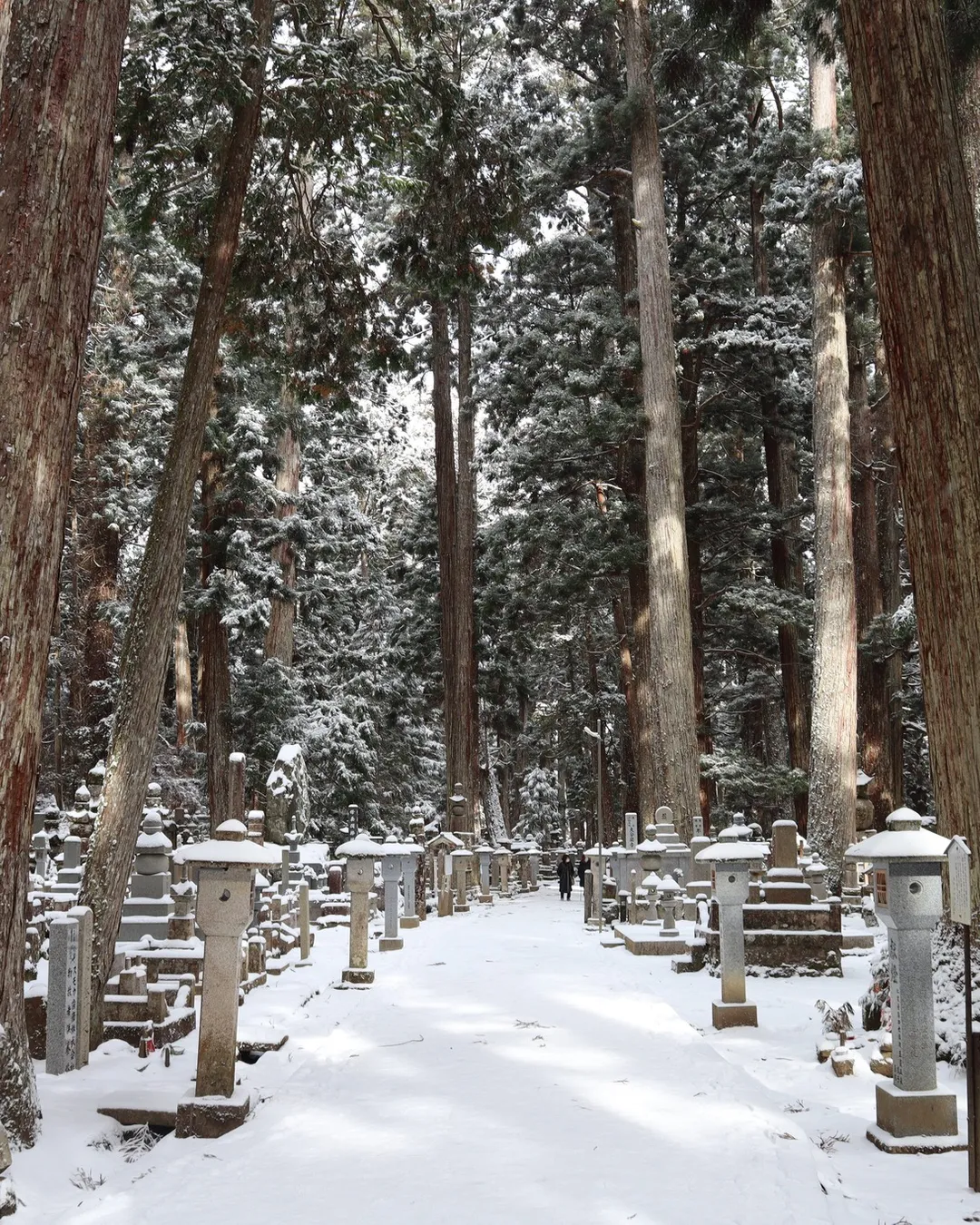
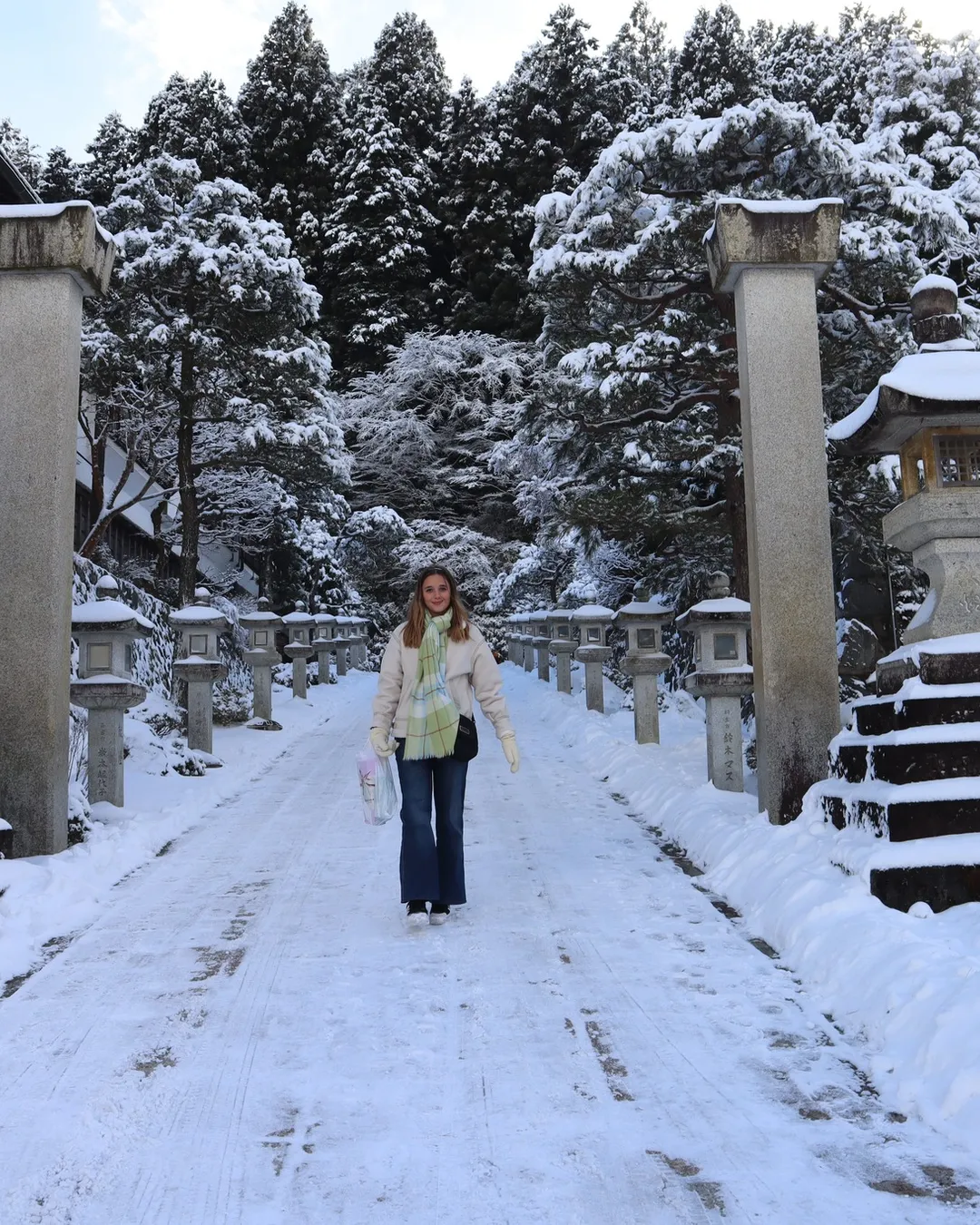
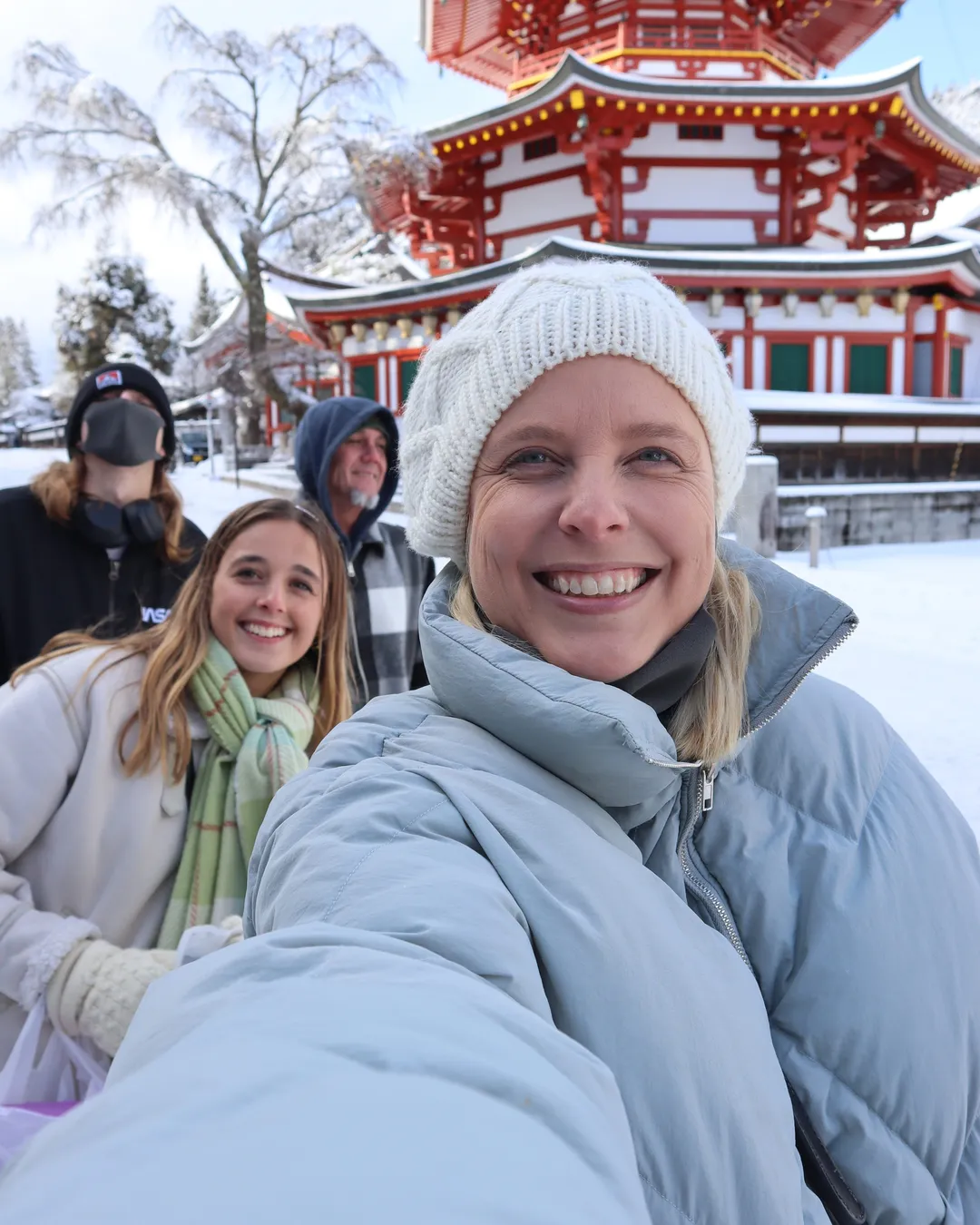
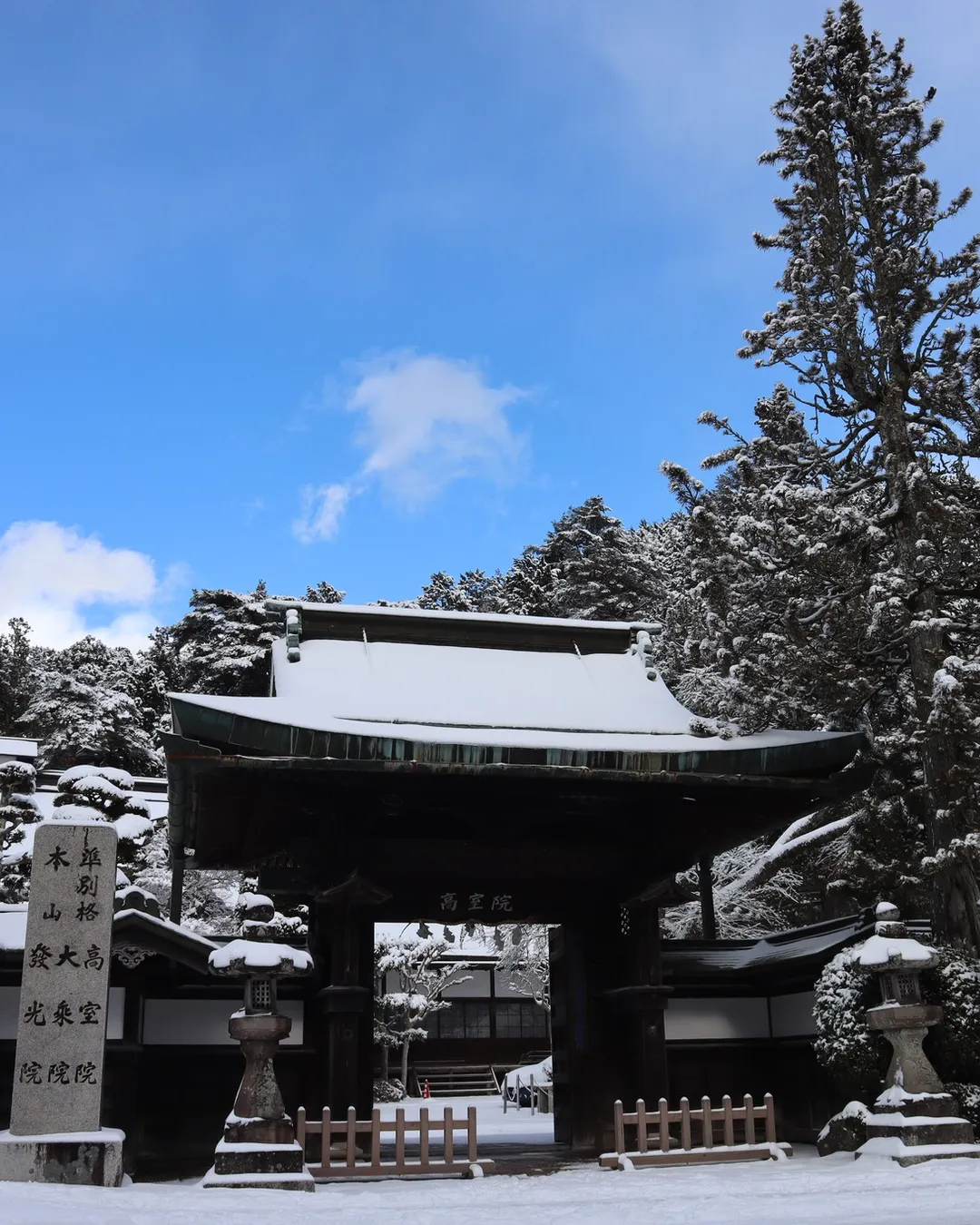
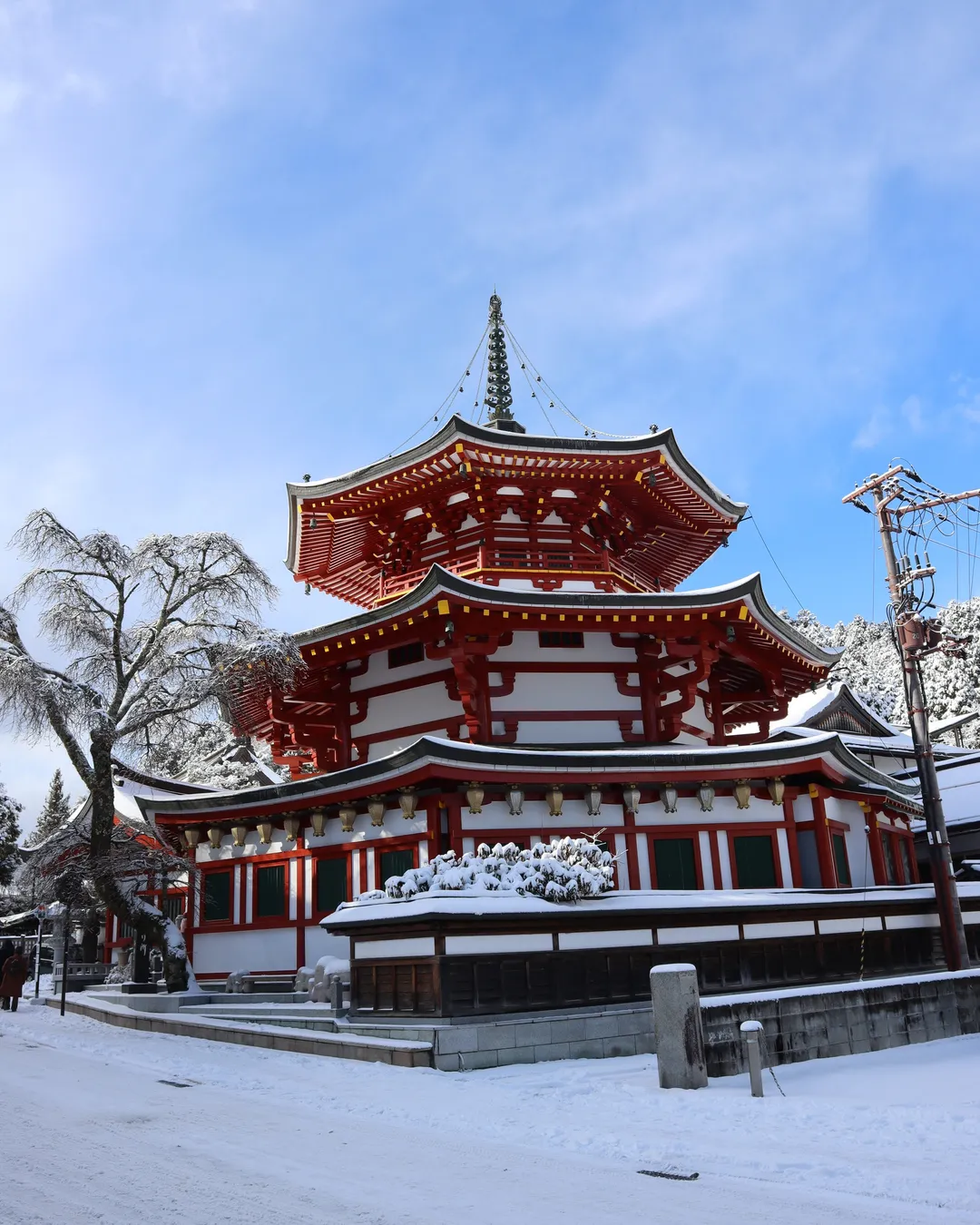
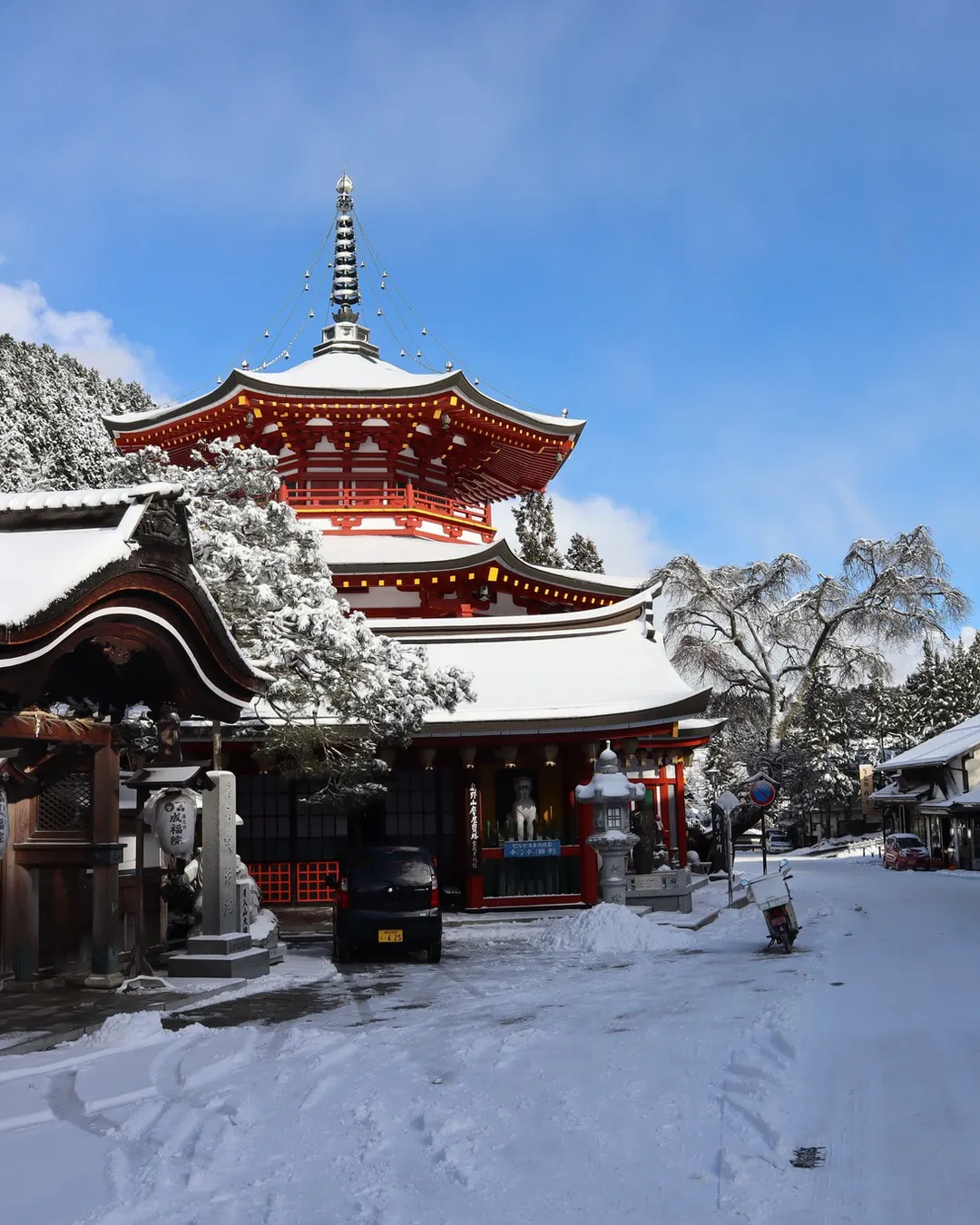
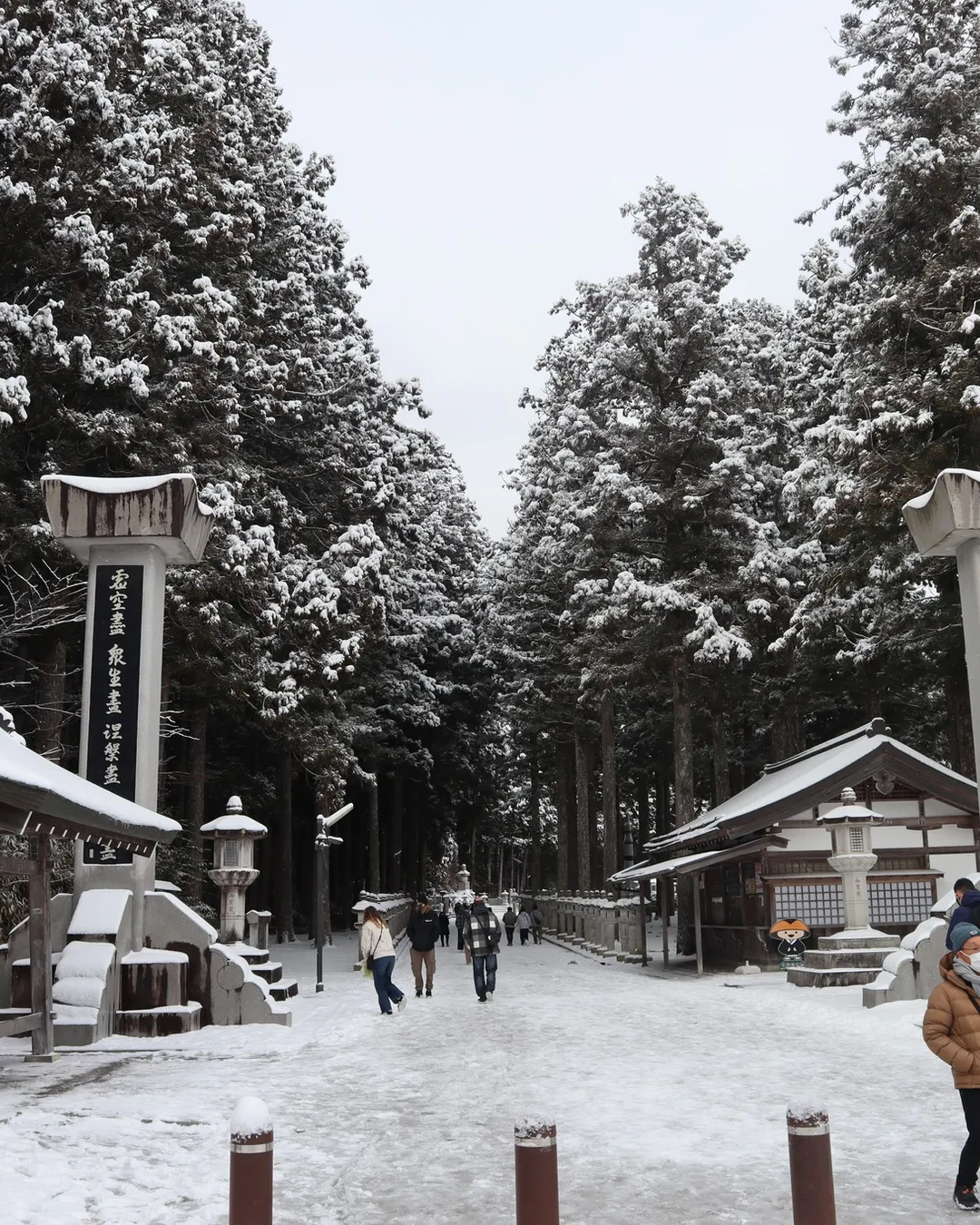
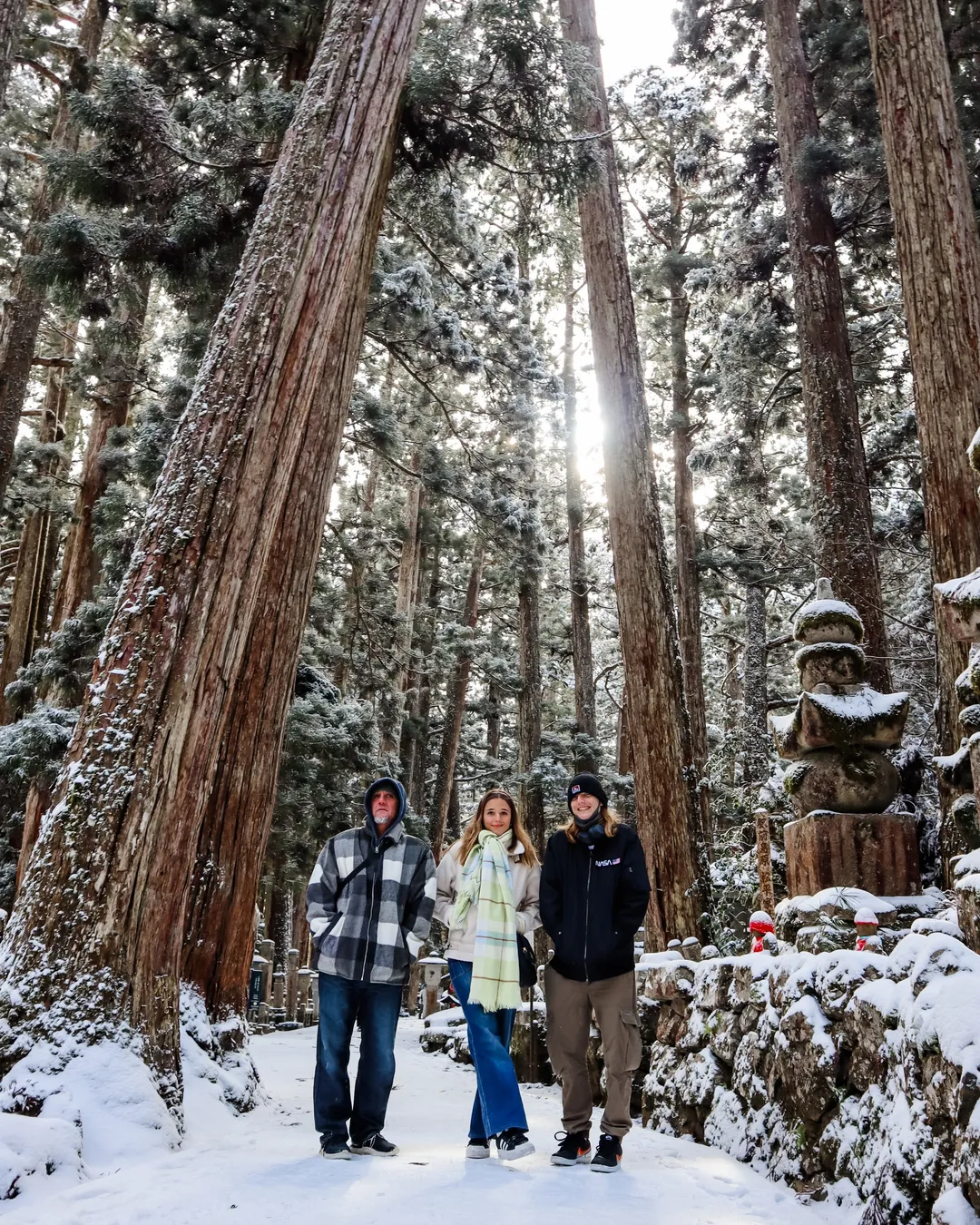
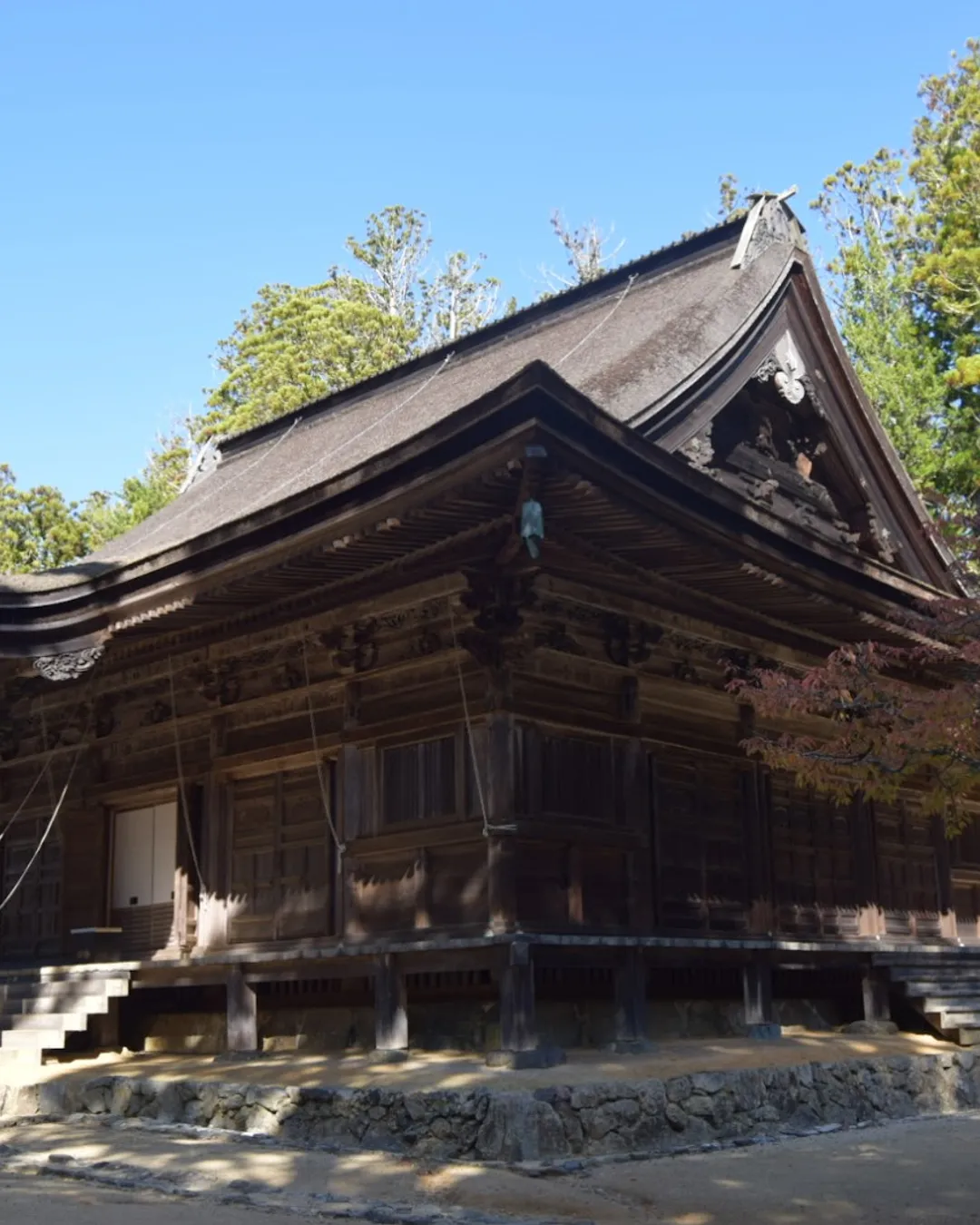
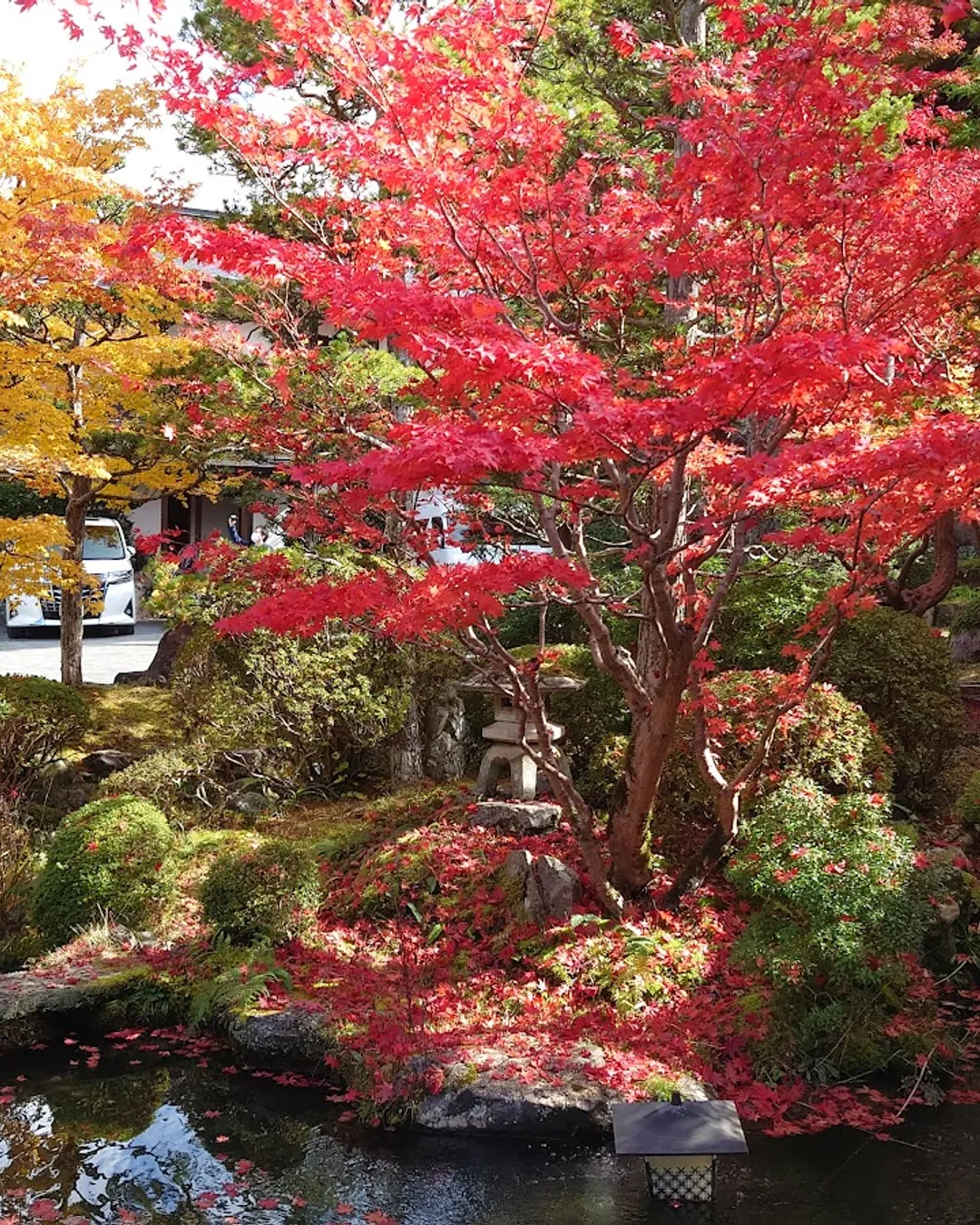
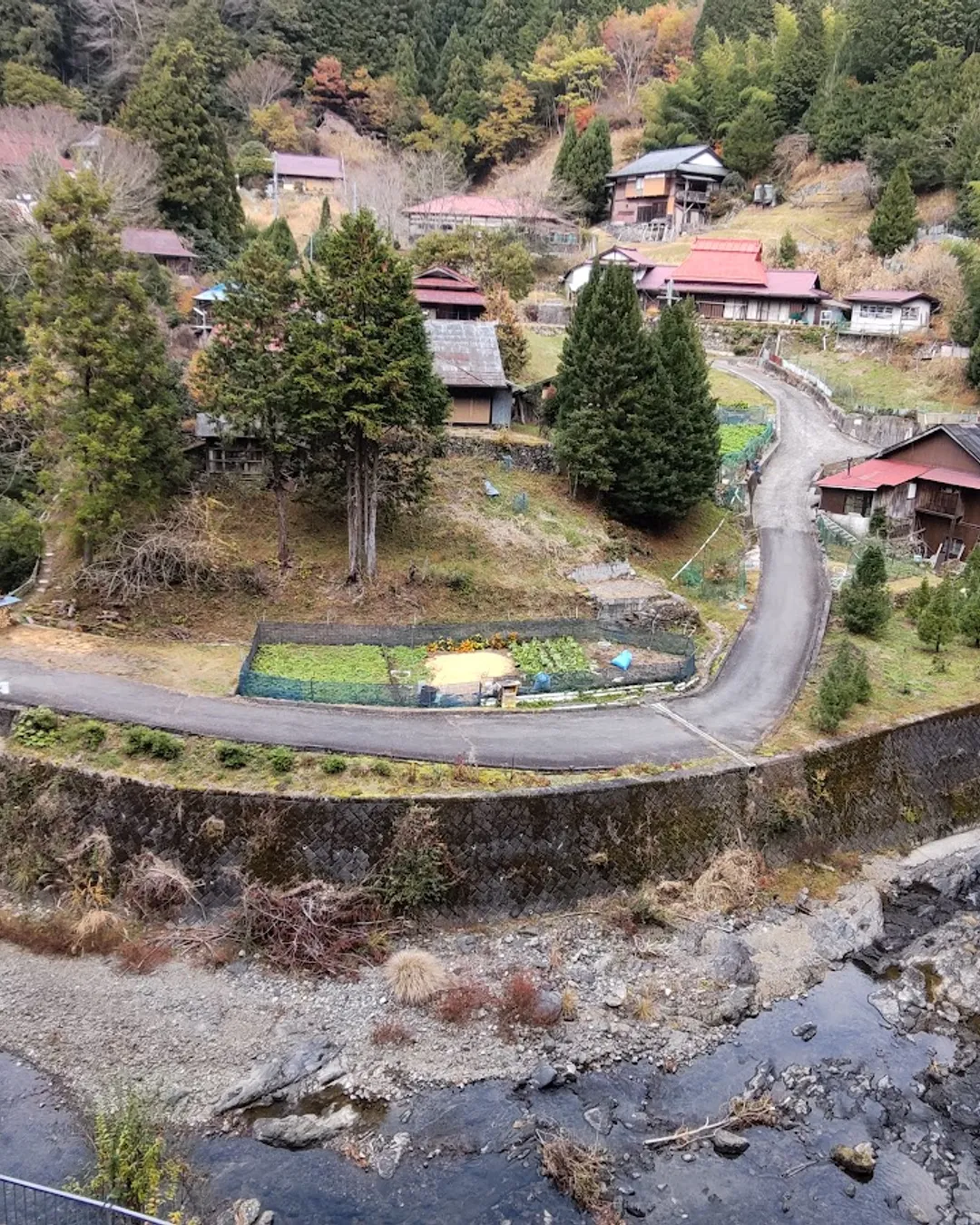
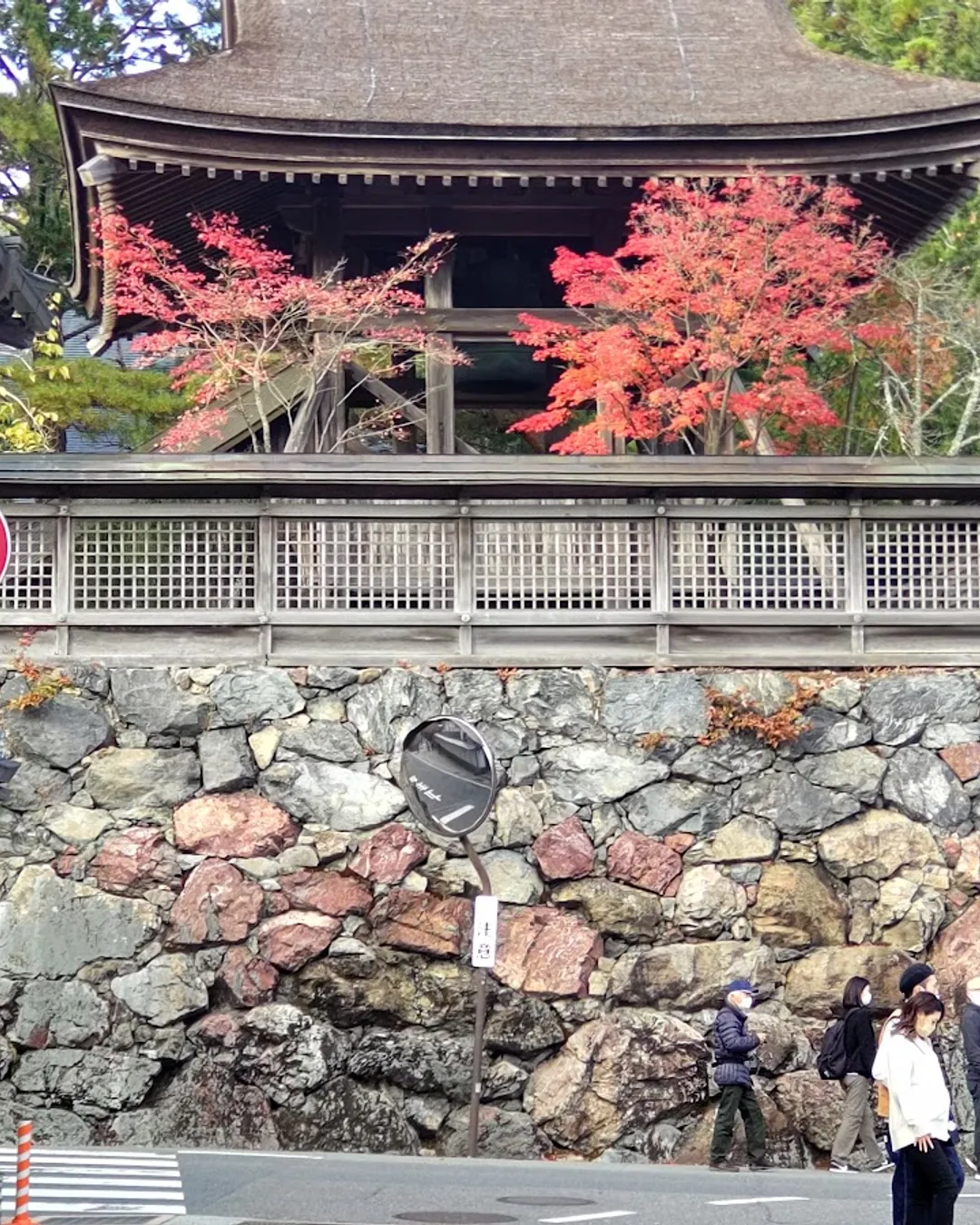
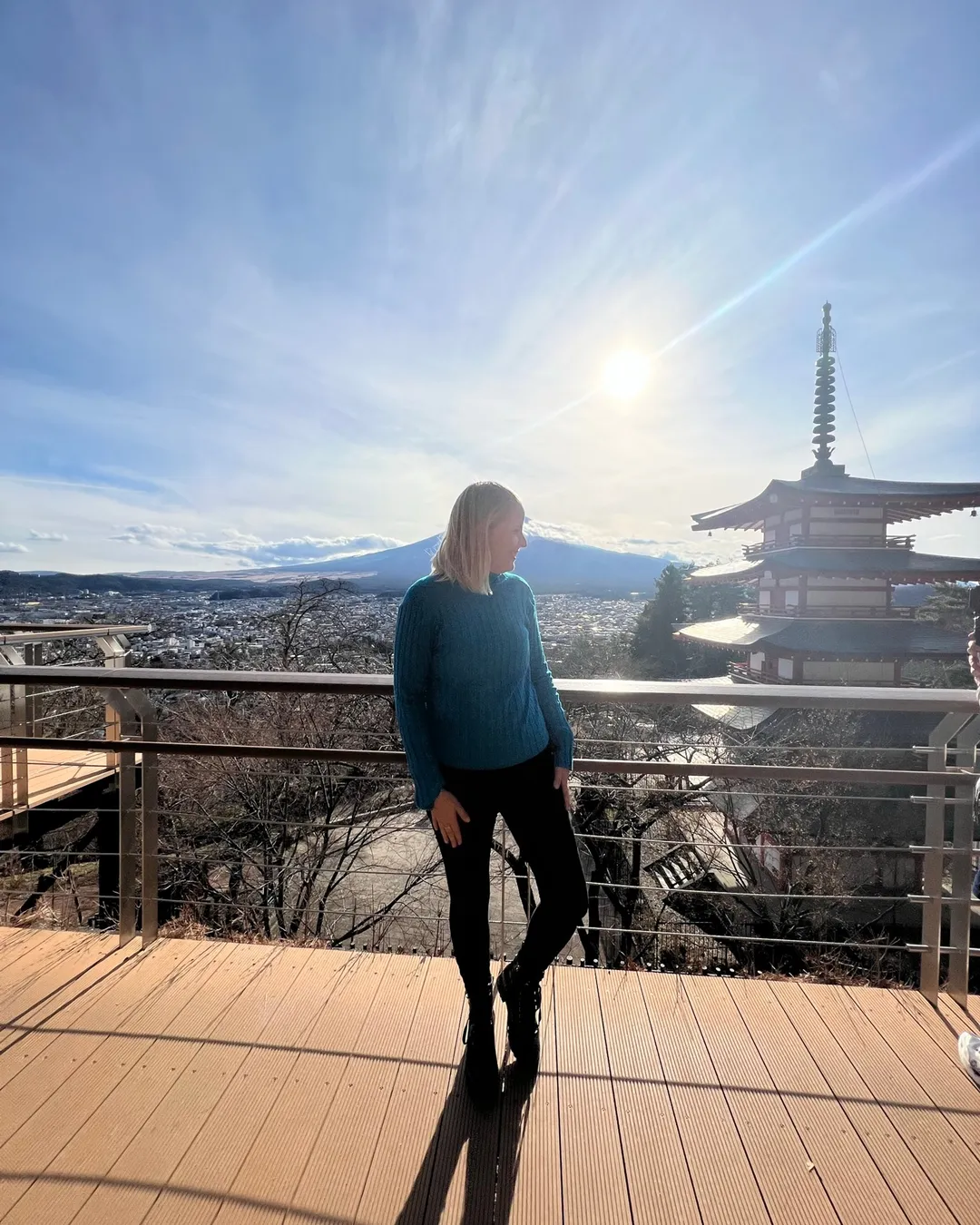
Mount Koya (Koyasan): This was hands-down my favourite day! Koyasan is a peaceful, spiritual escape, home to over 100 Buddhist temples nestled in the mountains. Getting there is part of the magic. Starting with a scenic train ride and finishing with a cable tram car up the towering mountain and forest. From the moment you arrive, you overcome with the otherworldly atmosphere. Don’t miss Okunoin, Japan’s largest cemetery and one of Japan's most significant spiritual sites, as well as the resting place of Kobo Daishi, the founder of Shingon Buddhism. While you’re there, treat yourself to a traditional shojin ryori (Buddhist vegetarian lunch) at a shukubo (temple lodging) for a unique peek into monastic life.
How to Get to Koyasan
The most straightforward route to Koyasan is via the Nankai Electric Railway from Osaka's Namba Station. Take the Nankai Koya Line to Gokurakubashi Station, which takes about 1.5 hours. From Gokurakubashi, transfer to the Koyasan Cable Car, a scenic 5-minute ride that ascends the mountain to Koyasan Station.
🚌 Getting Around Koyasan
Once in Koyasan, the local bus network is the most convenient way to access various temples and attractions. The buses run regularly and are well-coordinated with the cable car and train schedules.
To get to Mount Koya PRE- BOOK your Koyasan World Heritage Digital Ticket which includes transport, loop buses around the temples, entry or discounted entry to some temples.
🏯 A few Must-Visit Places in Koyasan
1. Okunoin Cemetery
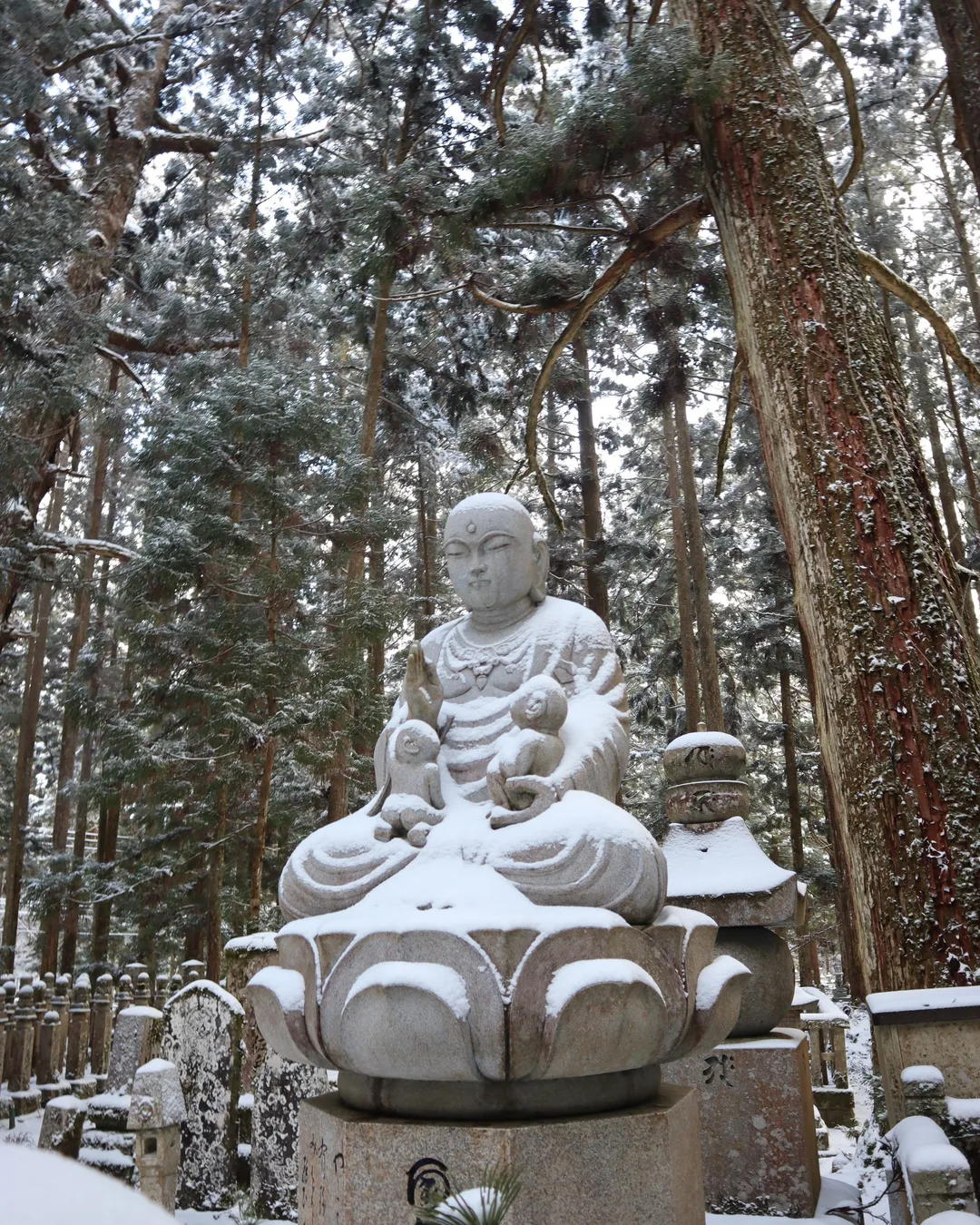
Okunoin is Japan's largest cemetery and the most sacred site in Koyasan. It houses the mausoleum of Kobo Daishi (Kukai), the founder of Shingon Buddhism. Visitors can walk along a serene path lined with thousands of stone lanterns and monuments, creating a deeply spiritual atmosphere.
2. Danjo Garan Temple Complex
Danjo Garan is the spiritual heart of Koyasan, featuring several important structures, including the Konpon Daito Pagoda and the Kongobuji Temple. The complex serves as a center for Shingon Buddhist rituals and practices.
3. Koyasan Reihokan Museum
This museum showcases a vast collection of Buddhist artifacts, including statues, scrolls, and ritual implements, offering insights into the history and art of Shingon Buddhism.
4. Koyasan Daimon Gate
The Daimon Gate is the grand entrance to Koyasan, standing 25 meters tall. It marks the boundary between the secular world and the sacred land of Koyasan, symbolizing the spiritual journey one undertakes upon entering.