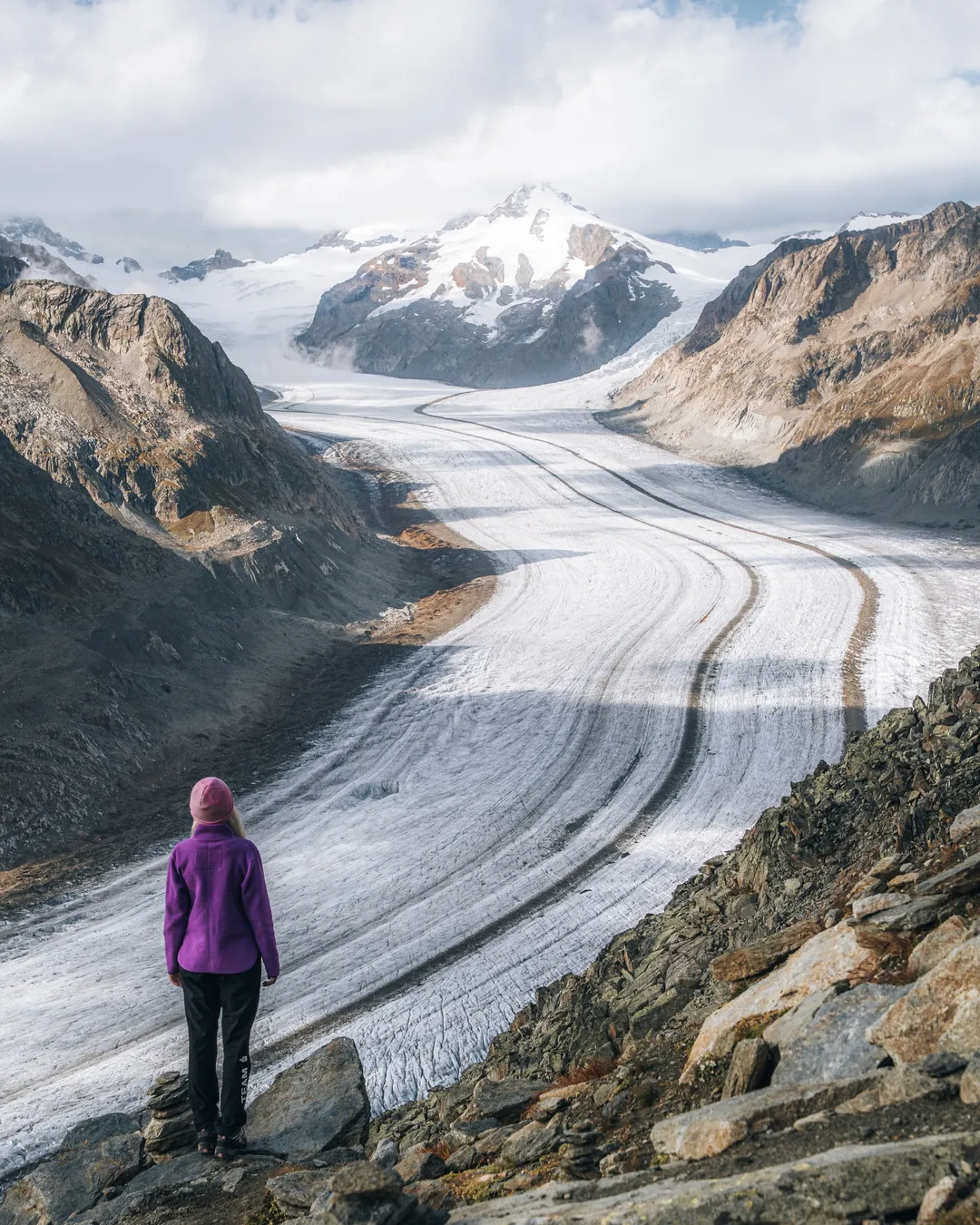
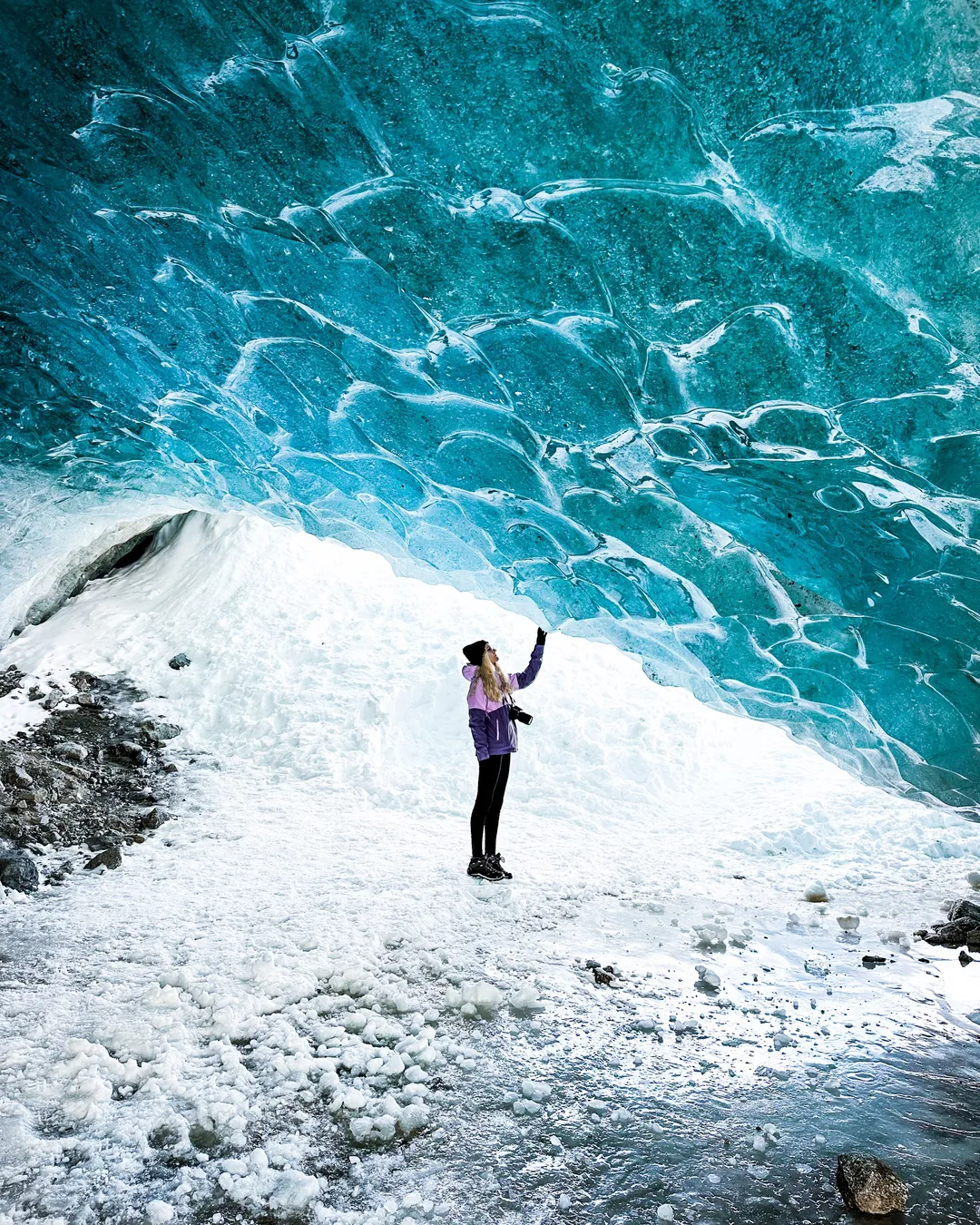
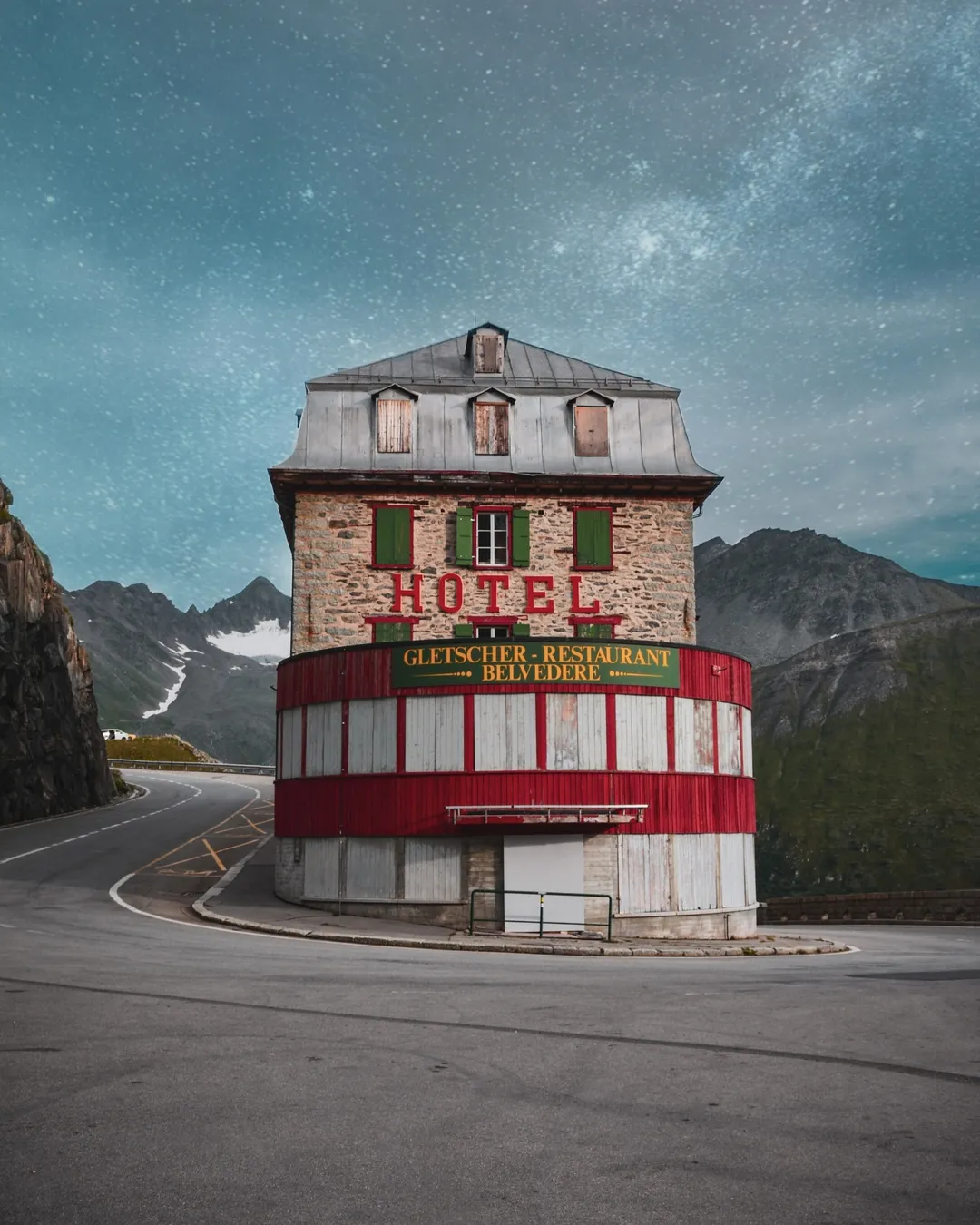
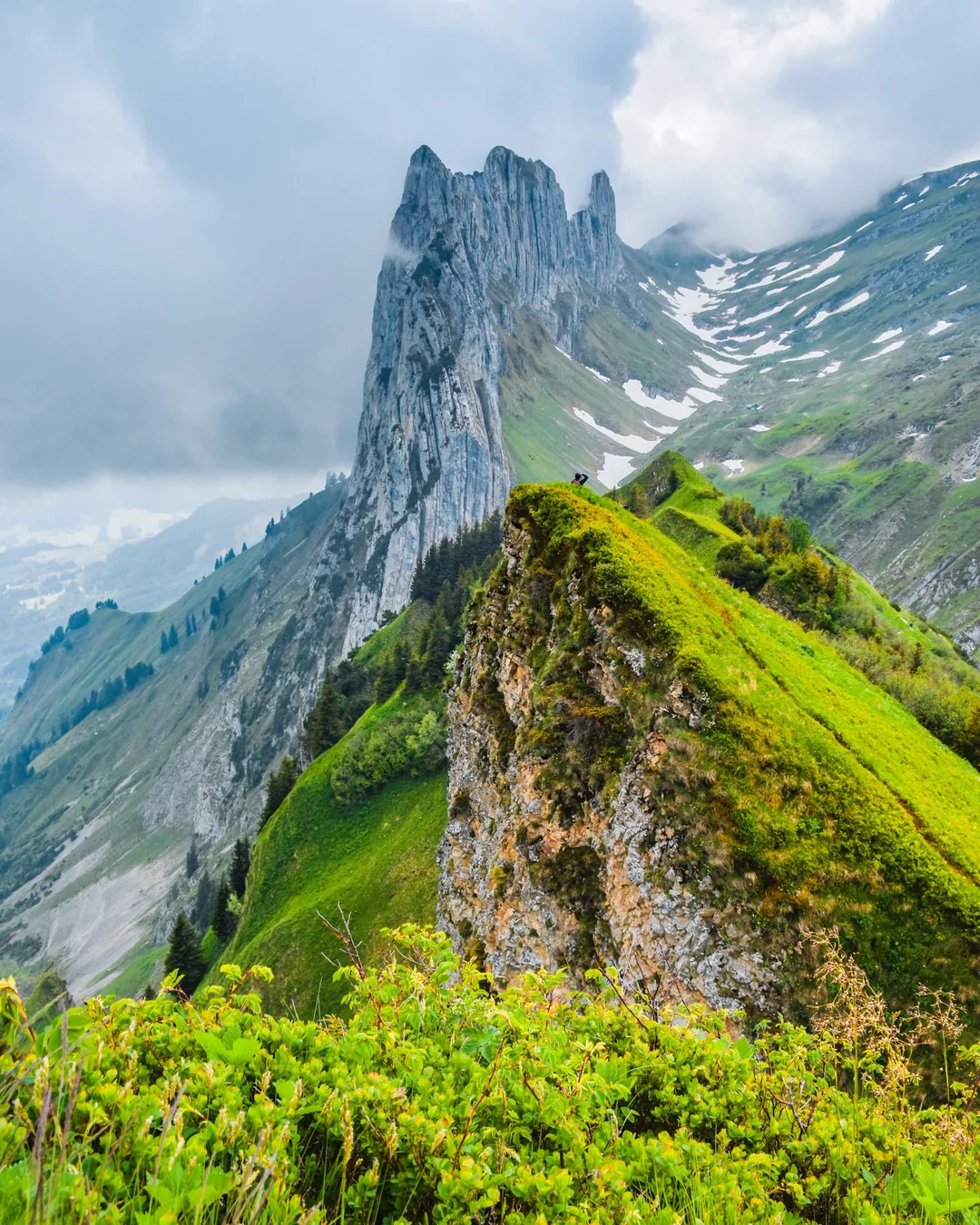
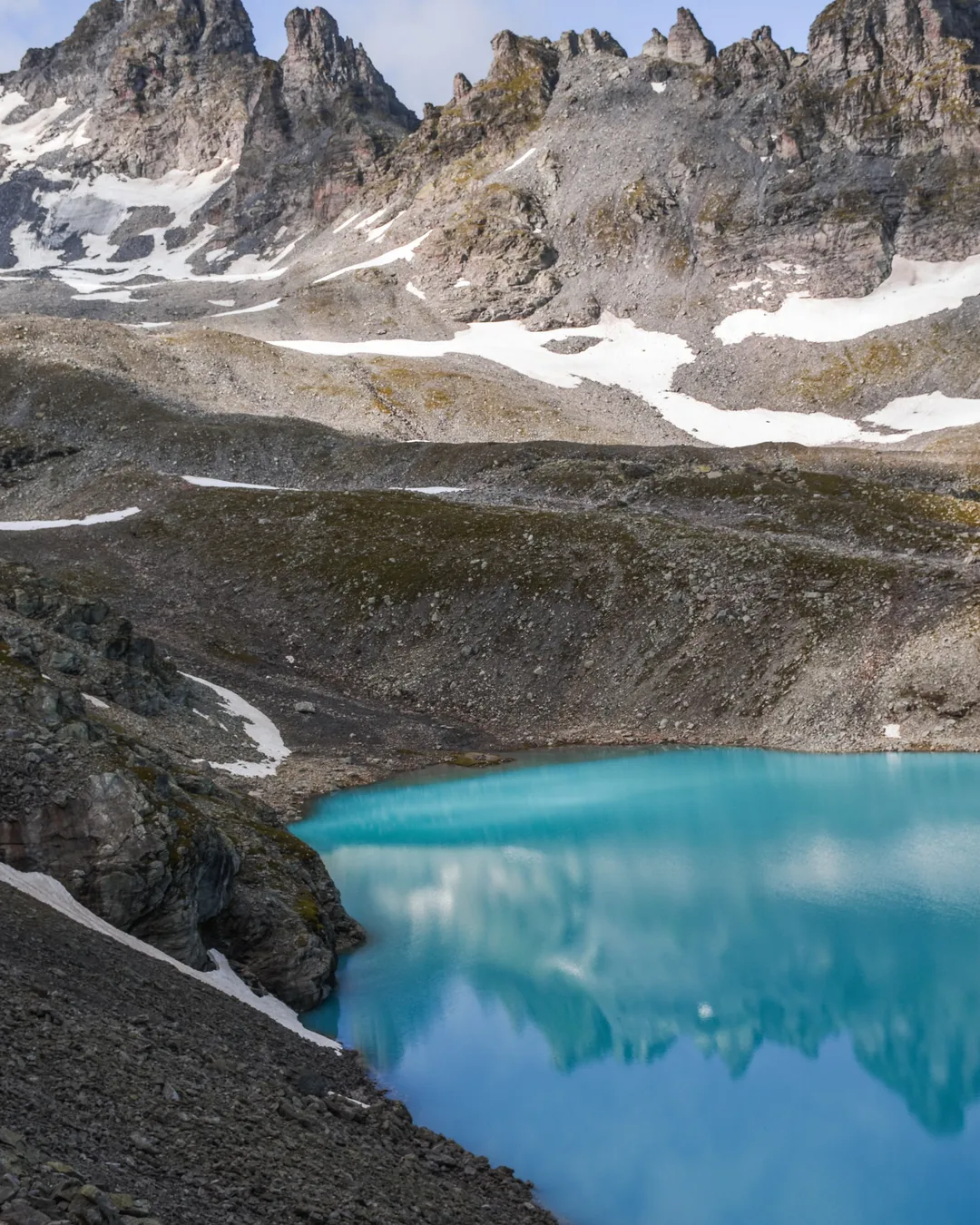
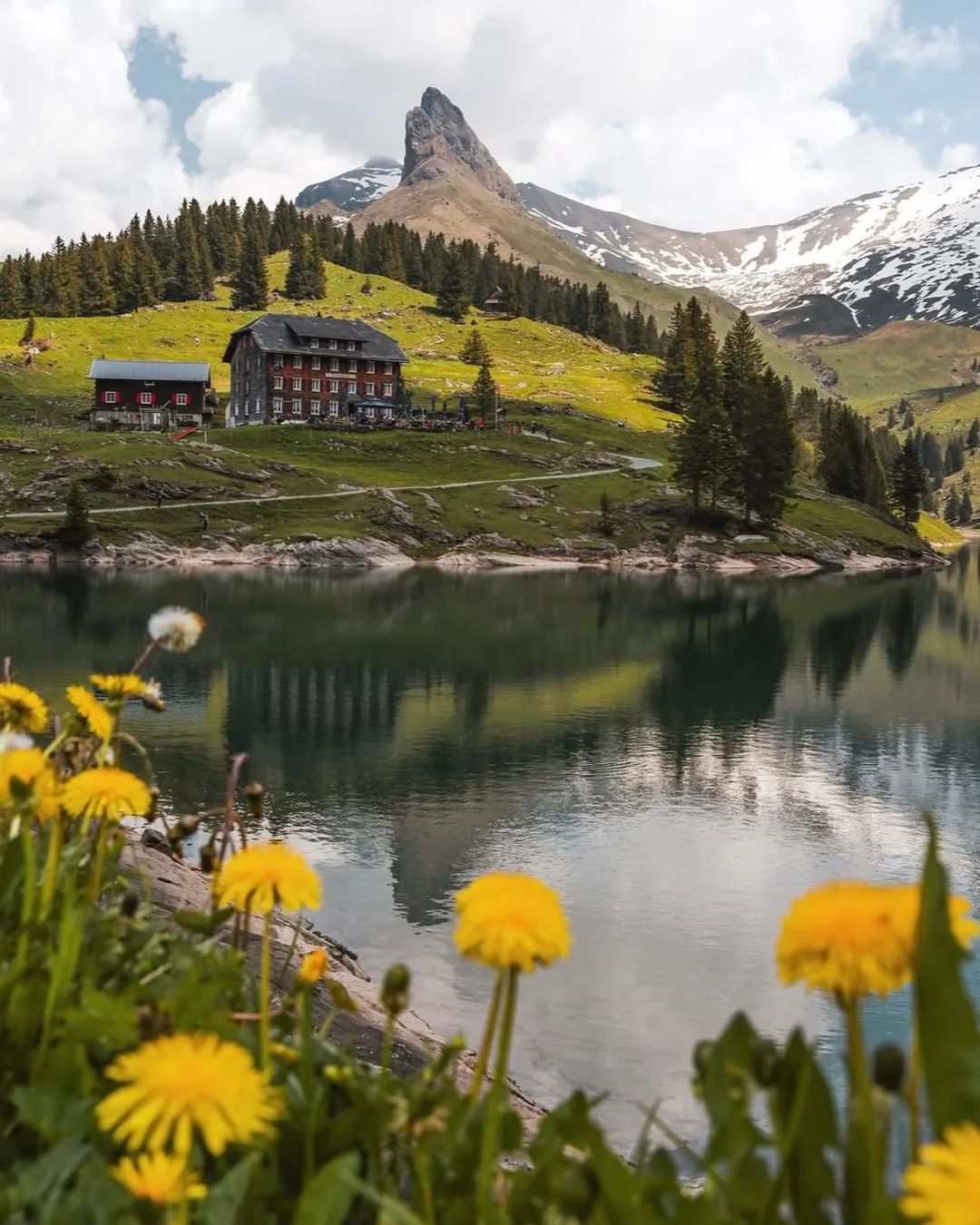
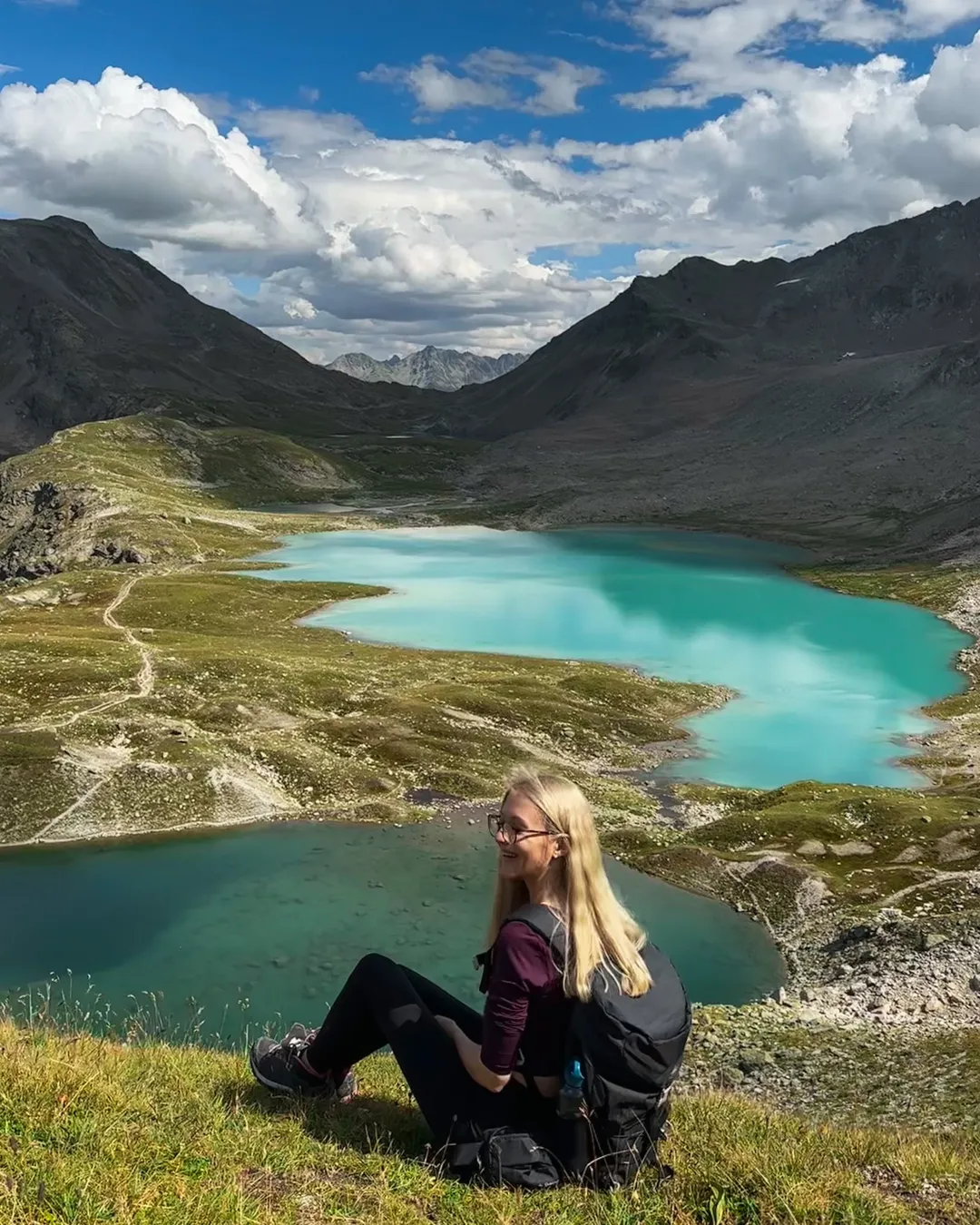
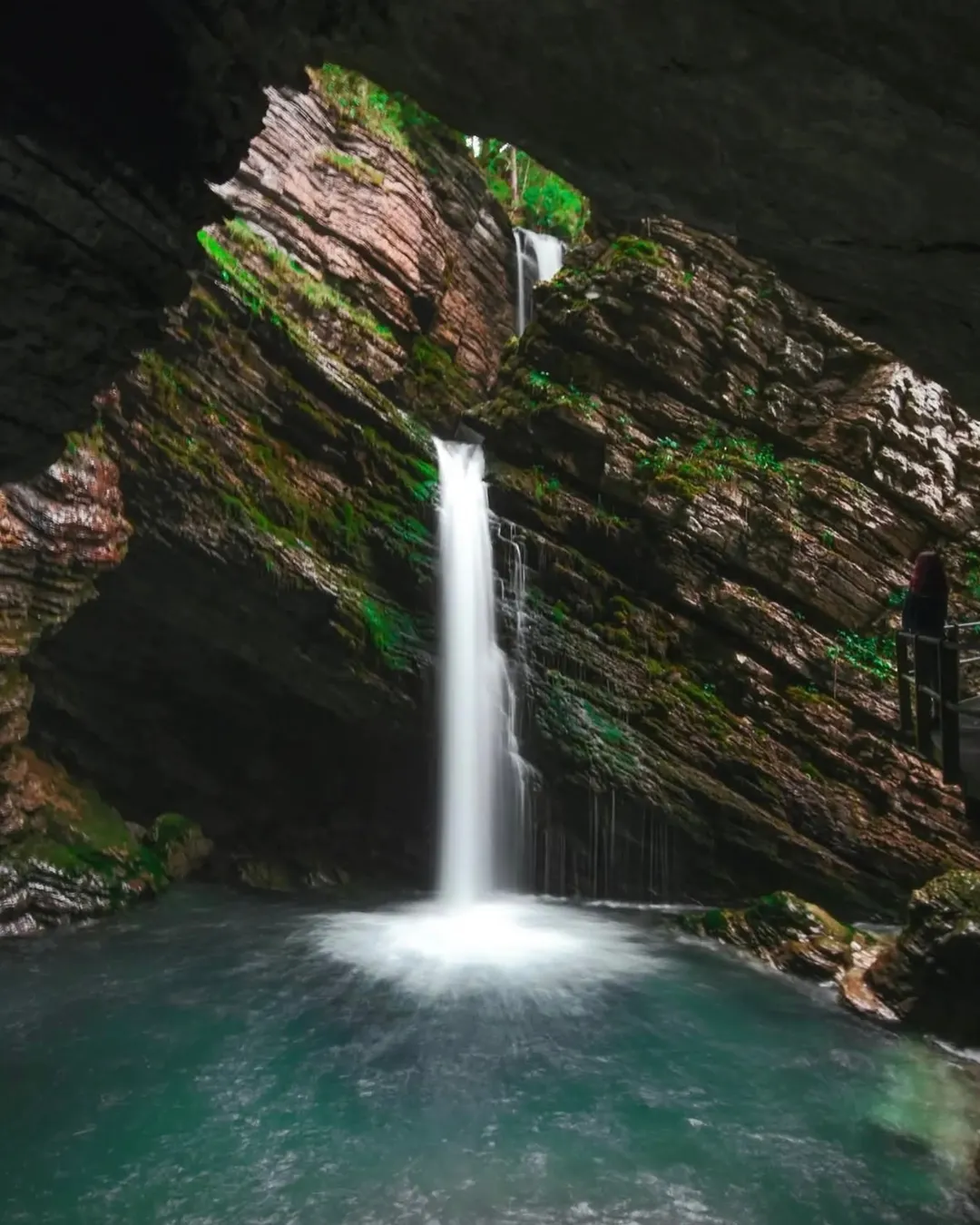
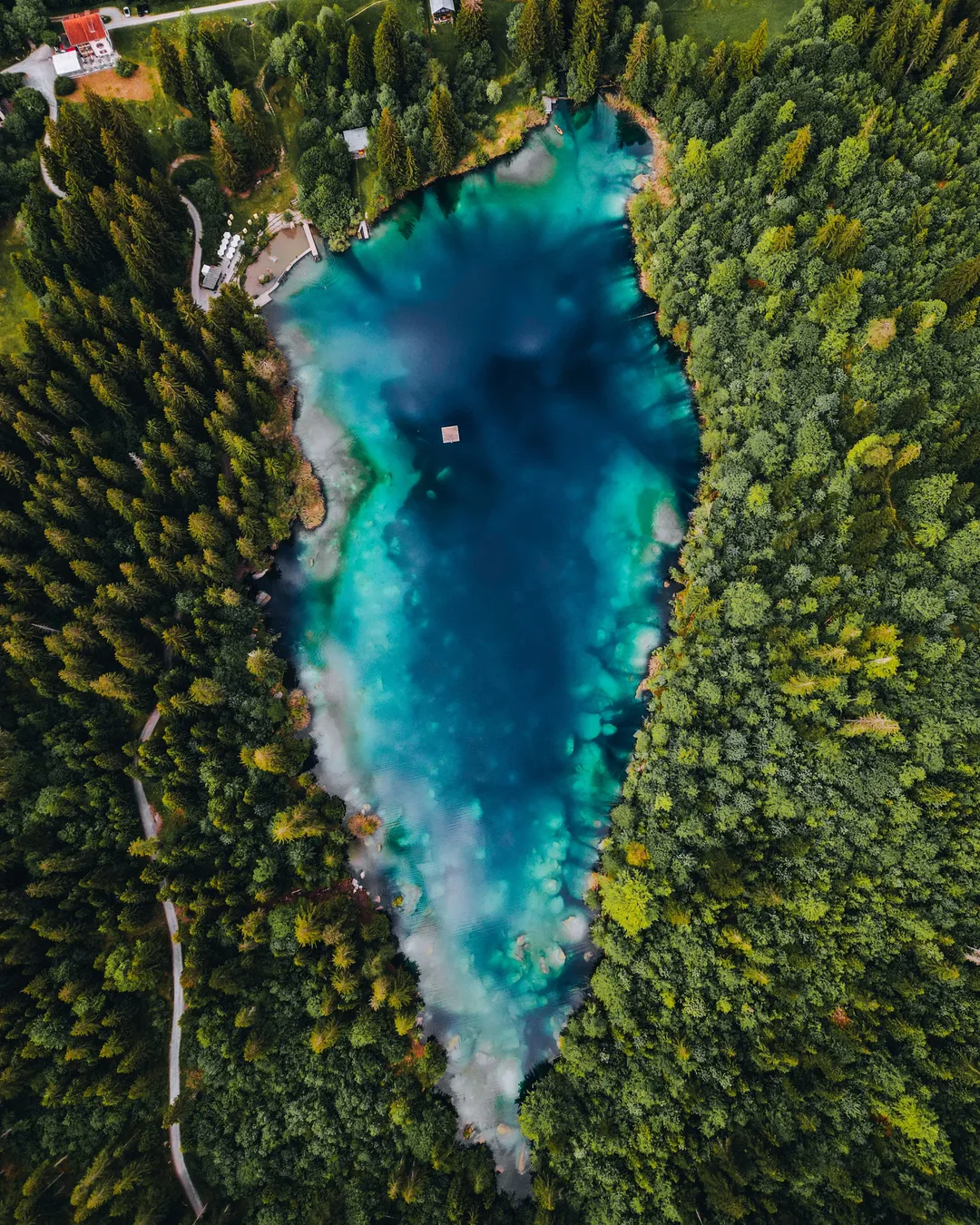
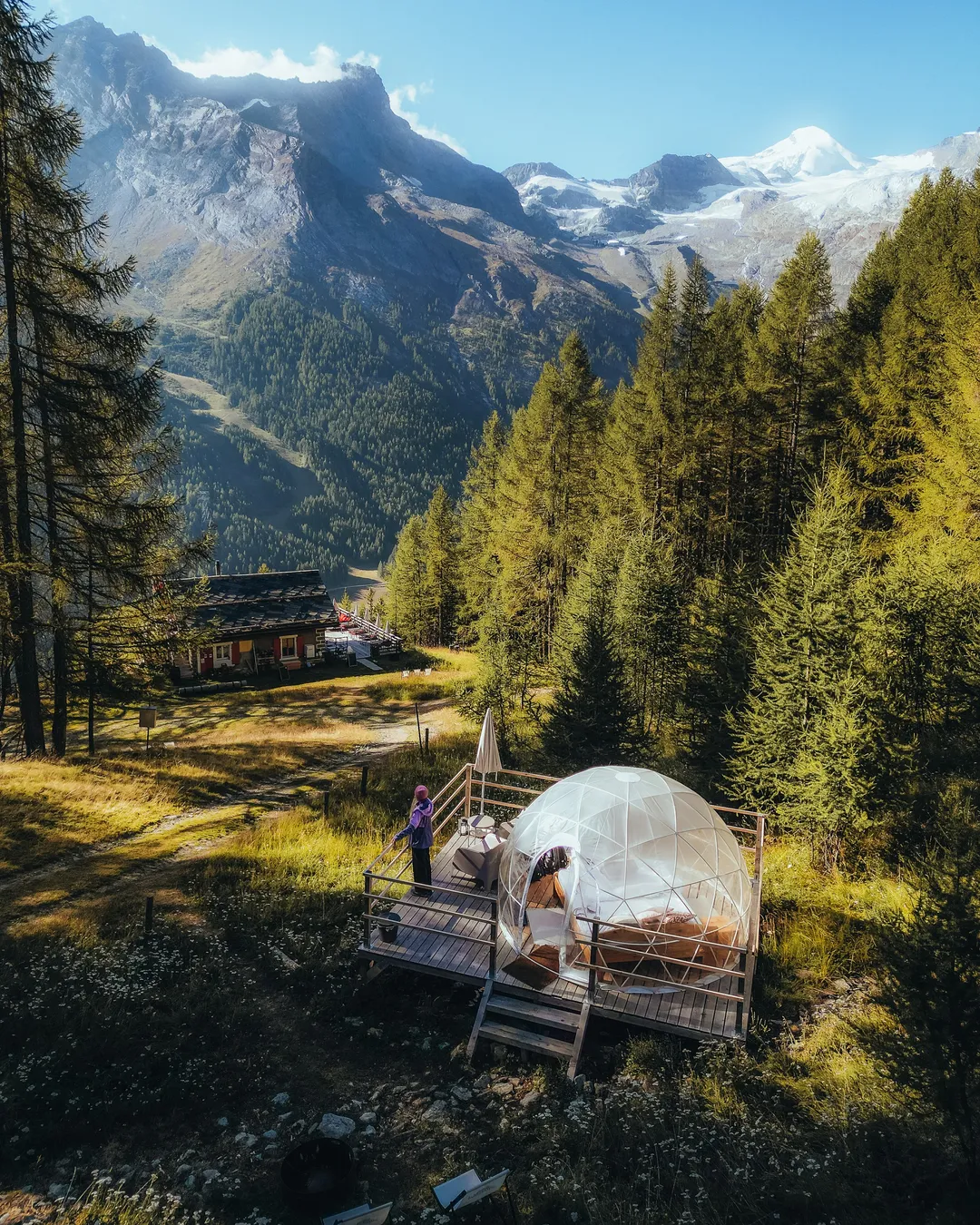
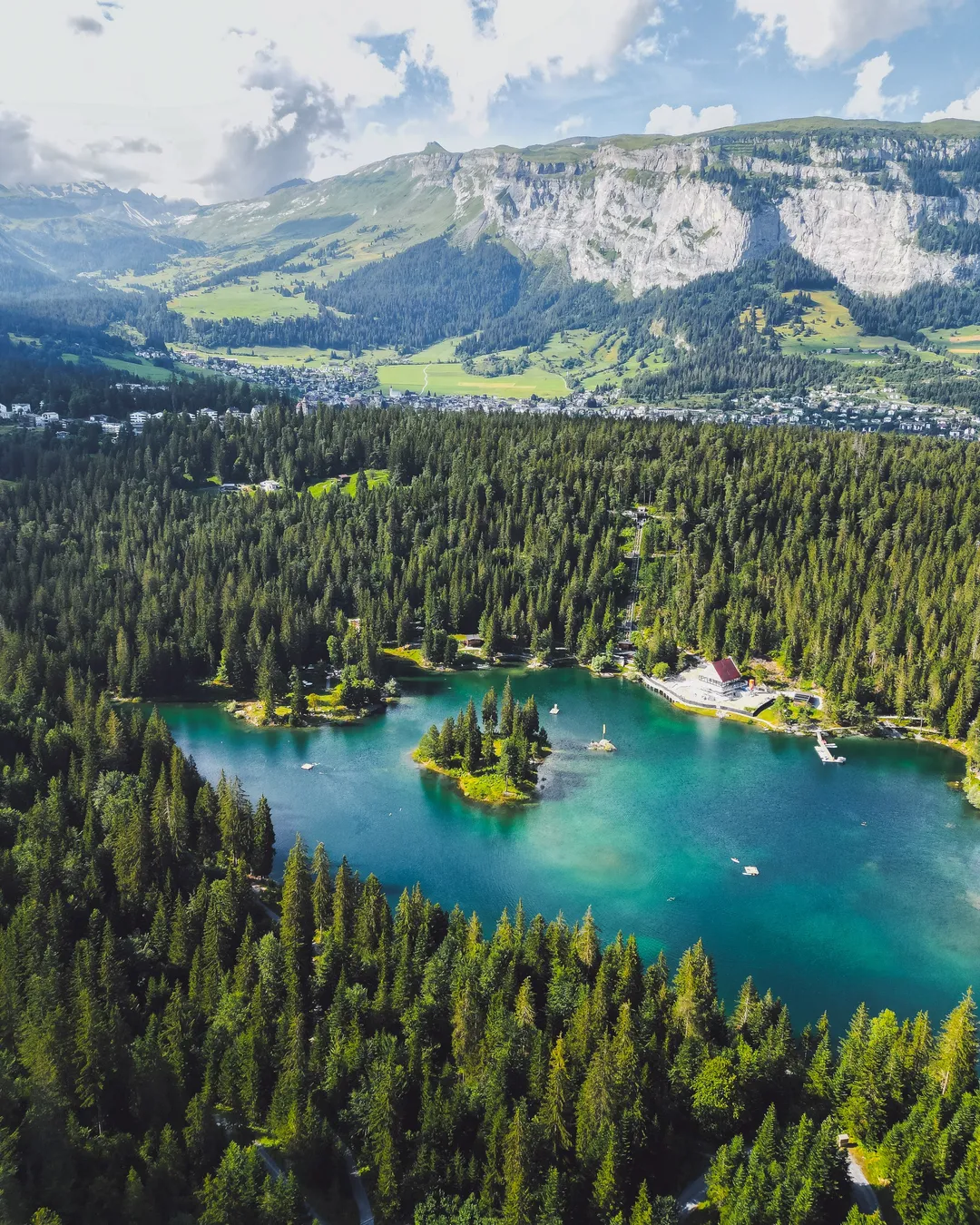
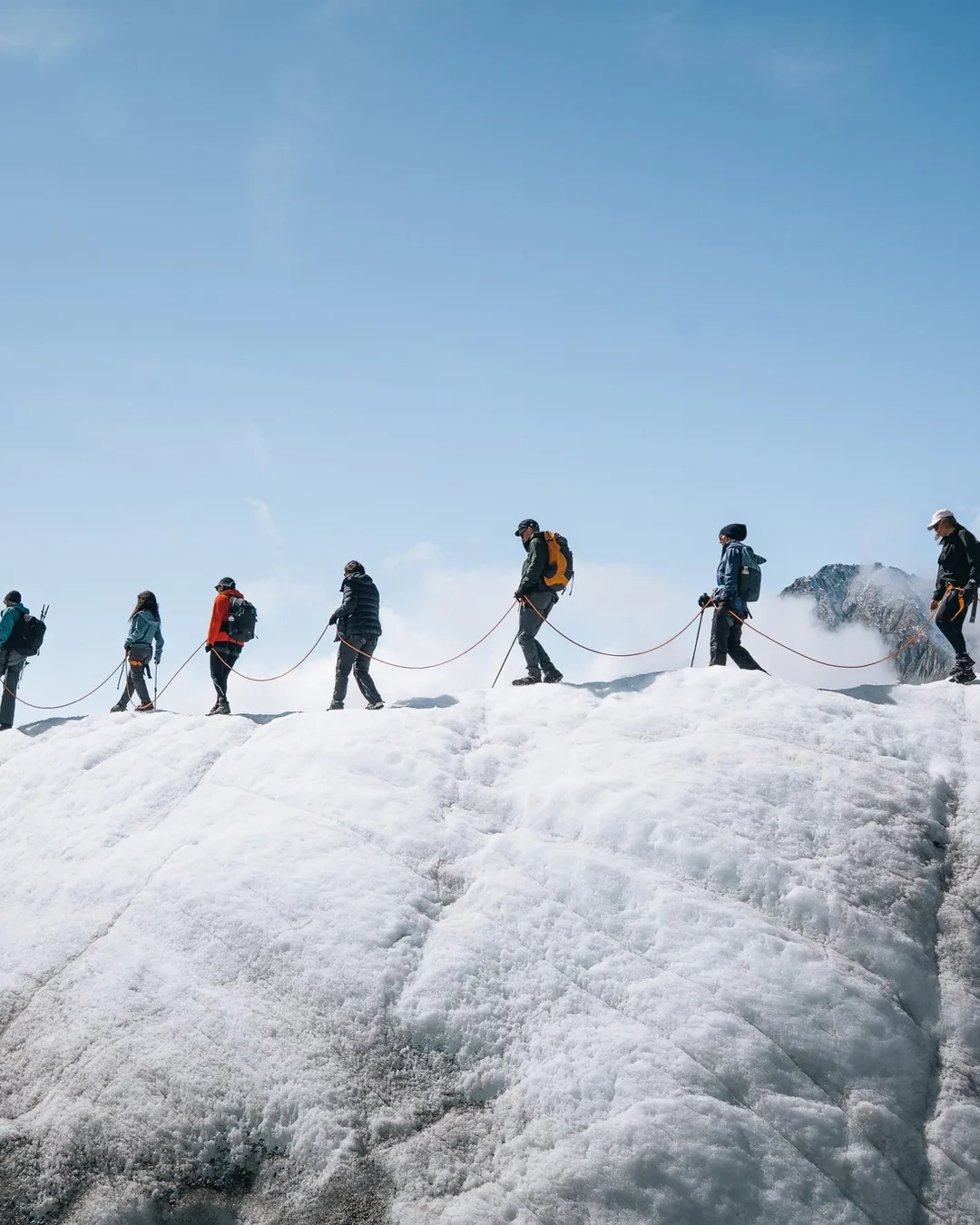
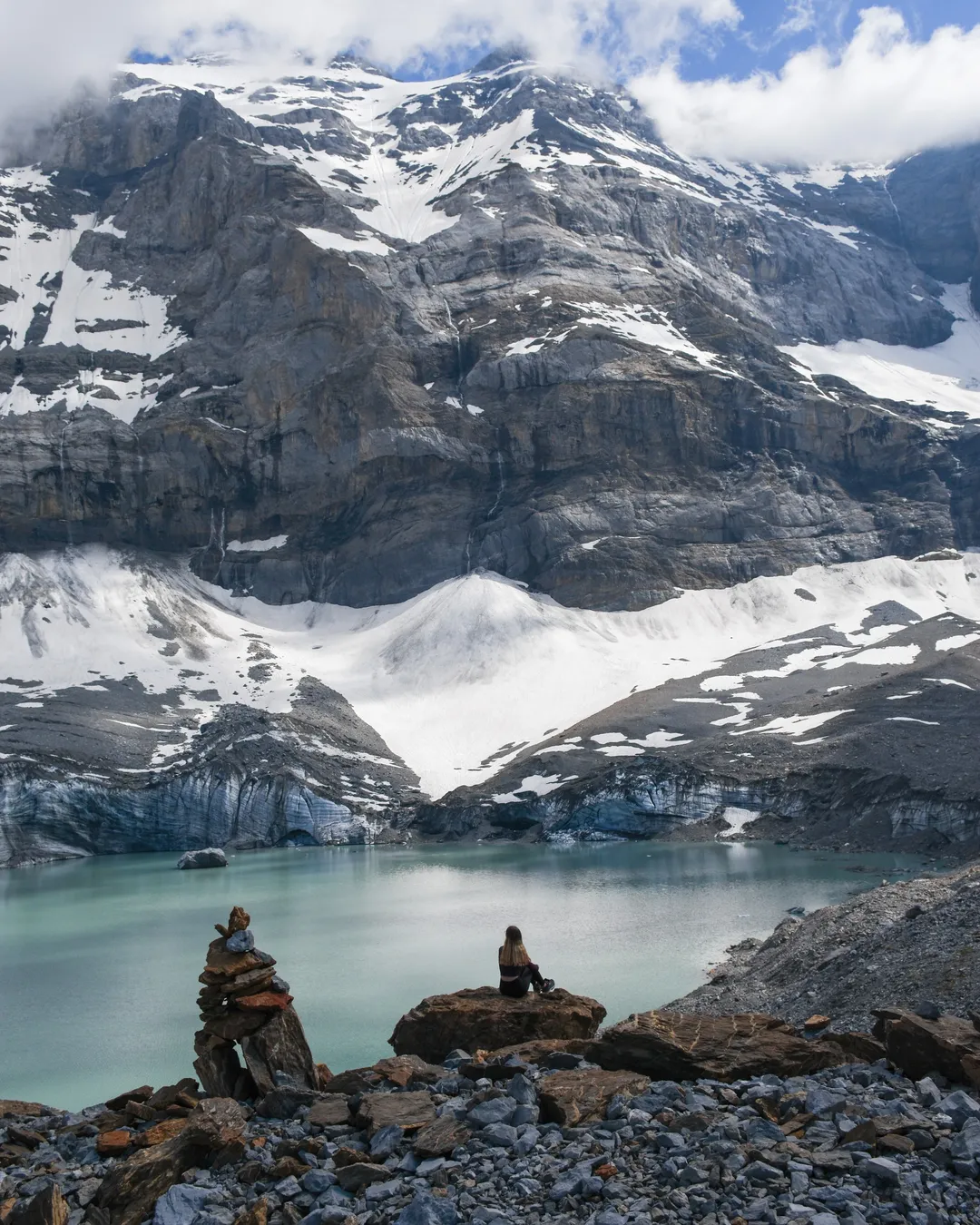
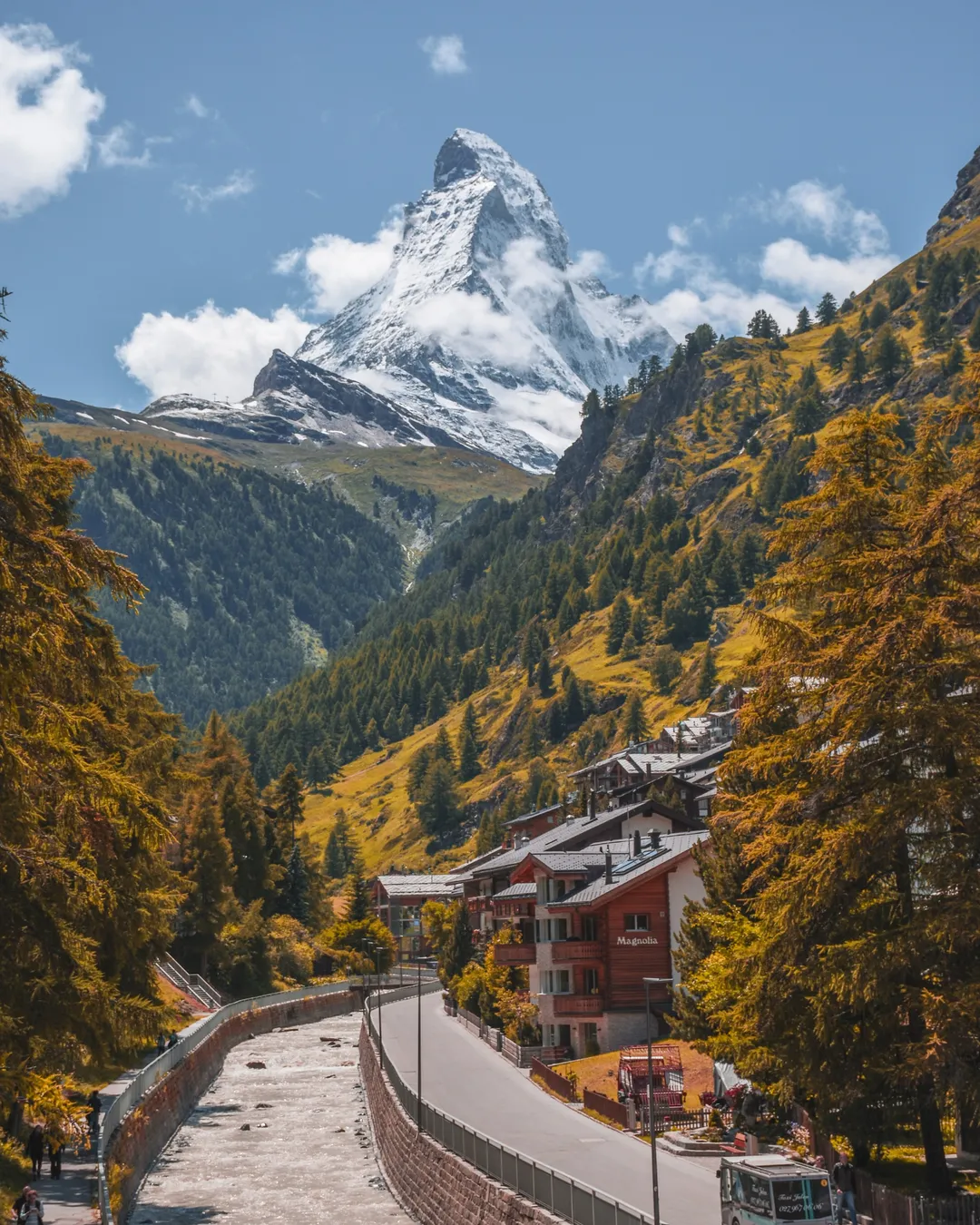
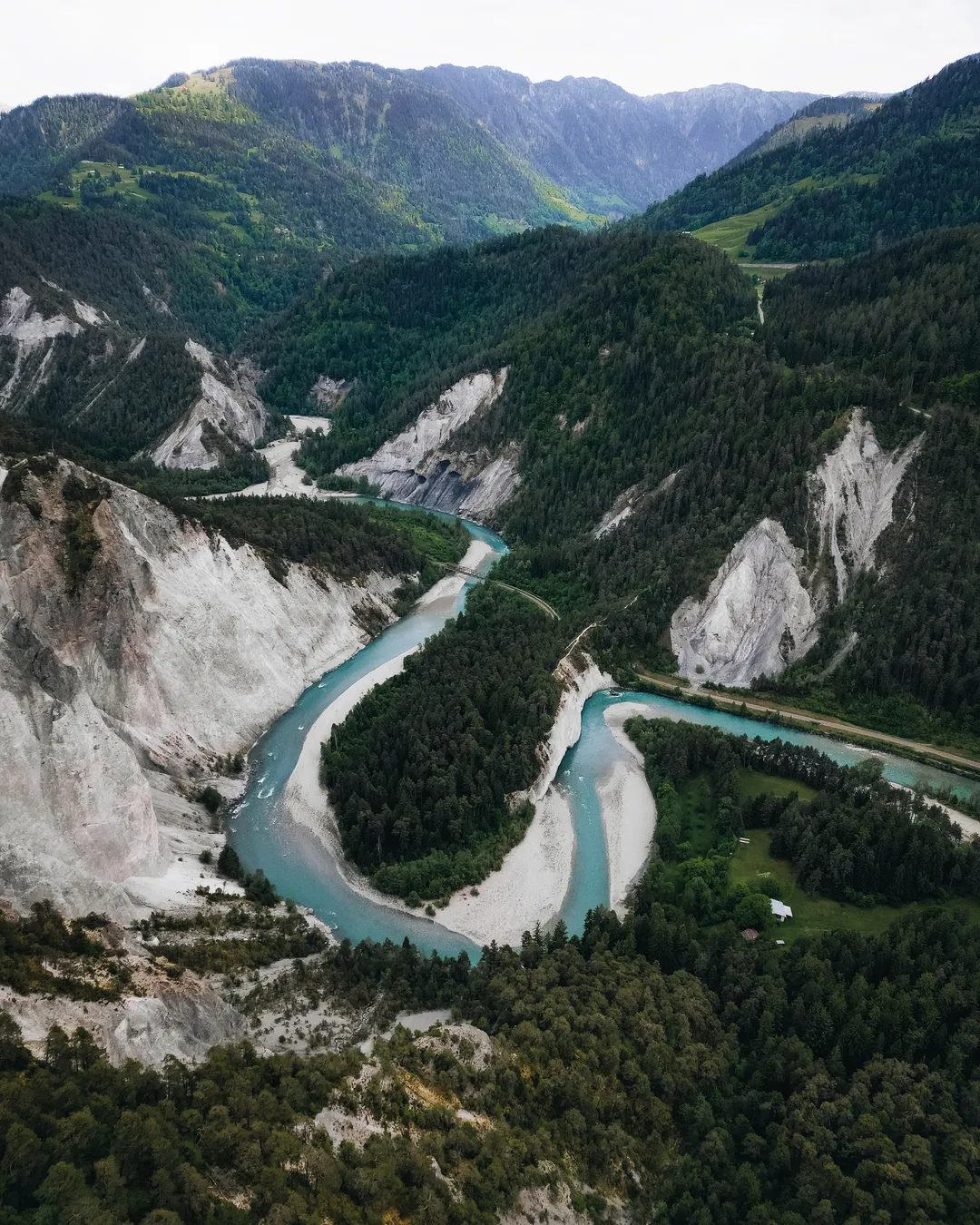
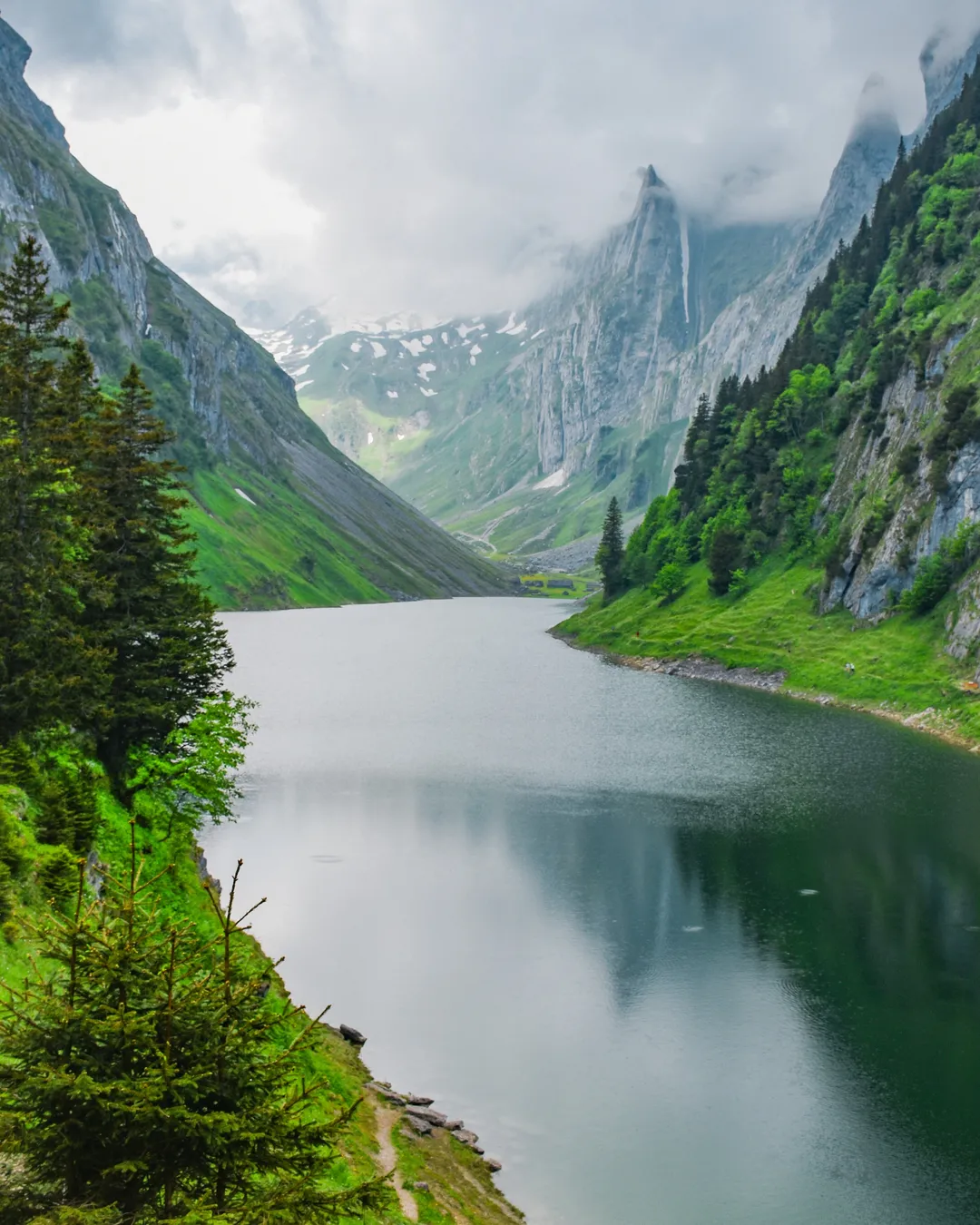
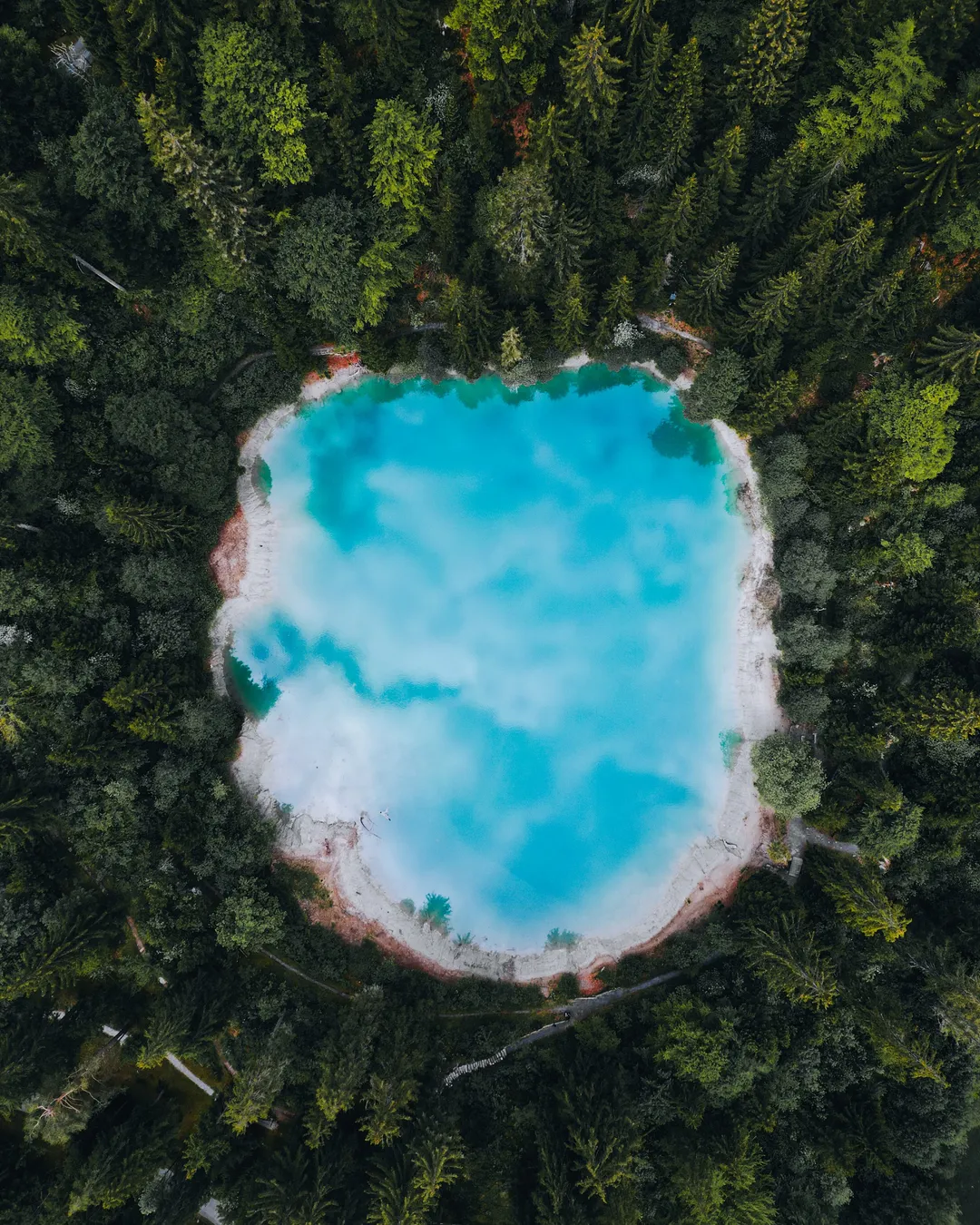
Eggishorn is a stunning mountain peak located in the Swiss Alps, sitting at an impressive altitude of about 2,927 meters. It's part of the Aletsch Arena and offers breathtaking views of the surrounding Alps, including the famous Aletsch Glacier, which is the largest glacier in the Alps. The area is popular among hikers and skiers alike, attracting outdoor enthusiasts year-round. Visitors can take a cable car to reach the summit, making it accessible for those who might not want to take the climb on foot. With its picturesque scenery and vibrant alpine atmosphere, Eggishorn is a favorite spot for both locals and tourists looking to soak in the beauty of the Swiss mountains.
Who it’s recommended for
Nature lovers, photographers, or anyone seeking breathtaking alpine views and glacier experiences without long hours of hiking.
Best Season to Visit
Late spring through early autumn (May–October) for hiking and sightseeing; winter (December–March) for snow activities and winter panoramas.
How to Get There
By Car: Drive to Fiesch. Parking is available at valley stations of the cable car.
By Public Transport: Take a train to Fiesch, then the Fiesch–Fiescheralp cable car followed by the Fiescheralp–Eggishorn cable car.
Cable Car / Access Info
Fiesch–Fiescheralp Cable Car: Provides access from the valley to Fiescheralp (1,940 m).
Fiescheralp–Eggishorn Cable Car: Takes you from Fiescheralp to the Eggishorn summit (2,927 m).
Highlights:
Aletsch Glacier: Stunning view of the largest glacier in the Alps
Panoramic Views: 360° panoramas of the Bernese Alps and Valais peaks
Observation Platforms: Designed for safe and accessible glacier viewing
Tips & Recommendations
Dress in layers — temperatures at the summit can be much colder than in the valley.
Even short walks can be slippery near the summit, so wear sturdy shoes.
Check cable car schedules in advance, especially in shoulder seasons.
Photography tips
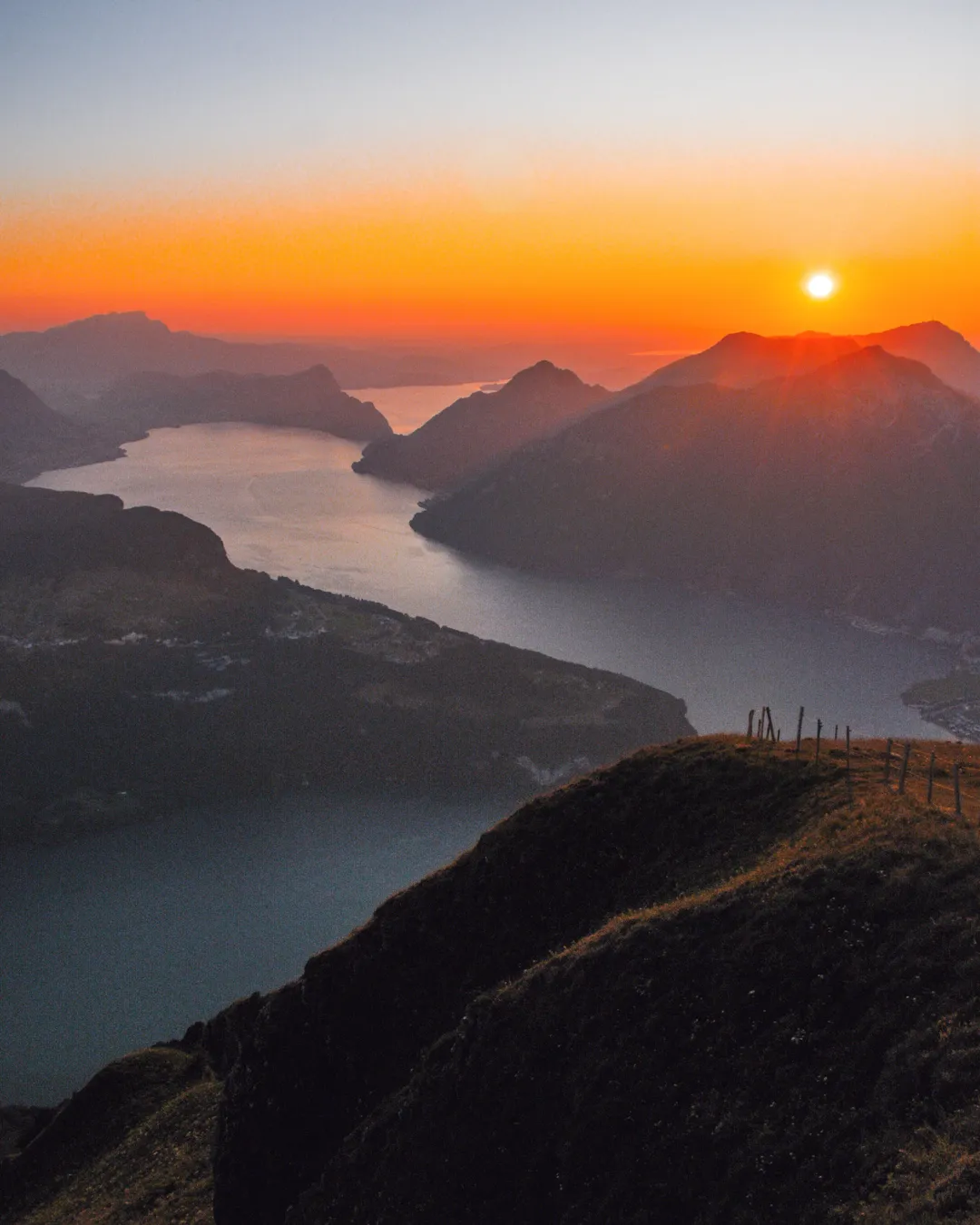
Golden hour 🌅: Capture sunrise or sunset for warm light and dramatic shadows over the Aletsch Glacier.
Panoramic shots 🏞️: Use a wide-angle lens or panorama mode to capture the glacier and surrounding peaks.
Drone photography 🚁: For unique aerial perspectives of the glacier and mountain range (check regulations).
High contrast ⚡: Shoot in bright daylight to emphasize textures and shapes of the glacier ice.
Low angle 📐: Frame the glacier from a low vantage point for depth and scale.
Long exposure ⏳: Smooth clouds and add motion to the scene for a dreamy effect.
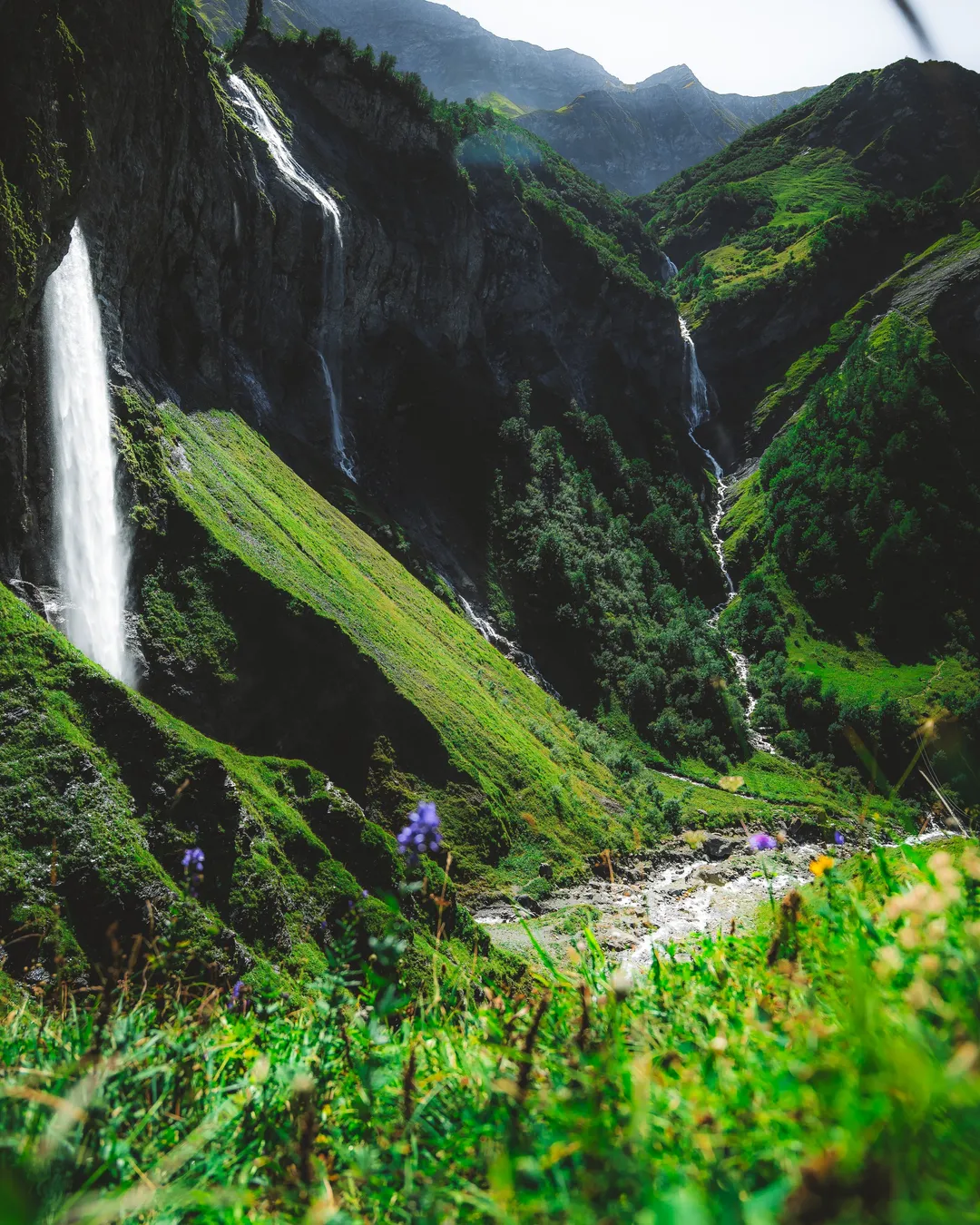
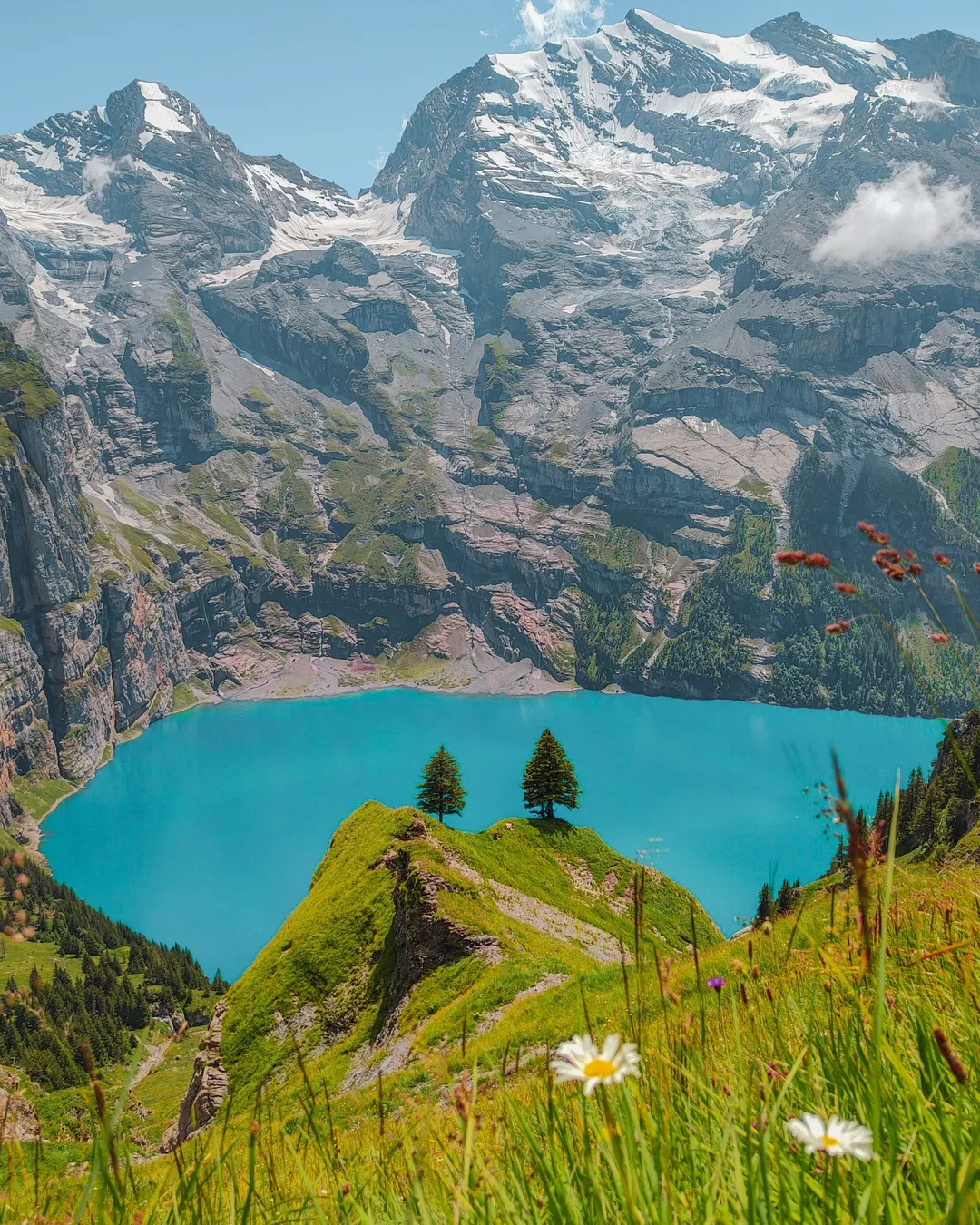
Detail shots 🔍: Capture glacier crevasses, ice textures, or alpine flora.
Weather moods 🌥️: Mist, clouds, or clear skies drastically change the mood.