Santa Maria della Scala is one of Siena’s most meaningful sites—not flashy, but deeply human. It tells the story of care, charity, and civic responsibility across nearly a thousand years.
4
What it was
Founded around the 9th century, it functioned as a hospital, orphanage, hostel, and poorhouse.
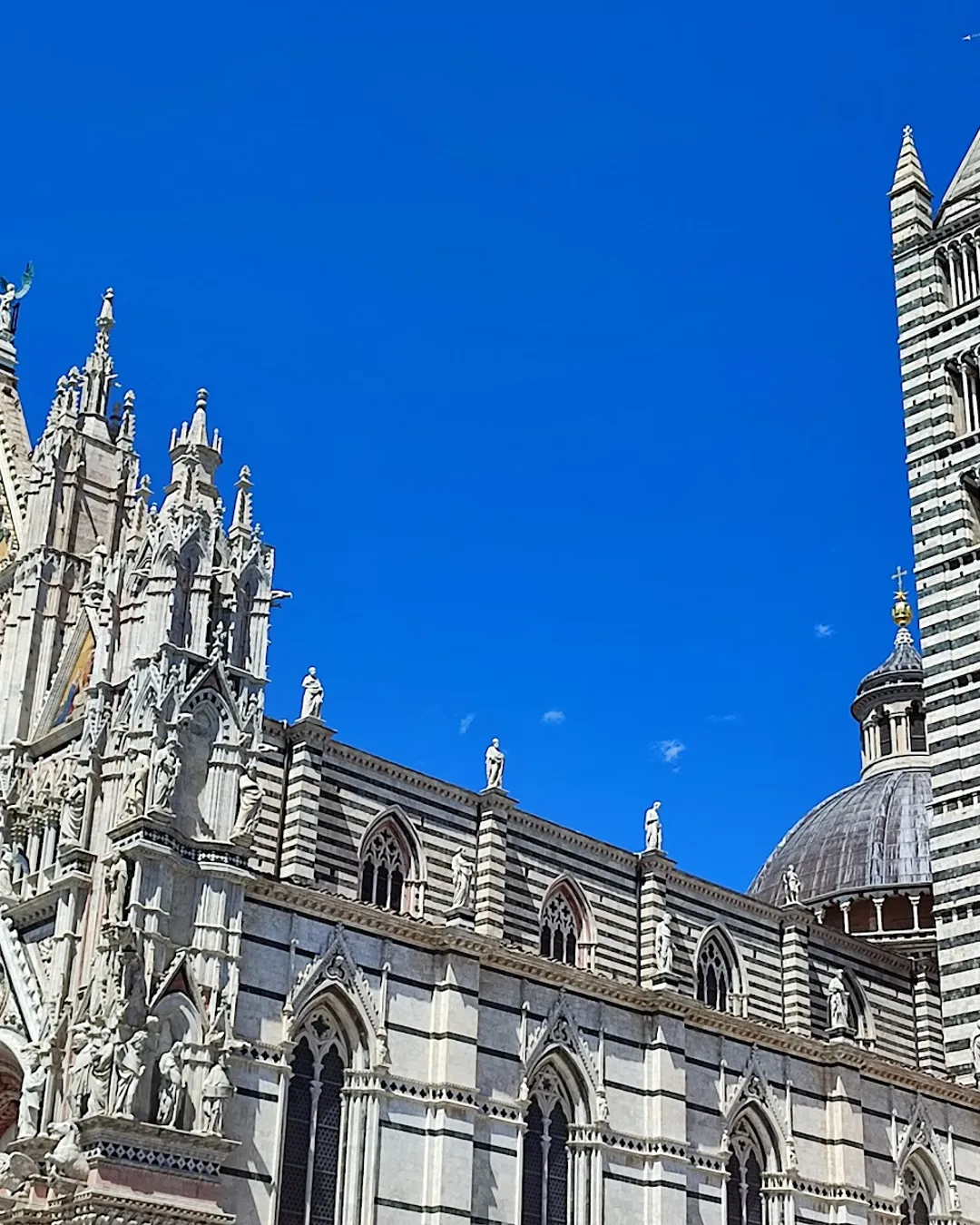
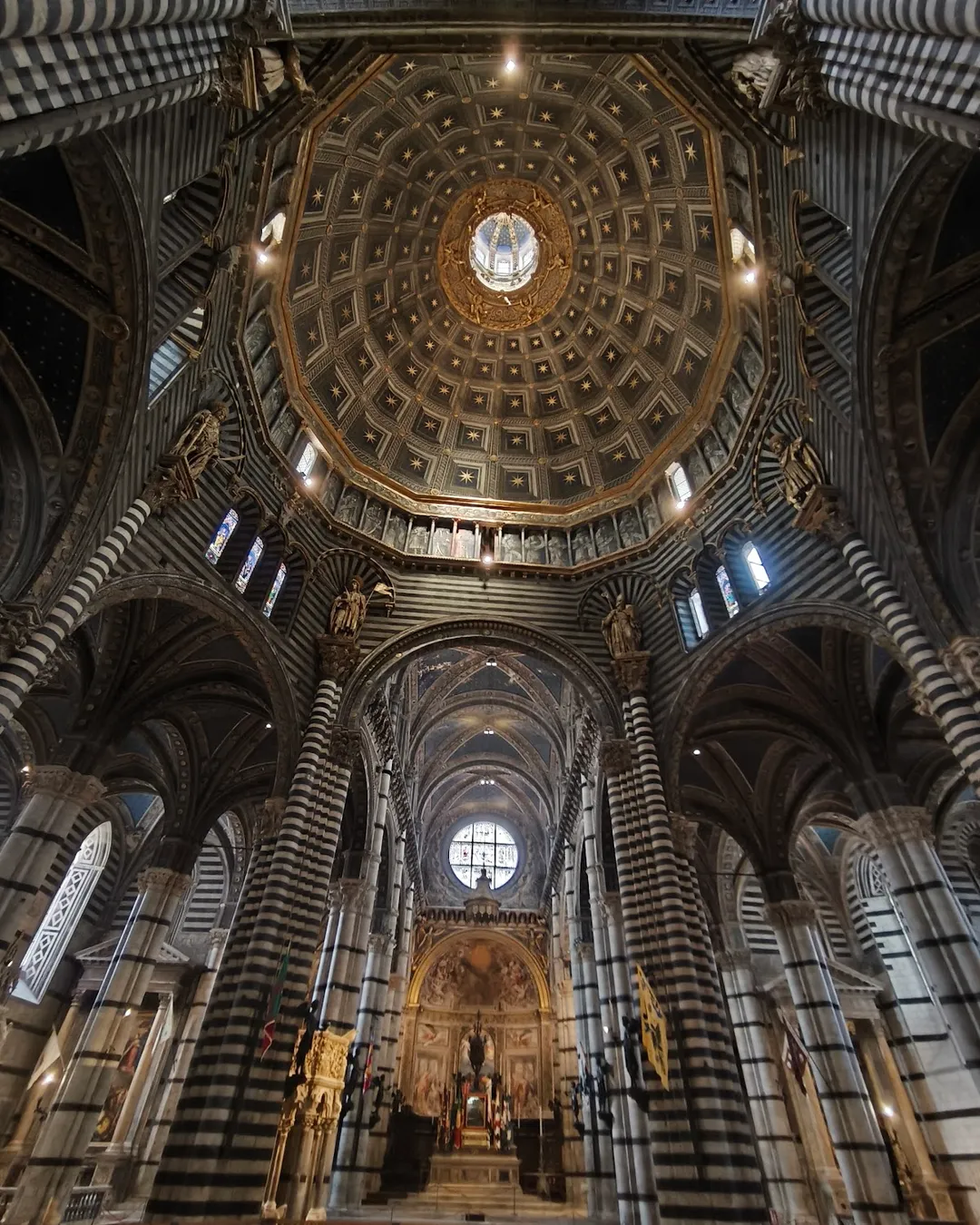
Directly across from the Duomo, it symbolized Siena’s belief that faith and public service belonged side by side.
It cared for pilgrims, the sick, abandoned children, and the poor—free of charge.
Why the name matters
“Della Scala” likely refers to the steps leading up to the Duomo—spiritual ascent paired with earthly compassion.
The message was clear: salvation wasn’t just prayer, it was action.
The Pellegrinaio (don’t miss this)
The great hall where pilgrims slept and ate.
Covered with 15th-century frescoes showing hospital life in detail—doctors treating patients, nurses changing linens, citizens donating food.
These are not idealized religious scenes; they’re practical, organized, almost modern depictions of healthcare.
Art with a civic soul
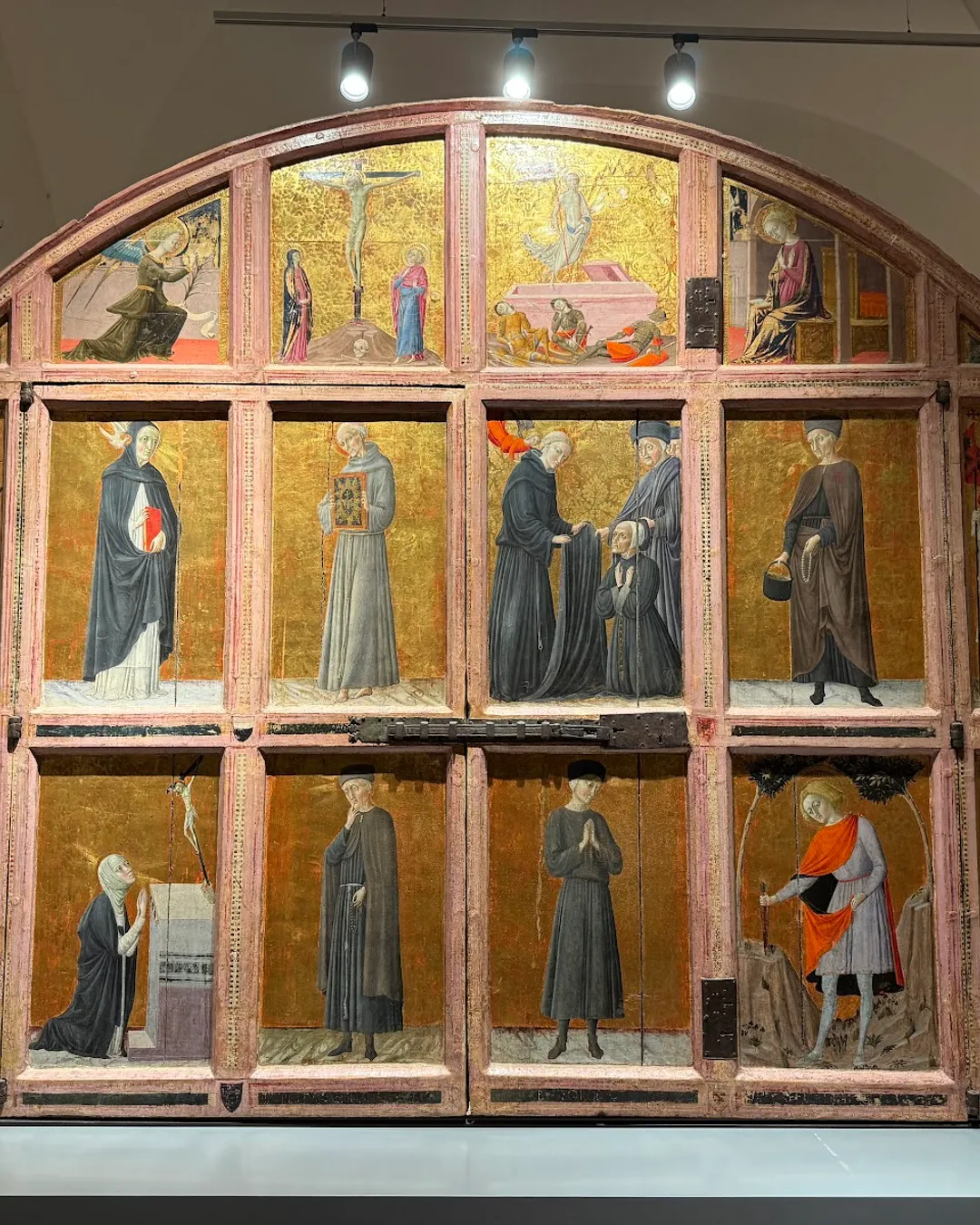
Works by artists from the Sienese School focus less on divine drama and more on human dignity.
You see order, cleanliness, accountability—remarkably progressive for the Middle Ages.
Underground Siena
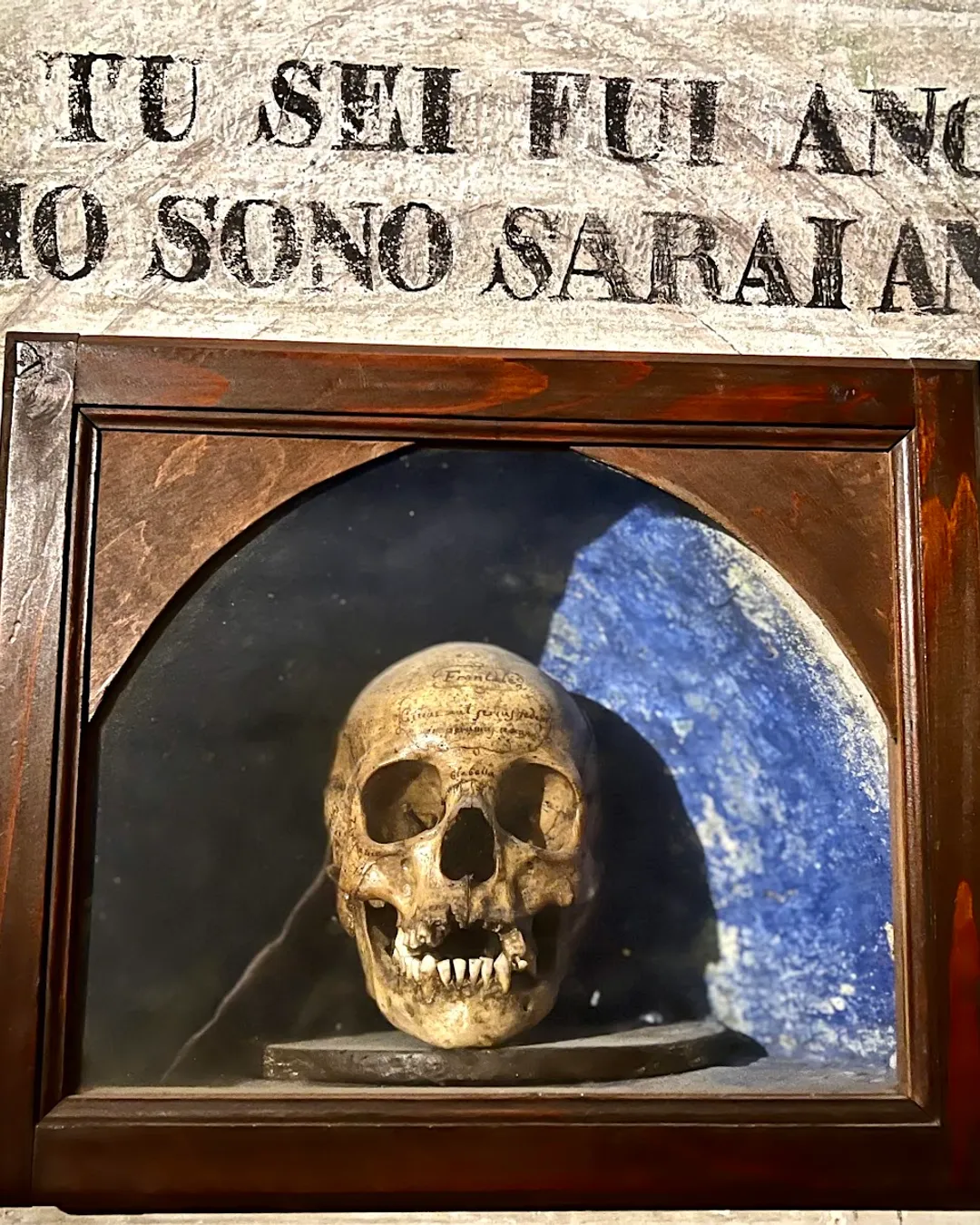
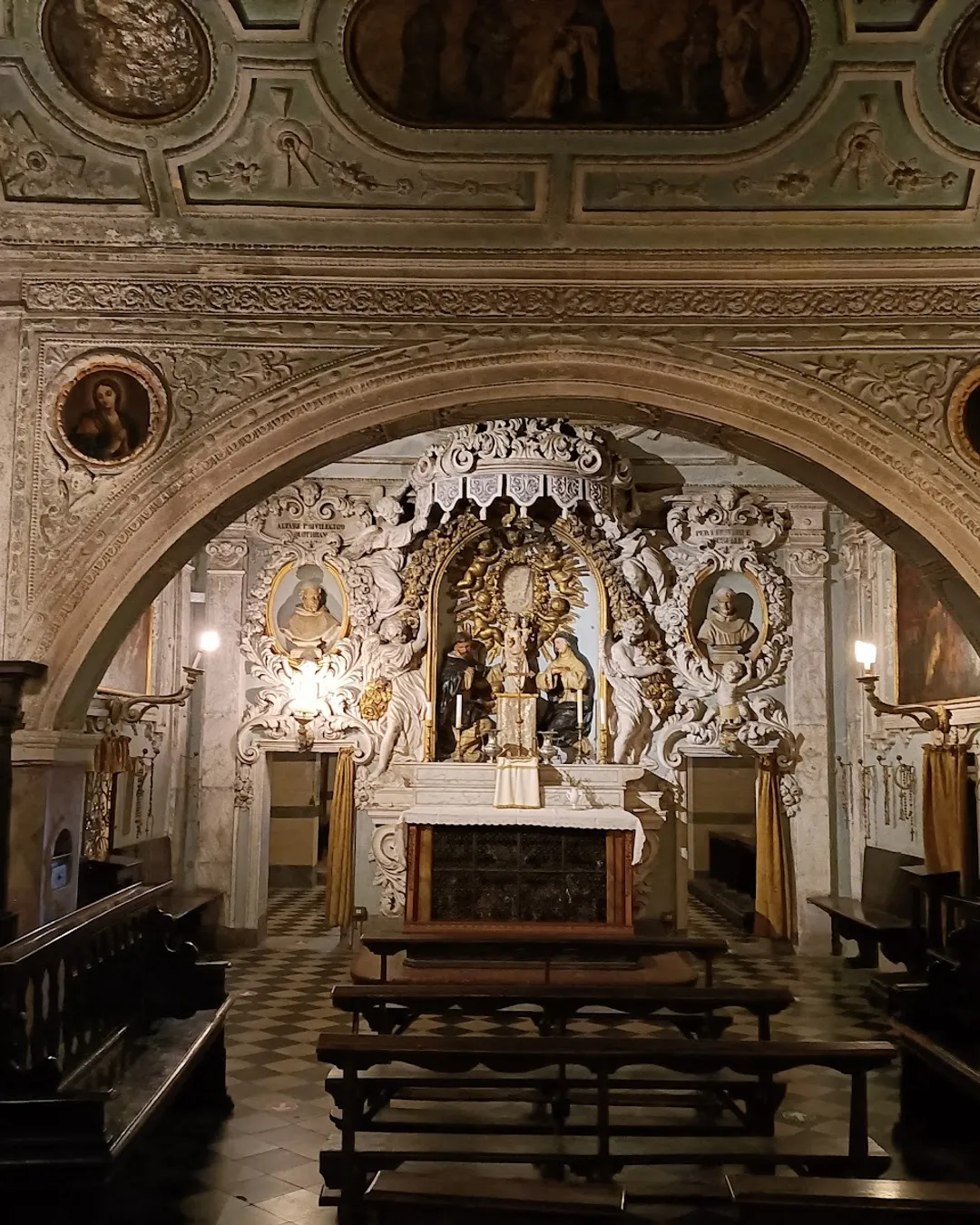
Below the main halls are storerooms, tunnels, and chapels.
Grain storage, wine, oil—this was a logistical machine as much as a charitable one.
It gives you a sense of how seriously Siena took public welfare.
Transformation into a museum
The hospital remained active until the late 20th century.
Today it’s a vast museum complex hosting exhibitions, archaeology, sacred art, and cultural events.