The Essential Guide to Northern Italy — What to Know Before You Go
This guide covers what actually shapes your trip: fines, bookings, logistics, time-saving tips, and the best highlights in the region.

Sergio
Northern Italiy, Italy

This is a practical breakdown, not a postcard tour. It covers what actually shapes the quality of your trip: where you'll get fined, what you need to book in advance, how to save a day, and where to go for the views people travel here for.
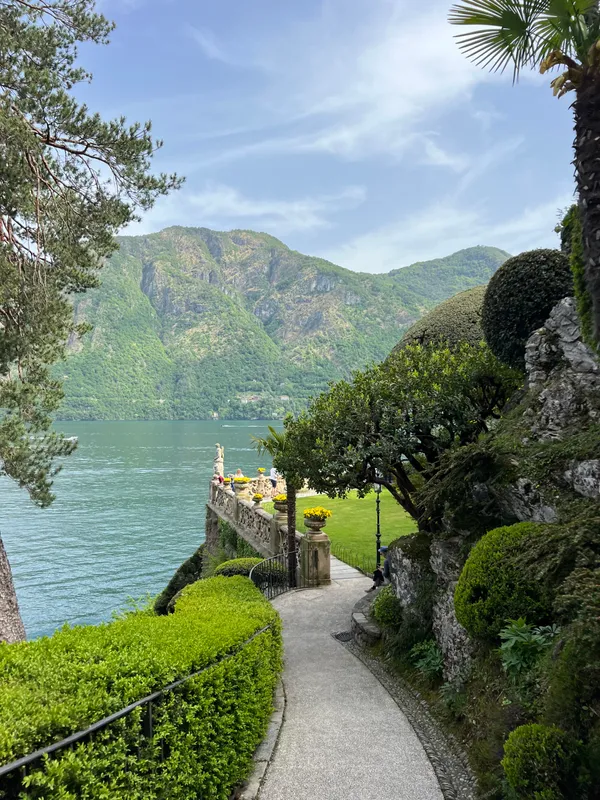
Table of Contents
Why Northern Italy is Three Different Trips
When to Go
Logistics: Airports, Car Rental, ZTL Zones
Lake Como
Lake Garda
The Dolomites: Access Rules and Key Locations
Useful Apps
Common Mistakes Travelers Make
Suggested 8–10 Day Itinerary
Why Northern Italy is Three Different Trips
People often try to "do Northern Italy" as a single destination, and that works — as long as you understand that Como, Garda, and the Dolomites solve very different problems.
Lake Como is about atmosphere: historic villas, ferries connecting villages, coffee by the water, narrow streets in Bellagio and Varenna. The pace is slow.
Lake Garda is about balance: the north (Riva, Malcesine) is mountains and active sports; the south (Sirmione, Desenzano) is beaches, thermal spas, and vineyards. Garda is versatile, which is why it works well for family trips.
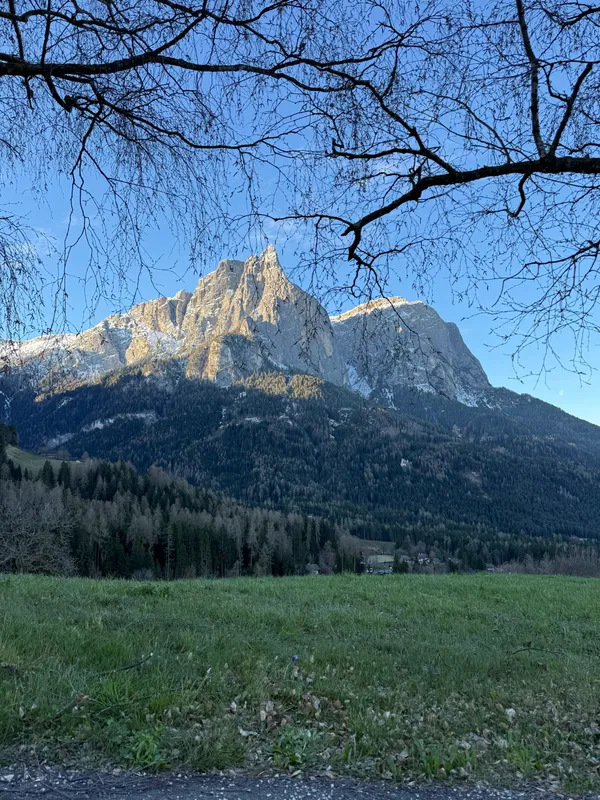
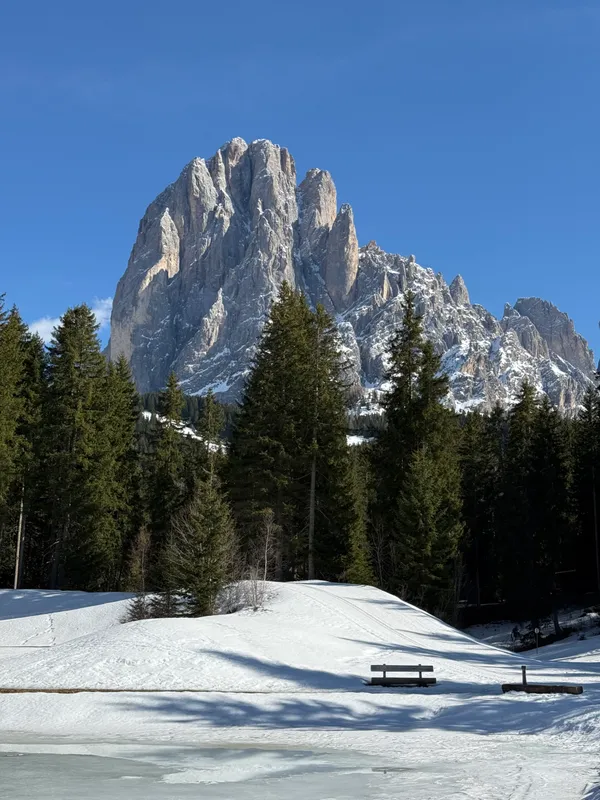
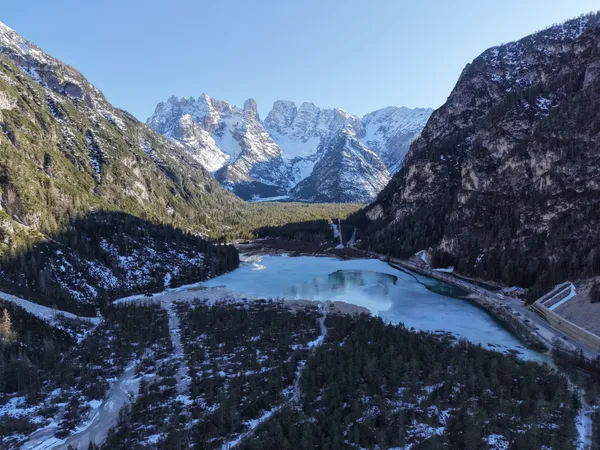
The Dolomites are about drama: vertical walls, turquoise lakes in stone bowls, mountain rifugios with views and food, switchback passes. The pace is active, and the best views demand sunrise starts.
The most rewarding format is to combine at least two regions. The full three works beautifully if you have 8+ days.
When to Go
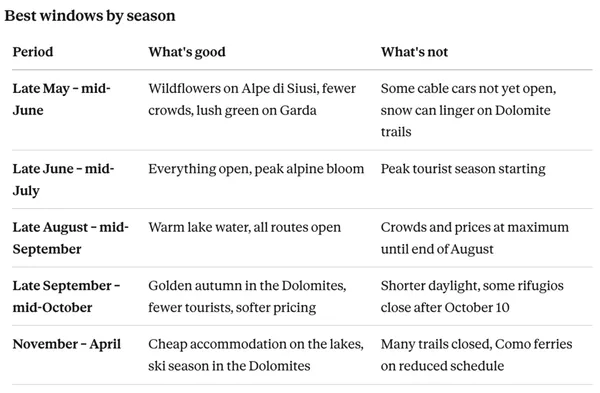
My take: early June or the last two weeks of September offer the best balance of weather, crowd levels, and pricing.
Logistics: Airports, Car Rental, ZTL Zones
Airports
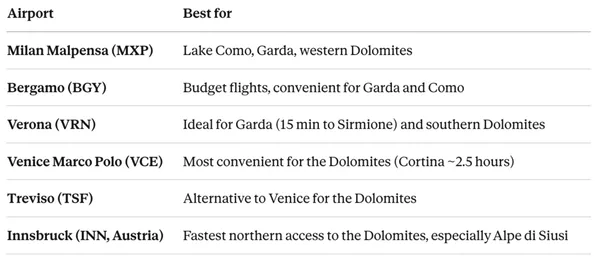
Pro tip: fly into one airport, out of another. For example: Venice → Cortina → Garda → Verona. This avoids a 500+ km return loop.
Renting a car — non-negotiable
Northern Italy without a car becomes a constant puzzle of buses and timetables. A car gives you:
flexible timing at viewpoints,
access to mountain passes and side valleys,
the ability to chase sunrise/sunset light,
independence from ferry schedules.
What you need to know:
An International Driving Permit (IDP) is required by Italian law (Article 135 of the Codice della Strada) for drivers from non-EU/EEA countries. The fine for not carrying one ranges from €408 to €1,634. Major rental agencies often don't ask, but the Carabinieri can — and your insurance may be voided after an accident if you're driving without one. More info from the U.S. Embassy in Italy.
Minimum age for rental is usually 21, with at least 1 year of driving experience.
Credit card in the driver's name is required for the deposit.
In winter (November–April) many areas in the Dolomites require either winter tires or chains in the trunk. Confirm with your rental agency.
Discover Cars — an aggregator that compares international and local rental companies. Free cancellation, transparent pricing, and usually cheaper than booking direct.
ZTL — the main source of fines for tourists
ZTL (Zona a Traffico Limitato) is a restricted traffic zone in historic city centers. Driving in without a permit means an automatic fine of €80–320 (cameras read your plate). Key points:
GPS doesn't warn you about ZTL zones. Google Maps and Apple Maps simply route you the shortest way.
The sign is a red circle reading "Zona Traffico Limitato."
If your hotel is inside a ZTL, ask them to register your license plate in the system. There's no physical pass — the camera simply recognizes your plate.
Sirmione, Verona, Bergamo, Bolzano and many other historic centers have ZTL zones with their own schedules.
Comprehensive database of Italian ZTL zones: urbanaccessregulations.eu.
Toll roads (Autostrade)
Most highways are tolled. You take a ticket at entry and pay by card or cash on exit. Telepass is the electronic option — some rental companies offer it as an add-on.
Speed limits
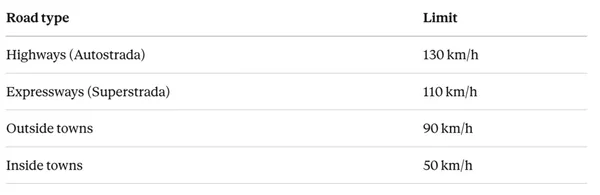
Speed cameras are common. Tickets reach you via the rental company plus a processing fee (around €25 extra).
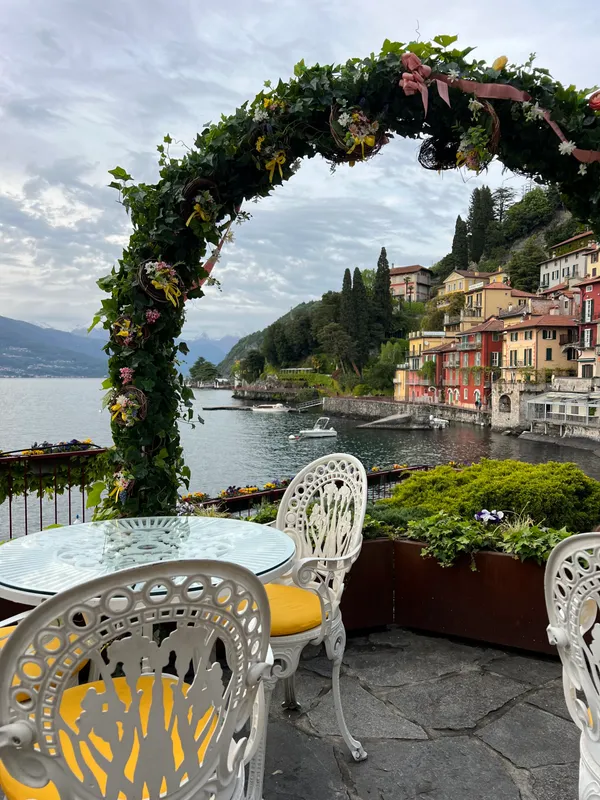
Lake Como
A Y-shaped lake about 50 km long. The best views and atmosphere are in the central area, where the three branches meet — the triangle of Bellagio – Varenna – Menaggio.
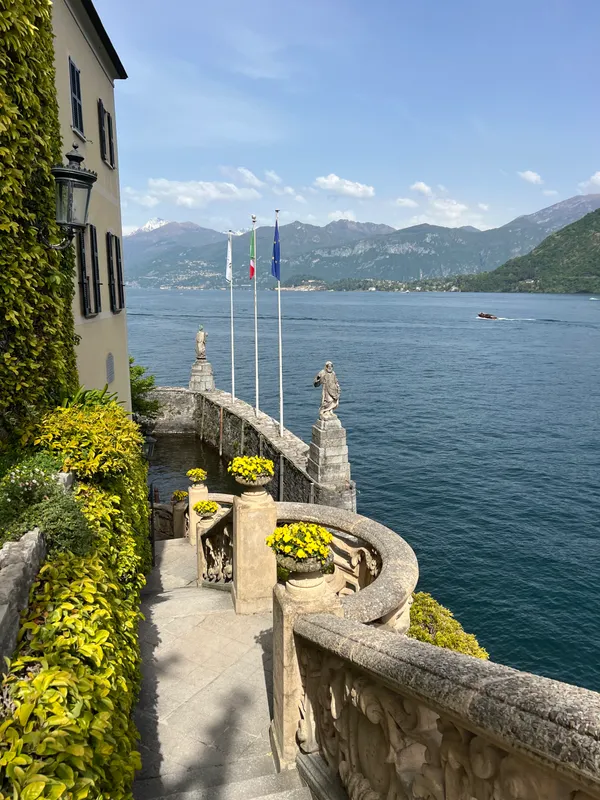
Where to base yourself
Bellagio. The most popular, in the heart of the lake. Atmospheric dinners with views. The most expensive option.
Varenna. The most photogenic village, with a direct train connection to Milan (the Milano–Tirano line stops here).
Menaggio. Less touristy, easier for cars, closer to Switzerland.
Lenno / Tremezzina. If your priority is Villa del Balbianello and the historic villas.
Como (city). Convenient transport hub but the views aren't the best part of the lake.
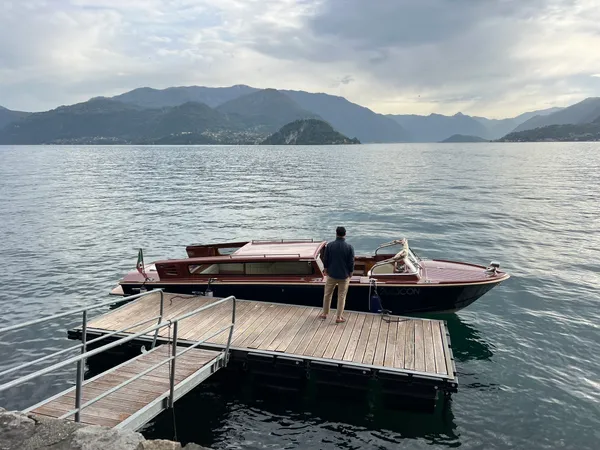
Navigazione Laghi ferries — the backbone of the lake
The official operator is Navigazione Laghi. Schedules change seasonally — the summer timetable usually publishes around June 1.
Boat types:
Battello — regular passenger ferry, slow (Como–Bellagio about 2 hours), many stops, around €10–12.
Aliscafo (SR) — fast hydrofoil (Como–Bellagio about 45 minutes), around €15–17 with the express surcharge.
Traghetto — car ferry between Bellagio – Varenna – Menaggio – Cadenabbia. The only way to get a vehicle across the lake.
Free Circulation Ticket — a day pass with unlimited transfers. The central zone pass is around €25–27. This is the best value if you plan to hop between villages.
Useful to know:
NaviTap contactless payment now works on regular routes — tap a bank card or digital wallet onboard.
Fast services (SR) still need a paper ticket.
A toll-free number for service updates (only from Italy): 800 551801
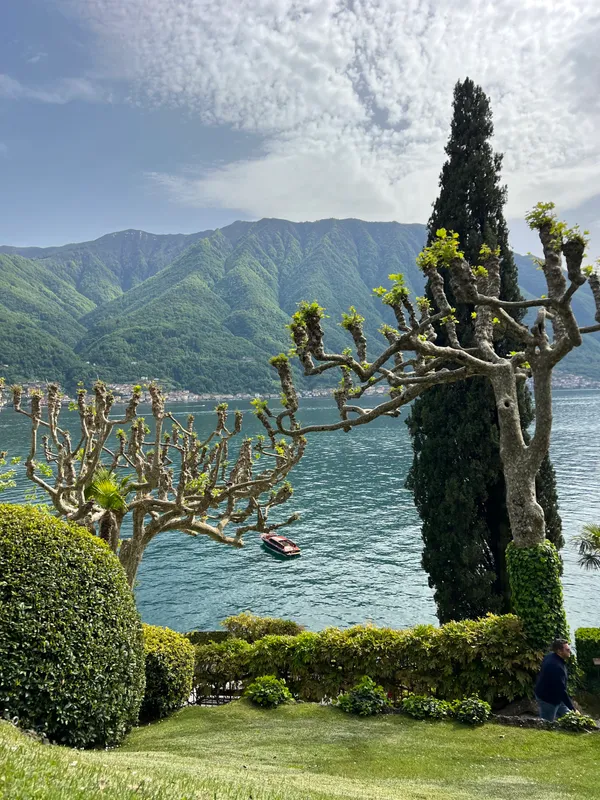
What to see
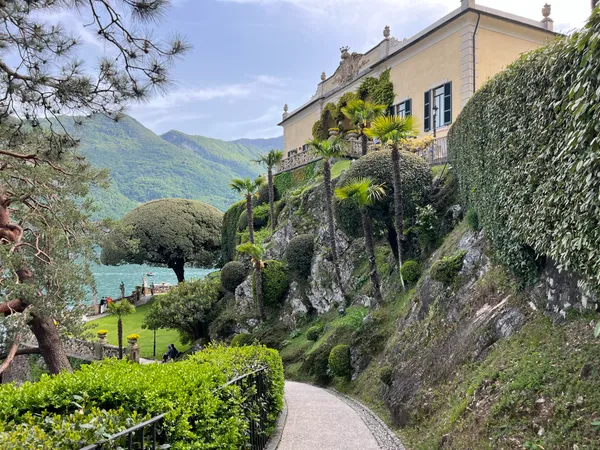
Villa del Balbianello — the lake's signature villa
On the Lavedo promontory near Lenno. The official FAI site is the only legitimate booking channel. Filming location for Star Wars: Episode II and Casino Royale.
Garden-only ticket (self-guided): around €13
Garden + interiors (45-minute guided tour): around €24
Closed: Mondays and non-holiday Wednesdays
Online booking strongly recommended — especially in high season. Interior tours sell out weeks in advance.
Getting there: park in Lenno, then either walk (1 km uphill, about 25 min, proper shoes required), or take a taxi-boat from Lido di Lenno (around €10 round-trip — and the best photo angles are from the water).
Villa Carlotta — for garden lovers
In Tremezzo. Official site. Famous for its botanical gardens, particularly stunning in spring (rhododendrons, azaleas).
I Giardini di Villa Melzi — in Bellagio
Official site. Smaller crowds than Balbianello, walkable from the center of Bellagio.
Nesso — atmospheric mountain village
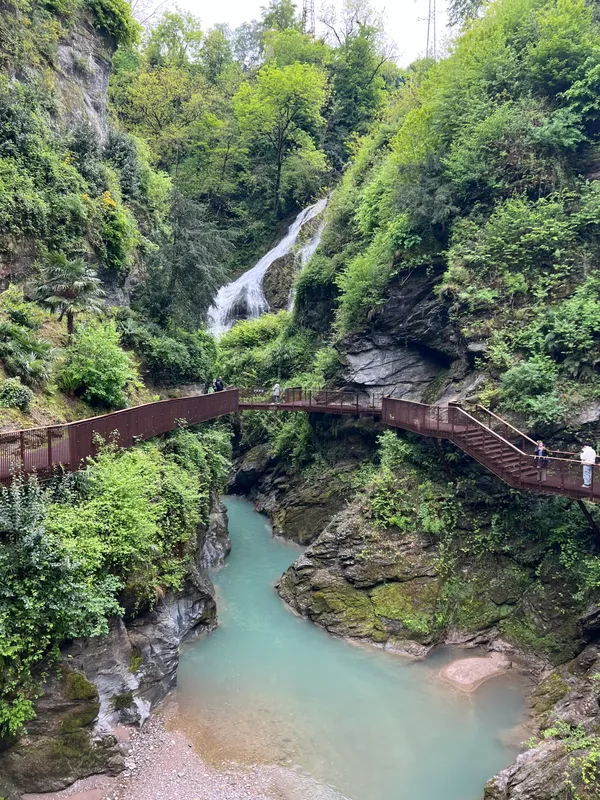
The famous Orrido di Nesso waterfall framed by medieval houses. Limited parking — arrive before 9 AM.
Como logistics hack
The most efficient day on the lake looks like this:
Buy a central-zone day pass in the morning.
Start from Varenna or Menaggio.
Hop the ferry to Bellagio for lunch.
Continue to Tremezzina — Villa Carlotta or Balbianello (with advance booking).
Return to base.
Lake Garda
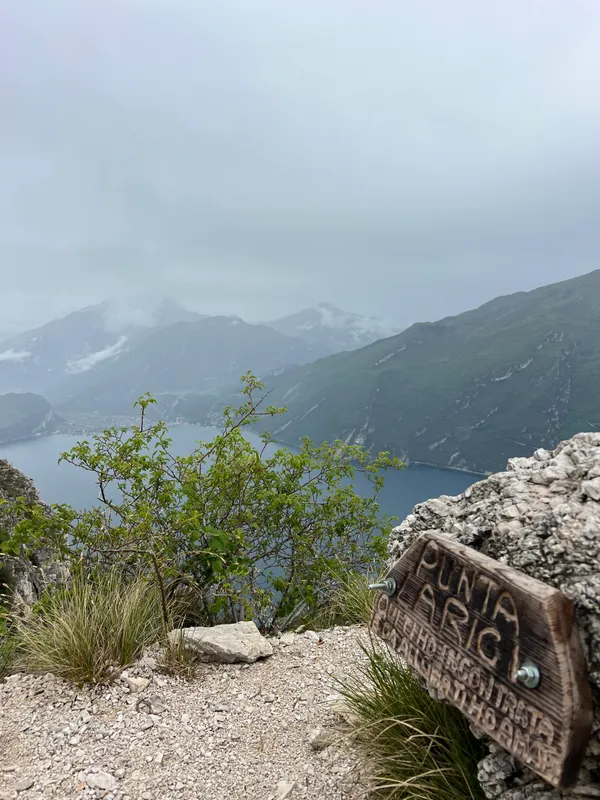
Italy's largest lake (370 km²). The geography splits into:
North (Trentino): Riva del Garda, Limone sul Garda, Malcesine — mountains, active sports, windsurfing, the Brenta Dolomites nearby.
South (Lombardy/Veneto): Sirmione, Desenzano, Bardolino, Lazise — beaches, thermal spas, vineyards, Gardaland.
Sirmione — the must-see anchor of the south
A narrow peninsula in the south crowned by a 13th-century Scaliger castle and Roman ruins (Grotte di Catullo).
Key points:
The entire historic center is a ZTL. Without your hotel registering your plate, you cannot drive in.
Parking: Parcheggio Monte Baldo is the main lot (around €2–3/hour, €20–25 daily). Parcheggio Grifo is the alternative.
Free overflow: further south near Colombare di Sirmione, about a 1.5 km walk to the castle bridge.
In summer, on Sundays and holidays from 14:00 to 19:00, the historic center becomes fully pedestrianized.
Tip: arrive before 9 AM or after 4 PM. Lots near the center fill up by 10–11 AM.
Scaliger Castle — entry around €6.
Malcesine + Monte Baldo
The Malcesine – Monte Baldo cable car is Italy's only rotating cable car. It climbs to 1,760 m in 10 minutes with views over the entire lake. Round-trip ticket around €22.
Riva del Garda — for the active set
Framed by cliffs up to 2,000 m on the north. From here:
The nearby Cascata del Varone waterfall.
Cima Capi via ferrata.
The hidden Lago di Tenno — incredible turquoise color, 20 minutes by car.
Starting point for the road into the Brenta Dolomites.
Limone sul Garda — for lemon groves and walking views
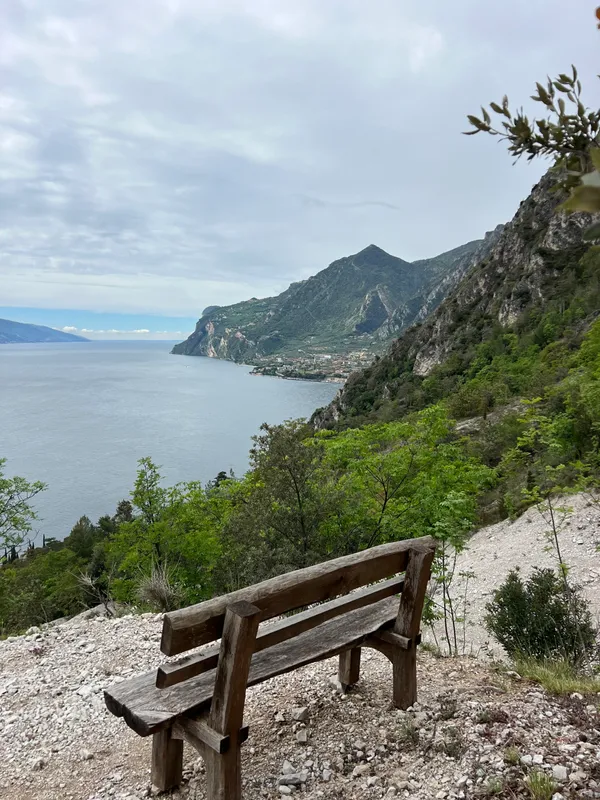
The famous Ciclopista del Garda — a cycling and walking path cantilevered directly over the water. Photogenic like few places in Italy.
What's important to know about Garda overall
Garda has a separate ferry operator from Como (also Navigazione Laghi but with its own website and schedule).
The Maderno – Torri del Benaco car ferry is the only way to cross the lake by car in the central section. Lines can stretch to 30–60 minutes in high season.
Best beaches: Jamaica Beach (Sirmione, by the Catullus ruins — flat stone slabs, not sand), Punta San Vigilio, Spiaggia di Limone.
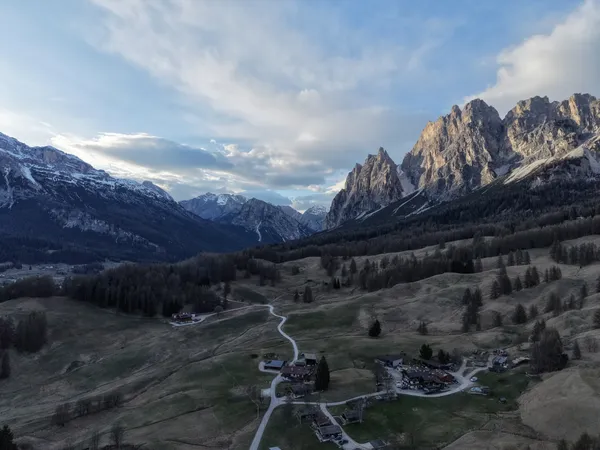
The Dolomites: Access Rules and Key Locations
The Dolomites are a UNESCO World Heritage site, and overtourism has led to strict access regulation. Without advance bookings you'll either not get in or lose a day to traffic. Rules tighten every year — always check current regulations before traveling.
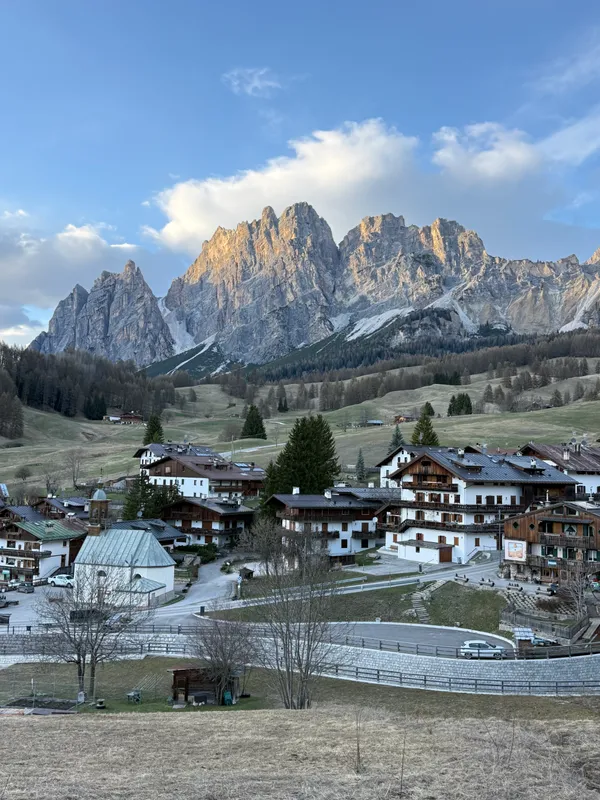
Choosing a base
The Dolomites aren't a single destination. Where you stay determines which locations are within reach.
Cortina d'Ampezzo. Best for Tre Cime, Cinque Torri, Lago di Sorapis, Passo Giau, Lago di Misurina. Most touristy and expensive.
Ortisei (St. Ulrich) / Val Gardena. Best for Seceda, Alpe di Siusi, Sassolungo, Val di Funes.
Selva di Val Gardena. Same as Ortisei, plus easy access to the Sella and Gardena passes.
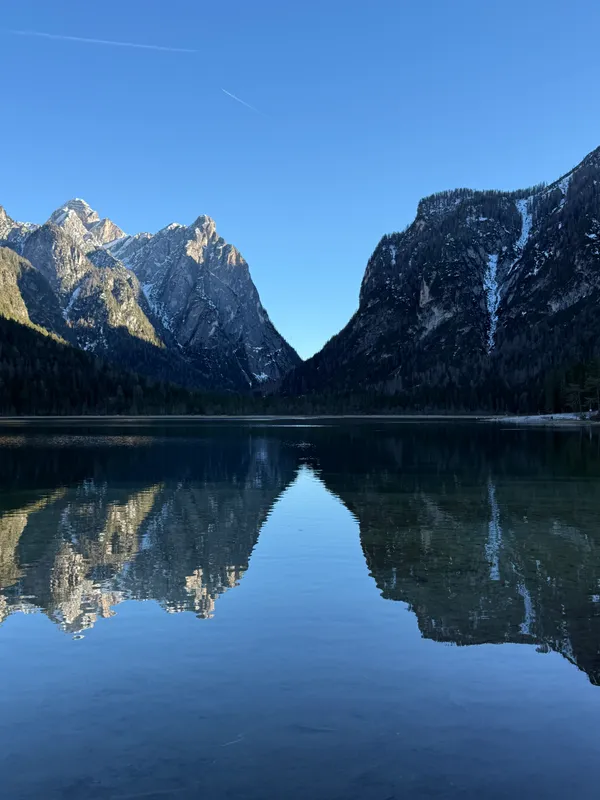
Toblach (Dobbiaco) / San Candido. Best for Lago di Braies, Tre Cime from the north, Val Pusteria. Quieter and cheaper.
Auronzo di Cadore. Budget-friendly alternative to Cortina.
Alleghe. Best for Civetta, Marmolada, Val di Zoldo.
Strategy: split your stay between the western Dolomites (Val Gardena) and the eastern (Cortina/Toblach) to avoid long daily transfers.
Tre Cime di Lavaredo (Drei Zinnen) — the symbol of the Dolomites
Three vertical stone towers. The most iconic Dolomite postcard. Access is via the paid toll road from Misurina to Rifugio Auronzo.
Access rules:
Mandatory online parking reservation through the municipality's official portal: pass.auronzo.info
Cost: approximately €40 per car (the fee was raised in recent years)
The ticket is valid for 12 hours from entry. If you plan to stay overnight in a rifugio, book two consecutive tickets.
The road is generally open late May to late October (subject to snow conditions)
Bookings open about a month ahead. Weekend slots and July–August fill within days.
Rental car tip: you can update the license plate on your booking up to the day before arrival.
Alternatives if you don't have a parking reservation:
Shuttle bus 444 from Toblach (online booking required): SüdtirolMobil
DolomitiBus 50/51 from Cortina via Misurina
On foot from Lago d'Antorno (free parking) — about 1.5 hours uphill on trail 101
From the north — out of Val Fiscalina via Rifugio Locatelli (long, technical option)
Distance: 11 km
Elevation gain: 475 m
Time: 2.5–5 hours
Difficulty: moderate
Iconic view: Rifugio Locatelli/Dreizinnenhütte — the only point with a clean view of the north face.
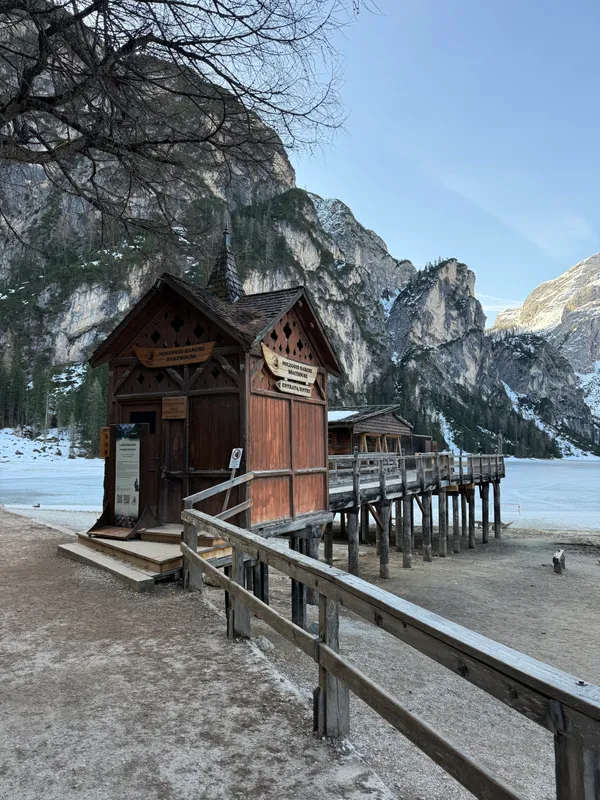
Lago di Braies ( Pragser Wildsee ) — turquoise lake in a stone bowl
The most photographed lake in the Dolomites. Famous for its wooden rowboats lined up at the historic boathouse.
Access rules:
In peak summer (typically July 1 to mid-September) — private vehicles are banned from the valley between roughly 9:30 and 16:00 unless they have an online parking reservation.
Before 9:30 and after 16:00 you can drive in freely.
P4 booking (the lot closest to the lake): lagodibraies.com. Prices vary by time slot.
P1 booking (5.5 km from the lake, includes shuttle): prags.bz — fixed daily rate, shuttle included.
Alternative: bus 442 from Dobbiaco/Niederdorf — also requires advance online booking during peak windows.
What's important:
Swimming is forbidden — protected nature reserve.
Drones are completely prohibited — Fanes-Sennes-Braies Nature Park.
Wooden rowboats: rentals are first-come, first-served. In peak hours, the line can stretch over an hour. No online booking.
Best time: sunrise (5:30–7:00 in June–July, 7:00–8:00 in September). No crowds, soft light, free road access.
Loop trail around the lake: about 3.5 km, an easy 1–1.5 hour walk. Part wooden boardwalk, part roots and rocks.
September and October bring autumn colors and noticeably fewer crowds.
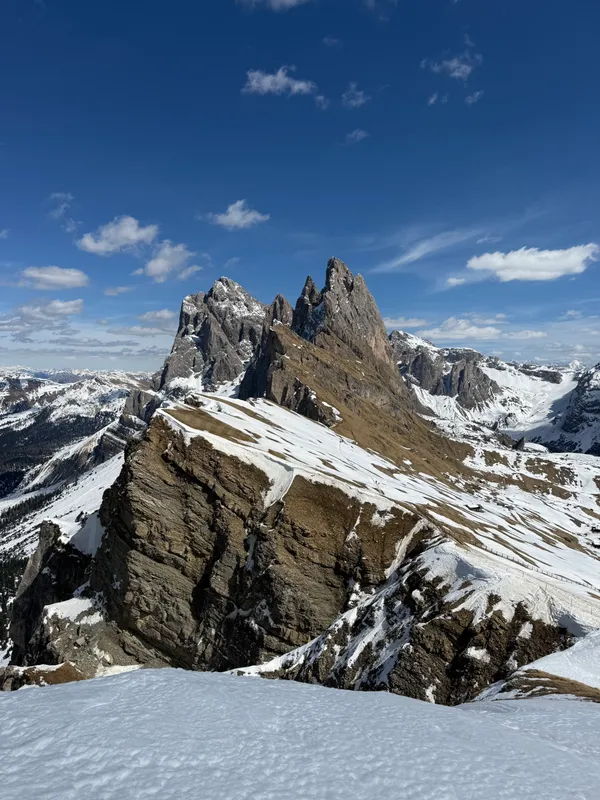
Seceda — the most recognizable panorama in the region
A jagged ridgeline above green alpine pasture at 2,519 m. Reached by a two-stage cable car: Ortisei → Furnes → Seceda.
Access rules:
Expect mandatory online time-slot bookings for cable car tickets in peak season (the system has tightened year over year). Limited tickets per slot.
Walk-up tickets are only available if online slots haven't sold out.
Pricing has risen sharply in recent years — check the official site directly: seceda.it
Operating season: late May to early November, daily roughly 8:30 to 17:30.
Parking in Ortisei is limited — arrive by public transport, or park near the lower station and walk 6 minutes via La Curta.
Routes:
Easy: cable car + 10–15 min walk to the famous viewpoint.
Loop via Rifugio Firenze: 3–4 hours, 500 m gain.
Long without cable car: from Santa Cristina or Selva via Col Raiser — 1.5–2 hours up, with a one-way cable car option.
Light tip:
In the morning the subject is backlit. The best photos are in the afternoon, when the sun lights the Odle/Geisler spires from the right angle.
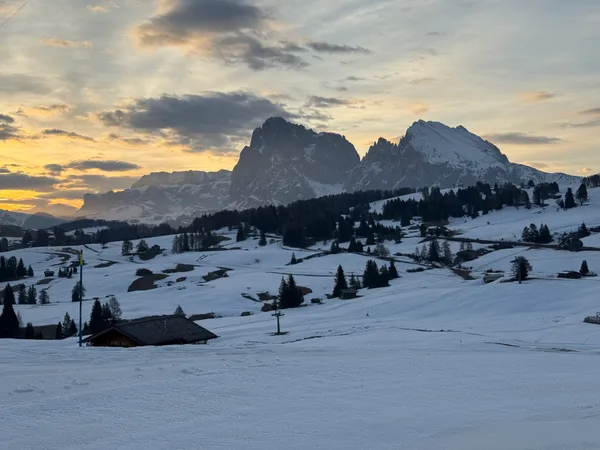
Alpe di Siusi (Seiser Alm) — Europe's largest high-alpine plateau
56 km² of green meadows at 2,000 m, framed by Sassolungo, Plattkofel, and Schlern.
Access rules:
The road to Compatsch is closed to private vehicles from 9:00 to 17:00 during the cable car operating season (roughly May to early November).
You can drive up before 9:00 or after 17:00, and drive down anytime.
Online parking reservations for P1 (Spitzbühl) and P2 (Compatsch) are increasingly required during peak windows. Official site: seiseralm.it
P2 Compatsch: approximately €30/day in high season, less in shoulder season.
P1 Spitzbühl: approximately €15/day, often cash-only.
Overnight parking is forbidden between 23:00 and 6:00 — barriers close. You can only catch sunrise on the plateau if you stay overnight.
On weekends, parking lots can close earlier than 9:00 if they reach capacity.
Alternatives:
Cable car from Seis am Schlern — 15 minutes to the plateau, free outdoor parking at the lower station (paid garage option).
Mont Sëuc cable car from Ortisei — about 10 minutes.
Best routes:
Bullaccia (Puflatsch) — easy loop along the plateau edge with views across to Seceda.
Sassolungo / Sassopiatto loop — long, spectacular, accessed from Compatsch.
Mountain rifugios — lunch with views, most are 1–2 hours on foot.
Bloom and color:
Mid-June to mid-July for peak wildflowers. September–October for grazing cattle, golden grasses, and softer light.
Cinque Torri — five towers and an open-air WWI museum
Five vertical stone pillars. Access via the Bai de Dones cable car from Passo Falzarego, or hike from Passo Giau.
Bai de Dones – Rifugio Scoiattoli cable car: around €18 round-trip.
Parking at the lower station — paid, usually available.
Loop around the towers: about 2 km, easy, with World War I trenches woven into the trail.
Add-on: hike to Rifugio Averau and Rifugio Nuvolau (4 km, +200 m) — one of the best lunch-with-a-view experiences in the Dolomites.
Passo Giau — the photographer's pass
Map. 2,236 m. A serpentine with 29 hairpin bends snaking past Mount Ra Gusela.
Parking at the top — free.
Main viewpoint: the hill above the parking lot (5 minutes walking).
Reflective pond of Ra Gusela — down the slope, a must-have for photographers.
Best for sunrise and sunset — open terrain, soft light from both directions.
Hike to Rifugio Averau and Cinque Torri — 4–5 hour loop.
Lago di Sorapis — turquoise lake below the glacier
Reached on foot from Passo Tre Croci near Cortina.
Distance: 12 km round-trip
Time: 3–5 hours
Difficulty: moderate, with a few narrow sections secured by cable
Parking at Passo Tre Croci fills by 8 AM in high season.
Alternative start — DolomitiBus from Cortina.
Swimming is not allowed (national park).
Cadini di Misurina — for those willing to walk
One of the most famous Instagram views in the Dolomites — a sharp stone amphitheater above the valley. Access is from Rifugio Auronzo (so you need the same Tre Cime reservation).
About 30–40 minutes from the parking lot via the Bonacossa trail (a section is cabled).
Stunning at sunrise; soft side-light at sunset.
Summary table — what to book in advance
Tre Cime di Lavaredo - Rifugio Auronzo parking (12 hours) - pass.auronzo.info
Lago di Braies - P4 or P1 + shuttlelagodibraies.com / prags.bz
Seceda - Cable car ticket with time slot - seceda.it
Alpe di Siusi - (P1/P2) Parking via official site - seiseralm.it
Val Gardena - cable cars - Online tickets in peak - seasonval-gardena.com
Useful Apps
Google Maps - Base navigation. Download offline maps for all of Northern Italy before you leave.
Komoot - Best for hiking in the Dolomites: tracks, elevation, reviews.
AllTrails - Komoot alternative — reviews, GPX downloads.
SüdtirolMobil - Official buses and cable cars of South Tyrol.
DolomitiBus - Buses for Belluno province (Cortina, Auronzo, Misurina).
Trenitalia - Italian rail, including the Milan–Tirano line that stops in Varenna.
Italo - Alternative high-speed rail operator.
Telepass - Electronic toll payment.
Windy - Pro weather forecast — critical for via ferrata and paragliding.
Meteoblue - Best mountain weather forecast (point-specific, by elevation).
PhotoPills - Sunrise/sunset and sun-azimuth calculations for photography.
PeakFinder - Identify peaks via your phone's compass — a must in the Dolomites.
Park4Night - Parking and pitches for camper-van travelers.
Google Translate - Download Italian offline. The north often speaks German and English, but villages don't always.
Common Mistakes Travelers Make
Traveling without a car. Northern Italy is structured so that without a vehicle you'll miss 40–50% of the worthwhile spots — especially in the Dolomites. Rental costs less than the days you'll lose to bus schedules.
Underestimating distances. Como to the Dolomites is about 350 km — a minimum of 4–5 hours of driving. Garda to the Dolomites is around 250 km. Build in transfer days.
Not booking parking and cable cars in advance. This is no longer optional in the Dolomites — Tre Cime, Lago di Braies, Alpe di Siusi, Seceda. Without a reservation, you either turn around or take a long detour.
Ignoring ZTL zones. A single fine of €80–320 wipes out your rental savings. Always read the signs at the entrance to any historic center.
Visiting in peak season (July–August). Prices double, crowds quintuple, parking lots fill within hours, hotels book six months out. If you have a choice — June or September.
Ignoring time of day. The best mountain light is in the first hour after sunrise and the last before sunset. The photogenic locations at noon are blown out and packed. Plan to wake up before sunrise at least 2–3 times during the trip.
Single-base trips. "We'll stay 5 days in Cortina and drive everywhere from there" usually means 6 hours in the car each day. Move bases.
No IDP. For non-EU citizens, this is required. Fines start at €408 and your insurance can be voided.
Waiting for a Garda car ferry on the weekend. The Maderno – Torri queue can run 60–90 minutes. Drive at 7 AM or after lunch.
All three regions in 4 days. This is a marathon without memories. The minimum for a real trip is 7–8 days.
Suggested 8–10 Day Itinerary
A route built around arrival in Milan or Bergamo and departure from Venice (or vice versa). Optimized for minimal transfers and maximum views.
Day 1 — Arrival + Lake Como
Land at MXP / BGY, pick up rental car
Drive to Varenna or Bellagio (about 1.5–2 hours)
Check in, dinner by the water
Day 2 — Lake Como
Buy a central-zone ferry day pass in the morning
Route: Varenna → Bellagio → Tremezzina (Villa del Balbianello, with prebooked entry) → return
Sunset on the Bellagio promenade
Day 3 — Transfer to Garda + Sirmione
Drive to Sirmione / Desenzano (~2.5 hours via Bergamo)
Park at Monte Baldo, visit the castle and Grotte di Catullo
Dinner in Sirmione or Lazise
Alternative: skip Sirmione and head straight to the north of Garda.
Day 4 — Northern Garda
Morning at Punta San Vigilio or Bardolino
Daytime: Riva del Garda + Cascata del Varone waterfall
Evening at Lago di Tenno (turquoise lake in the mountains)
Day 5 — Transfer to the Dolomites
Drive Riva del Garda → Bolzano → Ortisei (~3 hours)
Check in to Val Gardena (Ortisei or Selva)
Easy walk in the valley, acclimatization
Day 6 — Seceda + Val di Funes
Morning Seceda (online booking, time slot after 11 AM for the best light)
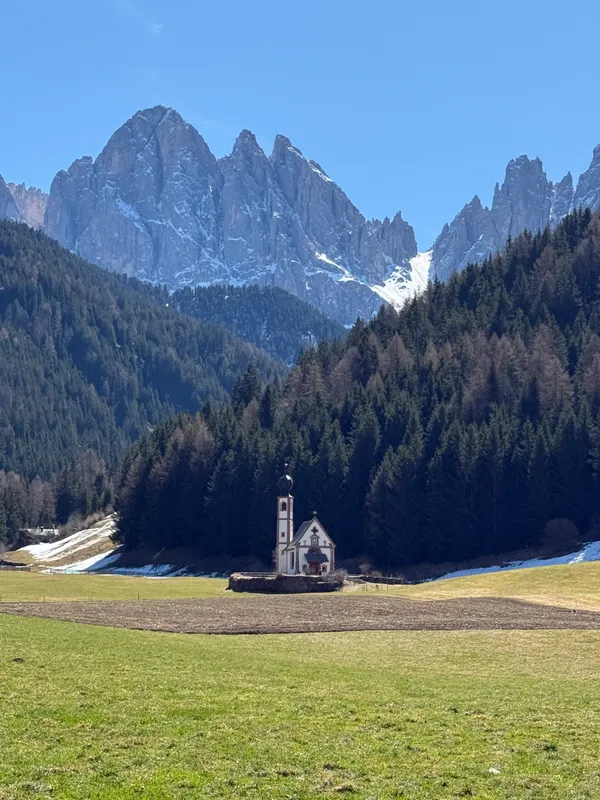
Afternoon: drive to Val di Funes, the Santa Maddalena church
Adolf-Munkel-Weg hike (optional)
Day 7 — Alpe di Siusi
Book P2 in advance or take the cable car from Seis
Day on the plateau: Bullaccia or Sassolungo route
Return to Ortisei
Day 8 — Transfer to Cortina + Lago di Braies
Morning drive over Sella Pass and Pordoi Pass (~3 hours with stops)
En route — stop at Lago di Braies (if before 9:30, no booking needed)
Check in to Cortina or Toblach
Day 9 — Tre Cime di Lavaredo
Book Rifugio Auronzo parking in advance
Full Tre Cime loop + Cadini di Misurina detour
Sunset at Lago di Misurina
Day 10 — Cinque Torri + Passo Giau, departure
Sunrise at Passo Giau
Cinque Torri + Rifugio Averau (lunch with a view)
Drive to Venice (~2.5 hours)
Pre-Trip Checklist
[ ] International Driving Permit (IDP)
[ ] Rental car booked
[ ] Tre Cime di Lavaredo — parking reservation (about a month ahead)
[ ] Lago di Braies — P4 or P1 reservation if visiting in the 9:30–16:00 window in peak summer
[ ] Seceda — online cable car ticket with time slot
[ ] Alpe di Siusi — P1/P2 reservation
[ ] Villa del Balbianello — FAI booking (especially the interior tour)
[ ] Travel insurance covering active sports.
[ ] Offline Google Maps for all of Northern Italy
[ ] Komoot / AllTrails — download tracks
[ ] Chargers + power bank (signal is unreliable on cable cars)
[ ] Layers (in the Dolomites it's +5°C in the morning and +25°C at noon)
Final Advice
Northern Italy forgives a lot — crowds, prices, surcharges — but it doesn't forgive lack of planning. Every major Dolomite location now operates on a reservation system; anything you don't book a month ahead may not be available. This isn't a flaw — it's how the mountains protect themselves from overload.
Build your plan around early hours, prebooked parking, and a car. Then, even in the busiest season, you'll get the Dolomites, Como, and Garda the way they appear in the guides — without lines of people and the stress of logistics.
Useful links:
Discover Cars — car rental
Booking.com — accommodations
GetYourGuide — tours and tickets for cable cars and villas
If this guide was useful, share it with someone planning Northern Italy. And follow @s.x.traveler for practical, no-postcard travel content.

Looking for things to do?
Go check out my guide for the best free things to do as well as itineraries and travel tips to make your trip unforgettable.