HOW TO BOOK THE BIG ATTRACTIONS🏛️
The essential first step to avoid sold-out tickets, long lines, and stressful itinerary mistakes in Rome.

Sara in Italy
Rome, Italy

Rome is one of the most beautiful cities in the world — but it is also one of the easiest cities to plan badly.
Many travelers arrive thinking they can simply “figure it out” once they get here. But in Rome, that can quickly mean sold-out tickets, long lines, overheated afternoons, unnecessary walking, and missed experiences.
Some attractions should be booked in advance, especially during spring, summer, weekends, holidays, and very busy tourism periods.
The golden rule is simple:
Book your non-negotiable attractions first — then build the rest of your Rome itinerary around them.
This is one of the biggest differences between a stressful Rome trip and a beautiful one.
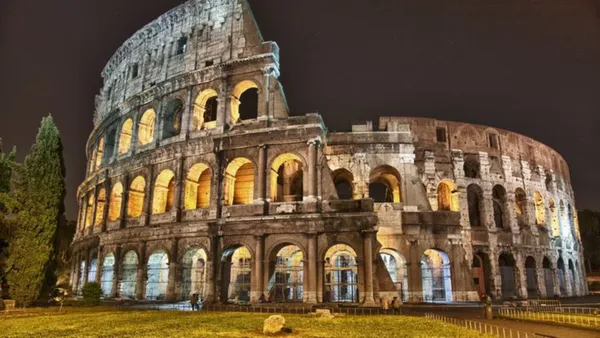
🏟️ The Colosseum, Roman Forum & Palatine Hill
Why book it:
The Colosseum is one of the most requested attractions in Rome. If this is your first time in the city, it is probably one of your non-negotiables.
The official Colosseum website lists the Colosseum as opening at 8:30 AM, while the Roman Forum–Palatine area opens at 9:00 AM. From 29 March to 30 September 2026, the Colosseum is open from 8:30 AM to 7:15 PM, with last admission at 6:15 PM. The site also lists free admission on the first Sunday of the month, 25 April, 2 June, and 4 November.
Official site to use:
Use the official Colosseum ticketing platform, connected to the Parco Archeologico del Colosseo. Avoid random-looking third-party sites unless you intentionally want a guided tour or extra service.
Best way to visit:
For most first-time visitors, I recommend booking the Colosseum in the morning, then visiting the Roman Forum and Palatine Hill before lunch or early afternoon.
Best nearby areas to combine:
After Ancient Rome, you can continue toward:
📍 Monti
📍 Capitoline Hill
📍 Piazza Venezia
📍 Via dei Fori Imperiali
📍 Trajan’s Market area
Sara’s tip:
Do not book the Colosseum at the hottest time of the day in summer. Ancient Rome is mostly outdoors, and the combination of sun, stone, queues, and crowds can be exhausting.
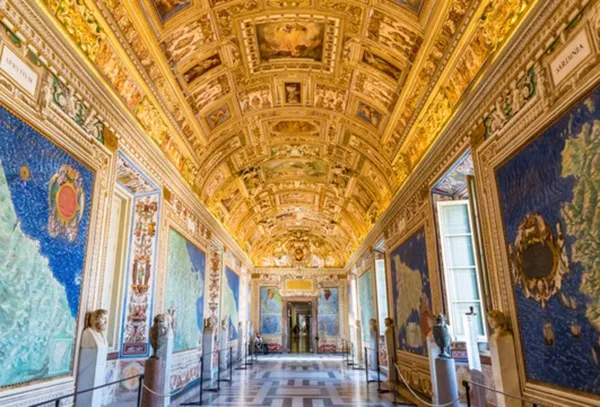
🎨 Vatican Museums & Sistine Chapel
Why book it:
The Vatican Museums are one of the most famous museum complexes in the world. They include the Sistine Chapel, which means demand is extremely high.
The Vatican Museums are generally open Monday to Saturday, from 8:00 AM to 8:00 PM, with final entry at 6:00 PM. Every last Sunday of the month, when it does not coincide with listed religious holidays, they open from 9:00 AM to 2:00 PM, with final entry at 12:30 PM, and entry is free.
The official Vatican Museums ticket page also states that the standard full entry ticket is €20 without online booking, while online booking adds a reservation fee.
Official site to use:
Use the official Vatican Museums website and ticketing platform. The Vatican Museums specifically warn visitors to avoid unofficial websites with similar domains that may charge much higher prices.
Best way to visit:
Book the earliest morning slot you can, especially if you want a calmer experience. The Vatican Museums can feel overwhelming later in the day.
Best nearby areas to combine:
📍 Sistine Chapel
📍 St. Peter’s Basilica
📍 Castel Sant’Angelo
📍 Borgo Pio
📍 Prati
Sara’s tip:
Do not plan the Vatican Museums as a “quick stop.” Even if you only want to see the highlights, the visit takes time, energy, and patience.
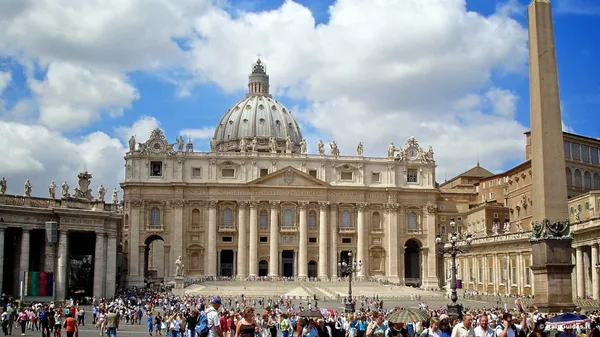
⛪ St. Peter’s Basilica
Why plan it:
St. Peter’s Basilica is free to enter, but “free” does not always mean easy. Security lines can be very long, especially during busy periods, weekends, religious celebrations, and after popular Vatican Museums time slots.
What to know:
You do not need a standard entry ticket for the Basilica itself, but you should still plan your timing carefully. If you want to visit the dome or take a guided tour, treat that as a separate experience.
Best way to visit:
Go early in the morning for a calmer experience, or plan it after the Vatican Museums if you are doing a full Vatican day.
Best nearby areas to combine:
📍 Vatican Museums
📍 Sistine Chapel
📍 St. Peter’s Square
📍 Castel Sant’Angelo
📍 Prati
Sara’s tip:
Dress respectfully. For major churches in Rome, shoulders and knees should generally be covered. A light scarf or cover-up can save your visit in summer.
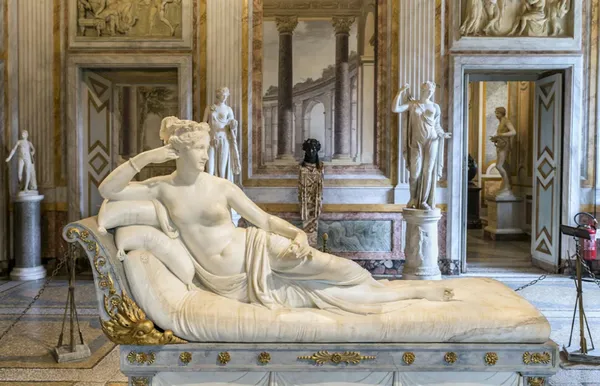
🖼️ Borghese Gallery
Why book it:
The Borghese Gallery is one of Rome’s most beautiful museums, but it has limited capacity and timed visits. This is not the kind of place you should leave to chance if you really want to go.
The official Borghese Gallery site states that the museum is open Tuesday to Sunday, from 9:00 AM to 7:00 PM, with last entrance at 5:45 PM. Reservations are obligatory, visits last two hours, and only 180 people can enter each shift.
Official site to use:
Use the official Galleria Borghese ticket office or phone reservation system listed by the museum.
Best way to visit:
Book a morning or late afternoon slot, then combine it with Villa Borghese and nearby viewpoints.
Best nearby areas to combine:
📍 Villa Borghese gardens
📍 Pincio Terrace
📍 Piazza del Popolo
📍 Spanish Steps
📍 Via Margutta
Sara’s tip:
The Borghese Gallery is perfect if you love Bernini, Caravaggio, Canova, Raphael, Titian, and elegant museum experiences. But because entries are limited, it should be booked before you finalize the rest of your day.
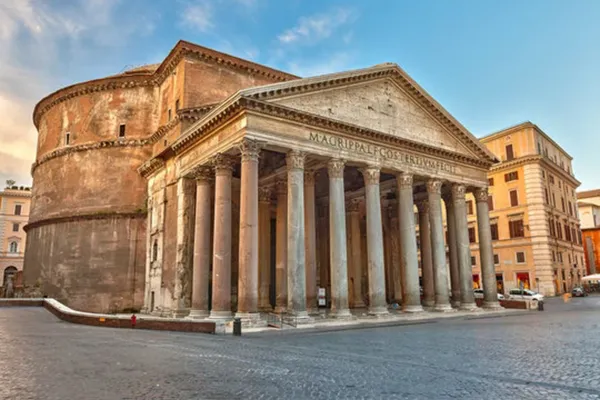
🕍 The Pantheon
Why plan it:
The Pantheon is located in the heart of Rome, so many travelers treat it as a spontaneous stop. But it is now a ticketed monument for standard tourist visits, and opening times can be affected by religious celebrations.
The official Pantheon page lists opening hours from 9:00 AM to 7:00 PM every day, with the ticket office open until 6:00 PM, last individual entry at 6:30 PM, and standard full price at €5. It also notes that opening hours may change during religious celebrations.
Official site to use:
Use the official museum/ticketing information connected to the Pantheon and the Italian Ministry of Culture.
Best way to visit:
Visit early in the morning or combine it with a smart Centro Storico walking route.
Best nearby areas to combine:
📍 Piazza Navona
📍 Campo de’ Fiori
📍 Trevi Fountain
📍 Spanish Steps
📍 Sant’Ivo alla Sapienza
📍 Largo di Torre Argentina
Sara’s tip:
The Pantheon is easy to include in your itinerary — but the order matters. If you combine it badly with other sights, you may waste time walking back and forth across the historic center.
🧭 The Real Mistake Most Travelers Make
Most travelers do not fail because they forget to book tickets.
They fail because they book attractions without understanding how Rome actually works.
Rome is not a checklist city.
It is a city of distances, neighborhoods, heat, hills, cobblestones, museum fatigue, restaurant timing, and emotional atmosphere.
For example, the Vatican, Colosseum, Pantheon, Trastevere, Villa Borghese, and Trevi Fountain are all “central” in a tourist’s mind — but they are not all close in a practical itinerary sense.
If you book:
❌ Vatican Museums in the morning
❌ Colosseum in the afternoon
❌ dinner in Trastevere
❌ Trevi Fountain somewhere in between
❌ and no real break
you may spend your day rushing, overheating, crossing the city repeatedly, and feeling like Rome is stressful.
But Rome is not stressful when it is planned well.
✨ The Smart Way to Plan Rome
A good Rome itinerary should be organized by areas, not random attractions.
Think like this:
🏛️ Ancient Rome Day
Colosseum · Roman Forum · Palatine Hill · Monti · Capitoline area
🎨 Vatican Day
Vatican Museums · Sistine Chapel · St. Peter’s Basilica · Castel Sant’Angelo · Prati
🕍 Historic Center Day
Pantheon · Piazza Navona · Campo de’ Fiori · Trevi Fountain · Spanish Steps
🌳 Villa Borghese Day
Borghese Gallery · Villa Borghese · Pincio Terrace · Piazza del Popolo
🍷 Atmospheric Rome Day
Trastevere · Jewish Quarter · Gianicolo · hidden churches · local food stops
This is why a complete Rome guide matters.
Not because you cannot find ticket websites online.
But because you need to know:
✔️ what to book
✔️ when to book it
✔️ what to combine it with
✔️ what to avoid
✔️ where to eat nearby
✔️ when to rest
✔️ how to avoid wasting time
✔️ how to make the day feel beautiful, not chaotic
💡 Sara’s Local Tip
Do not build your Rome trip only around what is famous.
Build it around:
⏰ timing
🚶 walking distance
☀️ heat
🎟️ ticket availability
🍝 food stops
🧘 energy
🌅 atmosphere
The same attraction can feel magical or exhausting depending on when you visit, what you do before, what you do after, and how much pressure you put on the day.
Rome rewards travelers who plan intelligently — but still leave space for beauty.
📌 Want the Full Rome Plan Already Organized for You?
This free tip gives you the most important rule: book the big attractions in advance.
But the real magic happens when everything is connected properly.
Inside my complete Rome guide, you will find curated itineraries, mapped routes, essential attractions, food stops, neighborhood tips, practical planning advice, and local insight to help you avoid the most common mistakes travelers make in Rome.
Instead of spending hours comparing blogs, TikToks, maps, reviews, and random recommendations, you can follow a clear, elegant, local-approved plan — and enjoy Rome with confidence.
Rome is too beautiful to experience in a rush.
Plan it well, and it becomes unforgettable.

247 things to do | 12 itineraries | 4 travel tips
Rome Without Regrets: The Ultimate Guide
Rome, Italy
Looking for things to do?
Go check out my guide for the best free things to do as well as itineraries and travel tips to make your trip unforgettable.
Go to Guide