Budget Guide and Expectations
What things cost - and how to think about your budget

Sigurd Haagensen
Tokyo, Japan

Japan is often described as expensive. That’s not entirely true.
Tokyo can be expensive - but it can also be surprisingly manageable if you understand where your money actually goes.
Compared to other parts of Asia, prices are higher here - but for the quality you get, it’s often worth it.
The goal isn’t to spend as little as possible. It’s to spend well.
Food
Food is one of the easiest places to balance your budget. You can eat very well without spending much - and when you do spend more, the quality usually reflects it.
Low
¥500–¥1,200 (€2.75-€6.5)
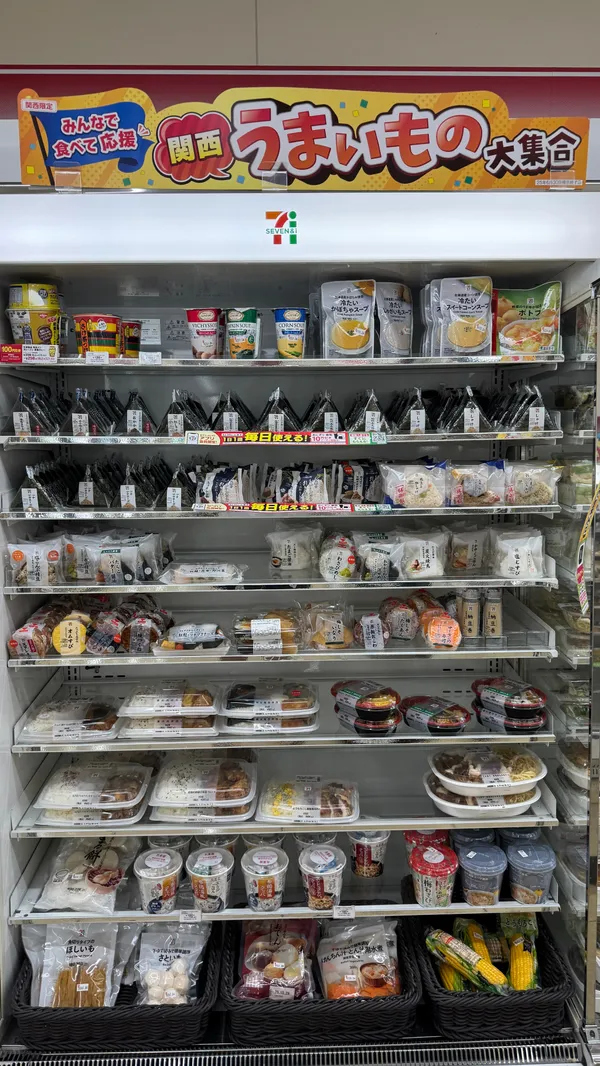
Simple meals, ramen, or convenience store options. Cheap doesn't mean low quality here. You can get surprisingly good meals from convenience stores like 7-Eleven, FamilyMart, Lawson etc. I've had plenty of them myself!
Pro tip: in the evening, many convenience stores put discounts on the
ready-to-eat meals, onigiri etc. So if you're looking for a very cheap dinner, this is one of the best options.
Mid
¥1,200–¥3,000 (€6.5-€16.5)
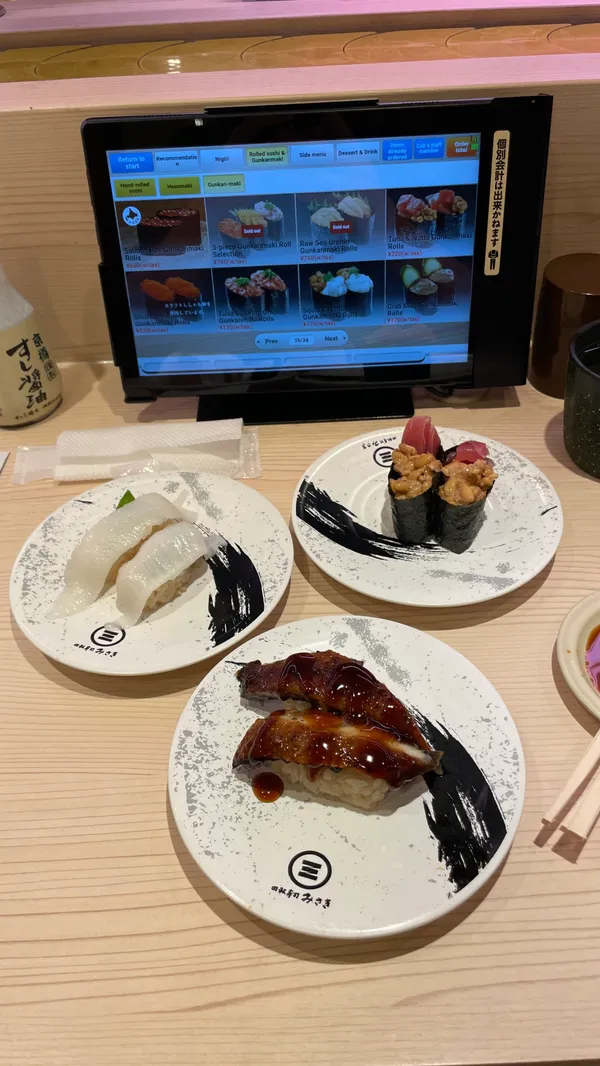
Casual restaurants, sushi, set meals.
This is where you'll probably spend most of your time. Great quality, good portions, and a wide range of options without thinking too much about price. From my experience, this is also the range you’ll often land in at places like Kura Sushi.
Upper Mid
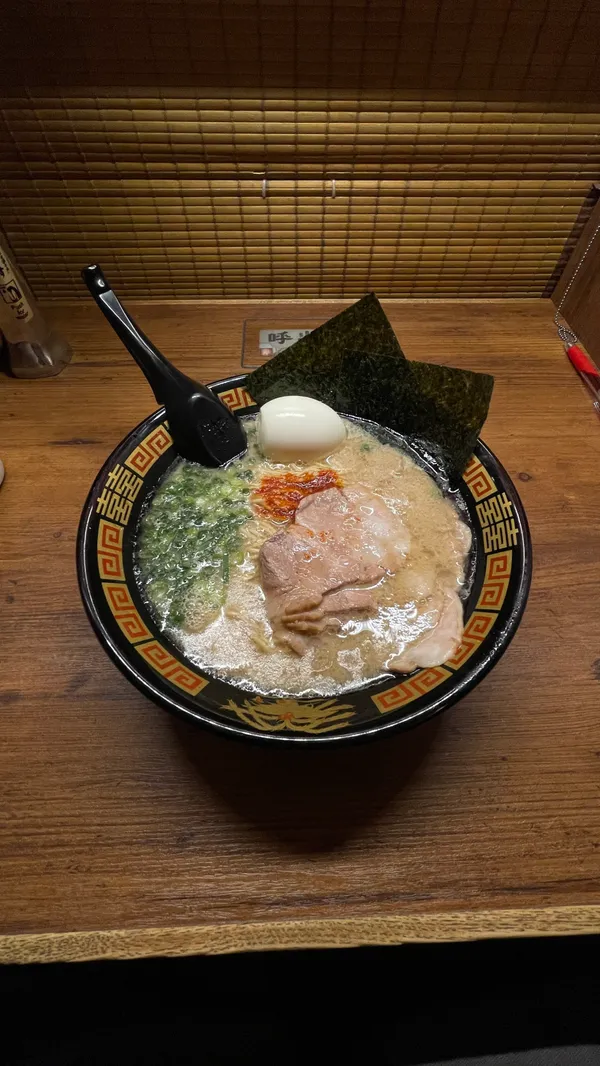
¥3,000-¥8,000 (€16.5-€43.5)
Better sushi spots, yakiniku, izakayas and more refined casual dining. This is where meals start to feel a bit more special, without being overly expensive. Great for evenings where you want something a bit nicer.
High
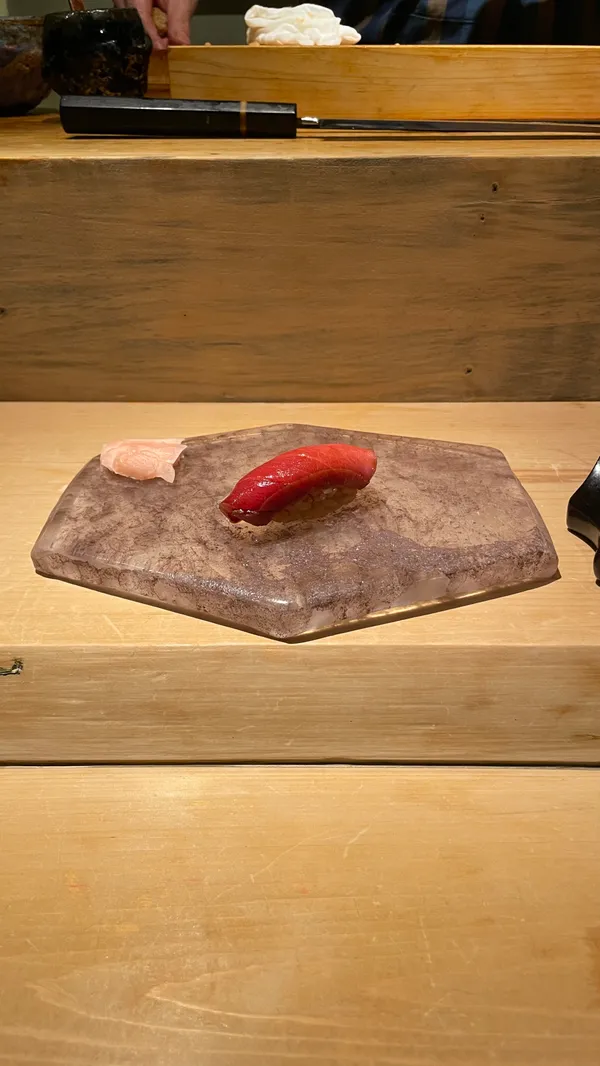
¥8,000+ (~ €45+)
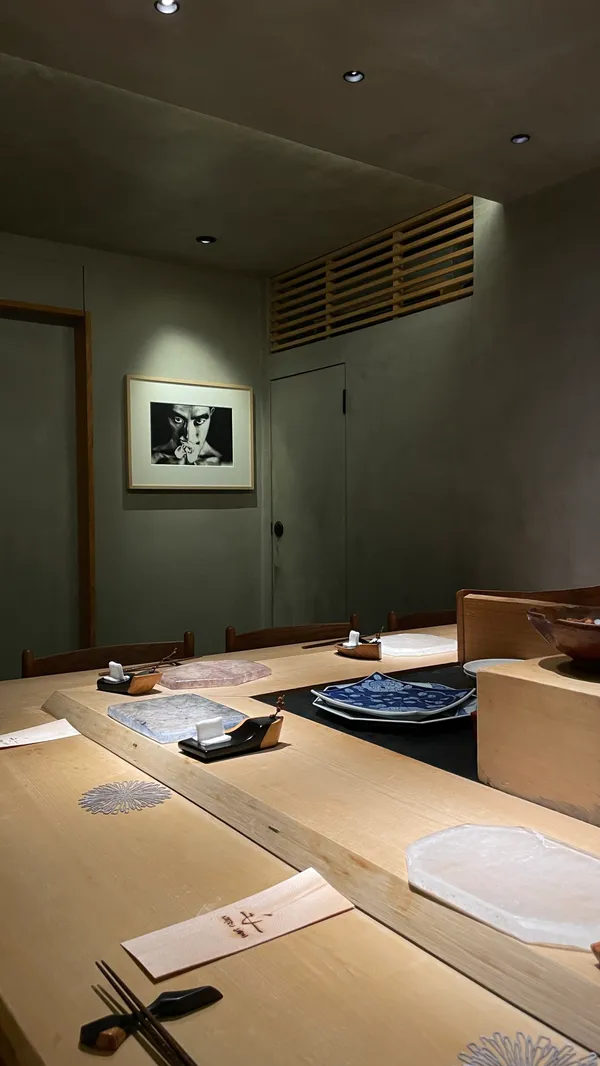
Omakase or more curated dining experiences.
This is where food becomes more of an experience. Worth doing at least once - if it fits your budget.
Transport
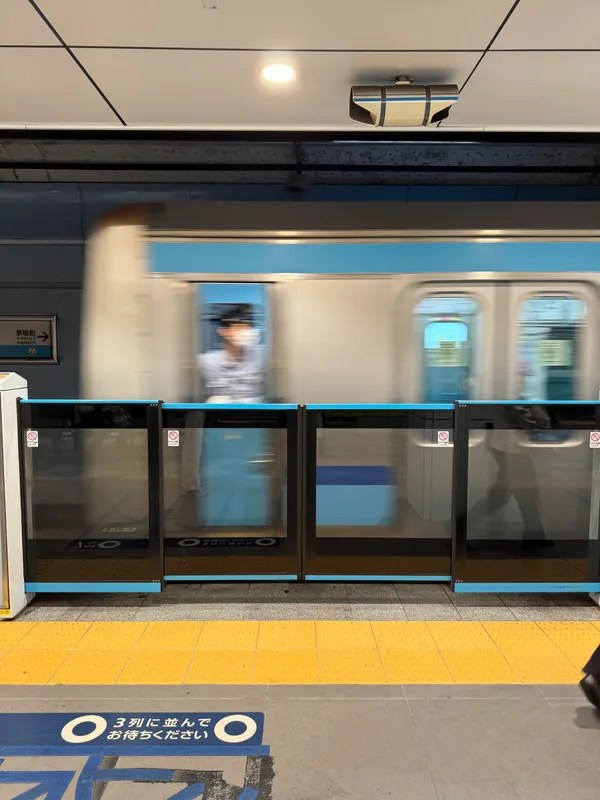
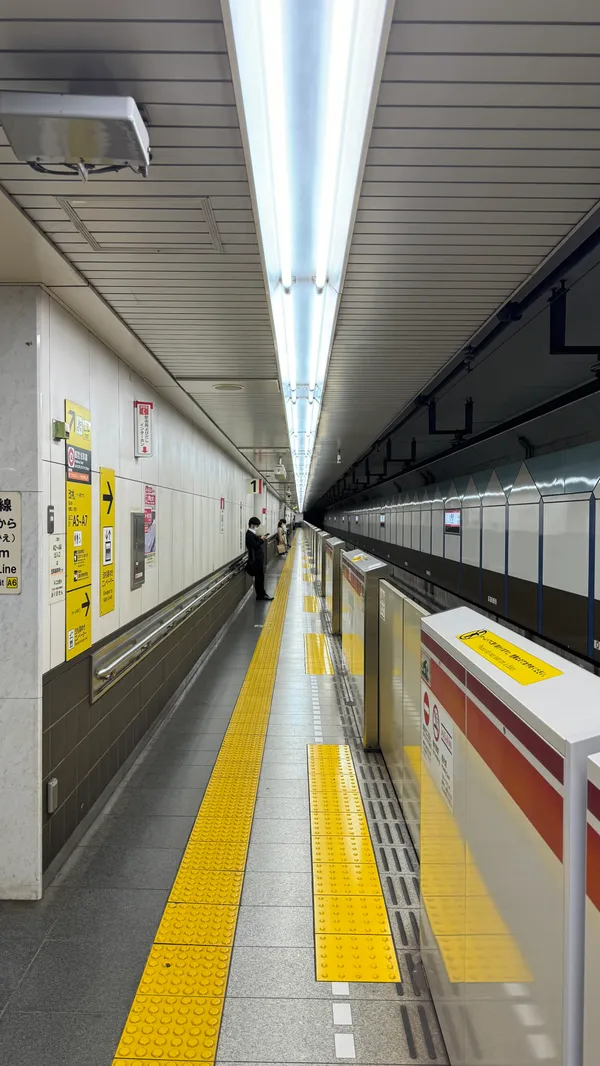
Tokyo is a big city, and you’ll rely on public transport almost every day.
Trains and metro are the easiest way to get around. They’re fast, reliable, and surprisingly simple once you get used to them. Even though I enjoy walking as much as possible, public transport quickly becomes part of your daily routine (especially towards the end of the day).
What to expect?
Single ride: ¥180-¥300 (€1-€1.65)
This depends on distance, but most short trips within central tokyo fall in this range.
Daily average: ¥500-¥600 (€2.75-€3.30)
When I've been in Japan I tend to walk a lot, and go exploring. So I usually don't spend that much on transportation daily.
Pro tip: If you're planning multiple stops in one day, a 24-hour metro pass can be worth it (¥800-¥1,200 - depending on which metro company you choose). Not always necessary, but useful on more active days.
Experiences
One of the best parts of Tokyo is experiencing the culture - whether that’s through temples, museums, or just exploring different parts of the city.
And the good thing is: not everything costs money.
Shrines & Temples
¥0
Most shrines and temples are completely free to visit. These are some of the most authentic and peaceful experiences you'll have in Tokyo - and they don't cost anything.
Museums
¥500-¥2,000 (€2.75-€11)
Tokyo has a wide range of museums, from traditional to modern. This is a very accessible price range, and you can easily include a few during your trip without thinking too much about cost.
For example:
Mori Art Museum - ¥1,600 admission fee for adults
Larger Attractions
¥3,000-¥4,000 (€16.5-€22)
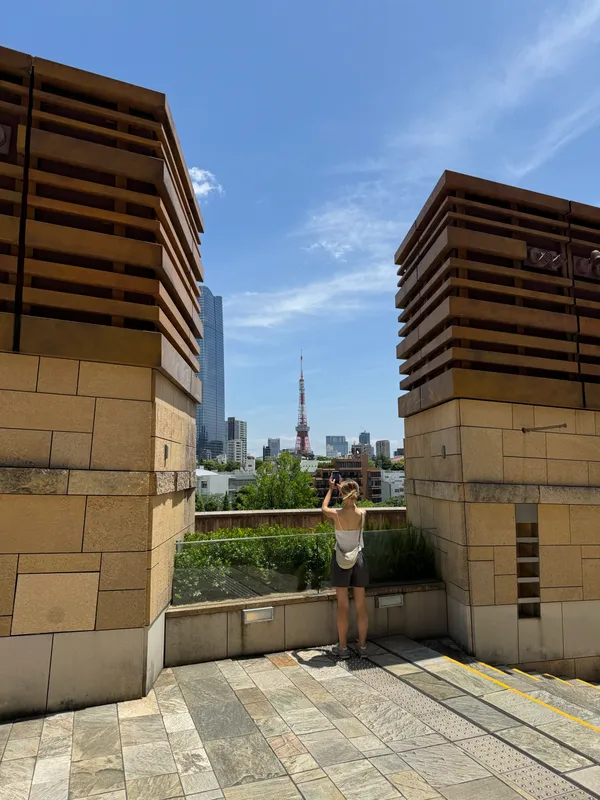
Places like TeamLab, Tokyo Tower, and similar experiences fall into this range.
These are more curated and often more visual experiences - worth doing if something catches your interest.
How to think about it
You don’t need to fill your days with paid attractions. Some of the best moments in Tokyo come from simply walking through neighbourhoods, finding small streets, and exploring without a plan. That's often where tokyo feels the most interesting.
Want to see more?
I have created curated maps, itineraries and more for travellers that want to travel like me.

Looking for things to do?
Go check out my guide for the best free things to do as well as itineraries and travel tips to make your trip unforgettable.