Japanese Etiquette
Understanding the culture makes everything smoother

Sigurd Haagensen
Tokyo, Japan

Japan is one of the most respectful and organised societies you’ll experience.
That doesn’t happen by accident. A lot of it is rooted in cultural values - especially those influenced by Shinto, Japan’s native belief system.
A note on Shinto
Shinto is not a religion in the traditional sense, but more a way of understanding the world. It focuses on purity, respect, and harmony - both with nature and with other people. This way of thinking influences everyday life in Japan:
Clean streets
Orderly behaviour
Respect for shared spaces
Attention to detail
You’ll notice it everywhere - even if it’s never explicitly explained.
Everyday behaviour
Because of this cultural foundation, small things matter:
People keep noise levels low in public spaces
There is a strong awareness of others
Movement tends to follow a natural order
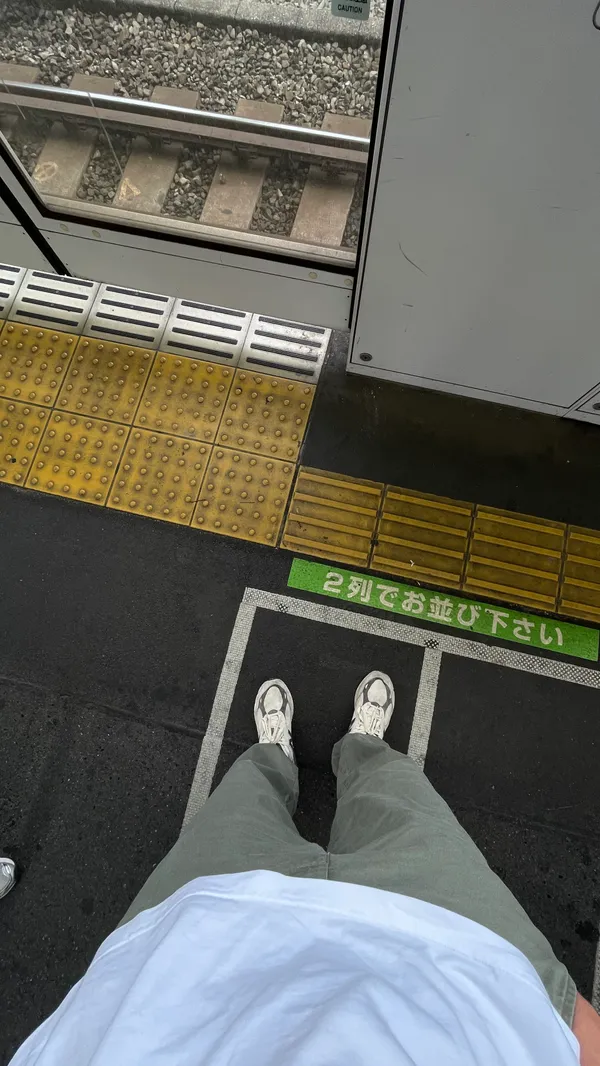
It’s less about rules, and more about mutual respect.
In restaurants
Dining in Japan is simple once you understand the system.
Tipping is not expected
Water is usually provided
Ordering is often done via machines or tablets
Everything is designed to be efficient and smooth.
Trash
One of the first things you’ll notice is the lack of public bins. People carry their trash with them until they find a place to dispose of it properly. It’s part of the shared responsibility mindset.
Useful phrases
You don’t need to speak Japanese, but small efforts are always appreciated.
Arigatou gozaimasu → Thank you
Sumimasen → Excuse me / Sorry
Konnichiwa → Hello
Kudasai → Please
Hai → Yes
iie → No
Even just a few words go a long way. You don’t need to be perfect. Just be aware, respectful, and observant. That’s more than enough.
Want to see more?
I have created curated maps, itineraries and more for travellers that want to travel like me.

Looking for things to do?
Go check out my guide for the best free things to do as well as itineraries and travel tips to make your trip unforgettable.