Welcome To Tokyo
Everything you need to understand Tokyo from the start

Sigurd Haagensen
Tokyo, Japan


Welcome To Tokyo
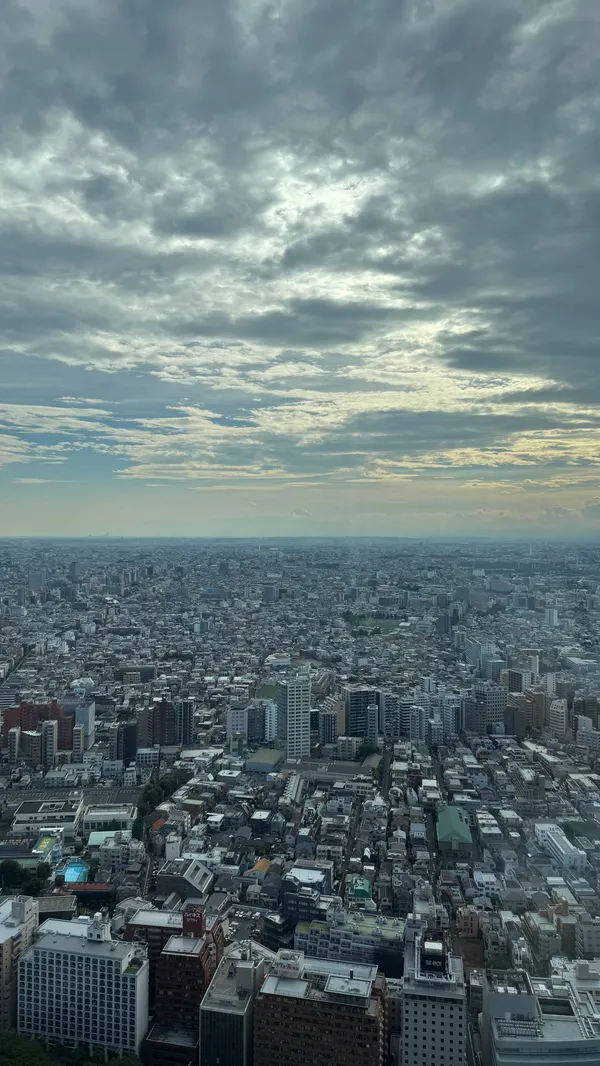
Tokyo is not just a city. It’s a world of its own.
With over 37 million people in the greater metropolitan area, it’s one of the largest cities in the world, yet also one of the most organised and safest.
Arriving for the first time can feel overwhelming. Screens everywhere. Train lines in every direction. Endless neighborhoods, each one feeling like its own city.
But Tokyo is easier than it looks.
Once you understand the structure; the areas, the transportation, and the culture - the city becomes surprisingly simple to navigate.
This guide is here to give you that clarity from the very beginning.
About Tokyo
Tokyo doesn't have one central downtown. Instead, it's made up of distinct neighbourhoods, each with its own atmosphere, pace and identity. Understantding this, is what makes the city click.
Tokyo Areas Explained
Here are the key areas to know:
Shibuya:
Young, energetic, and fast-paced. Known for shopping, street culture, and one of the busiest crossings in the world. A central hub with constant movement and a strong youth-driven atmosphere.
Shinjuku:
Skyscrapers, neon lights, and endless food spots. One of the most convenient areas to stay, with easy access to the rest of the city. A mix of business, nightlife, and everything in between.
Asakusa:
Slower, more traditional, and centered around historic temples. A calmer side of Tokyo, with a stronger connection to the city’s past.
Ginza:
Clean, polished, and upscale. Known for luxury shopping, wide streets, and some of the city’s best dining. Feels more refined and less chaotic than other areas.
Harajuku:
A hub for youth culture, fashion, and streetwear. Known for bold styles, independent brands, and trend-driven shopping. From Takeshita Street to smaller side streets, this is where a lot of Tokyo’s fashion identity is shaped.
Roppongi:
More international and nightlife-focused. Known for bars, clubs, and a slightly more upscale evening scene. Also home to places like Mori Tower and modern art spaces.
Ikebukuro:
Busy, local, and slightly less touristy. A major transport hub with shopping, entertainment, and a more everyday Tokyo feel. Often a bit more affordable than central areas like Shibuya and Shinjuku.
Each area feels like its own small city - and that’s part of what makes Tokyo so unique.
Where To Stay
For your first time in Tokyo, location matters more than anything else.
These are the best areas to consider in my opinion:
Shibuya:
If you want to be in the middle of the energy, with everything close by.
Shinjuku:
The most convenient base. Easy transport, endless food options, and a mix of calm and nightlife.
Asakusa:
A quite and more traditional option, with a slower pace.
If you can't find a place to stay in these exact areas, don't worry. Tokyo's transport system is extremely efficient. As long as you stay near a station, getting around is easy.
Best Time To Visit
Tokyo works year-round, but some seasons stand out more than others.
Spring (March-May)
One of the most popular times to visit. The weather is mild, and the city comes alive with cherry blossoms, usually peaking from late March to early April. It’s also one of the busiest and most expensive periods.
Summer (June–August)
Hot, humid, and intense. Temperatures can get high, but the city is full of festivals, fireworks, and energy. June also brings the rainy season.
Fall (September–November)
Cooler, more comfortable weather and fewer crowds. The city shifts into warm colors, and it’s one of the easiest times to explore Tokyo at your own pace.
Winter (December–February)
Cold but clear. Fewer tourists, lower prices, and a quieter version of the city. A good option if you don’t mind cooler weather.
Tokyo is an amazing city to visit no matter the season - there's always something to experience. If you want the best balance of weather and atmosphere, spring and fall are the strongest options.
Personally, my all-time favourite time to visit is in September!

Looking for things to do?
Go check out my guide for the best free things to do as well as itineraries and travel tips to make your trip unforgettable.