How to Onsen: Your Guide to Japan's Hot Spring Culture
Master the ritual, discover the bone-deep relaxation, and find the best onsen experiences across Japan

Michael Minsky
Shikoku, Japan

When I first moved to Japan, I didn't get onsen. I'd gone a handful of times, felt awkward about the nudity, wasn't sure if I was doing things right, and honestly didn't see what all the fuss was about.
Then a few years ago, I visited a friend in Tomakomai, a coastal town in Hokkaido. We spent 10 days together, and there wasn't much to do. So we went to the onsen. Nine times in 10 days, across eight different places along the coast, inland by lakes, up in the mountains. That's when I got it.
Once you know what to do, onsen becomes one of the most relaxing experiences you can have in Japan. That deep, bone-level relaxation where your body feels like it's melting. The kind where you sleep like a baby afterwards. Now when I stay at a ryokan, even if there's a shower in my room, I'll often choose the public bath so I can onsen afterwards.
This guide will walk you through everything you need to know to feel confident at any onsen in Japan.
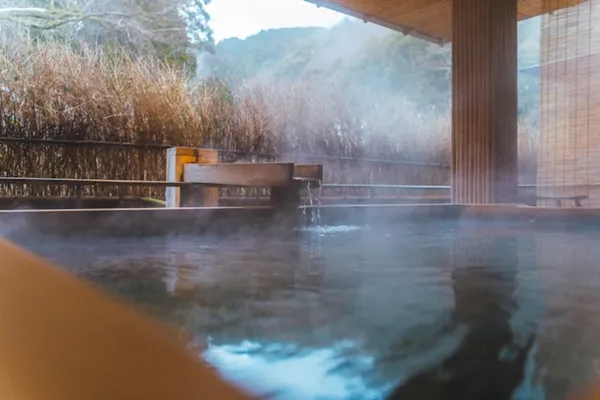
Understanding Different Types of Onsen
Before we get into the how, let's talk about what you might encounter.
Indoor baths are the standard. Usually several pools at different temperatures, all fed by natural hot spring water. These are where most people start because they feel more private and sheltered.
Rotenburo are outdoor baths, and they're where the magic really happens, and they're still sheltered and private. There's something about being in hot water while cold air hits your face, especially in winter. Mountains in the distance, maybe some snow falling. This is the experience people come back for.
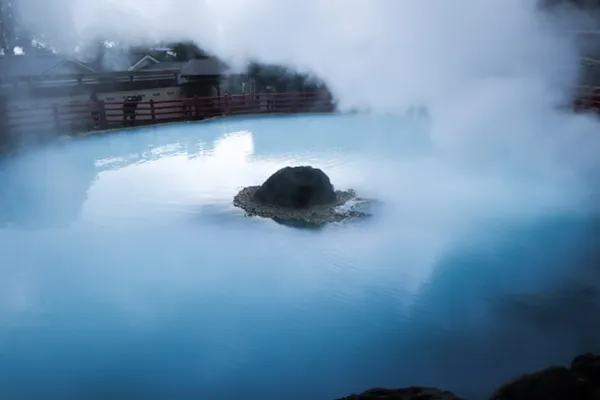
Different minerals mean different coloured water and different supposed health benefits. You'll see onsen proudly advertising their water composition. Some are milky white from sulphur, others rust-coloured from iron, some crystal clear. Places take real pride in their particular spring water.
Temperature variations matter more than you'd think. Most onsen have multiple pools ranging from pleasantly warm to "how is anyone sitting in this." Start with the cooler ones and work your way up. Your body will thank you.
Sauna and cold plunge combinations are increasingly common. If you're planning to hit the rotenburo in winter, do the cold plunge first. I absolutely hate cold plunges, but you've got to do it. The shock makes the outdoor air feel bearable, even pleasant. Skip this step and you'll be freezing.
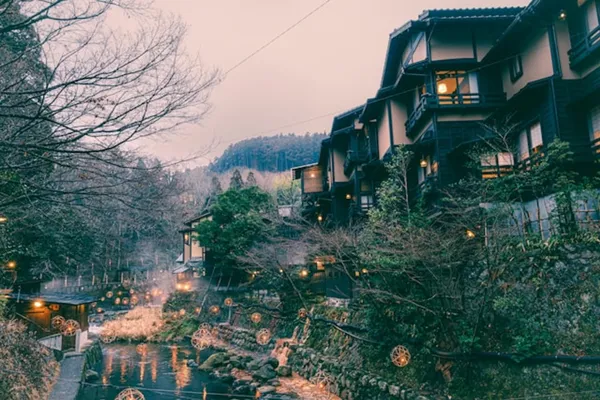
The Essential Pre-Bath Ritual
This is the bit people mess up. Getting this right is more important than anything else.
The washing station is where you must thoroughly wash yourself before entering any bath. You'll see low stools, handheld showerheads, and small buckets. Sit on a stool, get completely clean. Shampoo, soap, scrub. This isn't optional or a quick rinse. This is a proper shower. Only once you're completely clean do you enter the bath.
Small towel versus big towel. You'll might get a small washcloth-sized towel and a larger bath towel. The small one comes into the bathing area with you. The big one stays in the changing room or on a rack just outside the bath area. Never, ever put the big towel in the water.
What to do with your small towel while bathing. Most people fold it and place it on their head. This is both practical (keeps it dry-ish and out of the way) and quintessentially Japanese. You can also place it on the edge of the bath, but don't let it touch the water. It's used for modesty when walking between pools or to wipe your face, but it never goes in the bath water.
The locker system. Strip completely in the changing room, lock your clothes in the locker, and take your small towel with you into the bathing area. That's it. You're naked for everything that happens next.
In the Bath
Once you're clean and ready, here's what you need to know.
Start with the coolest pool and work your way to hotter temperatures. Your body needs time to adjust. Jumping straight into the hottest bath is uncomfortable at best, dangerous at worst.
How long to stay. About 10-15 minutes per soak is ideal. If you start feeling dizzy or too hot, get out. Take breaks between different pools. Serious onsen-goers will rotate between hot baths, cold plunges, and rest periods over an hour or more.
Moving between pools is expected. Nobody sits in one bath the entire time. Try different temperatures, check out the rotenburo if there is one, explore what's available. Just remember to rinse off with fresh water between very different bath types.
The small towel on your head is optional but recommended. It keeps the towel dry-ish and makes you look like you know what you're doing.
Rotenburo etiquette. The outdoor baths are often the most picturesque and peaceful. In winter, the cold air hitting your face while your body is in hot water is extraordinary. Just don't splash excessively or be loud. The whole point is tranquillity.
Stay hydrated. You're sweating more than you realize. Drink water before and after, and don't hesitate to take a break if you need one.
Navigating Nudity and Privacy
Let's address the elephant in the room.
Gender separation is standard across Japan. Men's and women's baths are completely separate, marked with 男 (men) and 女 (women) characters and usually different coloured curtains (blue for men, red for women).
The tattoo situation is evolving. Traditionally, tattoos are associated with yakuza and banned at most onsen. But this is changing, especially at places that see a lot of foreign visitors. Some onsen now allow tattoos, some ask you to cover them (bandages or wraps are the go-to for this), others still maintain the ban. When booking, check the policy. If you have tattoos and can't find information, ask directly.
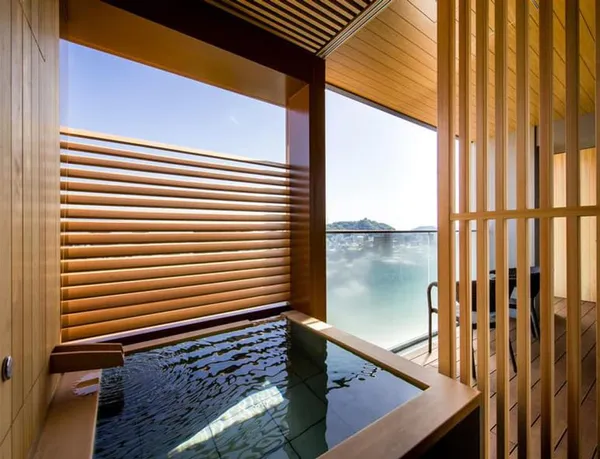
If you're not comfortable with nudity, you have options. Many ryokan offer kashikiri, private baths that you can book by the hour. You get the full onsen experience without anyone else around, so you can even wear a bathing suit if you're more comfortable. Some higher-end ryokan have private onsen attached to your room, though these come at a premium price.
Important note for traditional ryokan: Some more traditional places won't have a shower in your room at all. You'll be expected to use the onsen facilities for washing. If you're uncomfortable with communal nudity, check before booking that your room has a private shower.
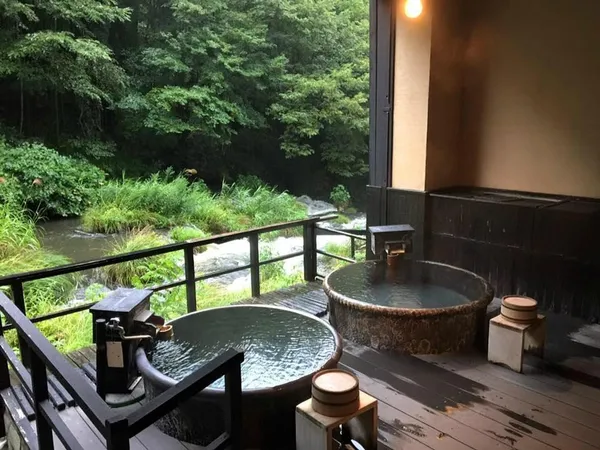
Practical Logistics
Bring or rent? Most onsen and ryokan provide the small towel. Some charge a small rental fee for towels if you're visiting a day-use onsen. Higher-end places include everything. Bring your own if you prefer, but it's rarely necessary.
What's provided varies. Most places have shampoo, conditioner, and body wash at the washing stations. Some budget onsen make you bring your own. Ryokan usually provide everything including hairdryers and basic toiletries in the changing room.
Day-use versus staying overnight. You can visit many onsen just for a few hours (day-use), usually for just a few hundred yen. Or you can stay at an onsen ryokan where bathing is included with your accommodation. Both are legitimate ways to experience onsen culture.
Photography is absolutely forbidden in any bathing area. Not just discouraged. Forbidden. Your phone stays in the locker. Don't try to sneak photos.
Quieter times are typically mid-afternoon on weekdays. Early morning and late evening get busier as people wake up or wind down their day. If you're staying at a ryokan, going late at night often means having the bath nearly to yourself.
The ryokan experience is worth spending some extra yen on. You get unlimited onsen access with all the amenities included. Most ryokan have booking plans, which will include both dinner and breakfast, and they usually serve some of the best seasonal specialties of the region. Many ryokan even have free treats, like ice cream, ramen or beer at certain times of the day.
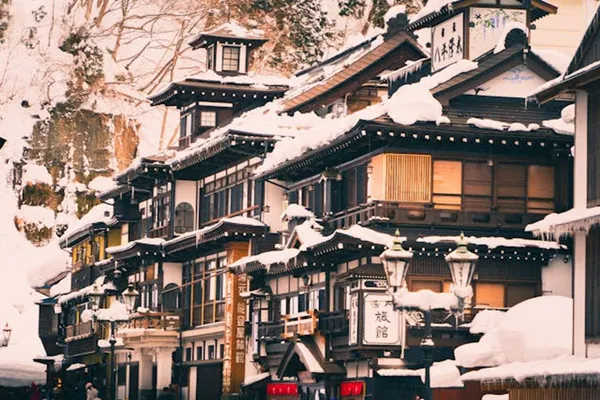
After the Onsen
This is when you really understand why people love onsen.
That relaxed, sleepy feeling is real and it's profound. Your body will feel loose, warm, heavy in the best possible way. Many people describe feeling like they're floating. This is the point. This is what we came for.
Hydrate immediately. Cold water, sports drinks, or cold milk (a popular Japanese post-onsen choice - maybe even chocolate or strawberry milk) all work. You've been sweating more than you realized.
Take your time getting dressed. There's no rush. This is part of the ritual. Many changing rooms have areas to sit, blow-dry your hair, and just be.
The one-towel goal. True onsen masters can manage the entire experience with just the small towel. It gets wet during bathing, but somehow they're still able to dry themselves completely at the end. This is a skill to aspire to, an art form really. You'll get there.
Post-onsen culture. If you're staying at a ryokan, you'll usually have a yukata (light cotton robe) in your room to wear. Feel free to wear it around the hotel, before and after onsen, or even to meals. Many places have a lounge area for post-onsen drinks or snacks. Cold beer, sake, or just sitting in your yukata feeling utterly relaxed is part of the experience.
My Favourite Onsen Experiences Across Japan
Marukoma Onsen, Hokkaido Right on the banks of Lake Shikotsu, this place has outdoor baths where you can almost dangle your feet over the lake edge while soaking. The rotenburo faces the water and mountains. It's remote, requires effort to reach, and is absolutely worth it.
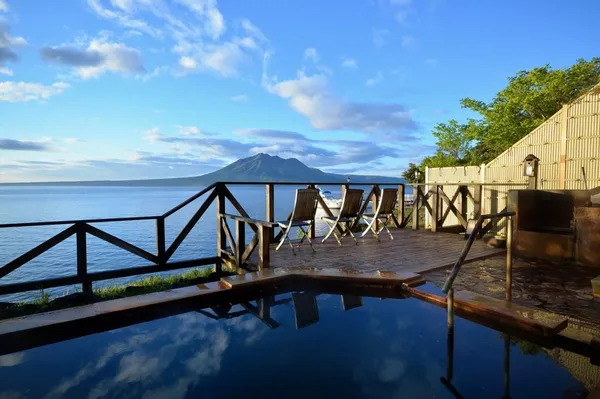
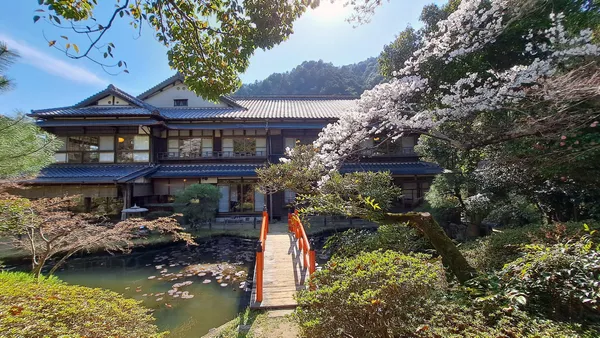
庄助の宿 瀧の湯 (Shosuke no Yado Takinoyu), Aizu, Fukushima This is old-school ryokan luxury. Multiple bath areas, incredible service, and the onsen water here is supposed to be particularly good for your skin. The building itself feels like stepping back in time, and it has some of the best cuisine I've had at any ryokan.
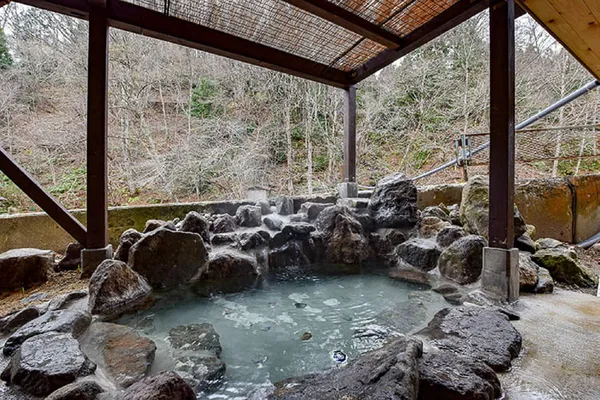
天見温泉 南天苑 (Amami Onsen Nantenen), Outside Osaka Easily accessible from Osaka but feels completely removed from city life. Super traditional atmosphere, yet they've made it genuinely easy for foreigners to navigate. They actually have more international than local visitors here, but the experience remains thoroughly authentic. The ryokan makes you feel welcomed rather than othered.
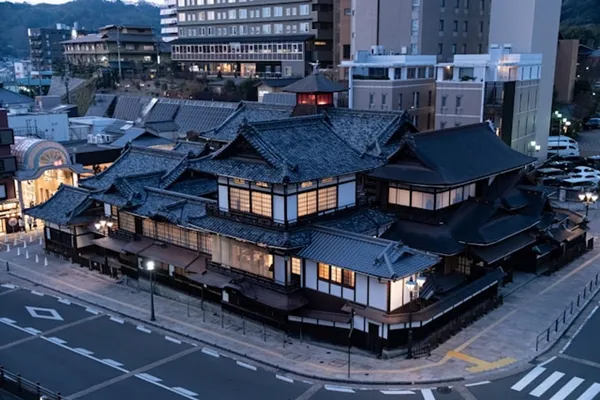
Dogo Miyu, Matsuyama, Ehime In one of Japan's oldest onsen towns, Dogo Miyu is absolute luxury. Every room has it's own private rotenburo on the balcony with castle views. Dogo Onsen, just a few minutes walk away, has been operating for over 1,000 years, and was the inspiration for the bathhouse in Ghibli's Spirited Away. Staying at Dogo Miyu puts you right in the middle of that history. Modern comfort with serious onsen pedigree.
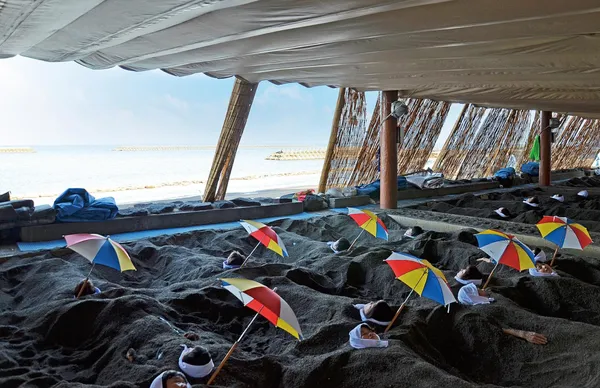
Ibusuki Hakusuikan, Ibusuki, Kagoshima This place offers both traditional onsen and sunamushi, the famous sand baths where you get buried in naturally heated volcanic sand, which you only find here. Do the sand bath first (10-15 minutes of sweating under hot black sand by the ocean), then rinse off and sink into the regular onsen. It's an experience you can't get anywhere else in the world.
Final Thoughts
The difference between my first onsen experiences and those 10 days in Tomakomai wasn't the facilities. It was confidence. Knowing what to do, understanding the rhythm, feeling comfortable with the routine.
Onsen culture is deeply embedded in Japanese life. It's not tourism, it's how people actually relax. Once you understand the basics you're able to participate in something genuinely Japanese.
Watch what others do. Nobody expects perfection, and most people are too focused on their own relaxation to pay attention to anyone else. Within one or two visits, it'll feel natural.
Then you'll start planning trips around onsen. You'll seek out rotenburo in mountain villages. You'll compare mineral compositions and debate which prefecture has the best water. You'll understand why people return to the same onsen year after year.
That bone-deep relaxation is waiting for you. Now you know how to find it.
