
公园
公园

What it is: The head temple of the Tenryū-ji branch of Rinzai Zen, founded in 1339 and registered as a UNESCO World Heritage Site. Centerpiece of Arashiyama with a celebrated pond garden (Sōgenchi Teien) designed by Zen master Musō Soseki, and a north gate that leads straight into the Arashiyama Bamboo Grove.
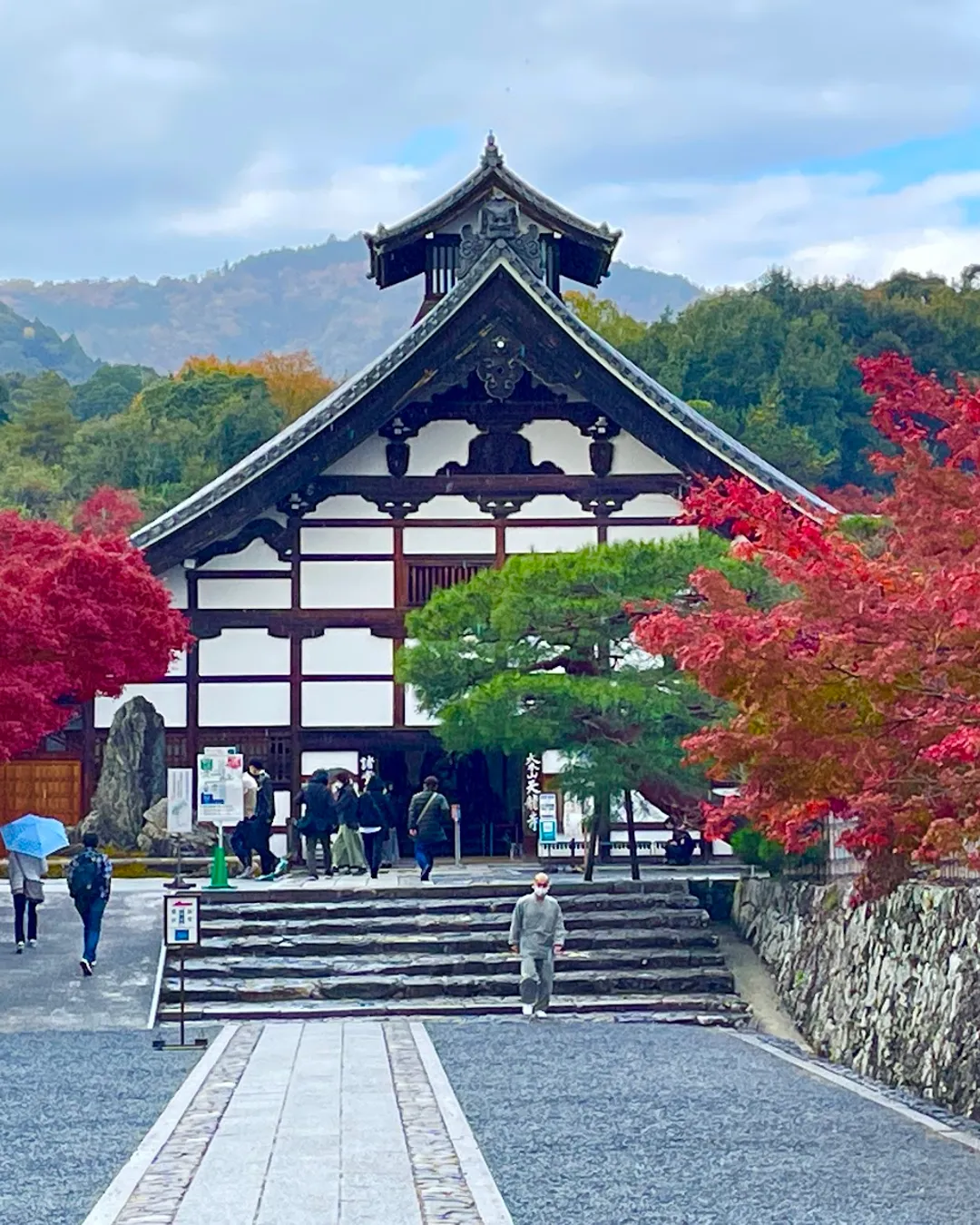
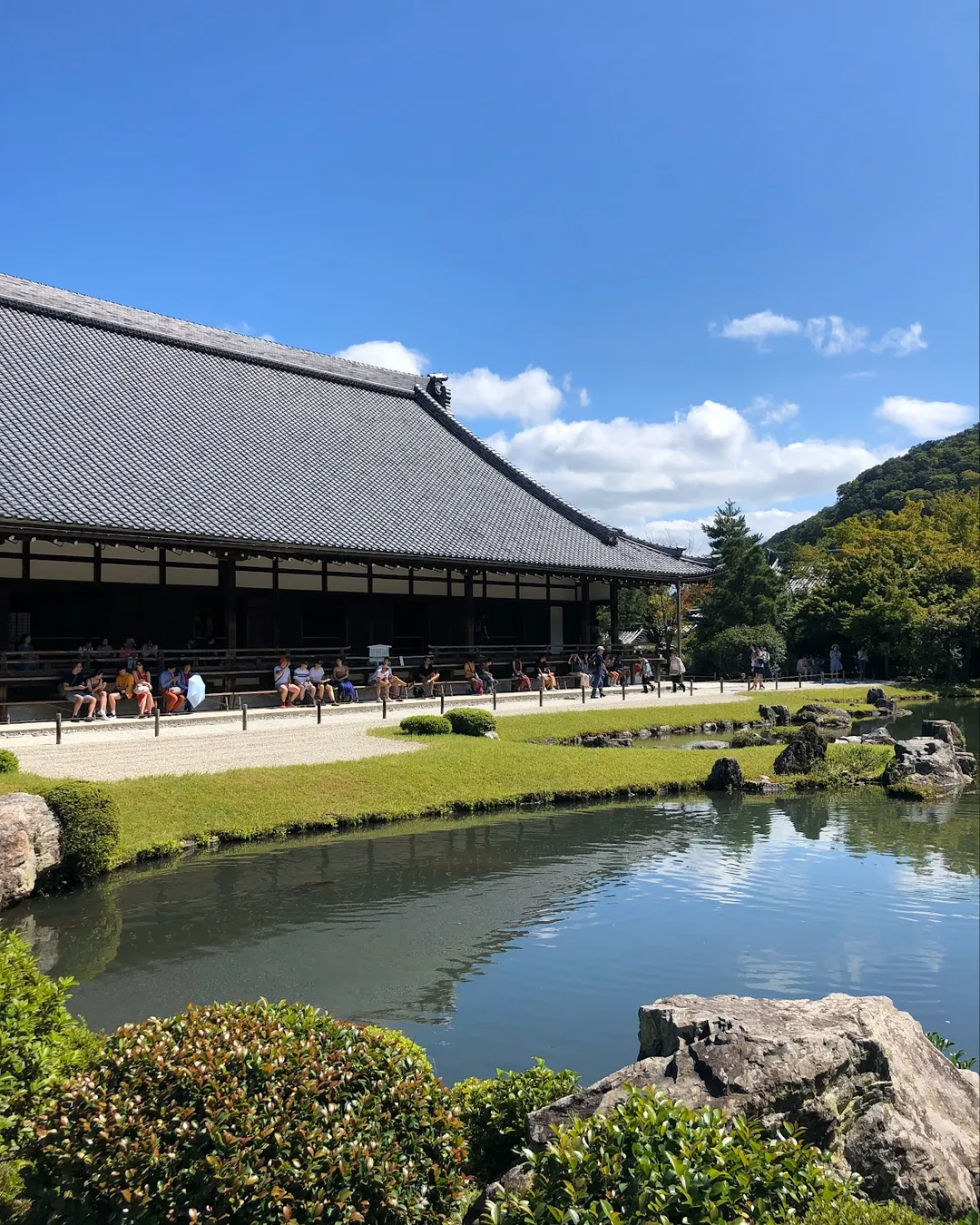
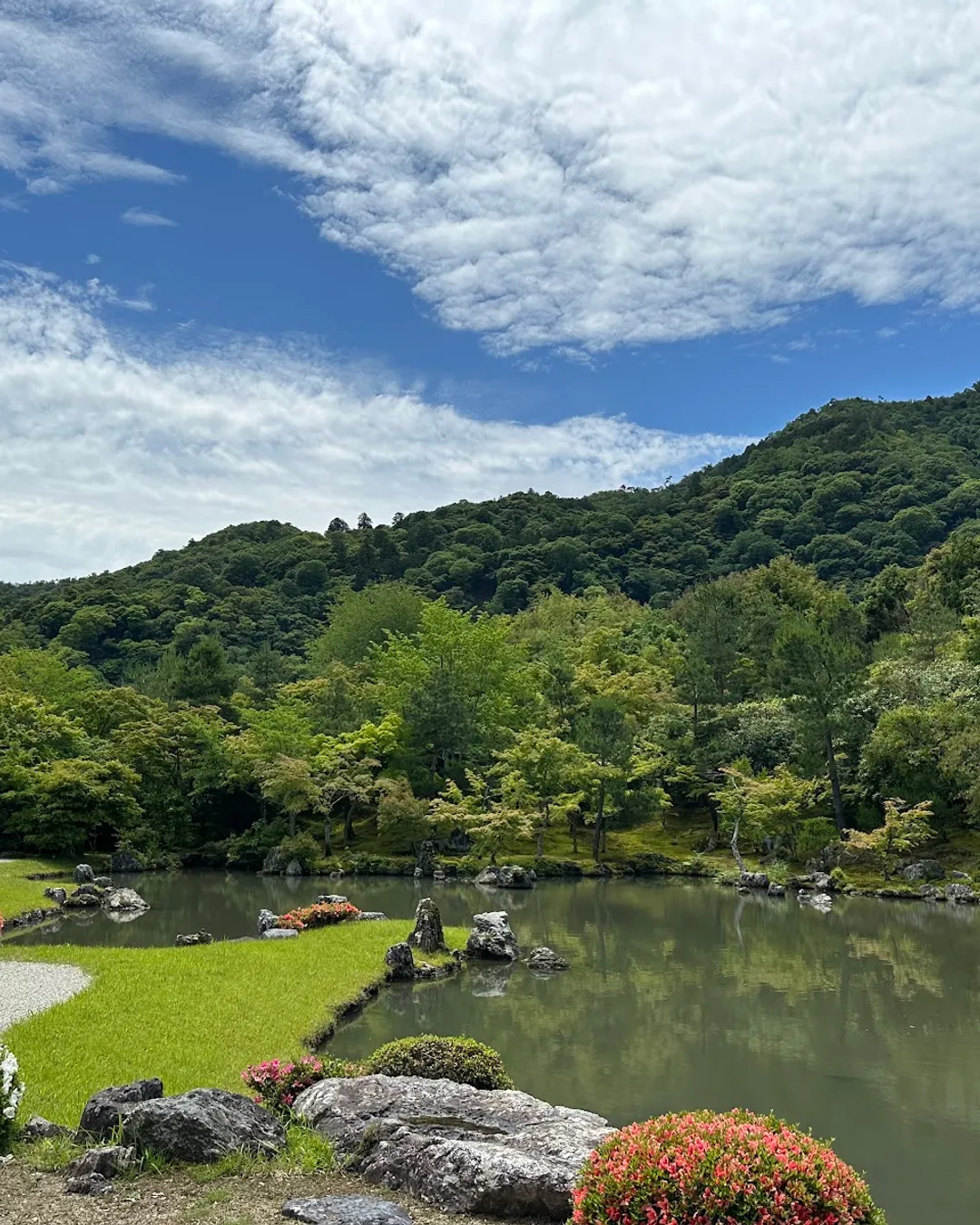
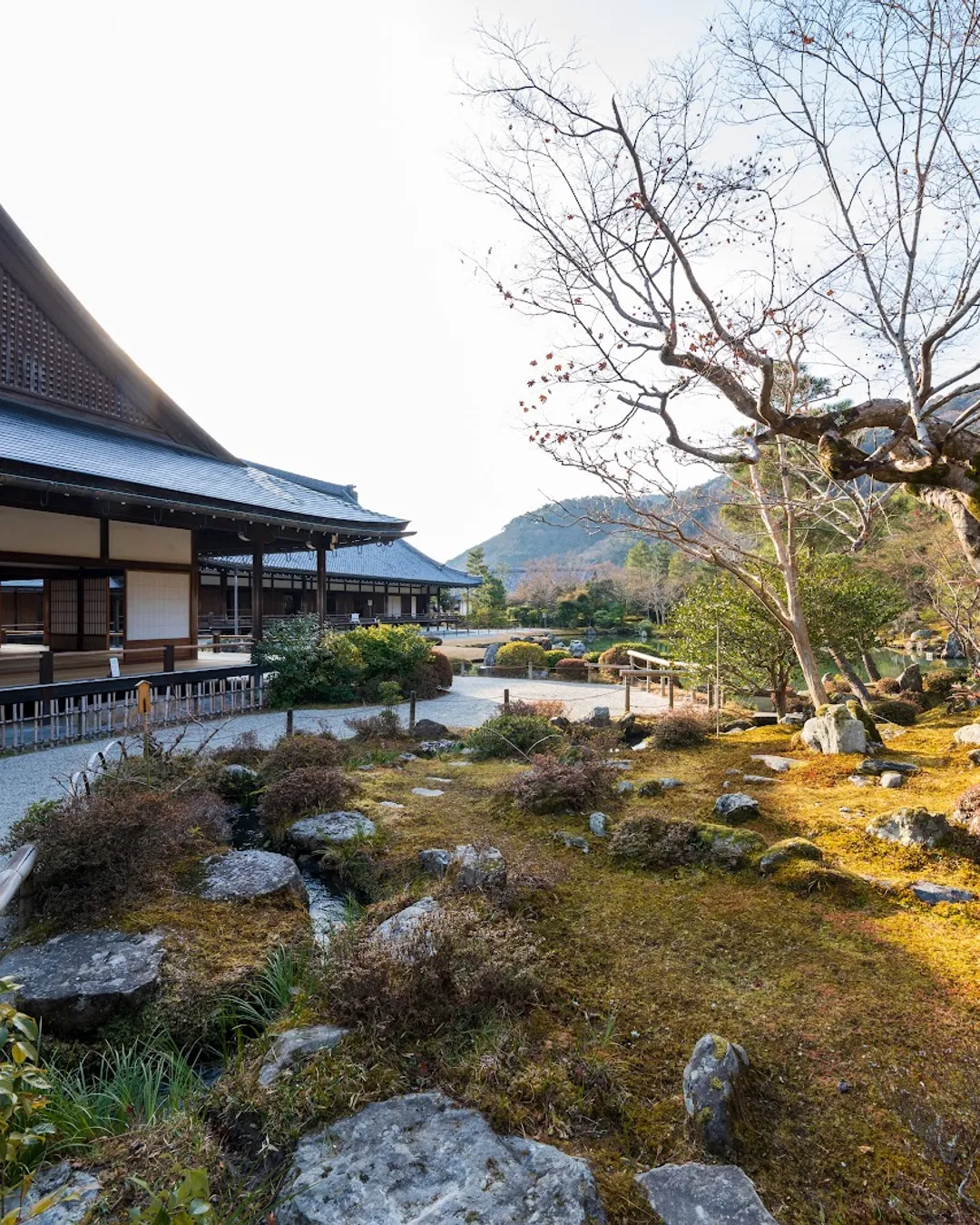
You enter through low, timbered gates and the city noise drops to a murmur. Paths of raked gravel guide you toward the heart of the complex: a broad veranda looking over Sōgenchi Pond, where pines and maples wrap around water and boulders step down like a mountainside. Behind the trees, the real hills of Arashiyama rise—borrowed scenery that completes the composition without a single extra stone. Sit for a minute and you’ll see the garden work like a slow film: koi tracing quiet arcs, cloud shadows moving across the slopes, a breeze flipping a maple’s underside to silver.
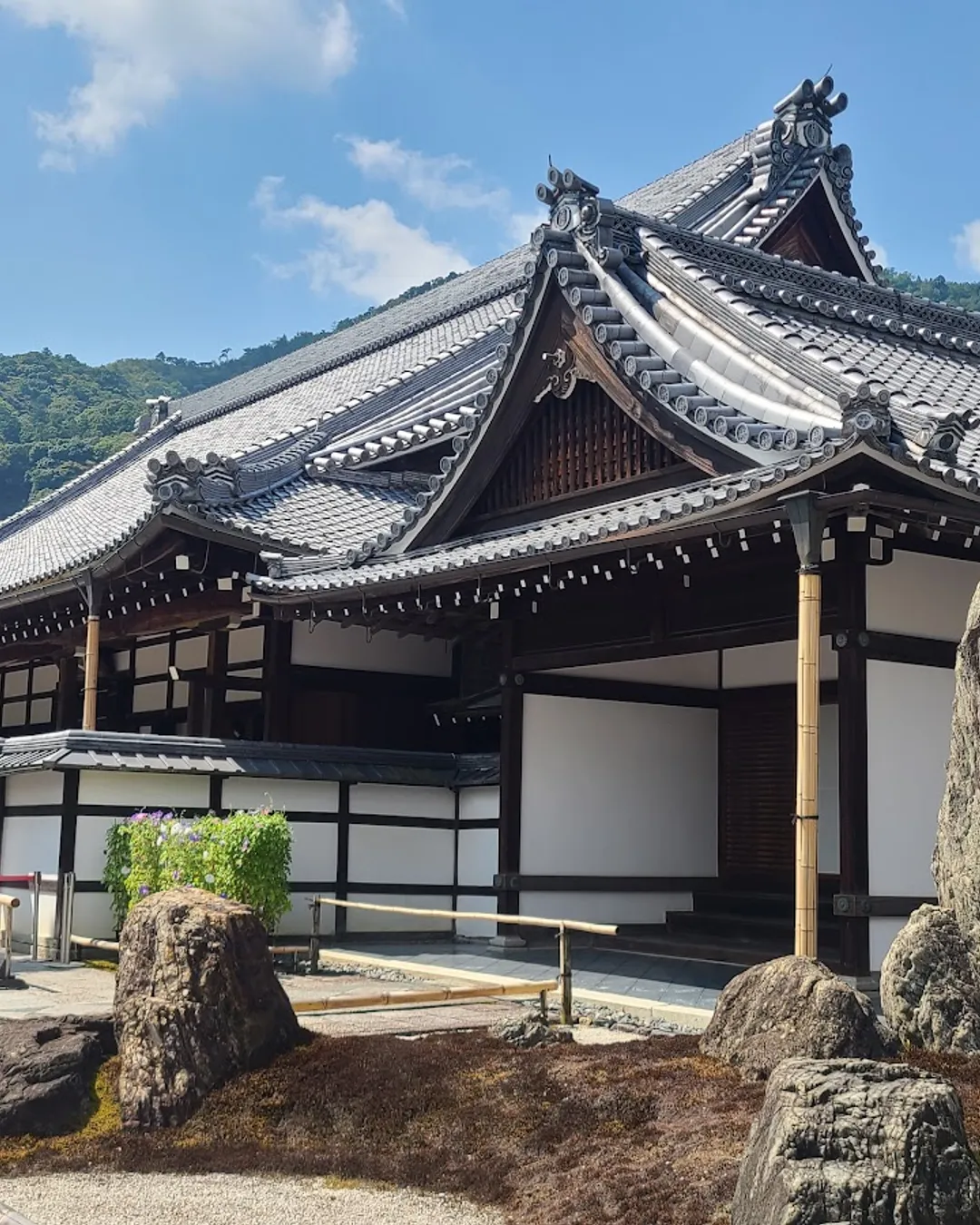
From the garden you wander past tatami rooms and sliding screens, catching framed views that turn every doorway into a scroll painting. In the Hattō (Lecture Hall), a coiling Cloud Dragon peers down from the ceiling with that playful Zen mix of menace and grin; depending on the day, it may be open as a special-view area. The precinct feels generous but never overwhelming—temple structures are mostly reconstructions (fires were frequent over the centuries), while the 14th-century garden design has remained the constant original. When you’re ready to move on, the North Gateushers you straight into the Bamboo Grove, where the mood shifts from water and stone to vertical green and wind.
Tenryū-ji is the single best place in Kyoto to understand how Zen design uses landscape as teaching—without getting abstract about it. You don’t need a manual: the garden reads at first glance and deepens if you give it time. It’s also the most efficient Arashiyama anchor: one ticket gets you centuries of history, a masterpiece garden, and the perfect springboard to the bamboo path, Ōkōchi Sansō Villa, or Togetsukyō Bridge. Come in early spring for plum and the first greens, sakura season for blushes around the pond, autumn for a ring of maples that set the water on fire, or winter for a dusting of snow that turns the rocks into calligraphy. Tenryū-ji is beautiful in any weather; after rain, colors saturate and reflections double the quiet.
Location: Arashiyama, western Kyoto (short walk from Arashiyama Station: JR Saga-Arashiyama, Hankyu Arashiyama, or Randen tram)
Time needed: 45–90 minutes for garden + halls (longer if you linger)
Admission: Garden and temple buildings are typically separate tickets; the Hattō (Cloud Dragon) is a special-view on specific days
Hours: Standard daytime opening; last admission mid–late afternoon (varies by season/area)
Food: On-site shōjin-ryōri restaurant Shigetsu offers Zen vegetarian set meals (reservation recommended)
Tenryū-ji Garden first: sit on the veranda for five unhurried minutes—let the “borrowed” hills click into the scene.
Stroll the halls; peek the Cloud Dragon if open.
Exit the North Gate into the Bamboo Grove; continue to Ōkōchi Sansō or loop back toward Togetsukyō for river views.
Bottom line: a world-class Zen garden, living temple precincts, and a door that opens straight into Kyoto’s most famous bamboo—Tenryū-ji is the Arashiyama cornerstone. Arrive early, let the pond slow you down, and carry that quiet with you into the green. 🌿