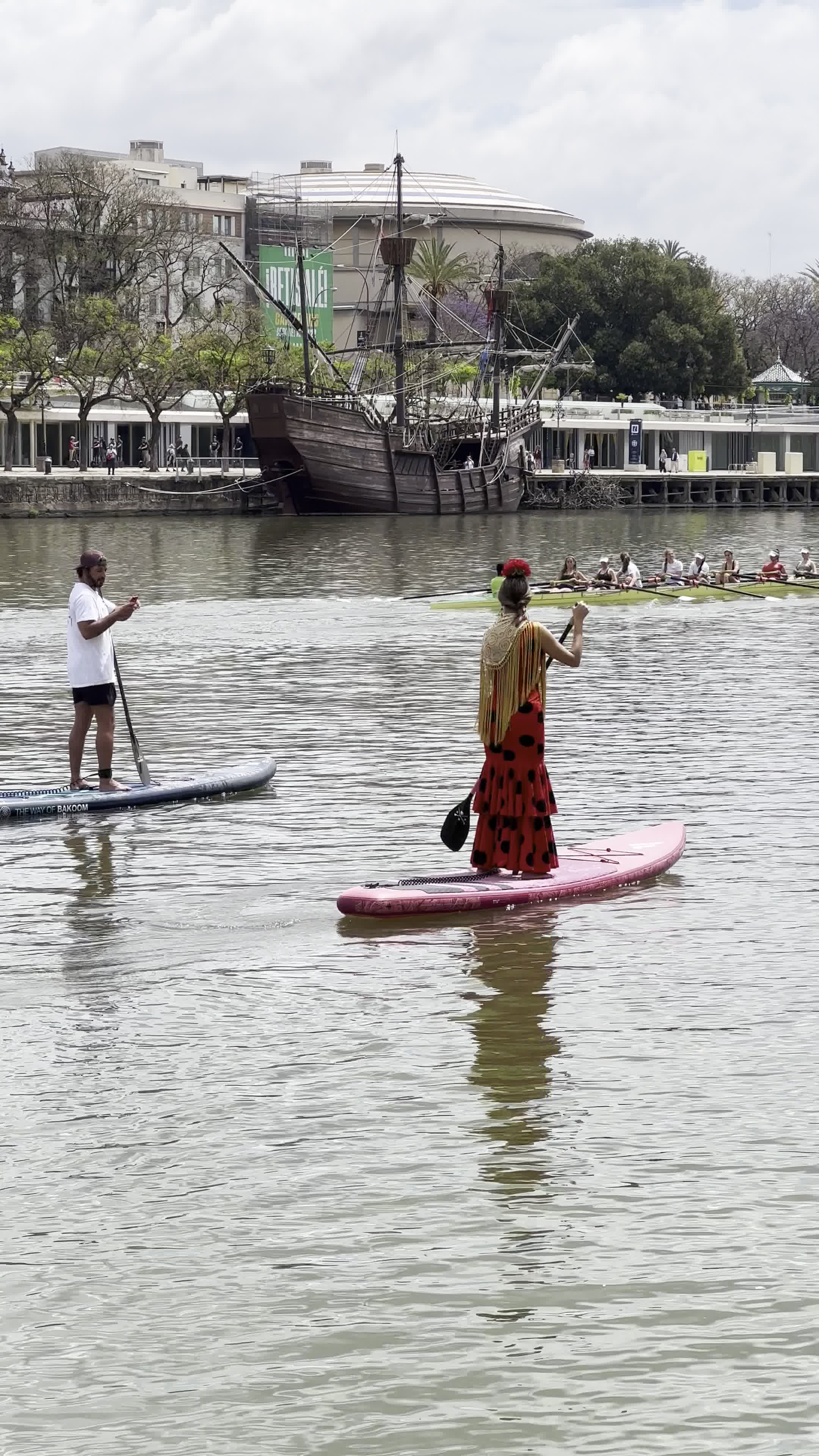
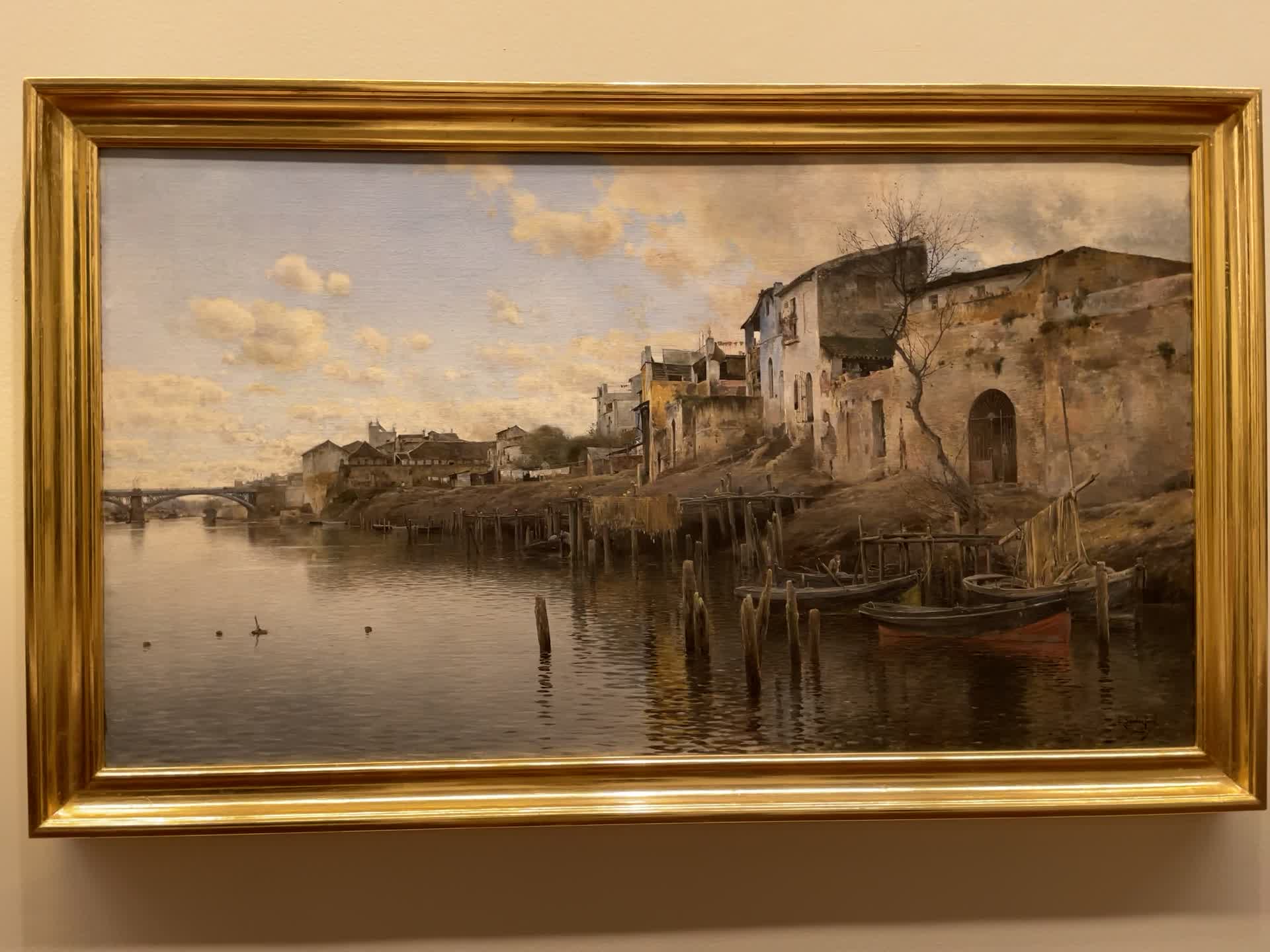
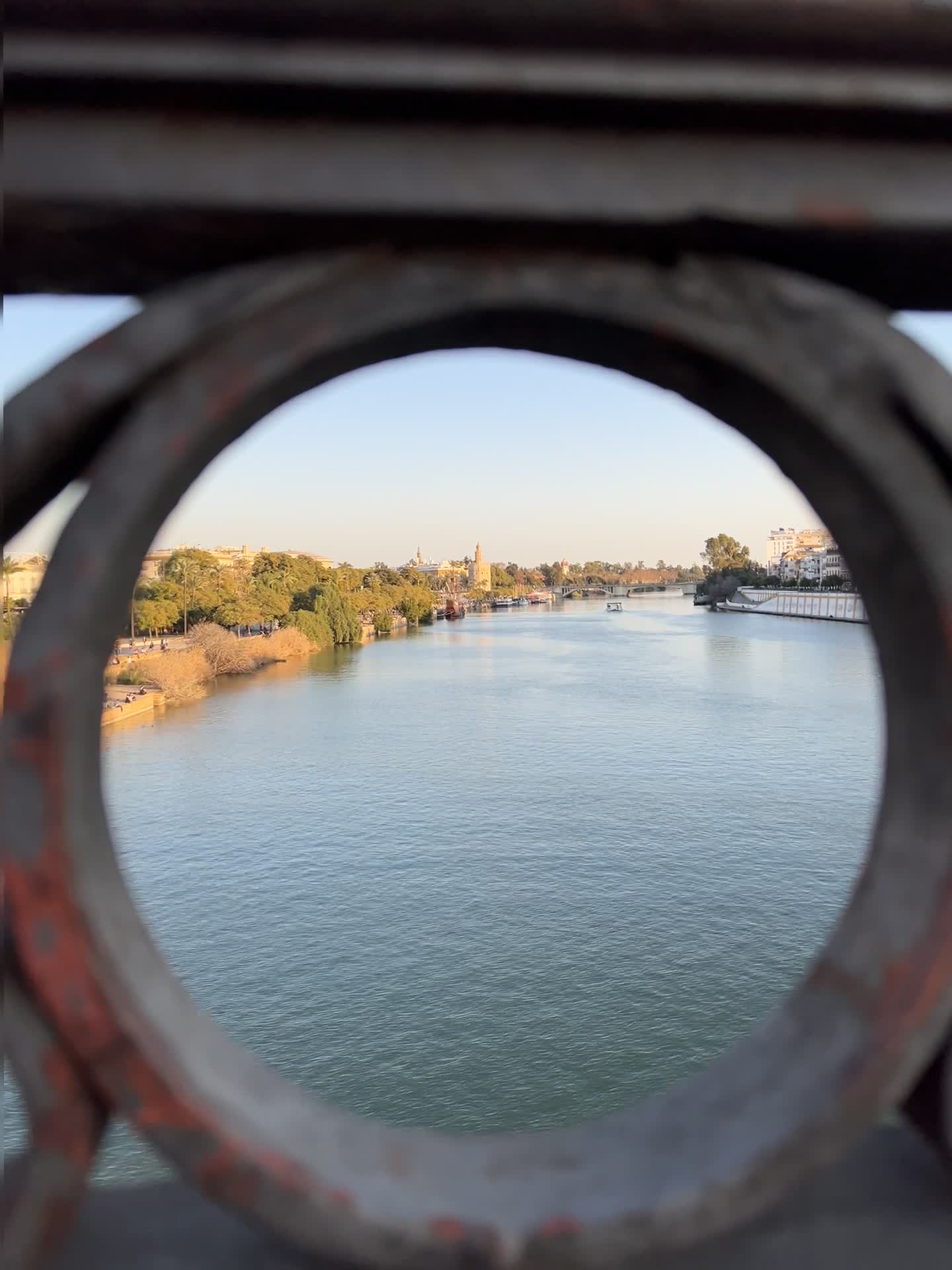
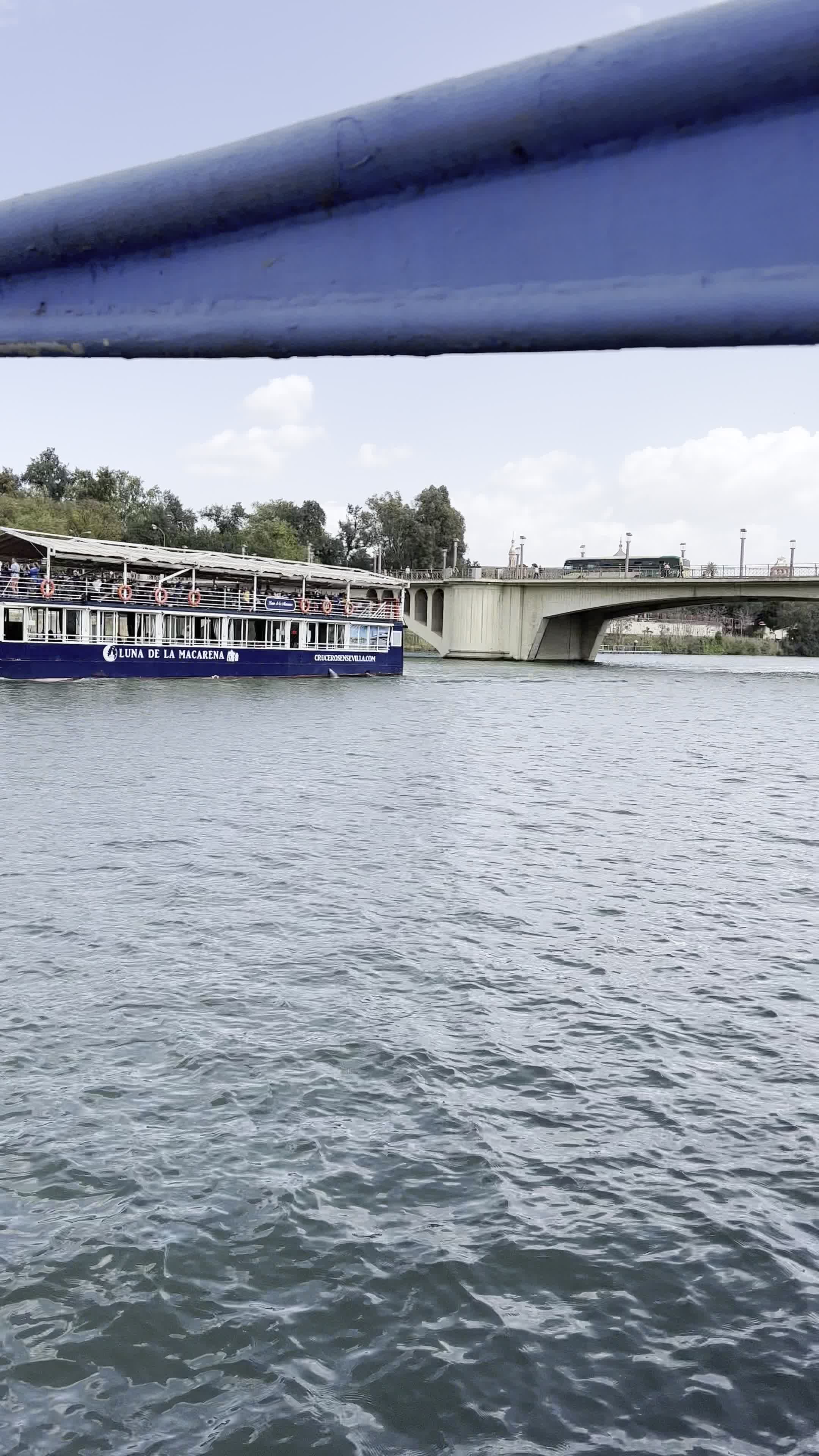
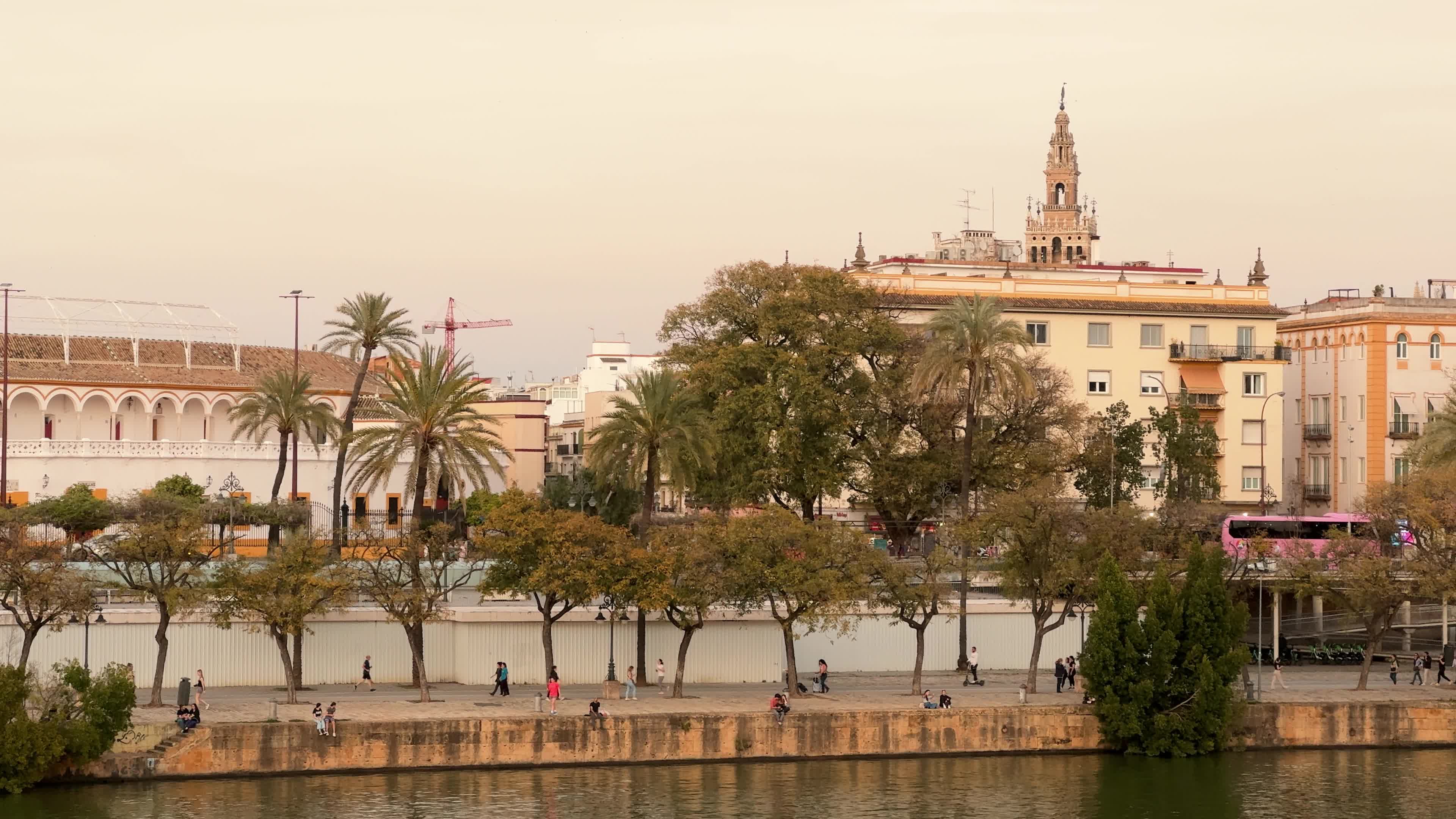
The Guadalquivir River snakes through Seville like a liquid timeline of the city's history—though what most visitors don't realize is that the calm, picturesque waterway you see today is actually a man-made canal diversion from the real river. The main course was redirected after devastating floods, leaving us with this more manageable version that defines Seville's landscape.
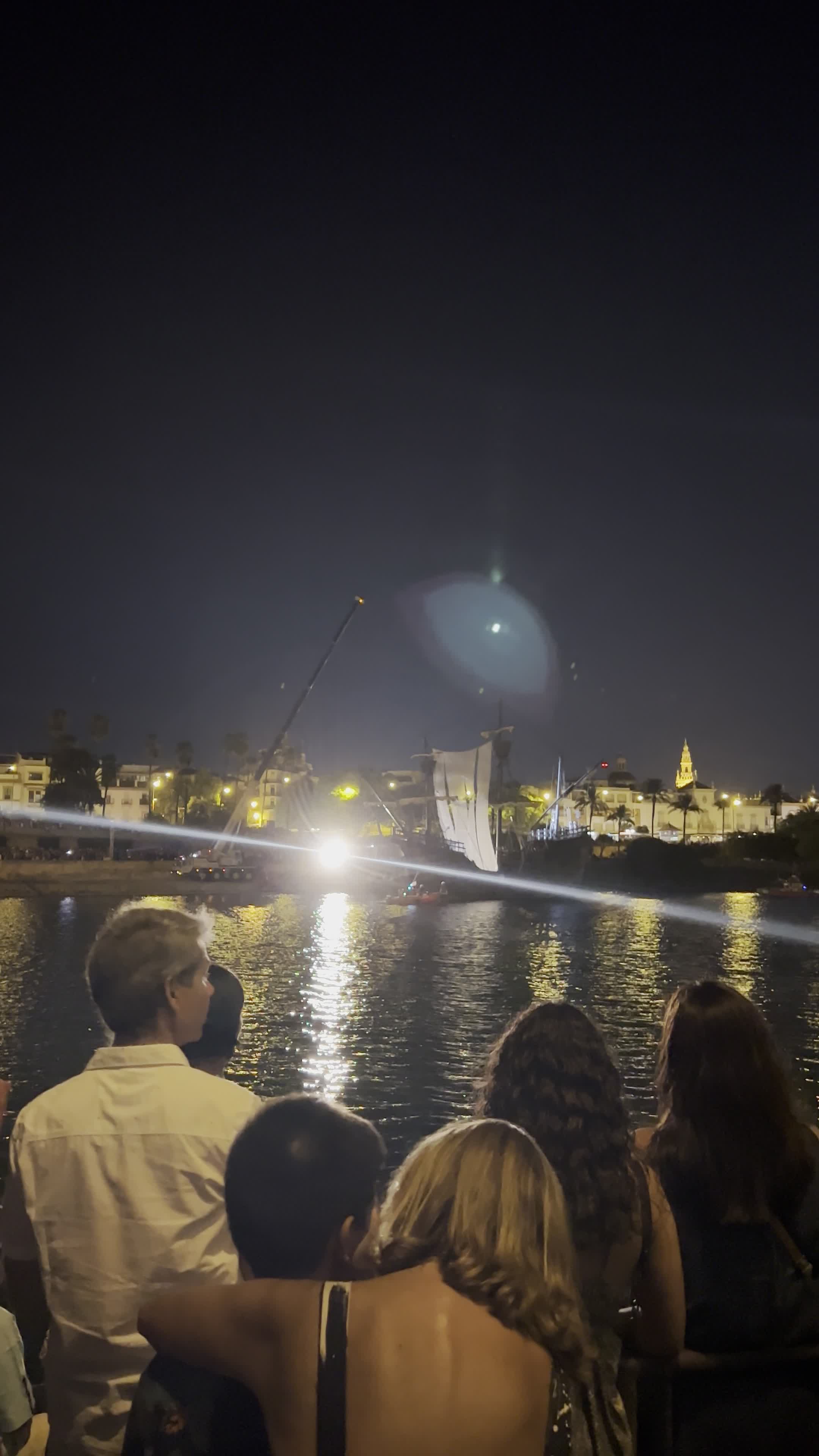
This isn't just any river—it's the only major navigable one in Spain, stretching 657 kilometers from the Andalusian mountains to the Atlantic. Its name comes from Arabic ("al-wadi al-kabir" meaning "the great river"), a reminder of the Moorish influence that shaped this region. And yes, Columbus did return here after discovering the Americas, bringing his ships up this very waterway in 1493, cementing Seville's role as the gateway to Spain's American empire.
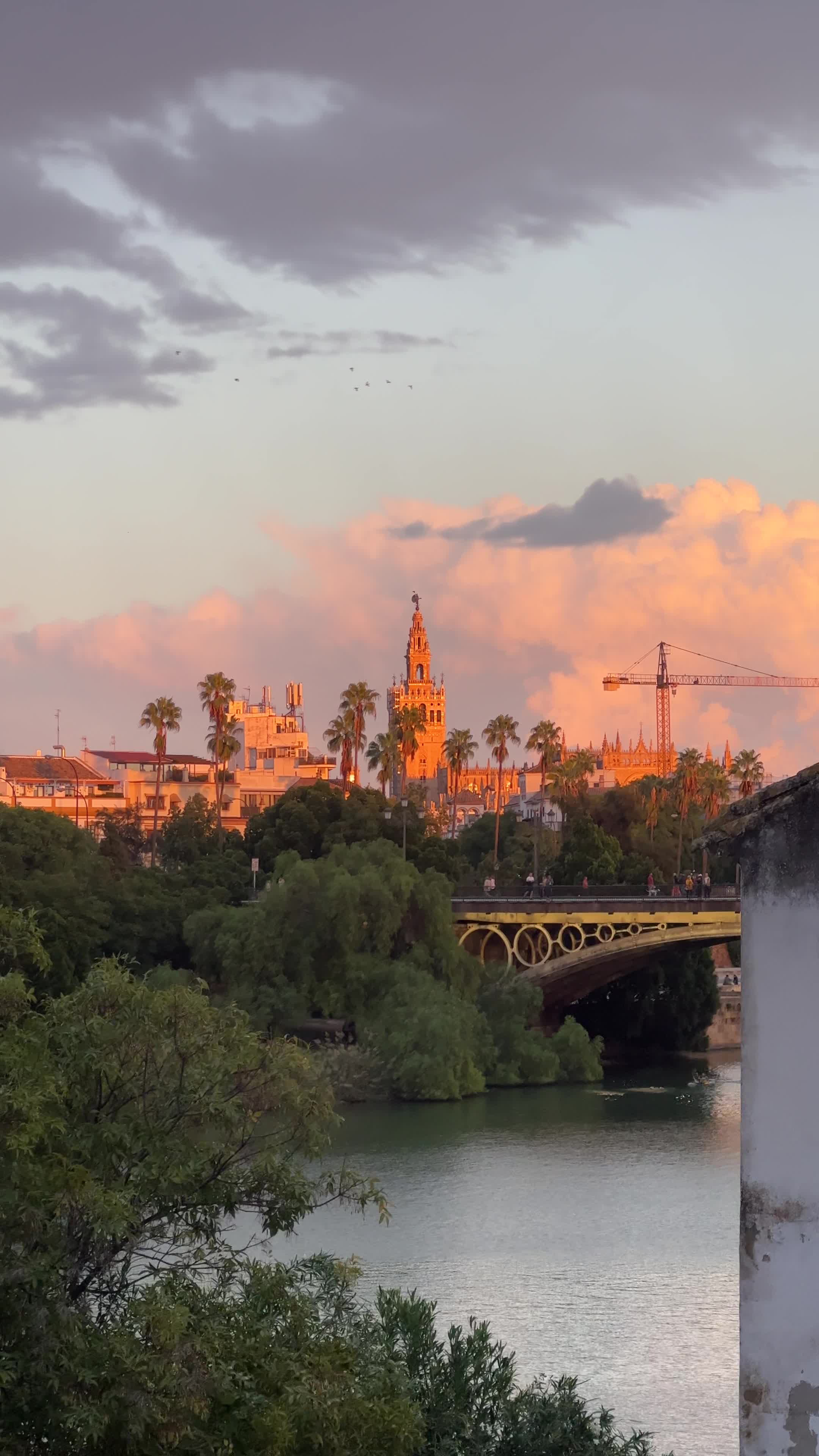
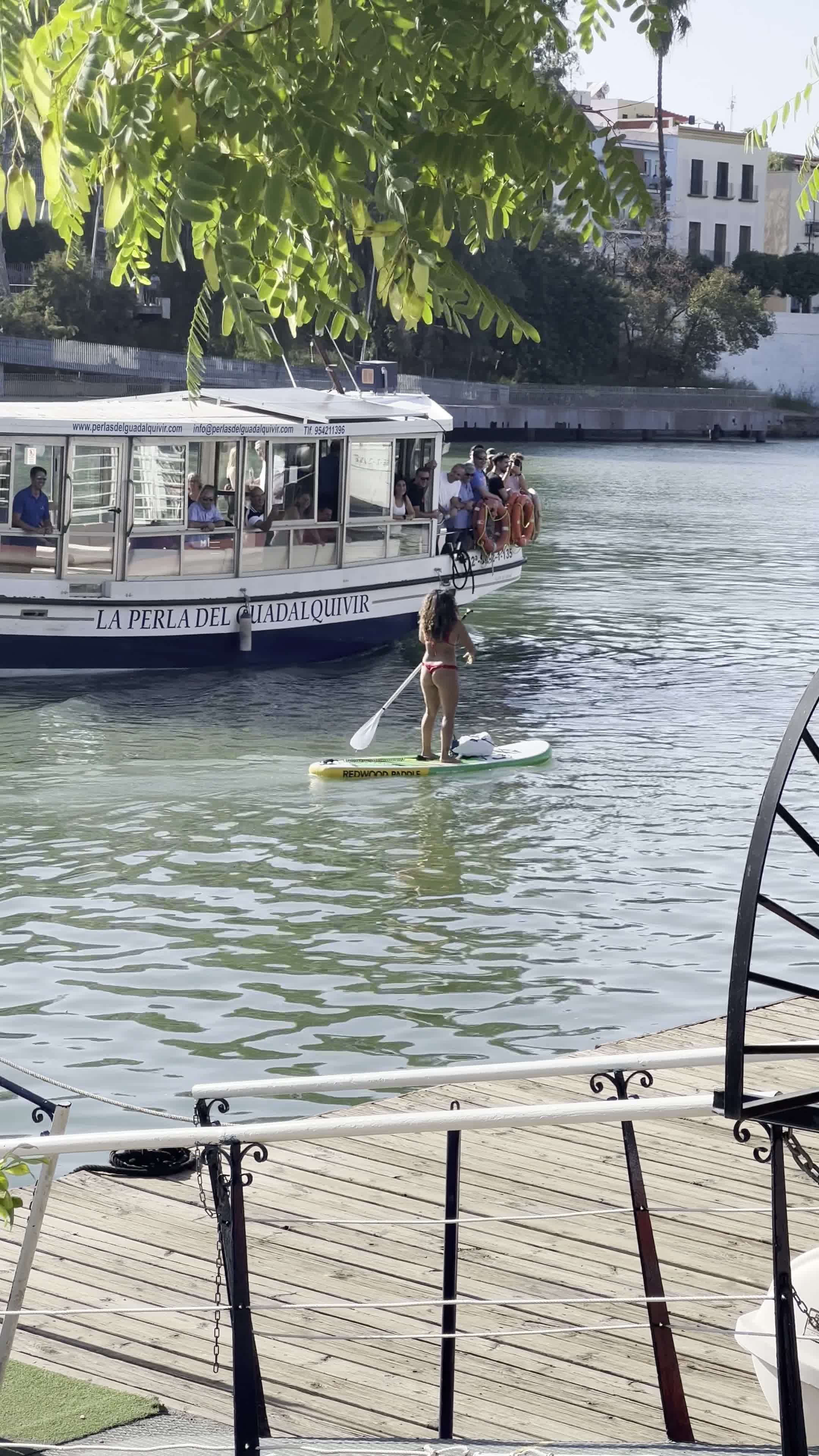
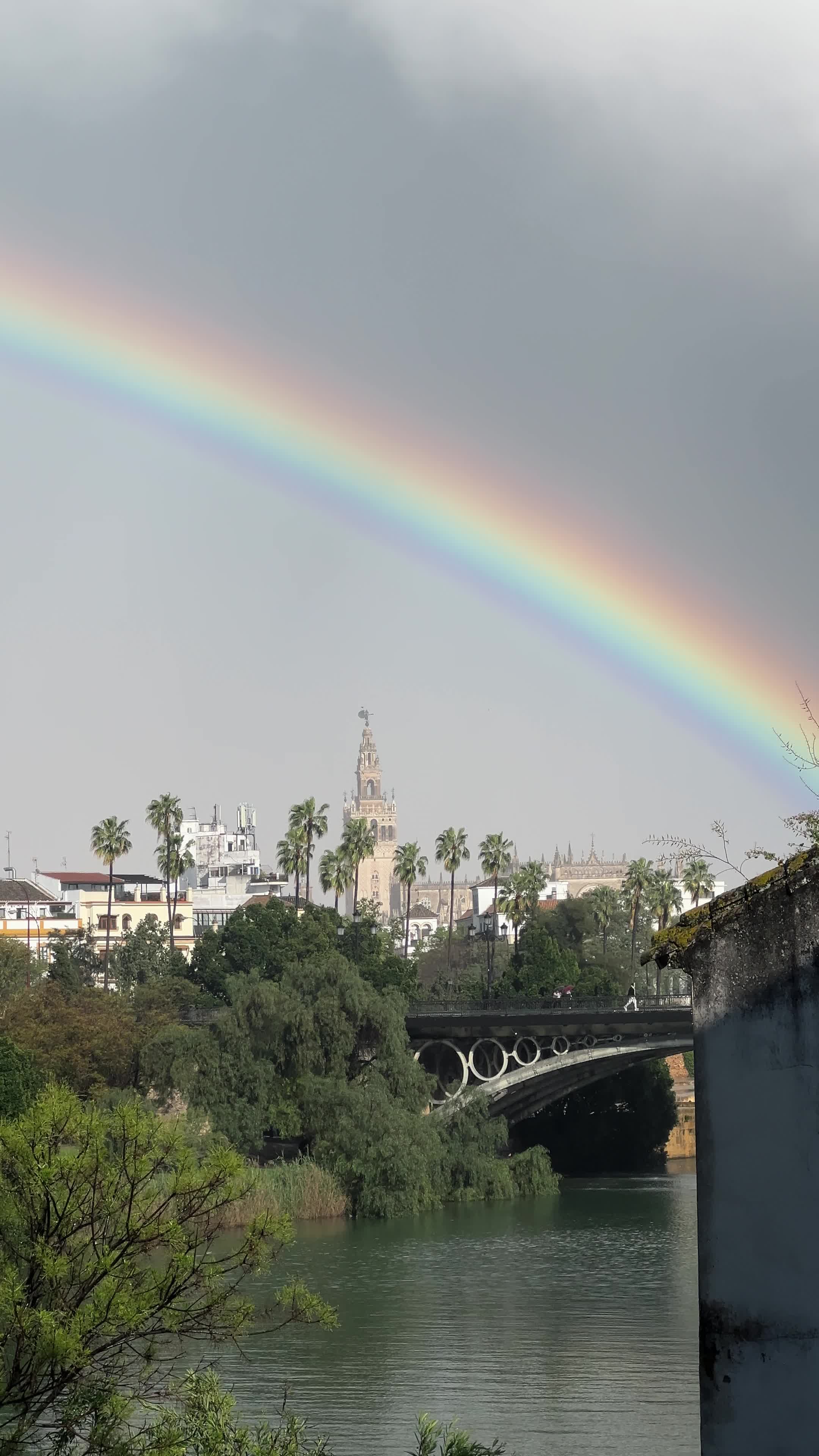
I've spent countless evenings strolling the riverbanks, and trust me—the best views of Seville come from crossing its bridges, particularly Triana Bridge at sunset when the golden light hits the colorful facades of Triana neighborhood. Rent a kayak for a different perspective, or just grab a drink at one of the riverside bars where locals gather. The Guadalquivir may be artificially tamed these days, but it remains the undisputed lifeblood of Seville, dividing yet connecting the city's most vibrant neighborhoods.