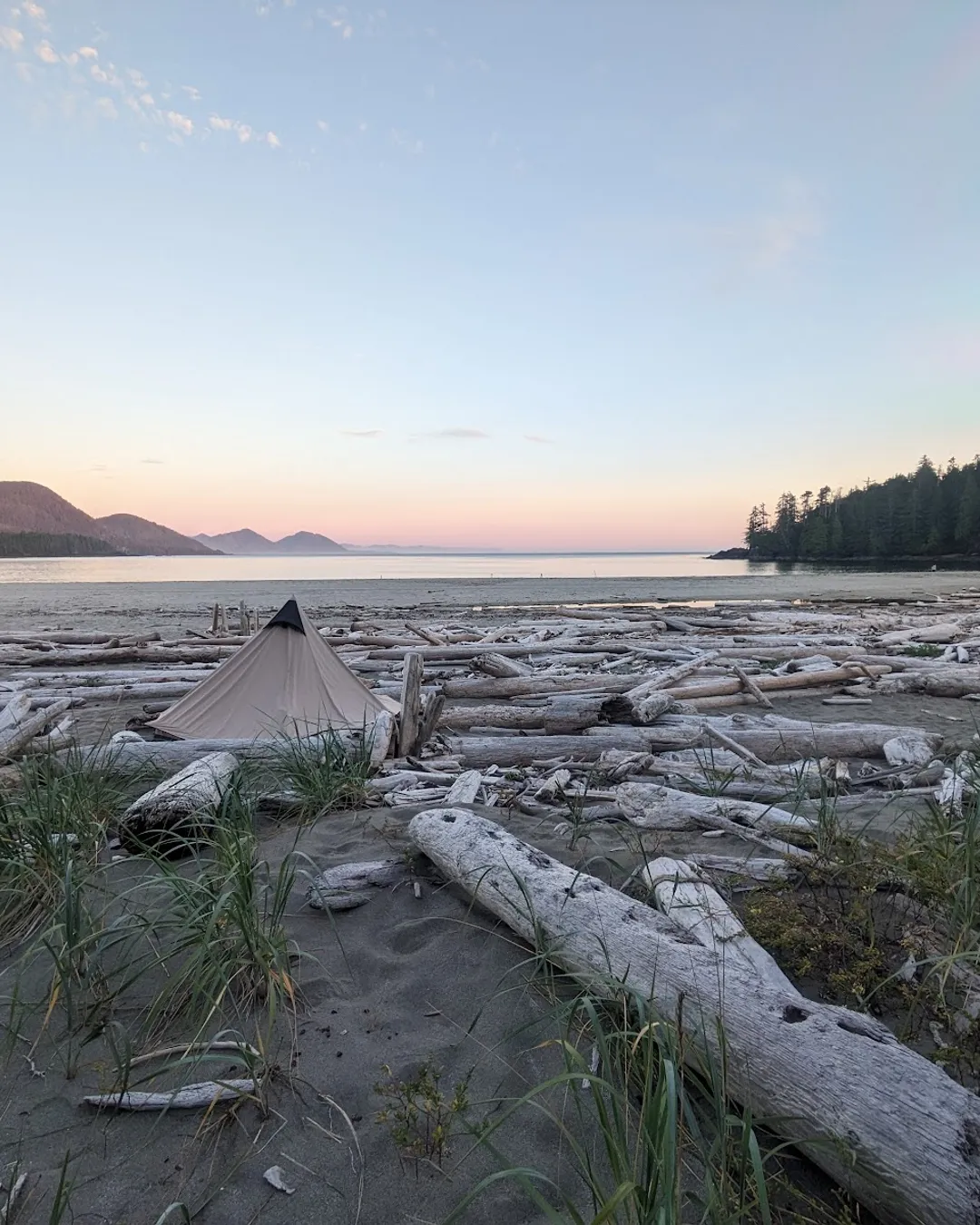
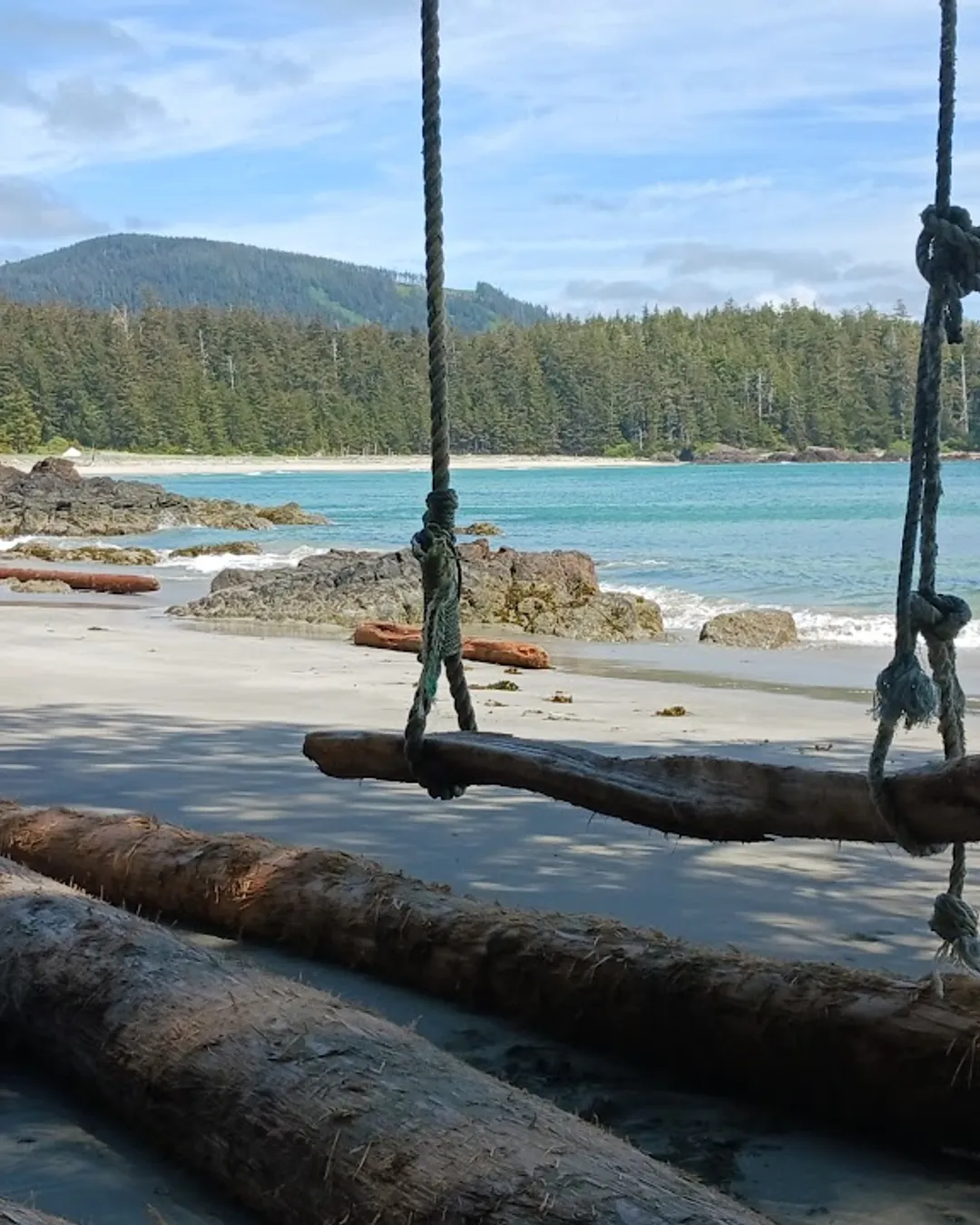
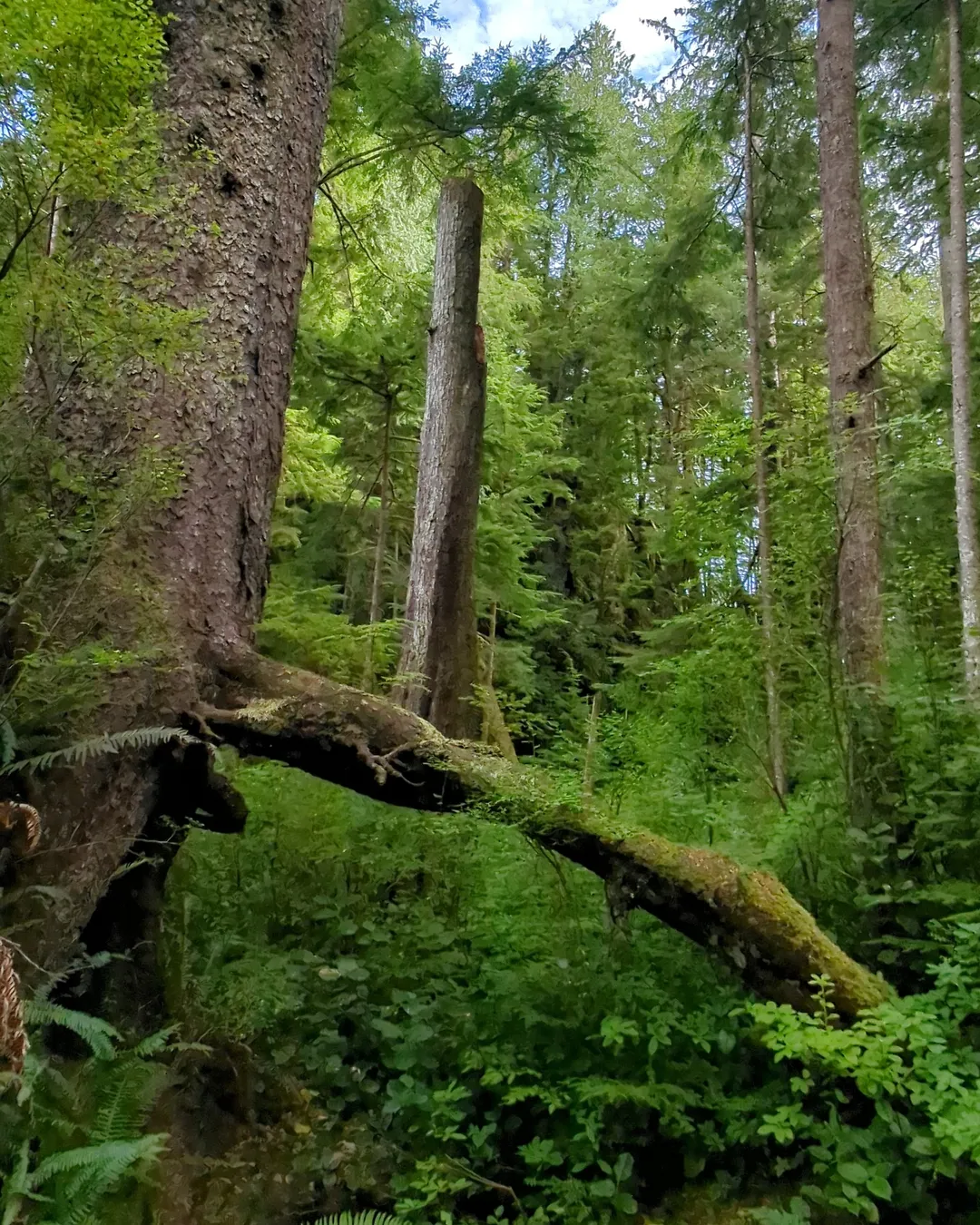
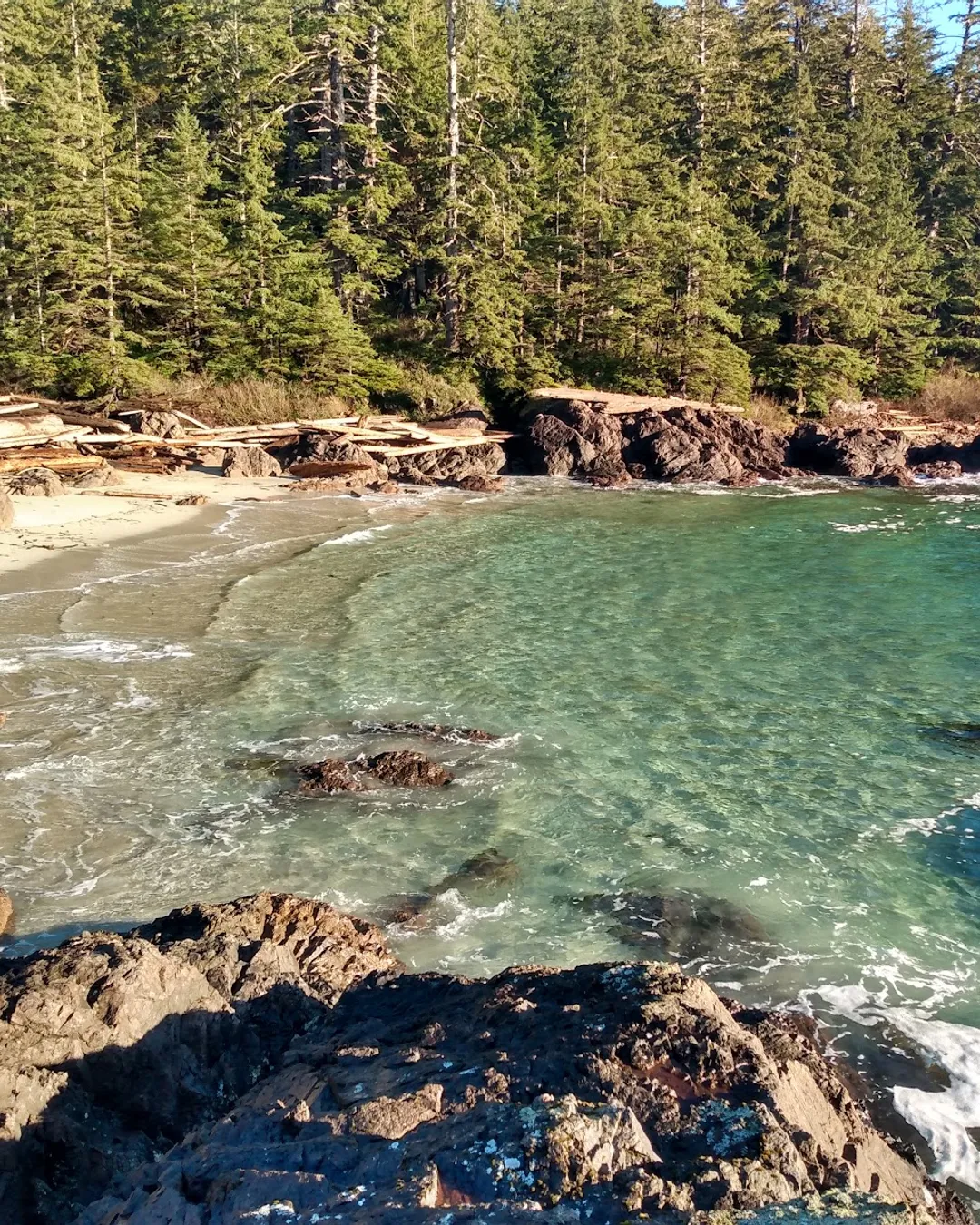
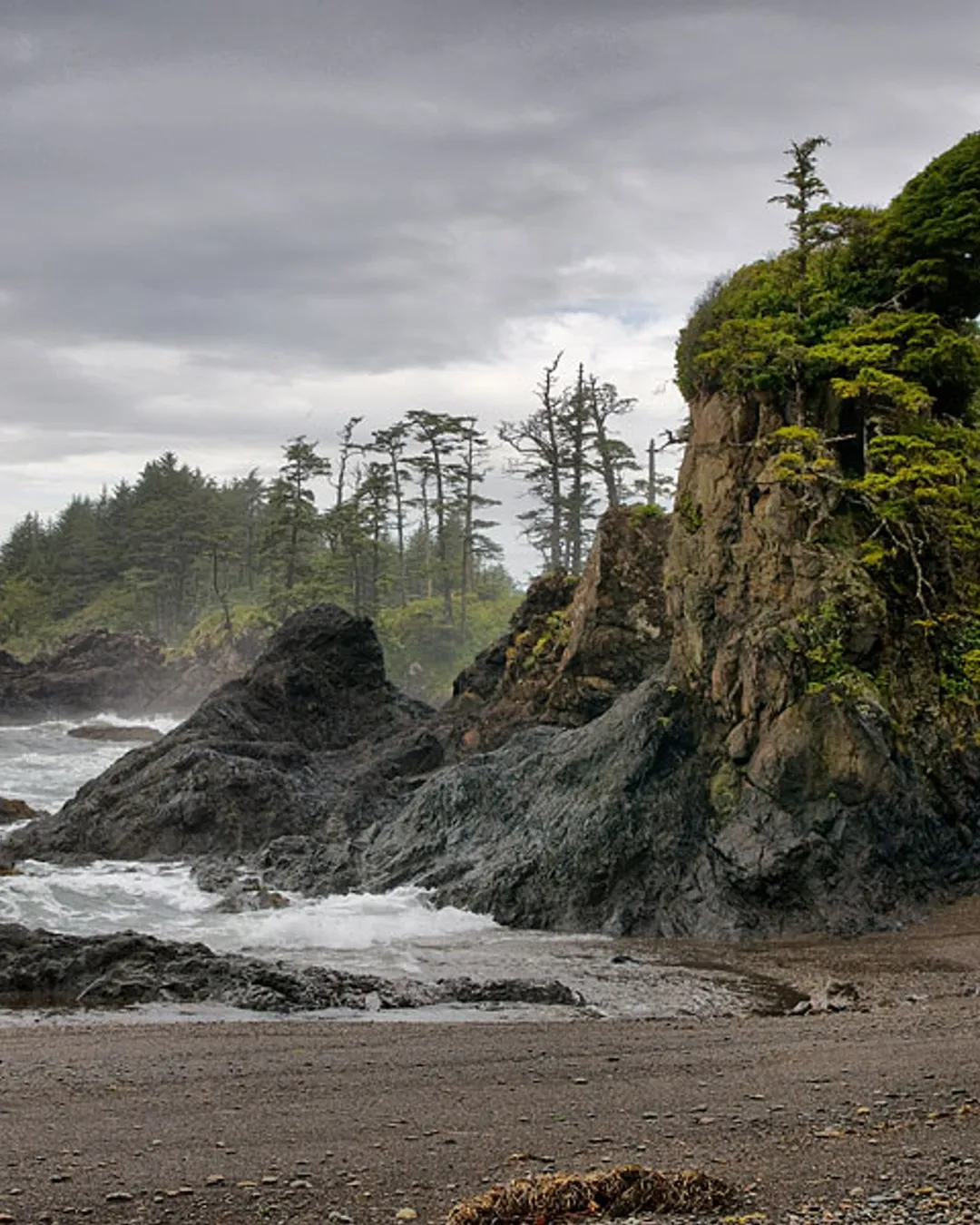
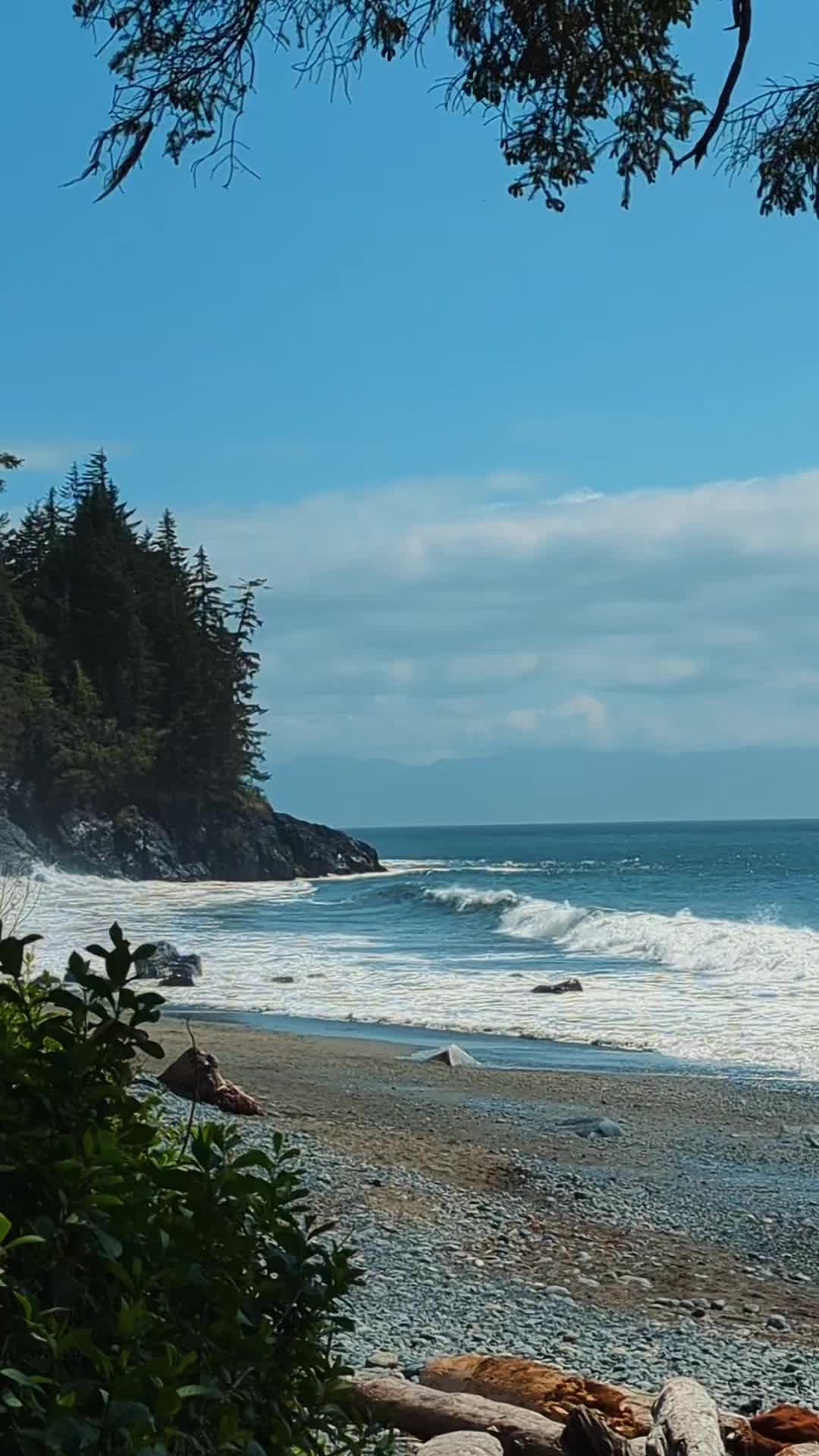
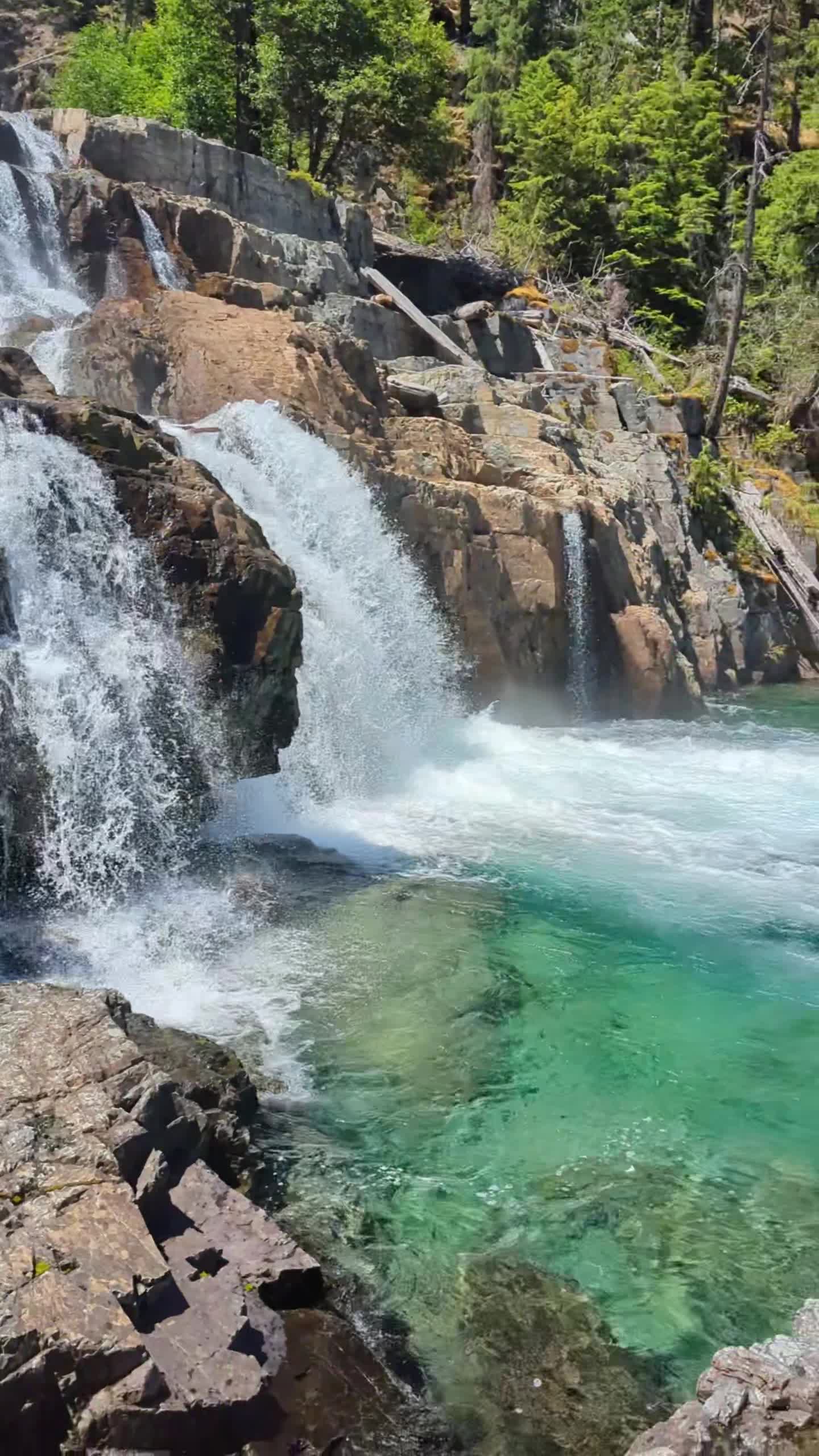
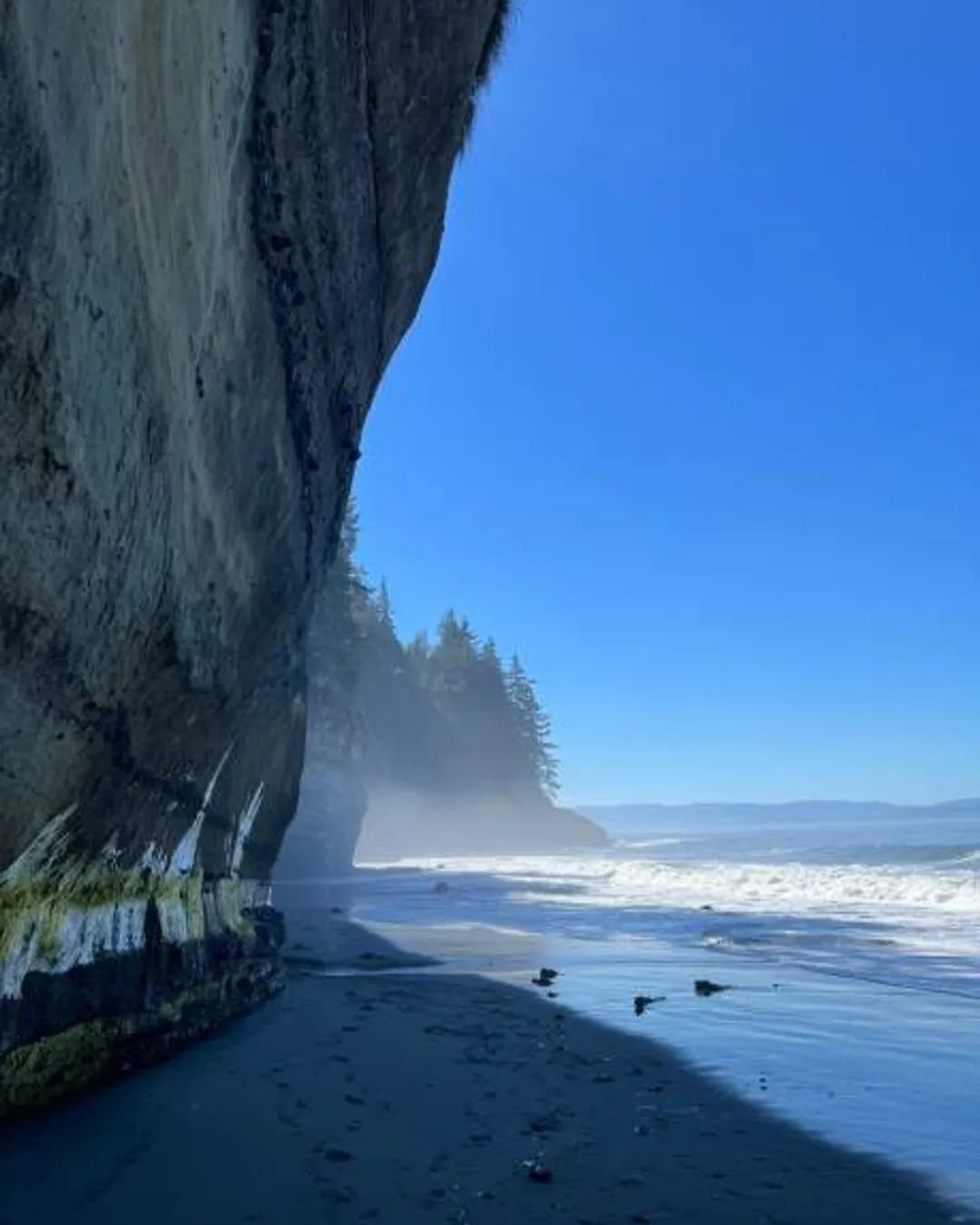
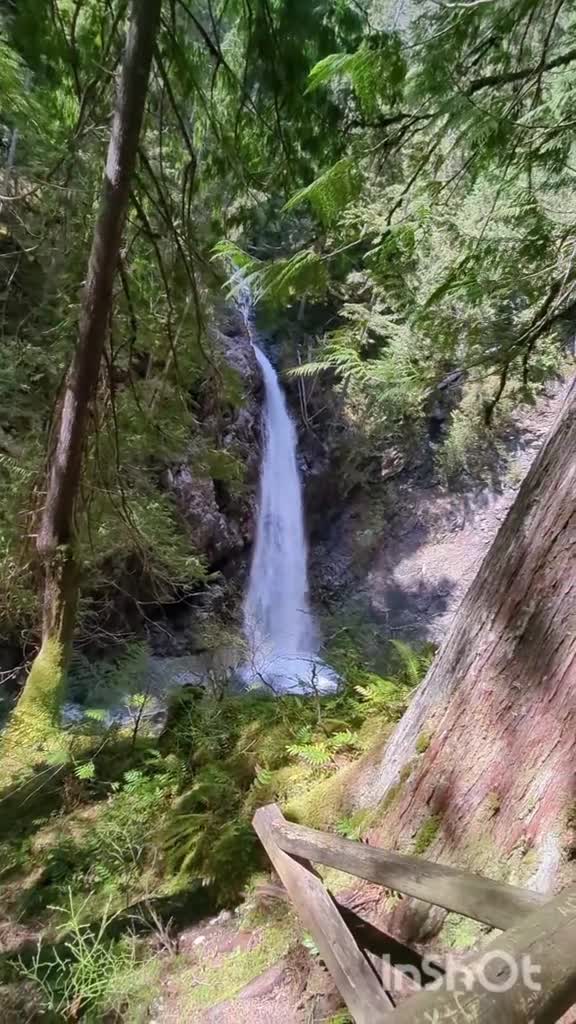
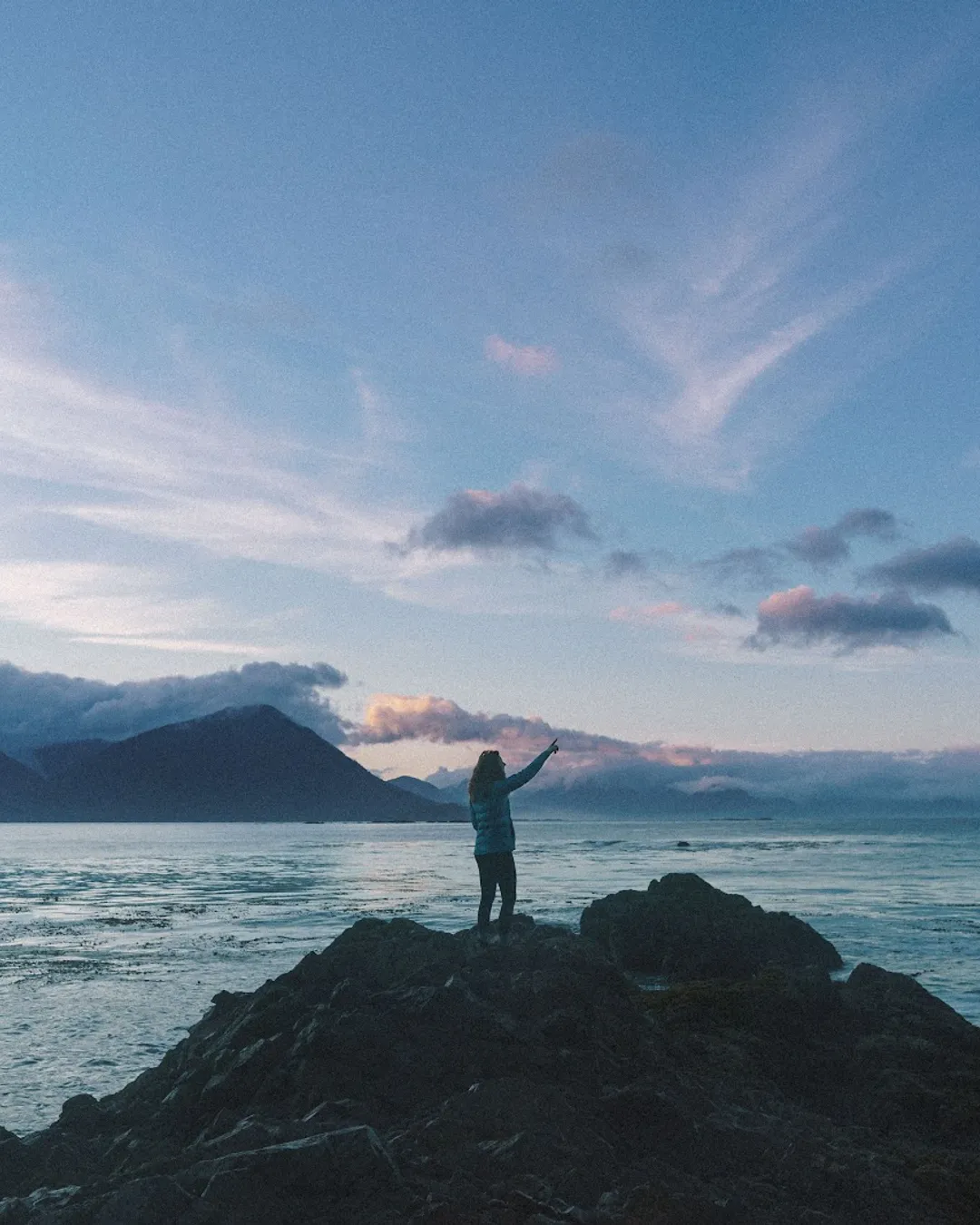
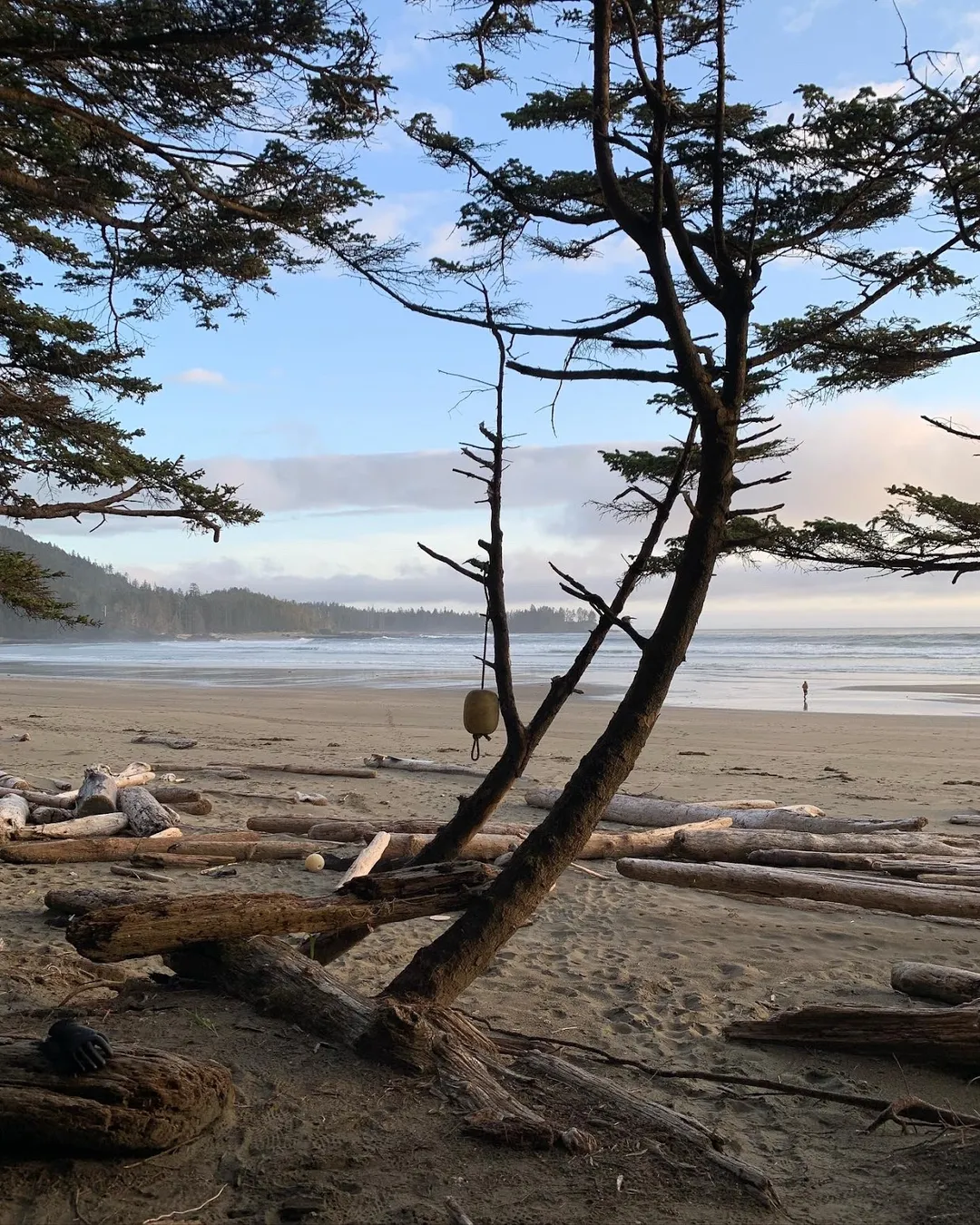
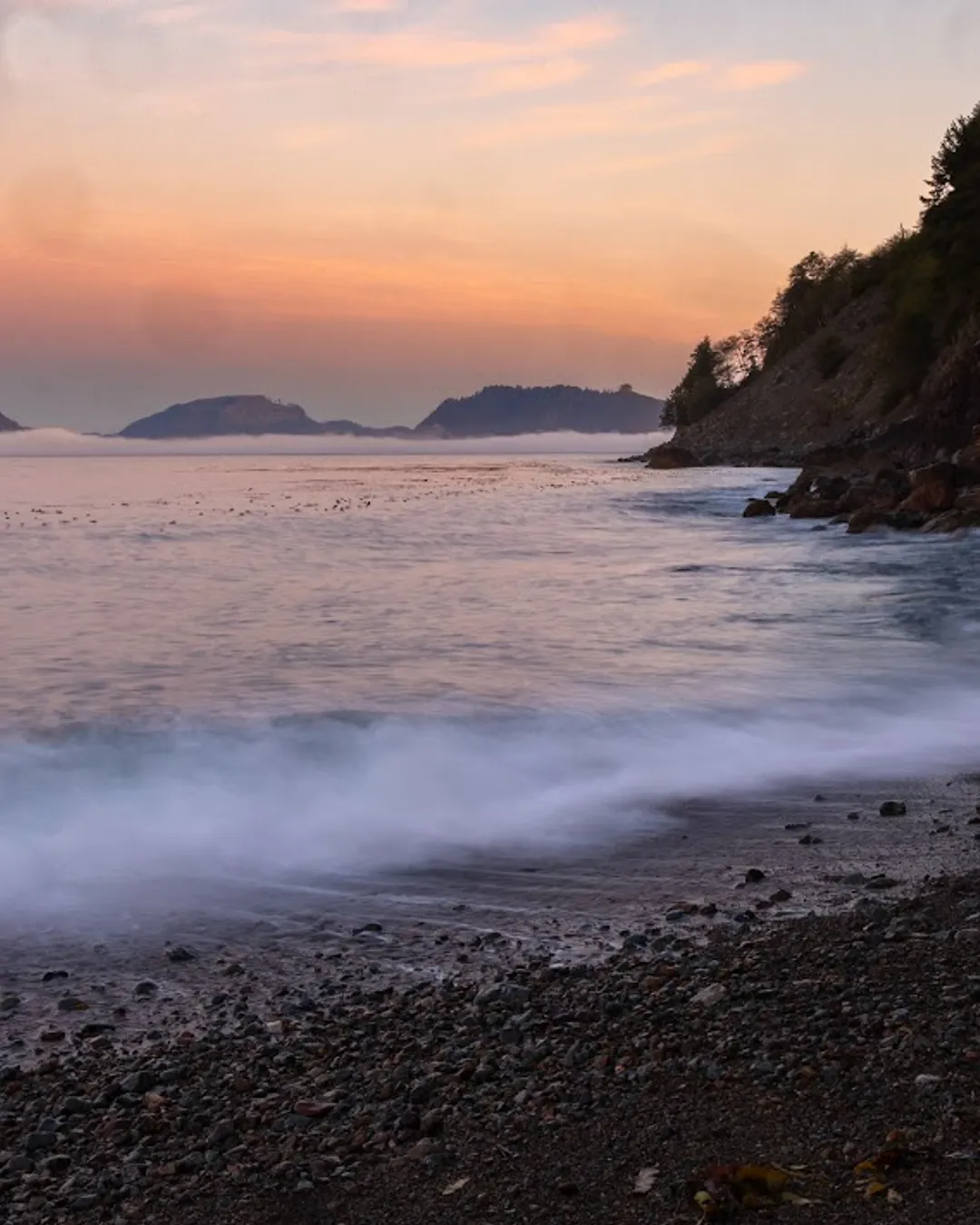
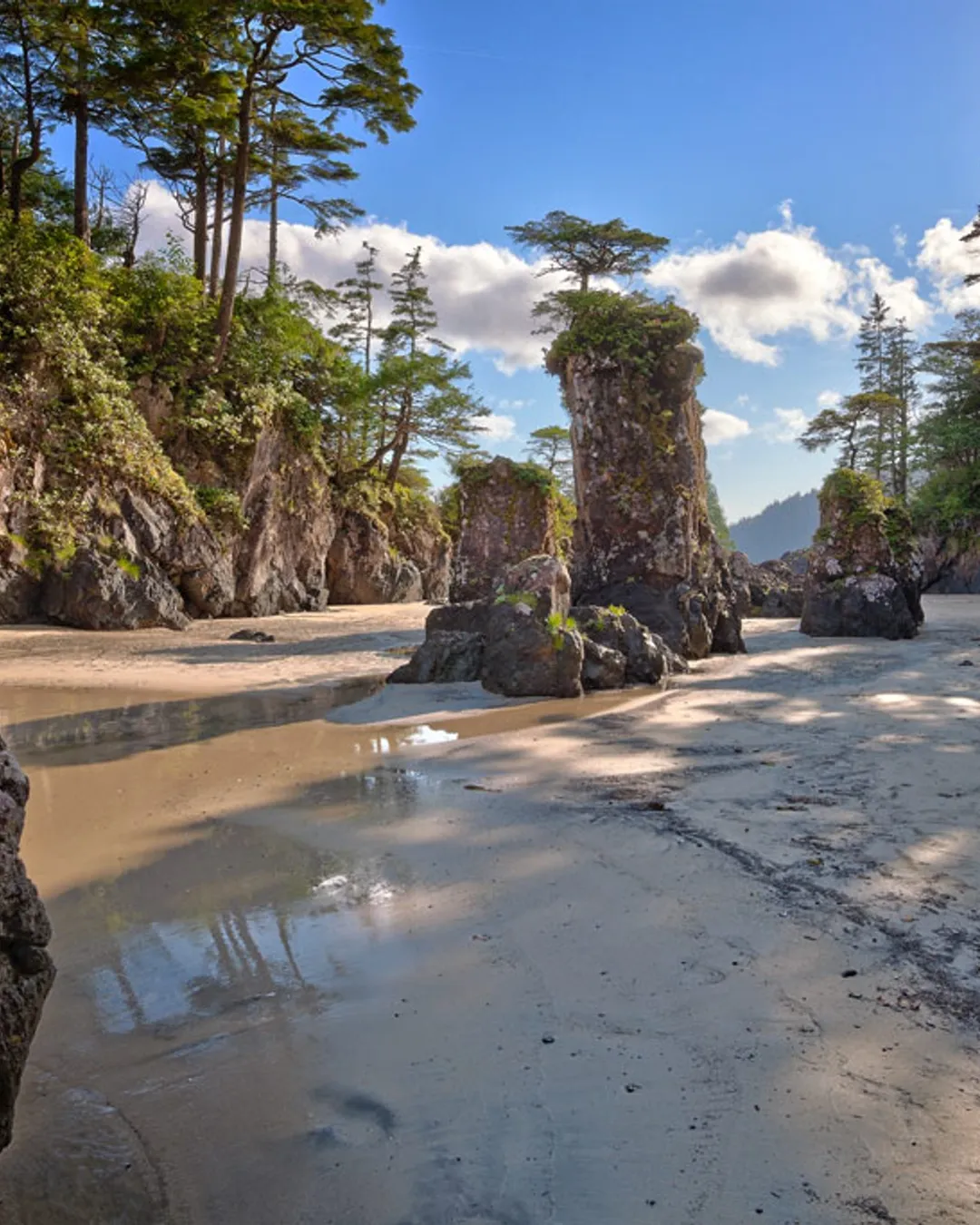
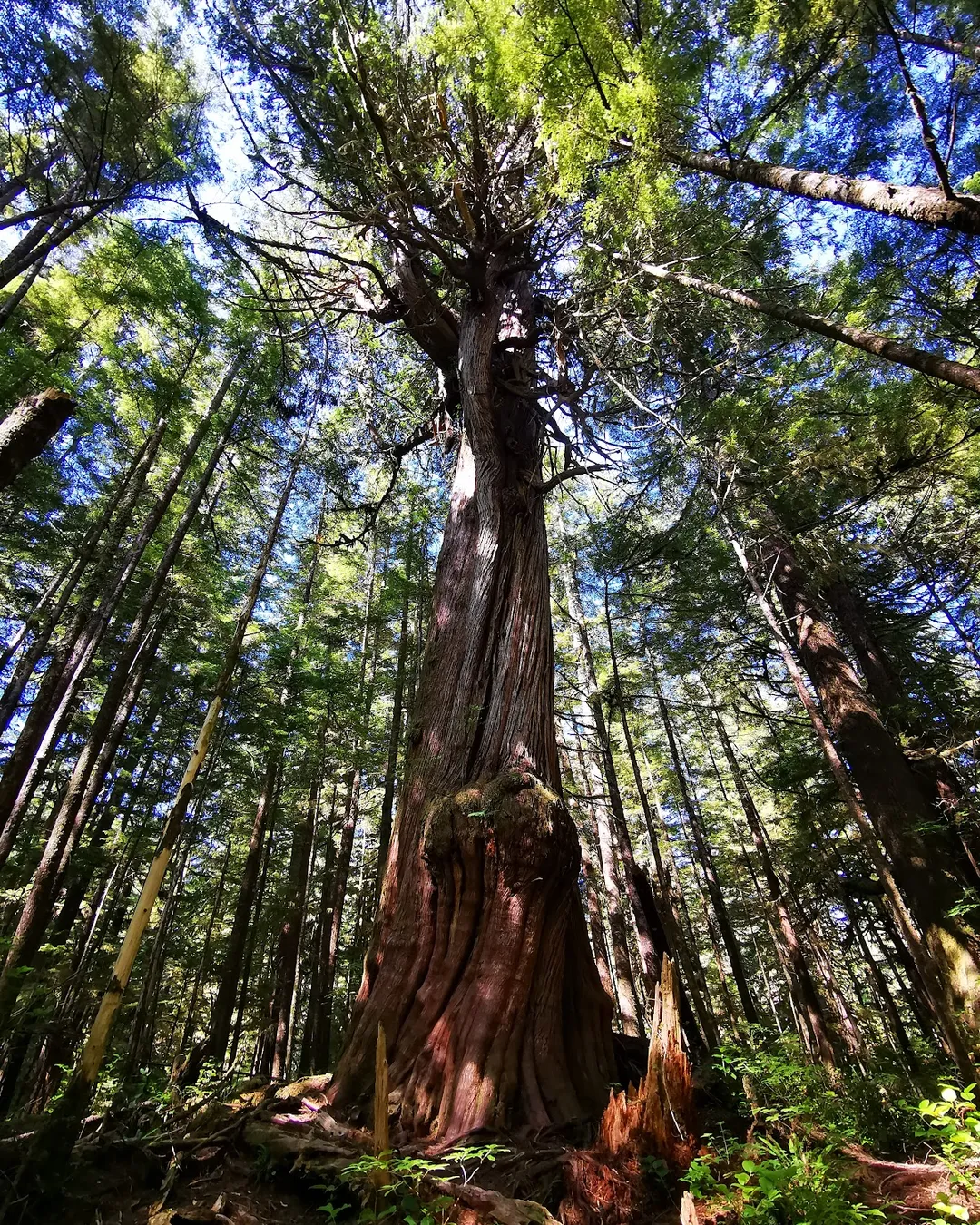
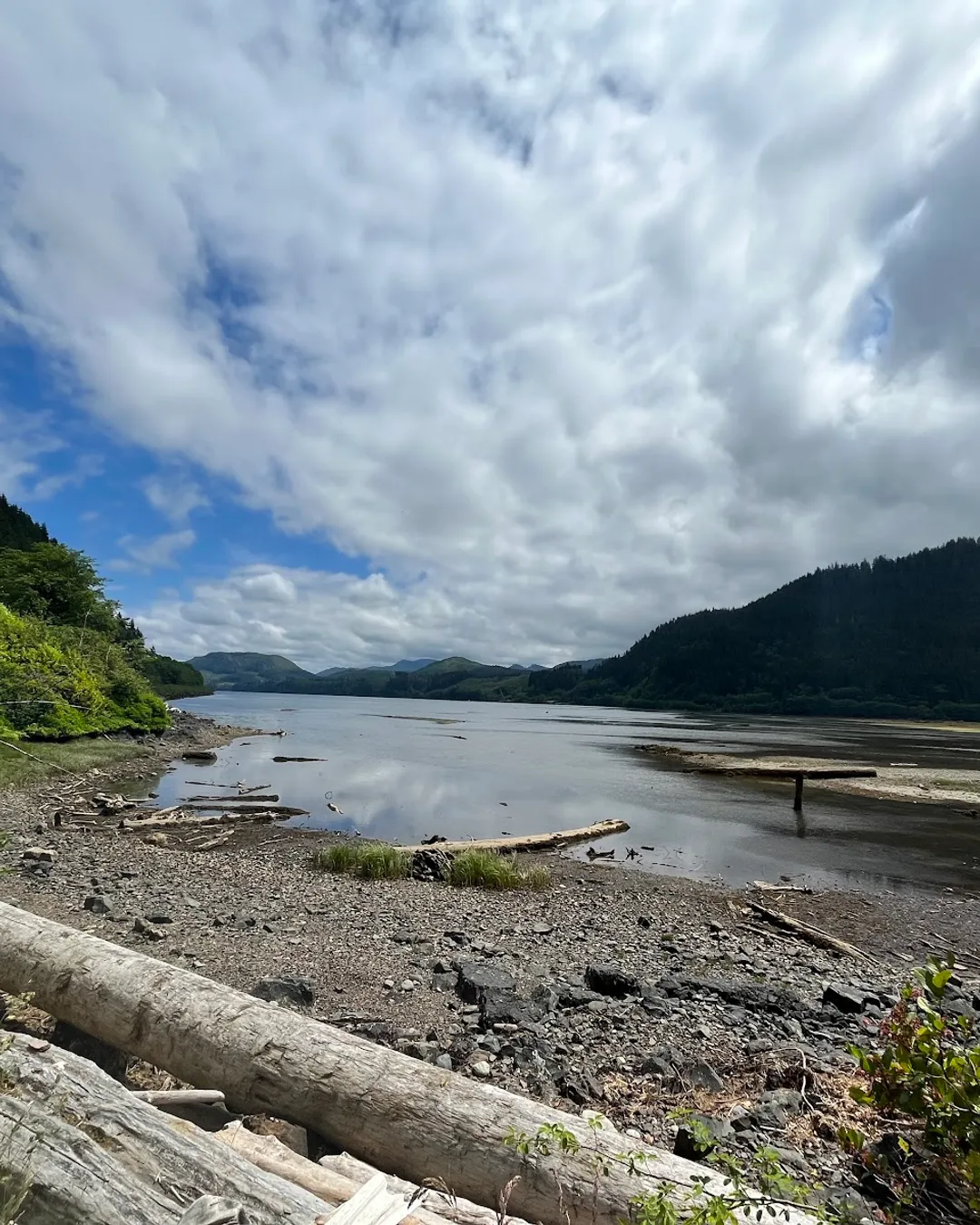
Tucked away on the north side of Quatsino Sound near Holberg, Grant Bay is one of those places that makes you feel like you’ve stumbled into another world. It’s quiet, raw, and stunningly beautiful — a long stretch of soft white sand framed by rugged coastal rock and old-growth forest.
It’s the kind of beach that reminds you what wild still feels like.
Getting There
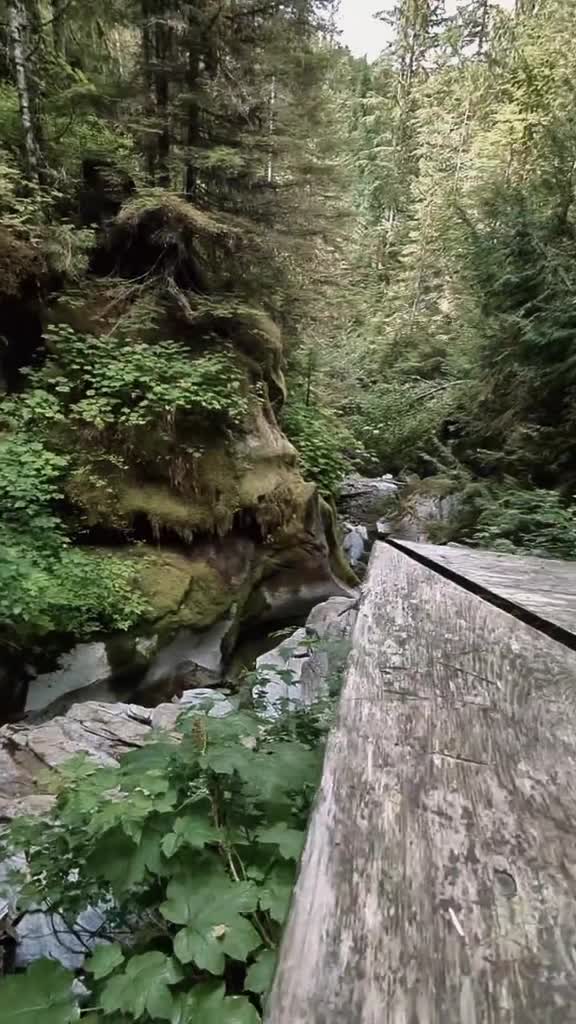
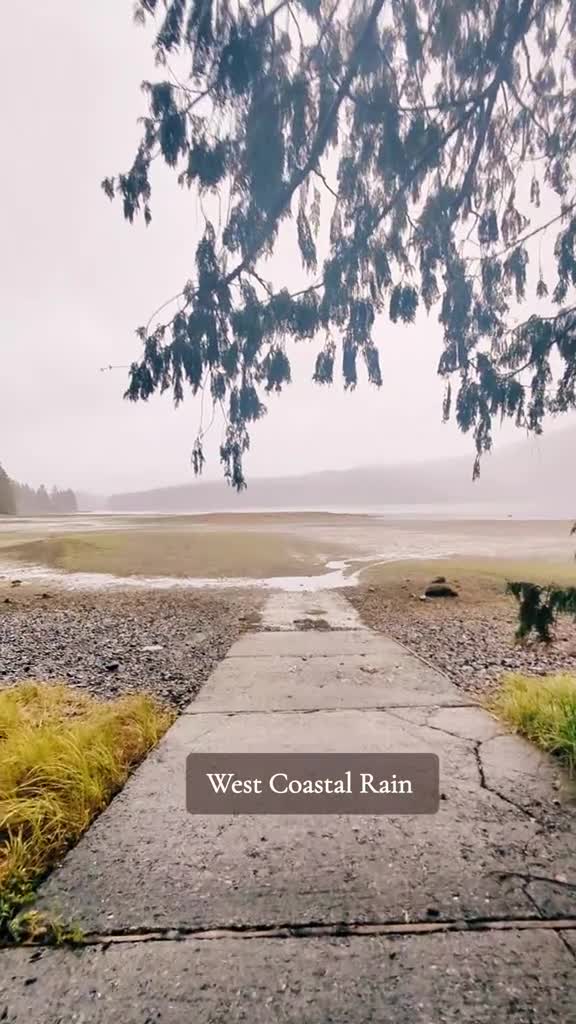
Grant Bay isn’t easy to reach — and that’s part of its charm. The drive out is an adventure in itself, winding through active logging roads that can be rough, muddy, and full of potholes (especially after rain). A 4x4 vehicle is highly recommended. Once you reach the small parking area, it’s just a 10-minute forest trail walk down to the beach.
Take your time on the road — it’s slow going, but the payoff is unforgettable.
What You’ll Find
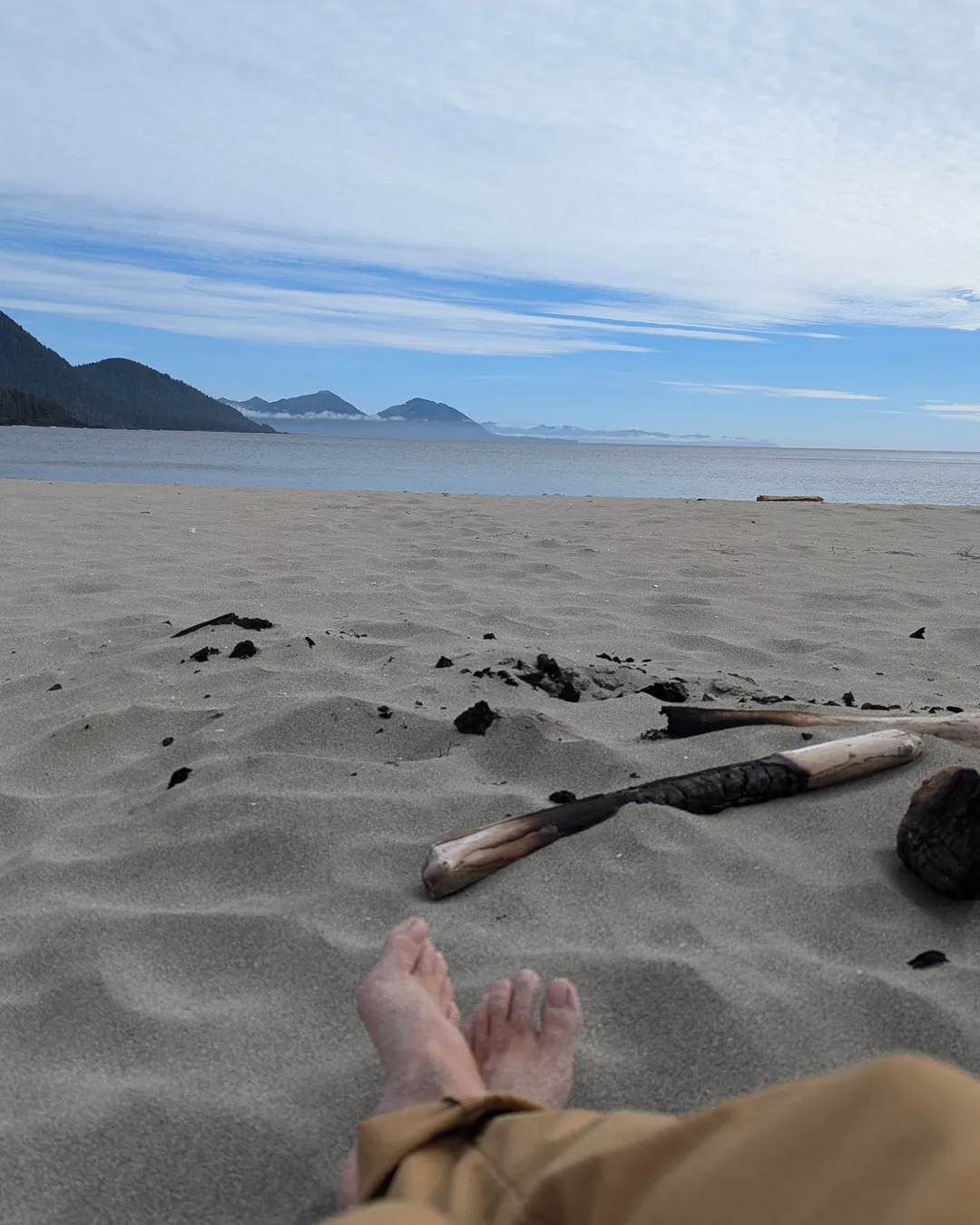
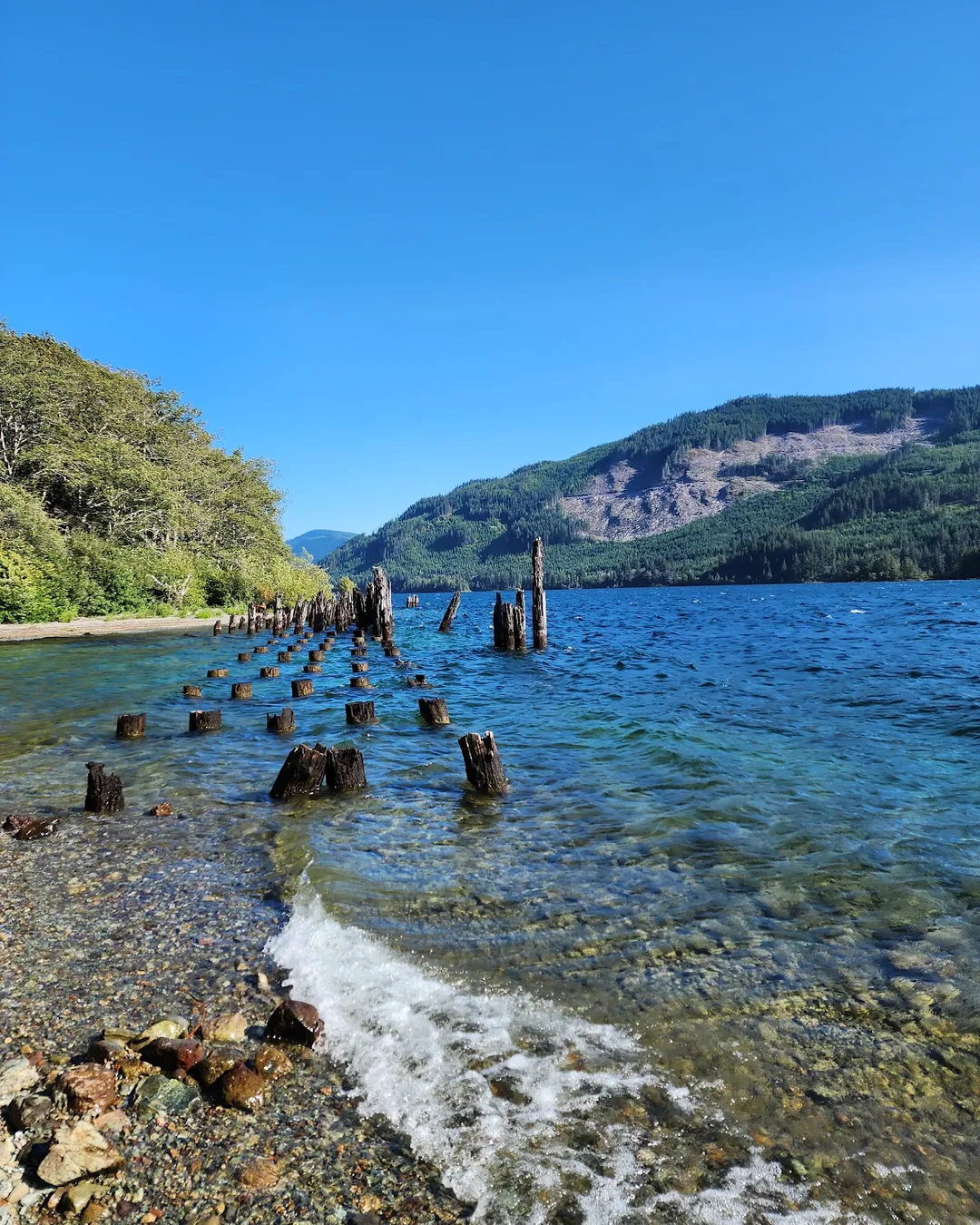
When you step out of the trees, the first thing you’ll notice is the clarity of the water and the quiet. It’s one of the most peaceful beaches on Vancouver Island — ideal for swimming, kayaking, or paddleboarding on calm days.
Keep your eyes on the horizon — it’s common to see sea otters playing in the surf, and if you’re lucky, whales or seals passing by.
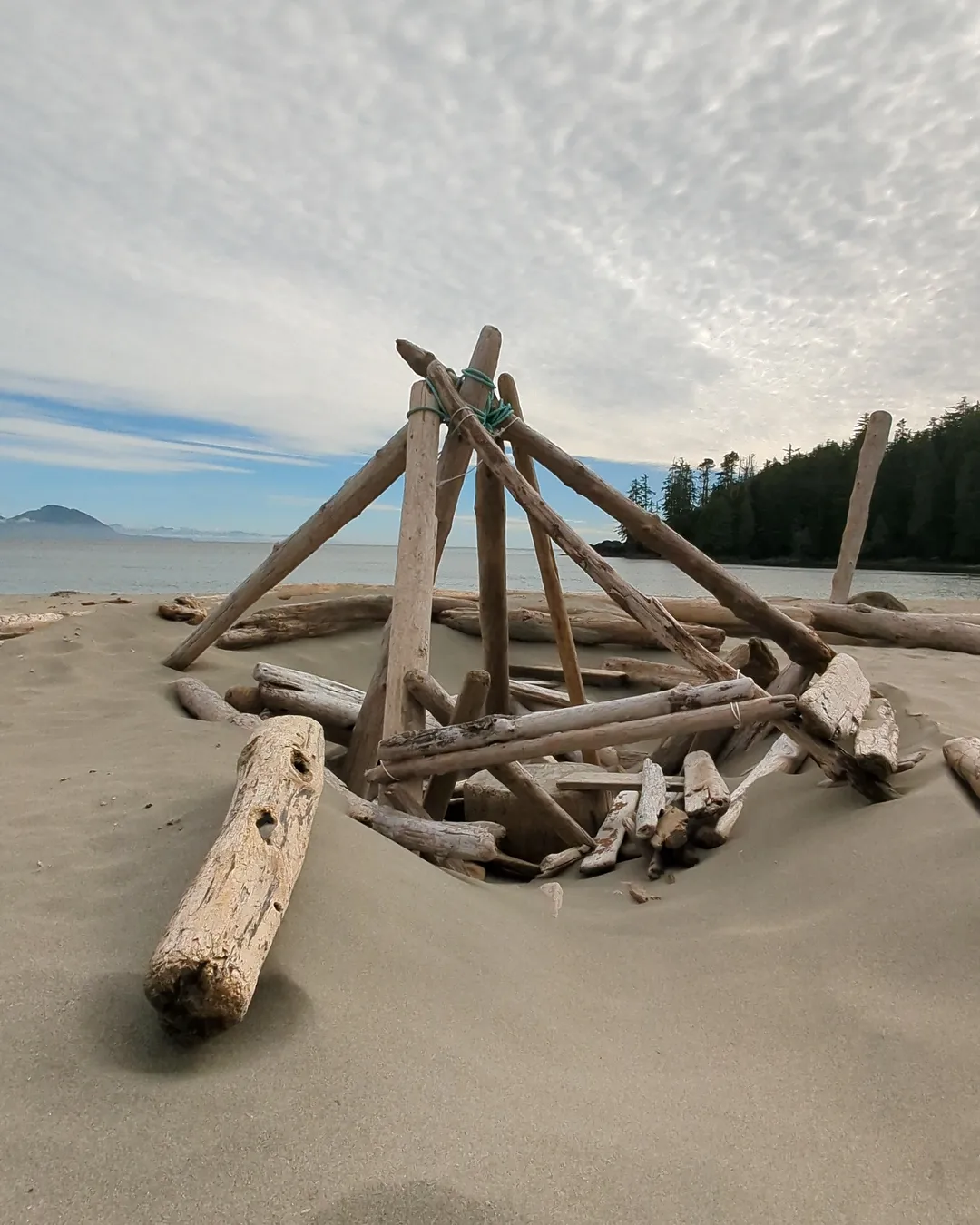
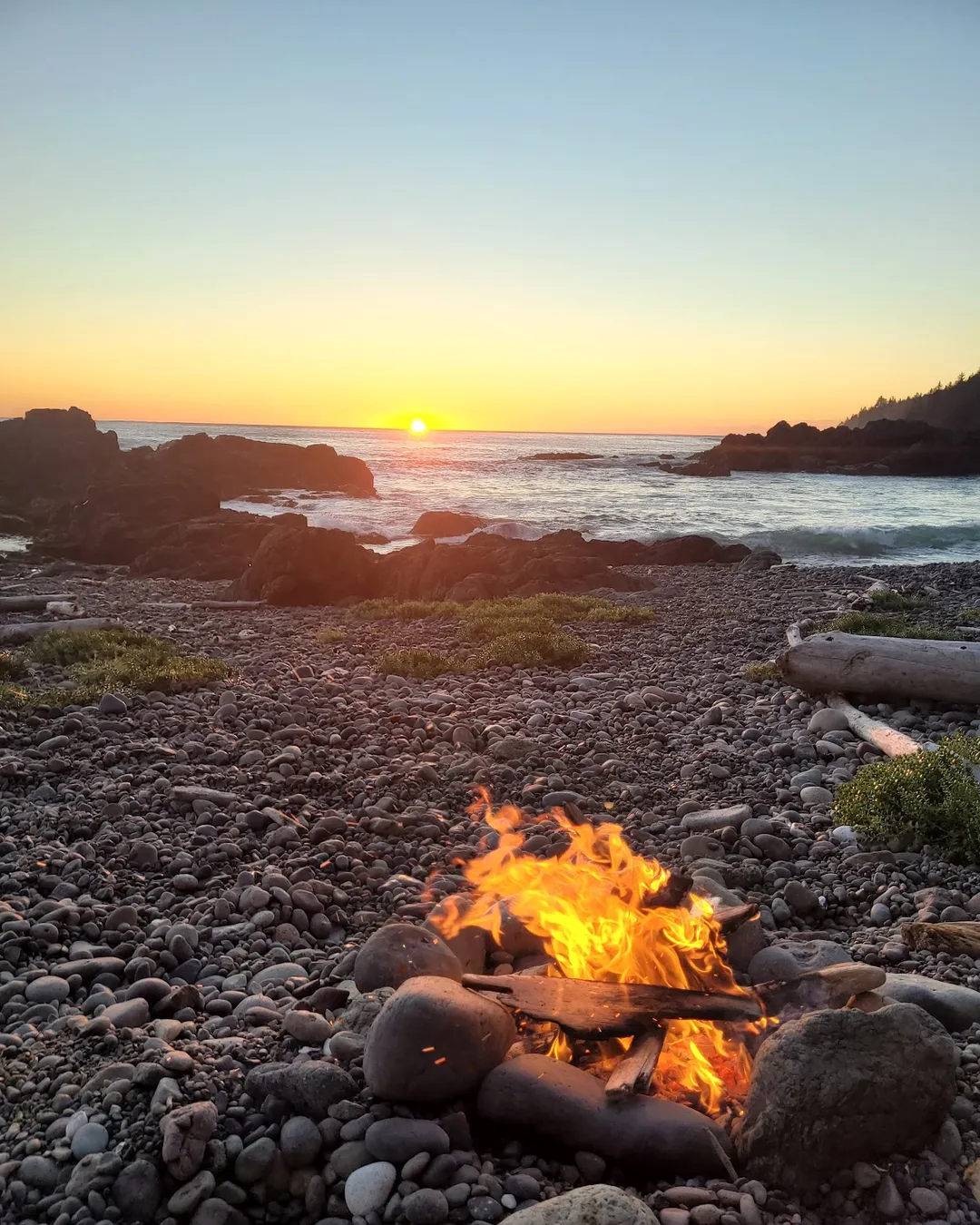
At either end of the bay, rocky points frame the sand, and driftwood lines the shore — perfect for sitting back with a coffee or setting up a rustic beach camp for the night.
Camping & Activities
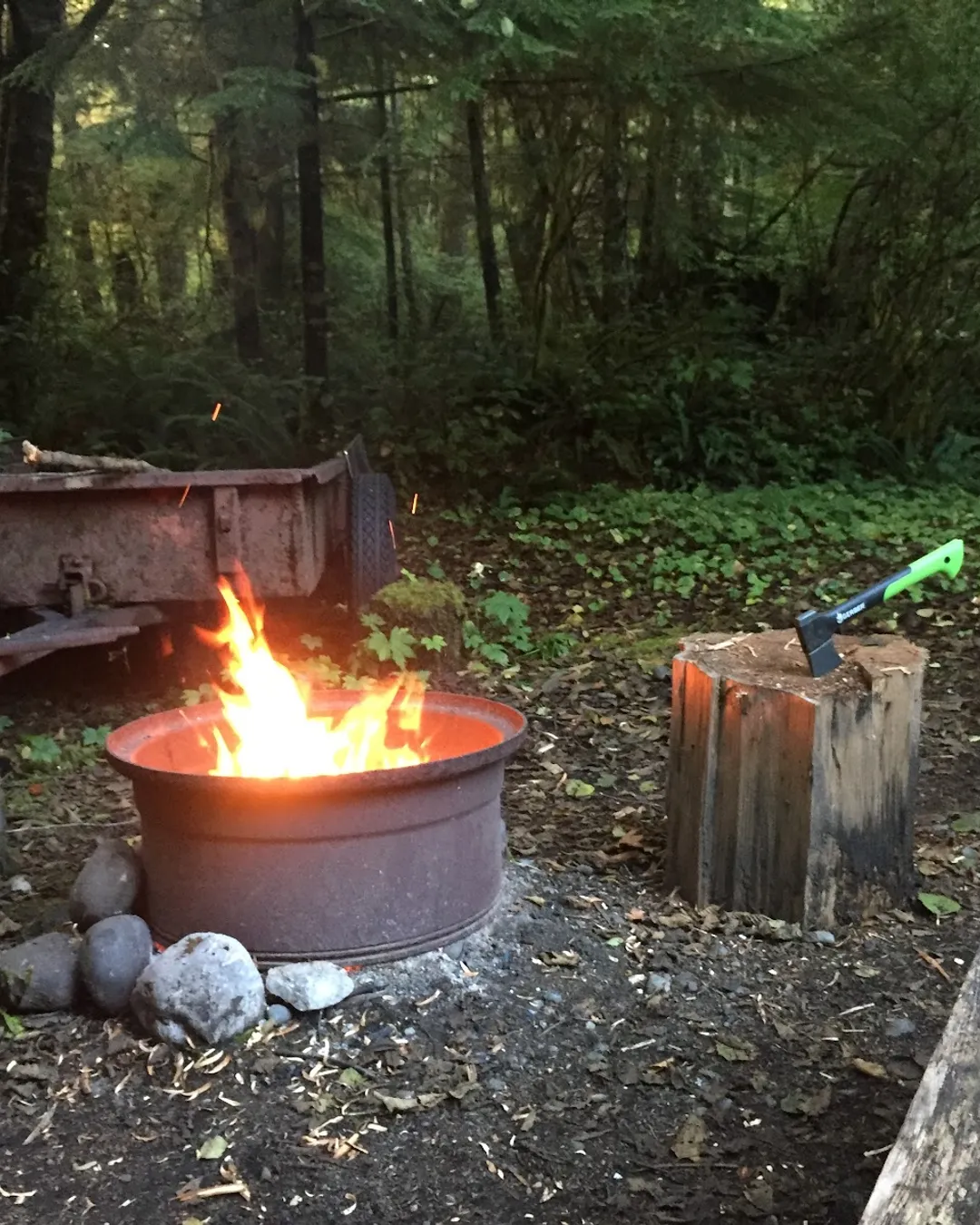
There are no facilities or services, so this is true back-to-basics camping. Bring everything you’ll need — water, gas, and food — and pack out absolutely everything you bring in.
Fires are allowed when permitted, but always check fire bans before lighting one.
Popular activities here include:
Beachcombing for shells and driftwood
Swimming and paddleboarding in calm weather
Photography and wildlife watching
Relaxing under the stars, far from the city glow
Grant Bay is remote — so plan and prepare.
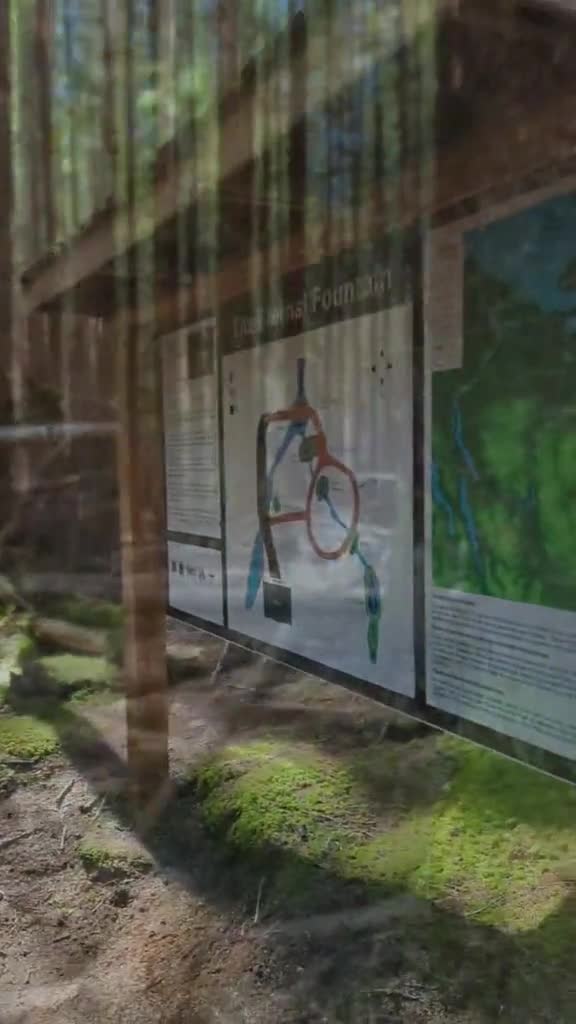
Navigation: Bring paper maps or download offline GPS maps. There’s little to no cell service in this area.
Emergency gear: A satellite phone or GPS messenger is highly recommended.
Respect the land: Stay on the trail to protect the delicate forest floor and coastal habitat.
Travel smart: Let someone know your plans before heading out.
This is Indigenous land, home to generations of people who have lived in harmony with this coast. Treat it with respect — leave no trace, move quietly, and carry gratitude for being able to experience such an untouched place.