What to Expect
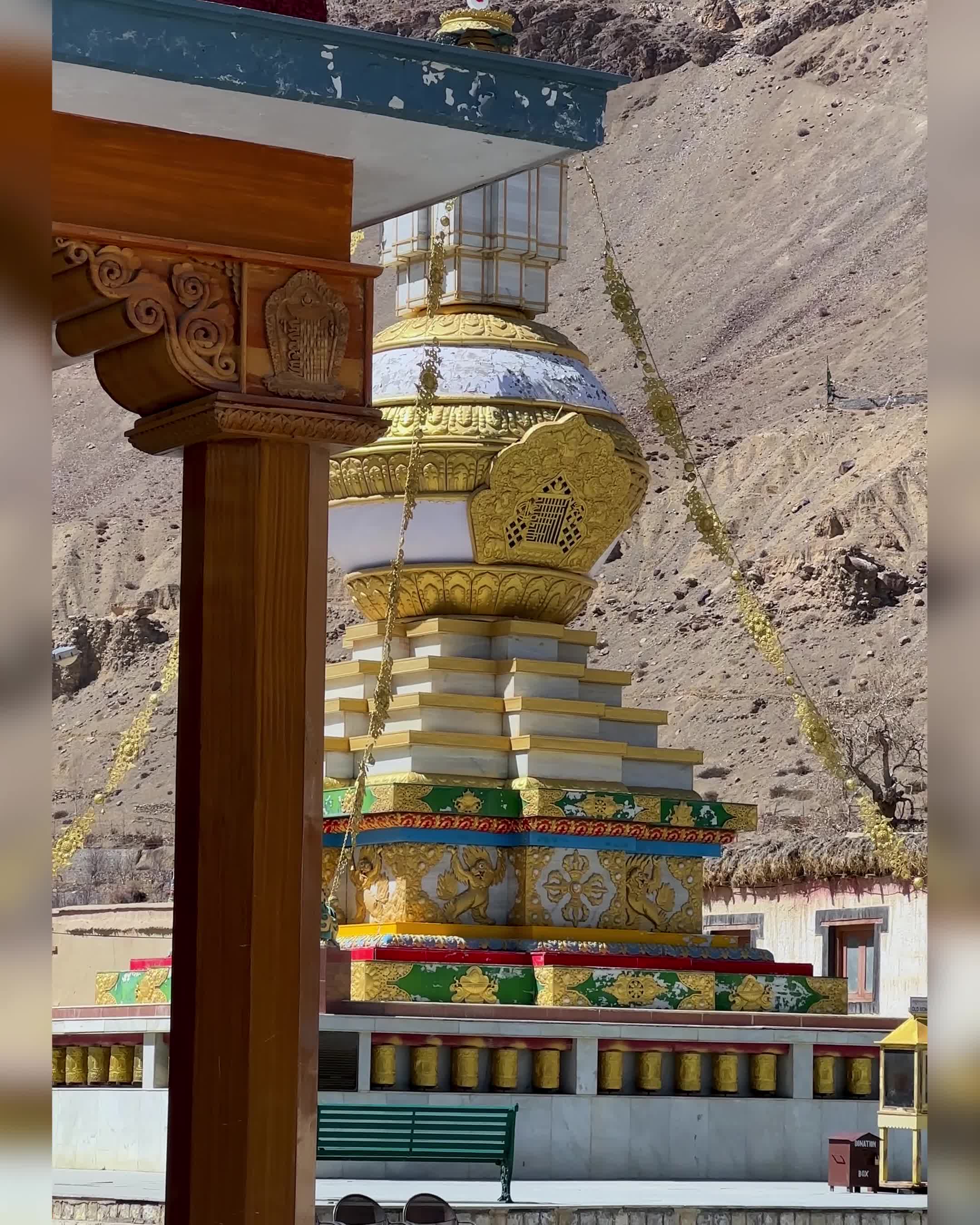
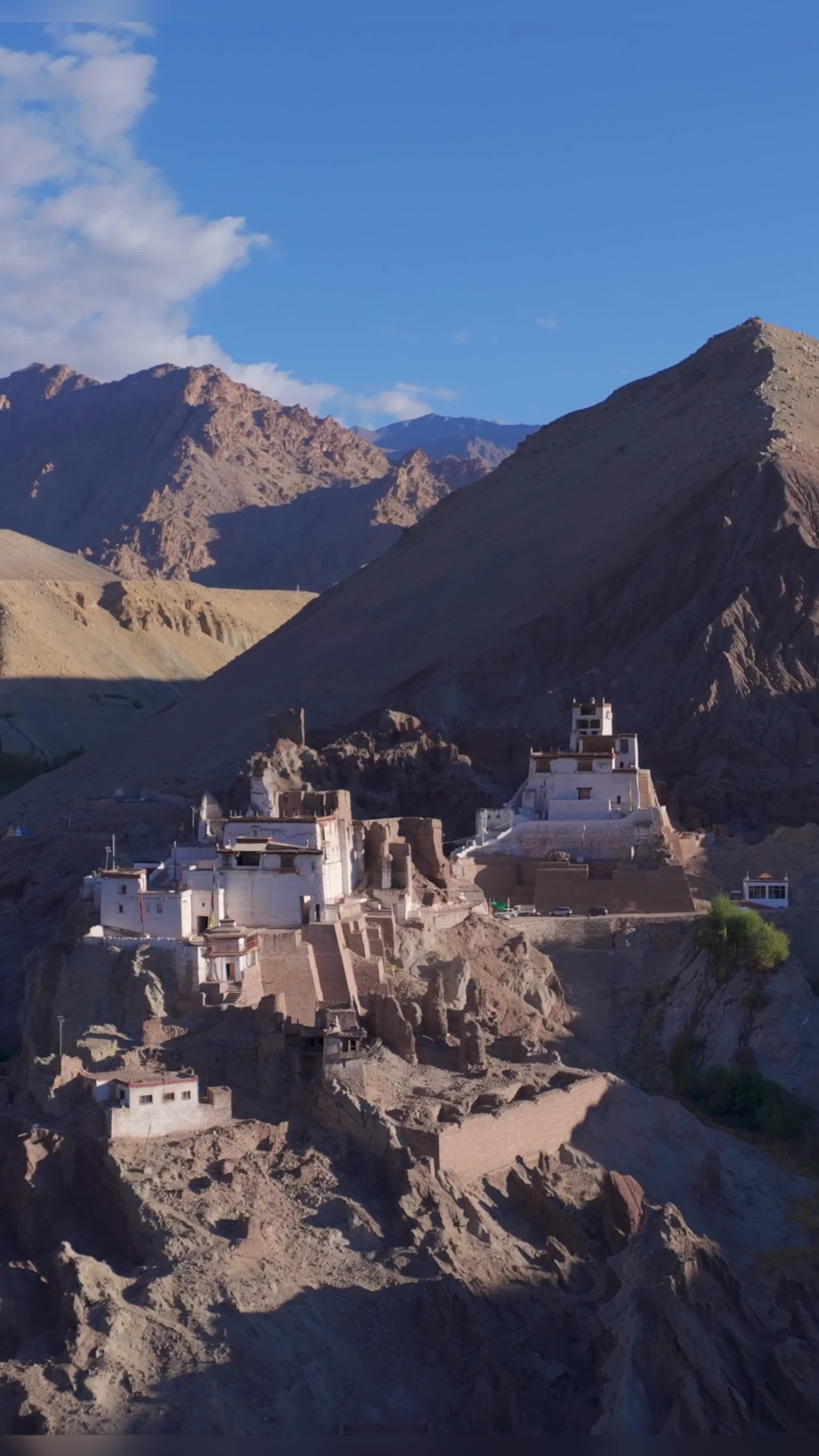
The moment I stepped into the monastery, it felt like I had walked into a place far older than time itself. This isn't just any monastery, it's over a thousand years old, with mud walls that have withstood earthquakes, snow, and silence. There’s no gold or towering grandeur here. The murals are faded, the prayer halls are lowlit, and there’s a weight to the silence that makes you instinctively whisper. Monks move slowly, some sitting outside in the sun, others guiding visitors in and out with quiet grace.
How to Get There
Tabo Monastery is tucked into the dusty folds of Spiti, about 50 km from Kaza. The drive here is stark and beautiful, dramatic cliffs, winding rivers, and barely a soul on the road. Roads are mostly smooth but narrow, and while the stretch is isolated, it’s all part of the journey. If you’re heading from Nako or Dhankar, Tabo makes for a perfect stopover.
For the Curious
Tabo isn’t called the "Ajanta of the Himalayas" for nothing. Its ancient frescoes, tucked behind wooden doors and dimly lit corridors, feel sacred, fragile, and alive. The monastery is still active, with students learning scripture and rituals the way it’s been done for centuries. There’s also a newer section uphill, but the old one? That’s the magic. If you ask politely, a monk might even show you some of the hidden murals that aren’t always open to the public.
Good to Know
Photography inside is not allowed, and thank god for that, because it forces you to just look. Entry is free, but do leave a small donation if you can. Best to visit in the morning when it’s less crowded. There are a couple of homestays and cafés nearby where you can get basic food and a warm bed. Don’t rush this one, sit, breathe, and let the silence fill you up.