What to Do
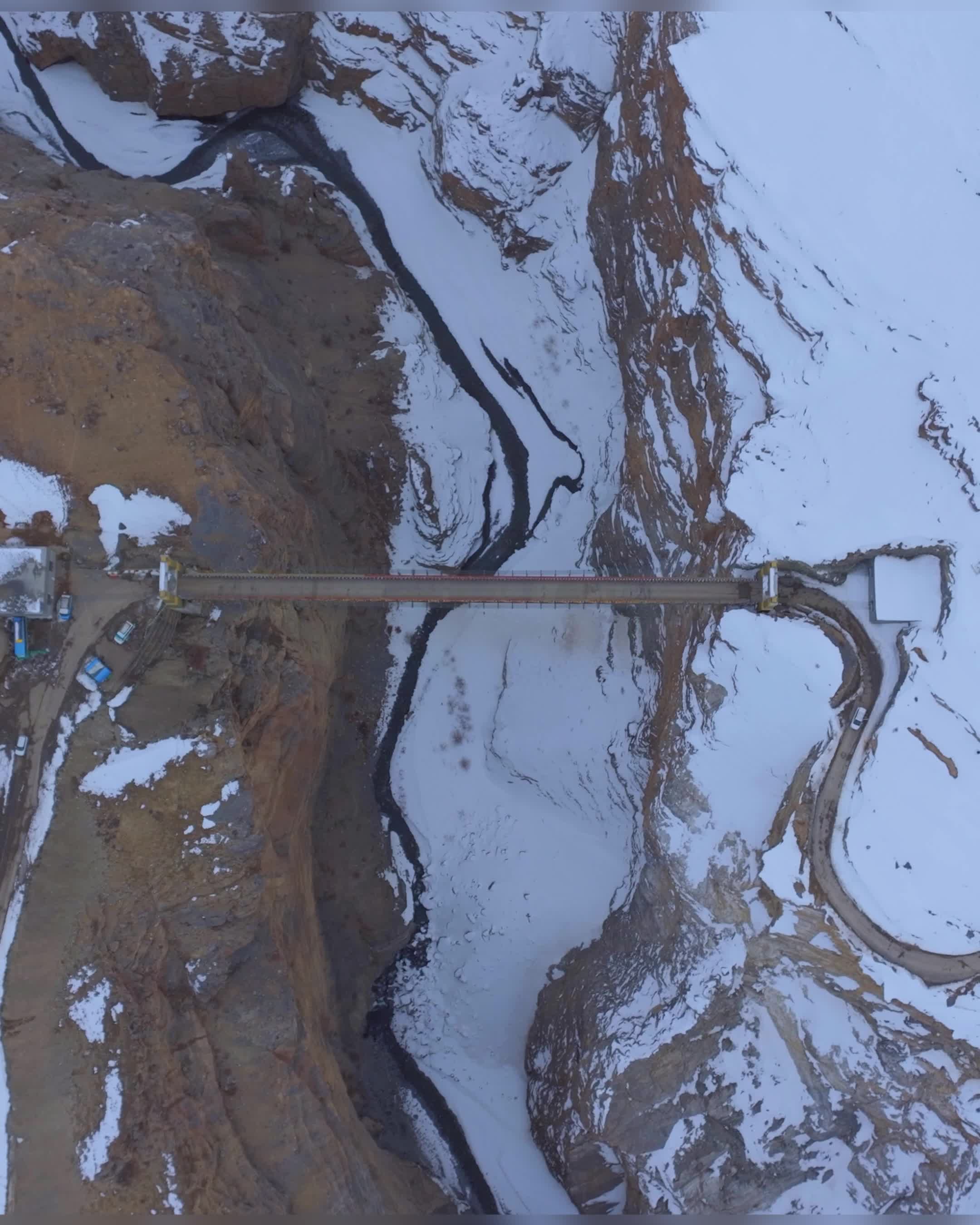
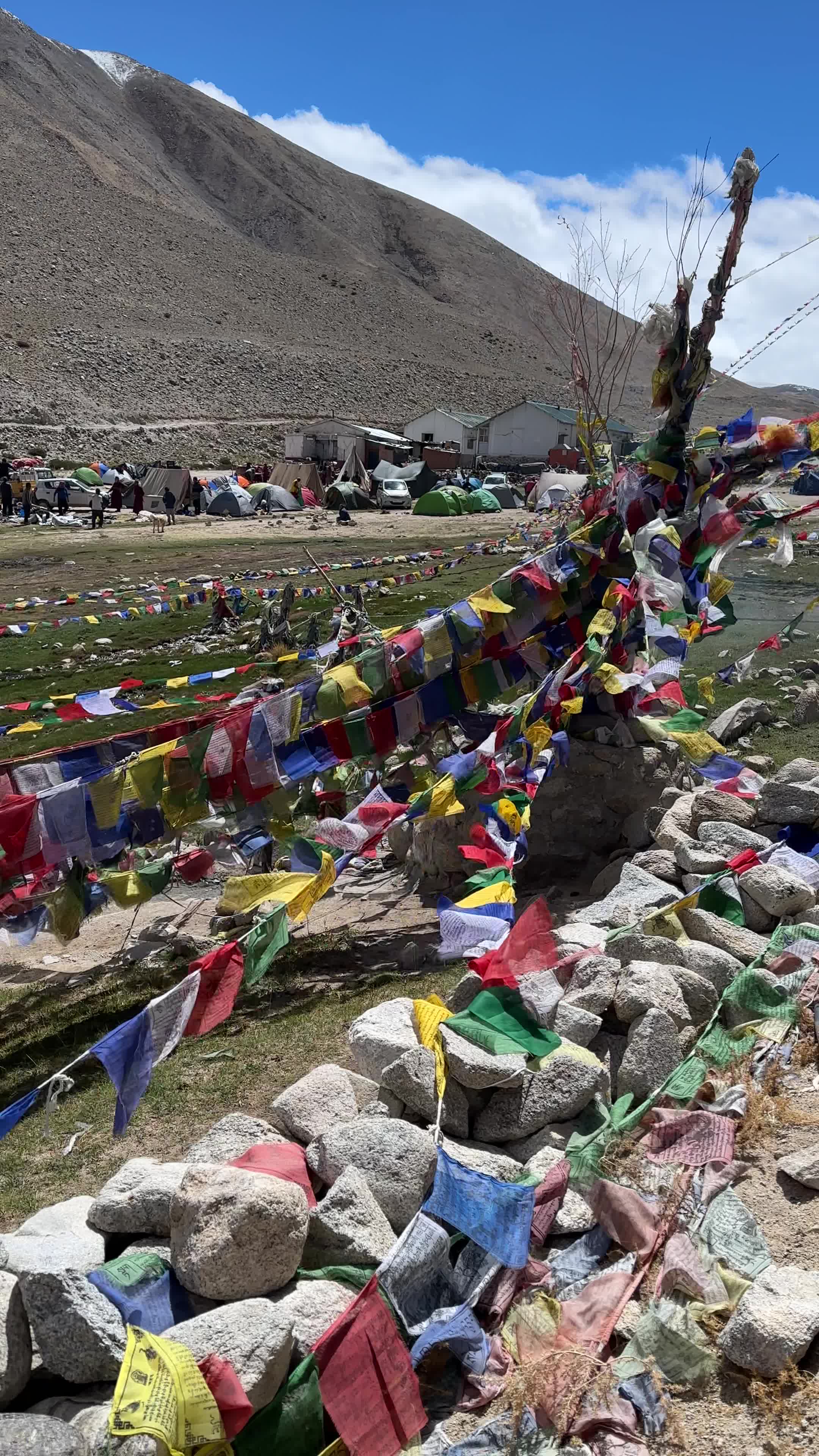
You don’t really do much on Chicham Bridge, you just stand there, and feel small in the best possible way. It's the highest suspension bridge in Asia, but more than the numbers, it's the setting that hits you. One side drops into a canyon so deep your stomach flips, the other side opens up to barren cliffs and sky. I crossed it by foot, slowly, the wind howling in my ears, with prayer flags fluttering wildly. You can also drive across, it connects Kibber and Chicham villages, but trust me, stopping and just being there is the real part. It feels like you’re on the roof of the world.
How to Get There
Chicham Bridge is around 6–7 km from Kibber village and about 20 km from Kaza. The road is fully motorable now, but it’s a typical Spiti route, narrow, dusty, and dramatic. If you’re staying in Kaza, just ask any local taxi or bike rental about the bridge, it’s an easy add-on if you’re heading to Key, Kibber, or Tashigang. The drive itself is almost as epic as the bridge. Think Mars, but with yaks.
For the Curious
Before this bridge was built, locals had to cross the gorge using a manual cable pulley, like a literal iron box on a wire. Imagine doing that in winter. The bridge opened in 2017 and changed everything for the villages here, especially for access during snow season. It’s 13,500+ feet above sea level and built over a deep gorge carved by the Samba Lamba Nallah. No tickets. No entry gate. Just raw landscape, a narrow suspension bridge, and the feeling that maybe, just maybe, you’re not meant to understand how small you are, only feel it.
Good to Know
There’s no network here, so forget Instagram lives, take your photos, soak it in, and post later. Wind gets brutal, especially in the afternoon, so dress warm even in summer. No food or water around, carry your own. And be careful when stepping out for pics, especially near the railings. If you're lucky, you might spot Himalayan blue sheep (bharal) scaling vertical cliffs like they’re on flat ground.