How to Get There
Tso Kar is located in the Rupshu Plateau, about 150 km southeast of Leh, off the Leh–Manali Highway. The usual route is via Upshi → Tanglang La → Debring → Thukje → Tso Kar, taking 5–6 hours by road.
Roads are motorable from late May to October.
Inner Line Permit (ILP) is required for both Indian and foreign nationals.
4x4 or high-clearance vehicles are recommended due to rough patches after Debring.
What to Expect
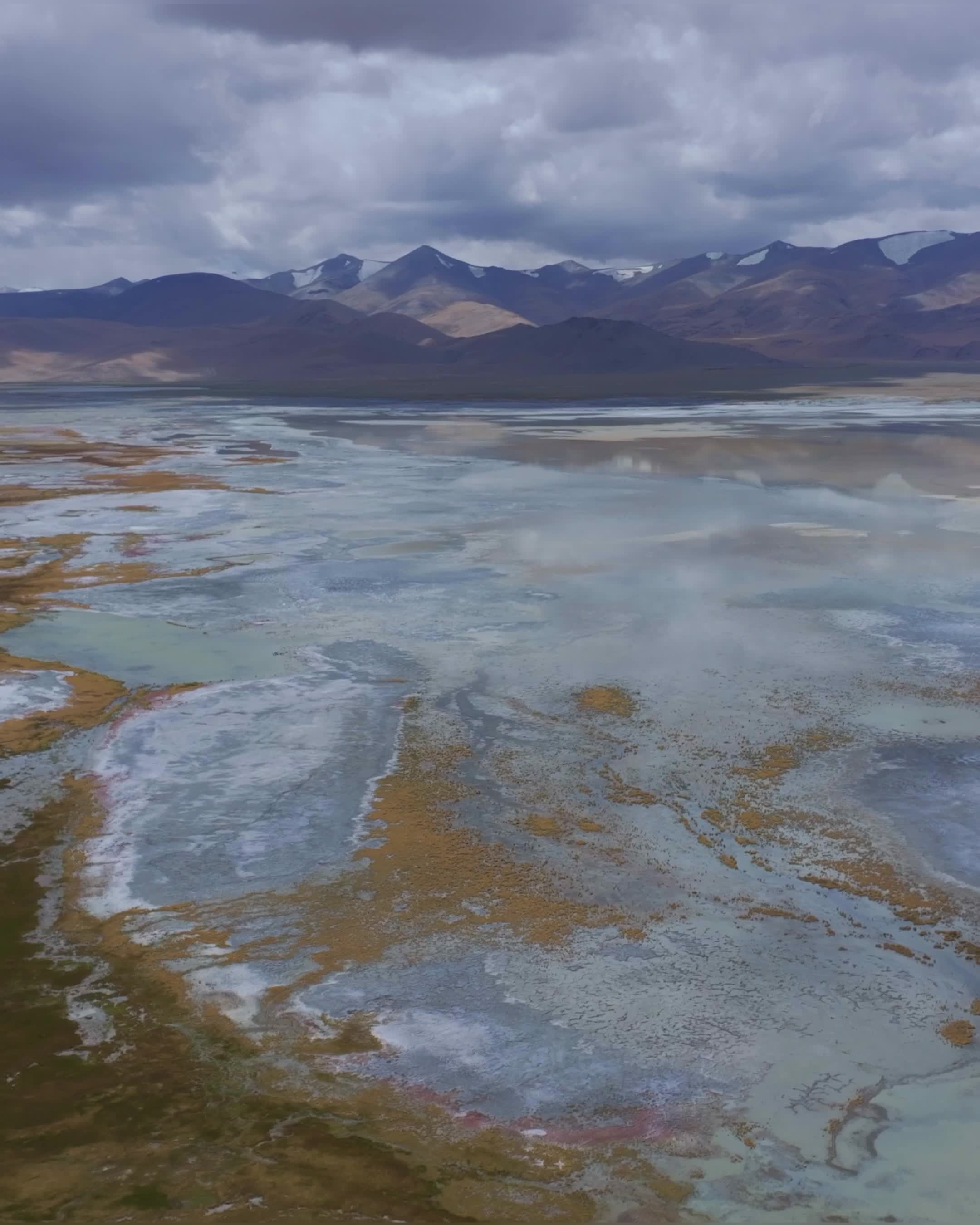
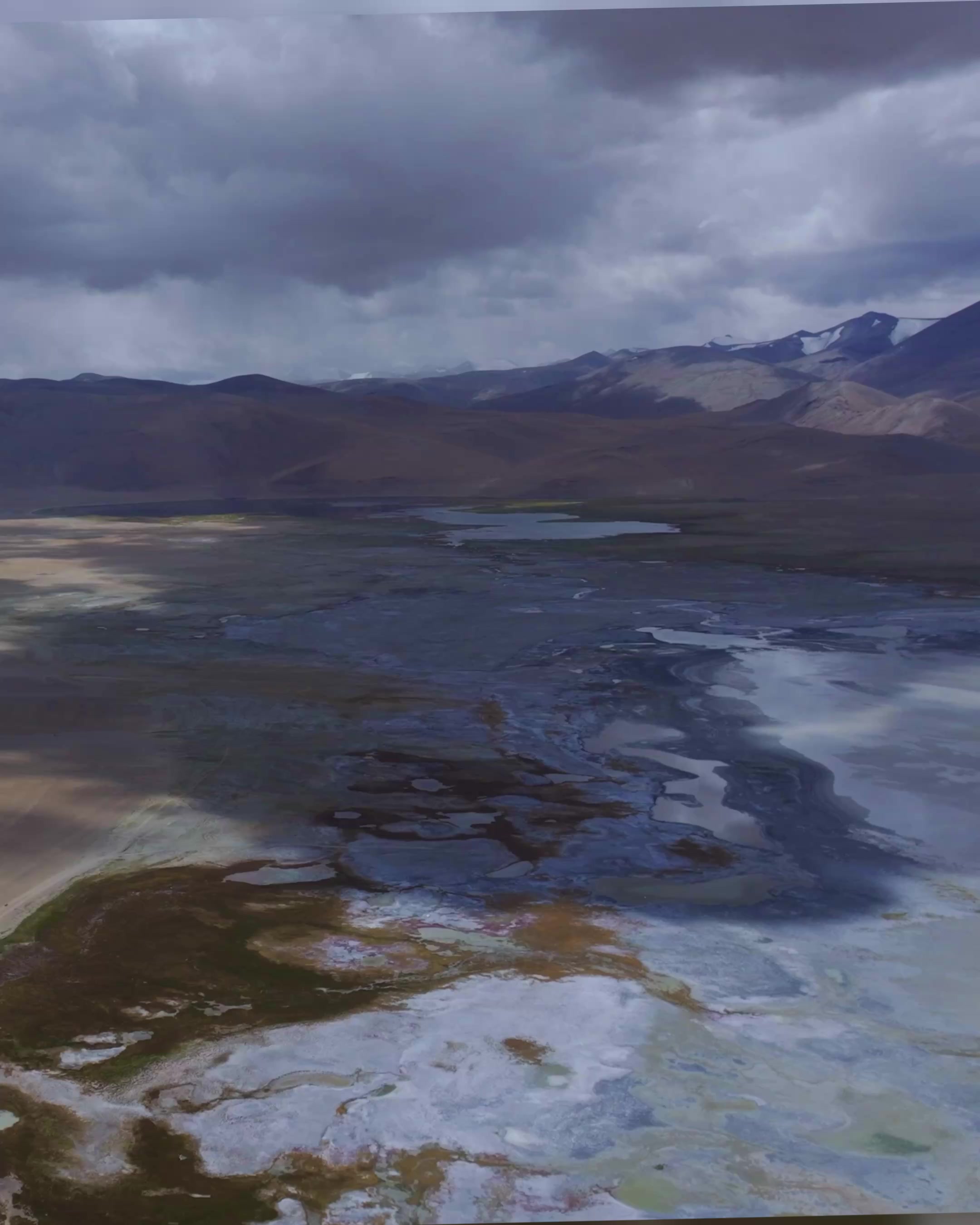
Tso Kar is a brackish to saline high-altitude lake, sitting at around 4,530 m. It's smaller and less visited than Pangong or Tso Moriri but offers absolute quiet, open skies, and rich birdlife. The lake is surrounded by white salt flats, rolling hills, and nomadic settlements. You’ll often see kiangs (wild asses), marmots, and black-necked cranes in the area. There’s little development, making it perfect for off-grid camping and serious photography.
Camping at Tso Kar
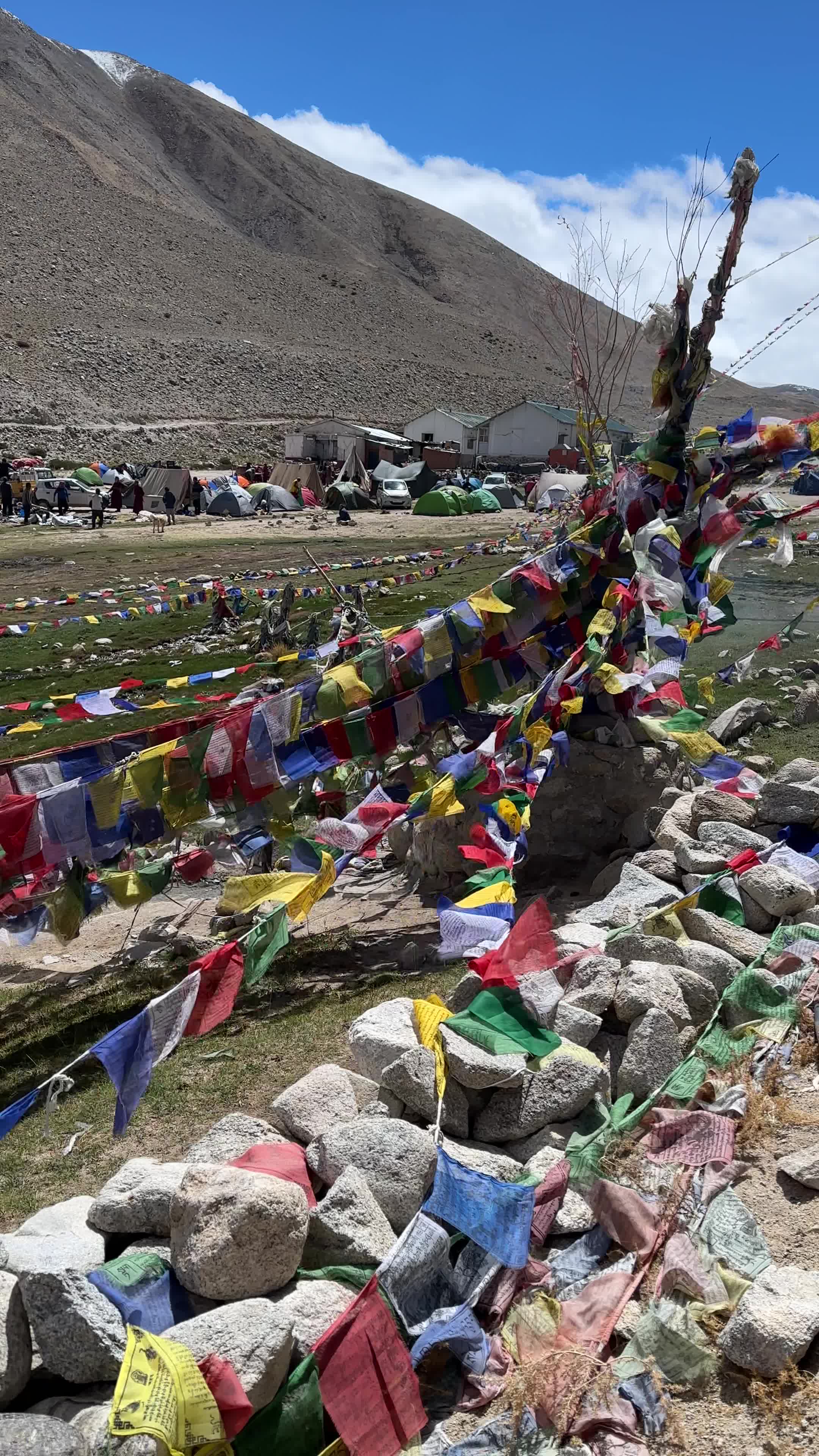
Wild camping is allowed near Thukje village or on flat land around the lake.
A few eco camps and homestays operate during summer months—basic but functional.
Nights are cold and windy, come fully equipped with warm gear, food, and power banks.
Avoid pitching tents too close to the shoreline, much of the area is ecologically sensitive.
For the Curious
"Tso Kar" means “White Lake,” named for the salt deposits that line its banks.
The lake once supported local salt trade, but that’s now mostly abandoned.
Part of the Tso Kar–Tsokar Basin Wetland Reserve, it’s recognized for its rare migratory birds.
The twin lake system includes Tso Kar (saline) and the smaller Startsapuk Tso (freshwater).
Good to Know
No entry fee, but carry your permit.
Altitude sickness is common here—acclimatize well before visiting.
No mobile signal, no ATMs, no fuel stations—stock up in Leh or Upshi.
Best time to visit: June to September.
Combine with trips to Tso Moriri, Tanglang La, or Morey Plains