What to Expect
You’ll earn your silence here. The pass opens up to sweeping views of untouched ridgelines and snow-dusted peaks that don’t care for human presence. This isn’t a spot for picnics or casual stops. The air is thinner, the winds sharper, and there’s a strange, grounding humility in the landscape. You look around, and suddenly, the world feels much bigger than you.
How to Get There
Hasta Pass isn’t your regular tourist stop. It’s one of those hidden Himalayan passes that often comes into conversation among serious trekkers heading toward the Lahaul-Spiti or Kinnaur routes. Reaching here usually involves a high-altitude trek, guided and well-planned. There’s no direct road access; if you’re chasing it, you’re likely already deep into an expedition.
For the Curious
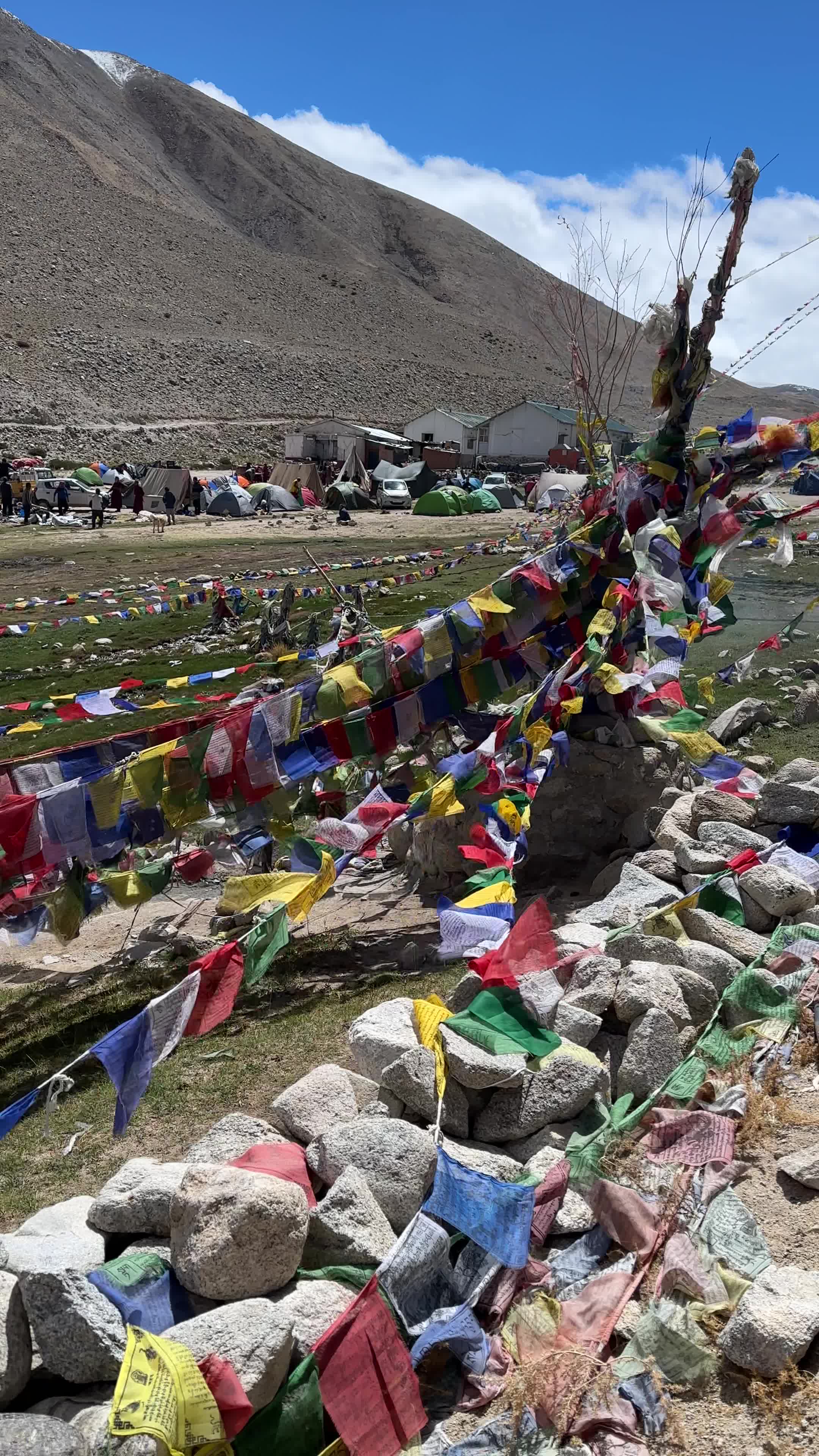
There are no signboards or chai stalls, just prayer flags flapping violently in the wind, and a reminder that you're high up in the bones of the Himalayas. This is where the earth feels sacred without needing to explain why. You’ll often meet shepherds or small groups of trekkers en route, sharing stories in broken Hindi or English, passing around dry fruits like ancient currency.
Good to Know
Do not attempt this without a local guide or proper gear. This is high-altitude trekking terrain, and weather changes here faster than your phone’s battery drains. There’s no mobile signal, and no help unless you’ve planned ahead. But if you do it right, Hasta Pass doesn’t just give you views, it gives you the kind of peace that follows you home quietly, like a secret you’re grateful to carry.