Roman Theater – A Step Back into Ancient Spectacles
The Roman Theater in Amman is a true gem and one of the city’s most iconic landmarks. Nestled in the heart of downtown, this ancient structure gives you a glimpse into the grandeur of Roman life—and trust me, it’s an experience you’ll never forget. As soon as you set eyes on it, the scale of the place strikes you. The theater stands as a testament to the city’s rich Roman heritage, and walking through it, you can almost hear the echoes of gladiators and performers from centuries ago.
A Grand Entrance
Entering the Roman Theater is like stepping into the past. You’ll find yourself standing at the base of a grand staircase that leads up to the seating area. The theater is huge, capable of seating over 6,000 spectators, making it one of the largest Roman theaters in the Middle East. The sheer size of it is impressive—imagine a place where ancient crowds once gathered to witness everything from theatrical plays to public executions and gladiatorial games. It’s easy to imagine the excitement that filled this place thousands of years ago.
The Design & Architecture
The theater is built into the side of a hill, which gives it a natural amphitheater shape. The seating area is divided into sections, with the lowest rows closest to the stage reserved for dignitaries and the elite, while the higher rows were for ordinary citizens. The seats are made from massive stone blocks, which have withstood centuries of wear and tear. As you take your seat and look down at the stage, you can almost feel the grandeur of the performances that once took place here.
The design of the theater is not just functional; it’s also a masterpiece of Roman engineering. The theater is perfectly acoustic, and this is something you can experience for yourself. Stand at the center of the stage and speak—or even clap—and you’ll notice that the sound travels effortlessly throughout the entire venue. The Romans knew how to create a space that made every word and every note resonate.
The Stage & The Orchestra
At the front of the theater, you’ll find the stage area, which was once adorned with elaborate decorations and wooden structures that housed performers. While much of the original stage structure is gone, the orchestra pit in front is still well-preserved. This is where musicians and performers would have played and acted out their performances. The orchestra would have provided music for theatrical plays, which were an important part of Roman culture. Imagine the dramas, comedies, and perhaps even gladiatorial reenactments that would’ve unfolded here—truly larger-than-life events!
Roman Influence and Theatrical Legacy
The Roman Theater in Amman was built during the 2nd century AD, during the reign of Emperor Antoninus Pius. It is thought to have served as a venue for both public and private performances, playing an essential role in Roman social life. The theater was not just a place for entertainment—it was also a venue for important civic events, such as public speeches and political announcements. These performances were an opportunity for the Romans to showcase their culture, power, and artistry.
The Museum of Popular Traditions
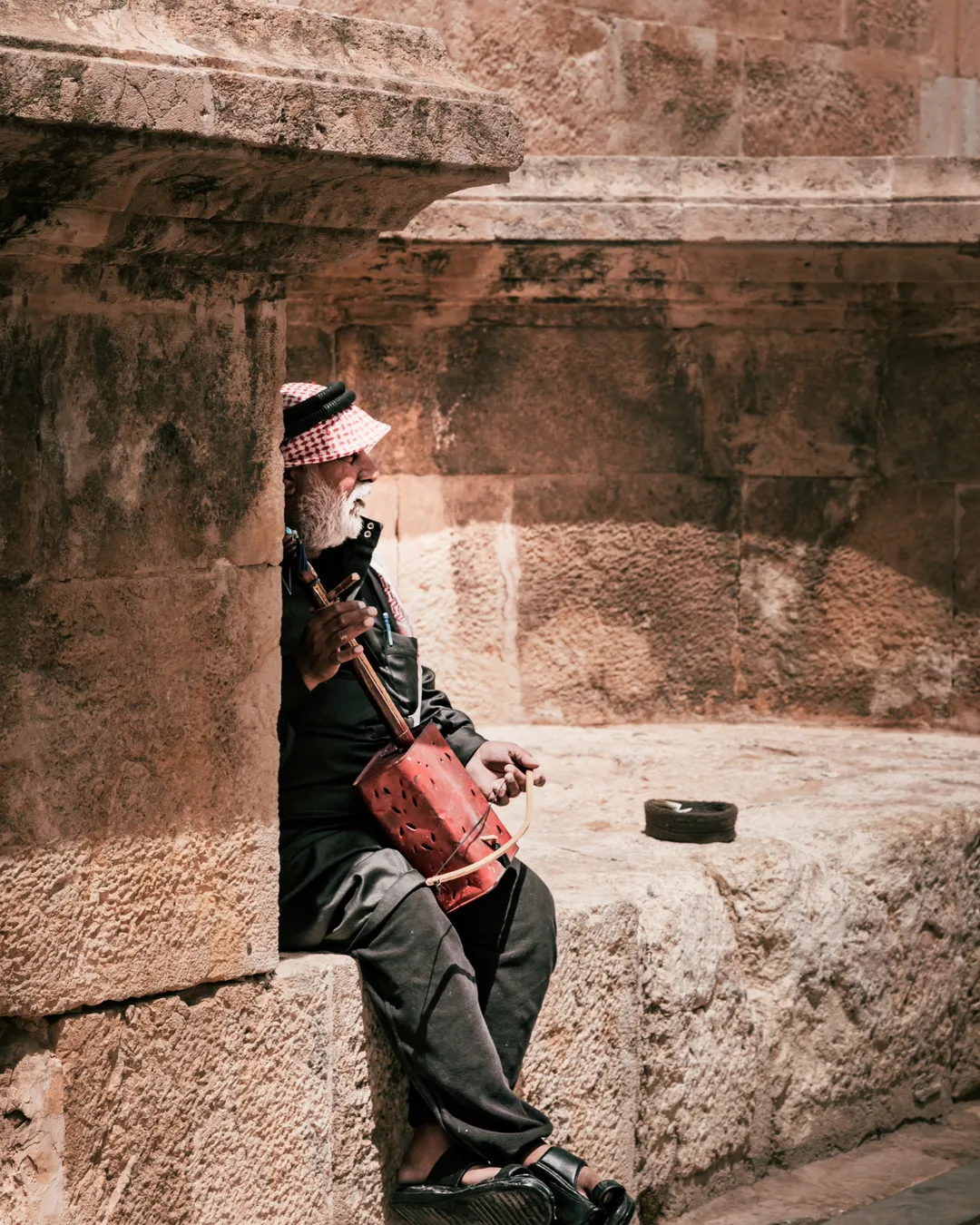
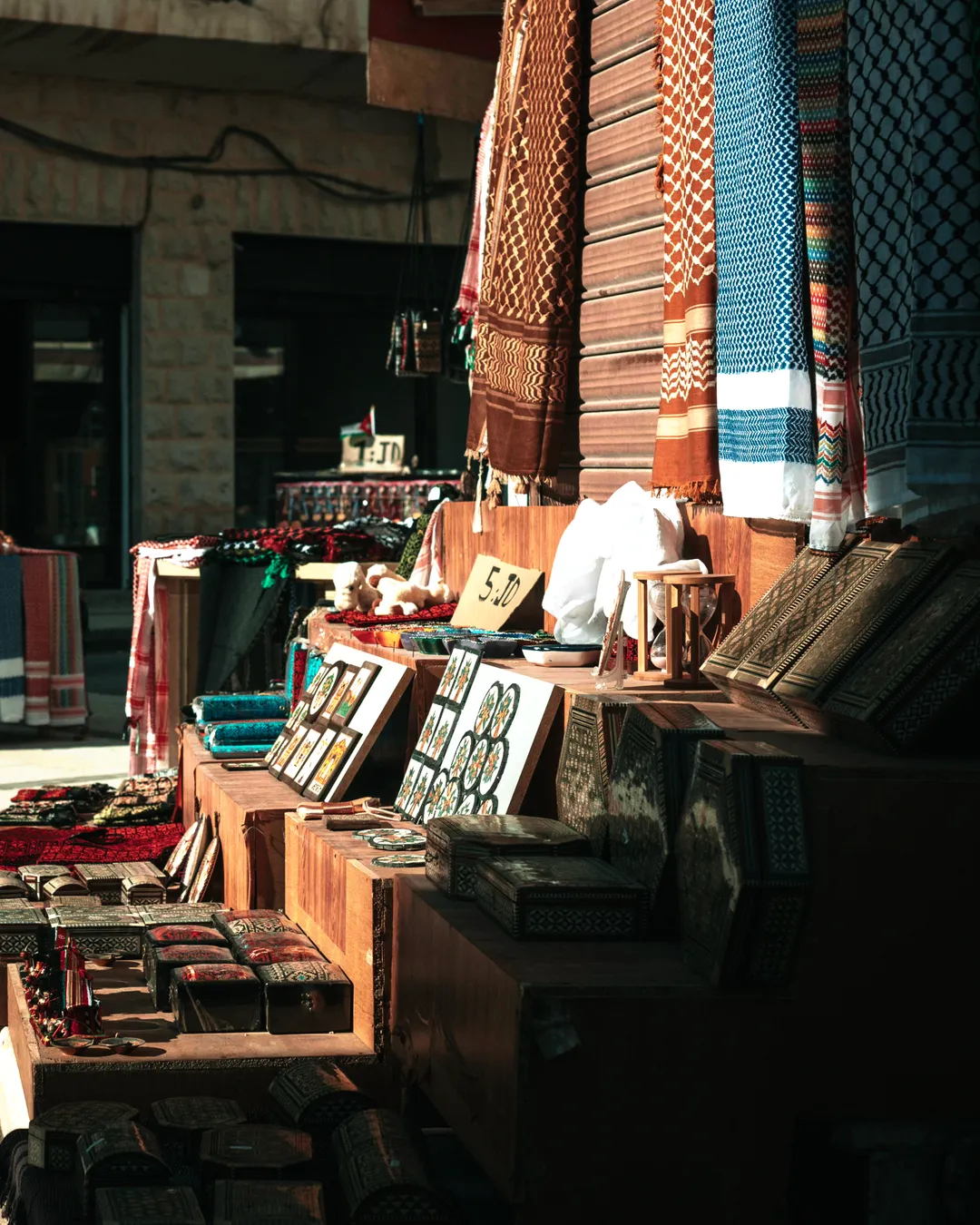
Today, the Roman Theater is more than just a historical monument. Inside, you’ll find the Jordanian Museum of Popular Traditions, located on the second level of the theater. The museum gives visitors a deeper understanding of Jordan’s rich cultural heritage, showcasing traditional costumes, music, and crafts. It’s a fascinating way to connect the ancient past with modern Jordanian culture, and you can really appreciate how the theater once served as a cultural hub for its time. The exhibits include local handicrafts, historical artifacts, and folk traditions, offering a unique mix of history and culture.
The Best View in Amman
Another reason to visit the Roman Theater is the view. From the upper seating sections, you’ll get a stunning panoramic view of downtown Amman, with its white stone buildings and winding streets. The view is particularly magical at sunset when the golden light spills over the ancient ruins and city below. It’s a perfect spot to reflect on the history that unfolded here, as well as to capture some incredible photos.
Events and Performances
What’s even more exciting is that the Roman Theater is still in use today! It hosts various performances, concerts, and events throughout the year, bringing it back to life as a cultural venue. Imagine sitting in one of the ancient stone seats, surrounded by the history of the place, while watching a modern performance—it’s an incredible fusion of the old and new. If you’re visiting during a festival or concert season, try to catch a performance here; it’s a special experience to see the theater used as it once was.
Tips for Visiting the Roman Theater
• Take a Guided Tour: While it’s easy to explore on your own, having a guide will enhance your experience. They can provide rich historical context and tell you stories about the performances that once took place here, making the ruins come to life.
• Visit During Off-Peak Hours: The Roman Theater is located in the heart of Amman, so it can get crowded. Try to visit early in the morning or later in the afternoon for a more relaxed experience.
• Catch a Performance: If you’re visiting during the summer or festival season, check out the events schedule. The Roman Theater still hosts concerts, plays, and even cultural festivals—an experience you won’t want to miss.
• Bring Comfortable Shoes: The theater is large, and you’ll be doing some walking around the site, so comfy shoes are a must.
• Enjoy the Views: Don’t forget to take a moment to sit and enjoy the amazing views from the upper seats of the theater. It’s a peaceful spot to relax and take in the city from a unique vantage point.
The Roman Theater in Amman is an absolute must-see. Whether you’re a history lover, an architecture enthusiast, or simply someone looking to connect with the ancient past, this theater has it all. It’s a place where the echoes of history can still be heard, and it’s a chance to witness the incredible legacy of the Romans in the heart of Amman. So sit back, relax, and let the theater transport you through time—this is one experience you won’t forget.